Kings Cross Sydney: What to See, Do and Know in the Cross
Kings Cross is Sydney's most famous nightlife district, a compact pocket of bars, eateries and old bohemian character about two kilometres east of the city centre, wrapped by the quieter streets of Potts Point, Darlinghurst and Woolloomooloo.
Short answer
Kings Cross is a small, walkable entertainment district centred on Darlinghurst Road in inner-east Sydney, minutes from the city by train or bus. Spend an evening on its bars and late-night eateries, explore the café streets of Potts Point and Woolloomooloo nearby, and use it as a cheap, well-connected base. Opal daily caps of $9.65 apply Friday to Sunday.
What Is Kings Cross Sydney?
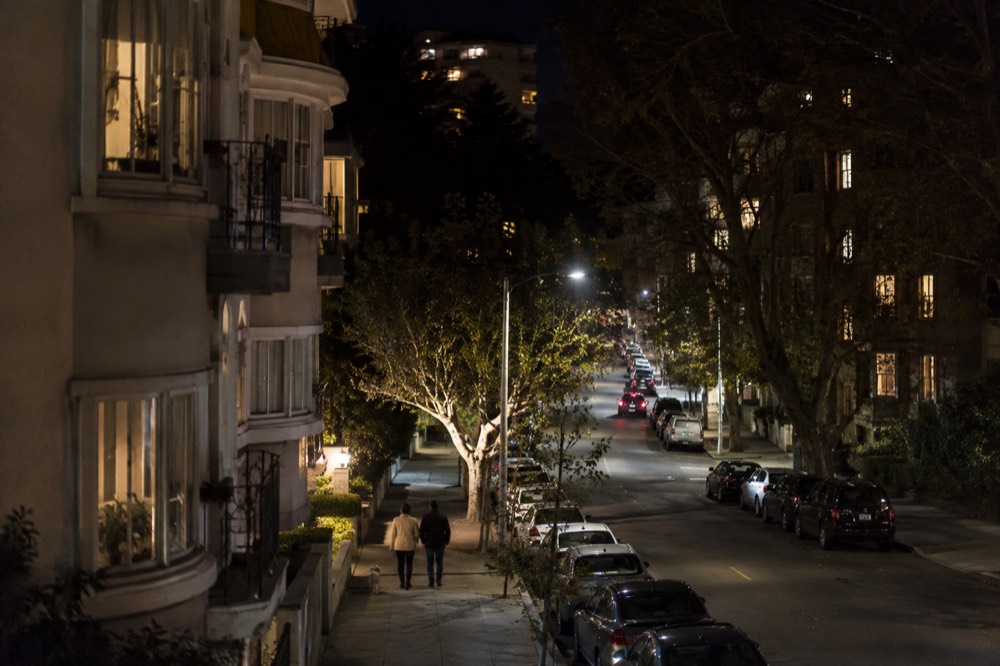
Kings Cross is Sydney's best-known entertainment and nightlife district, a compact triangle of streets centered on Darlinghurst Road roughly two kilometers from the central business district. Locals call it The Cross. Bordered by Potts Point, Darlinghurst and Woolloomooloo, it draws visitors with bars, live music and late-night food, and you can walk the whole triangle in under an hour. It sits roughly two kilometres from the central business district, bordered by the calmer residential and café neighbourhoods of Potts Point, Darlinghurst and Woolloomooloo. Visitors come for bars, live music, late-night food and a dense, walkable streetscape that feels nothing like the harbour postcard side of the city. The Cross, as locals call it, is at its busiest after dark and at its most pleasant, many travellers find, in the early morning café hours.
The area earned its reputation across decades as a bohemian quarter, a red-light district and, more recently, a going-out strip for the whole city. That layered history is exactly what makes it interesting: art deco apartment blocks, old pubs and theatres stand beside cocktail bars and kebab shops. It is not a heritage showpiece like The Rocks, and it does not try to be. Its value to a visitor is atmosphere, convenience and price, since accommodation and food here often undercut the waterfront hotels a short ride away.
First-time visitors should read the area as three overlapping zones. Darlinghurst Road itself is the loud strip. Macleay Street and the Potts Point side are leafier, with boutiques and serious coffee. Down the hill toward the harbour, Woolloomooloo offers Finger Wharf views and old pub dining rooms. You can walk the whole triangle in under an hour, which is why so many people base themselves here for a first Sydney trip.
How Do You Get to Kings Cross?
Kings Cross is served by its own train station plus a dense bus network, and the whole city's fare rules apply: tap a contactless card or Opal card, and daily caps of $9.65 apply Friday to Sunday and public holidays, $19.30 Monday to Thursday. The station sits at the top of Darlinghurst Road, a two-minute walk from the strip itself. Buses run along William Street and Elizabeth Bay Road from the city. Ferries are a pleasant alternative via the nearby Eastern Suburbs wharves, though the walk uphill from Woolloomooloo is steep.
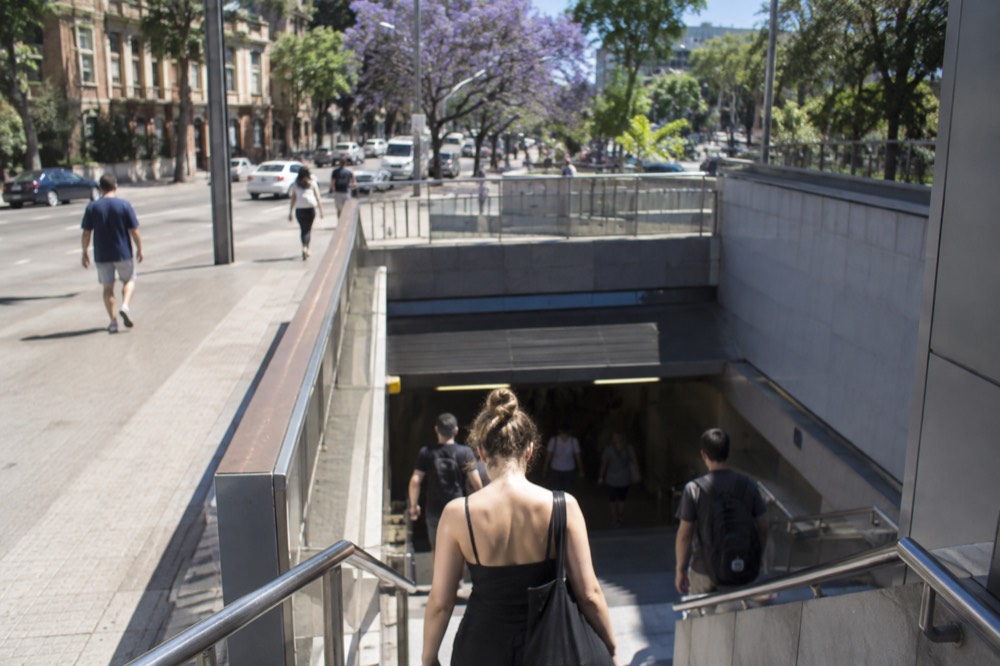
Fares are distance-based and charged the same whether you tap an Opal card or a contactless credit card, debit card or phone, so most short-stay visitors never need to buy a card at all. The official visitor fares page sets out the full rules. One trap worth knowing: single-trip tickets bought at machines cost more and earn none of the caps or discounts, so they are a backup only.
| Opal / contactless cap | Amount | When it applies |
|---|---|---|
| Daily cap, Mon-Thu | $19.30 | Trains, metro, buses, ferries, light rail |
| Daily cap, Fri-Sun and public holidays | $9.65 | Same modes, cheapest days to travel widely |
| Weekly cap | $50 | Monday to Sunday week |
| Off-peak discount | 30% | Metro, train, bus, light rail only, not ferries |
Because the daily caps are generous, a Kings Cross base is genuinely cheap for getting around. A day of trains, buses and even a ferry to Manly fits inside the weekend cap. If you are weighing a car, read do I need a car in Sydney first: parking in the inner east is scarce and the public transport coverage here is strong.
What Is There to Do in Kings Cross During the Day?
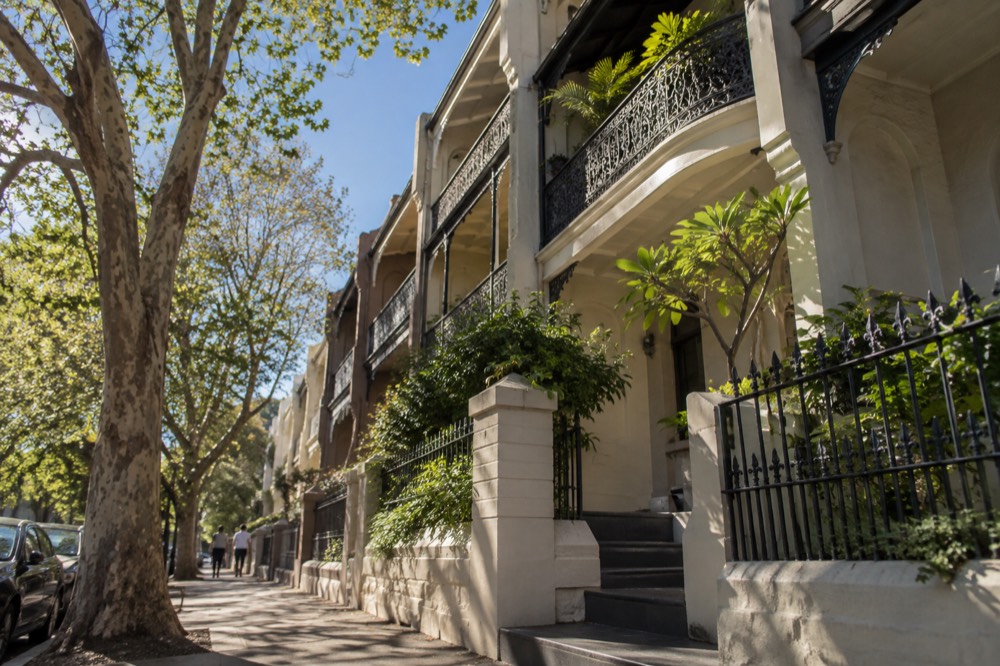
By day the Cross is a low-key neighborhood of cafés, bookshops, small galleries and Victorian and art deco architecture, best explored on foot between Darlinghurst Road, Macleay Street and the Woolloomooloo waterfront. The famous Coca-Cola sign marks the top of the strip, and from there walking routes fan out toward Finger Wharf, Potts Point's tree-lined streets, or Darlinghurst's design and dining quarter, all fitting inside a single unhurried morning. The famous Coca-Cola sign marks the intersection at the top of the strip, and from there the walking routes fan out in three directions: down to Finger Wharf, up through Potts Point's tree-lined streets, or across into Darlinghurst's design and dining quarter. None of these walks needs a tour, a ticket or a plan, and all of them fit inside a single unhurried morning.
Food is the daytime draw. The density of bakeries, ramen shops, old pubs and brunch rooms within ten minutes' walk of the station is among the highest in the city, and the Sydney brunch scene reaches some of its best expressions here and in neighbouring Darlinghurst. If you would rather have the decisions made for you, a guided tasting walk covers the ground efficiently. The six-tasting food tour by Secret Food Tours runs about three and a half hours and moves through several neighbourhoods of this side of the city.
Beyond food, the area works well as a base for the harbour. A short bus or train hop connects you to Circular Quay for the Opera House and ferry terminals, and the harbour sightseeing cruise is an easy morning or afternoon loop that returns you to the Quay with the rest of the day free. For orientation ideas beyond the obvious, our unique things to do in Sydney guide includes several options reachable from this side of town.
What Is Kings Cross Like at Night?
At night the Cross becomes Sydney's densest concentration of bars, live music rooms, cocktail lounges and late-night eateries. The strip is compact, well-lit and heavily policed compared with its old reputation, running loudest on Friday and Saturday and quieter the rest of the week, with licensed venues closing on a stagger and the last kitchens serving into the small hours on weekends. The strip is compact, well-lit and heavily policed compared with its old reputation, and the surrounding streets calm down within a block of Darlinghurst Road. Dress codes are rare in pubs but some cocktail bars enforce them. Licensed venues close on a stagger, with the last of the kitchens serving into the small hours on weekends, and the whole precinct stays within a short walk of the station.
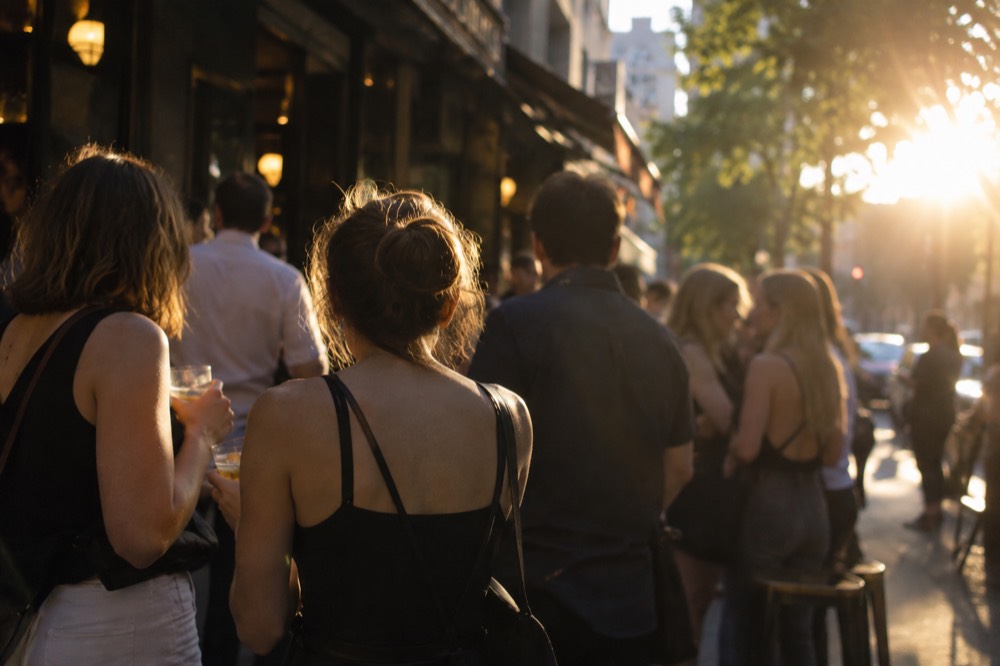
The venue mix is the reason to come. Historic pubs with beer gardens sit next to small-venue live music, basement cocktail bars and late-night kebab and noodle shops that keep the strip fed after midnight. Our Sydney nightlife and bars and pubs guides cover the city-wide picture, but the Cross holds its own against any precinct for sheer number of doors within a five-minute walk.
On safety: the area is far tamer than its global reputation suggests, and normal city precautions apply. Keep to lit streets, use the station rather than long walks late at night, and read our is Sydney safe at night answer if you are travelling solo or with a group that splits up. The night-time economy here is also genuinely useful for one practical reason: the transport links run late, and the station is at the top of the strip rather than a long walk away.
Where Does Kings Cross Sit Among Its Neighbouring Areas?
Kings Cross is the commercial heart of a cluster of inner-east neighborhoods: Potts Point to the north and east, the leafy residential café-and-boutique end; Darlinghurst to the south and west, the design, dining and small-theater quarter; and Woolloomooloo downhill toward the harbor, the old pub and wharf neighborhood with the closest harbor access. All three are walkable from the Cross in minutes. Each has a distinct character, and the borders blur within a few hundred metres of the fountain at the top of Darlinghurst Road. Potts Point is the leafy, residential, café-and-boutique end. Darlinghurst is the design, dining and small-theatre quarter. Woolloomooloo is the old pub and wharf neighbourhood with the closest harbour access, and all three are walkable from the Cross in minutes.
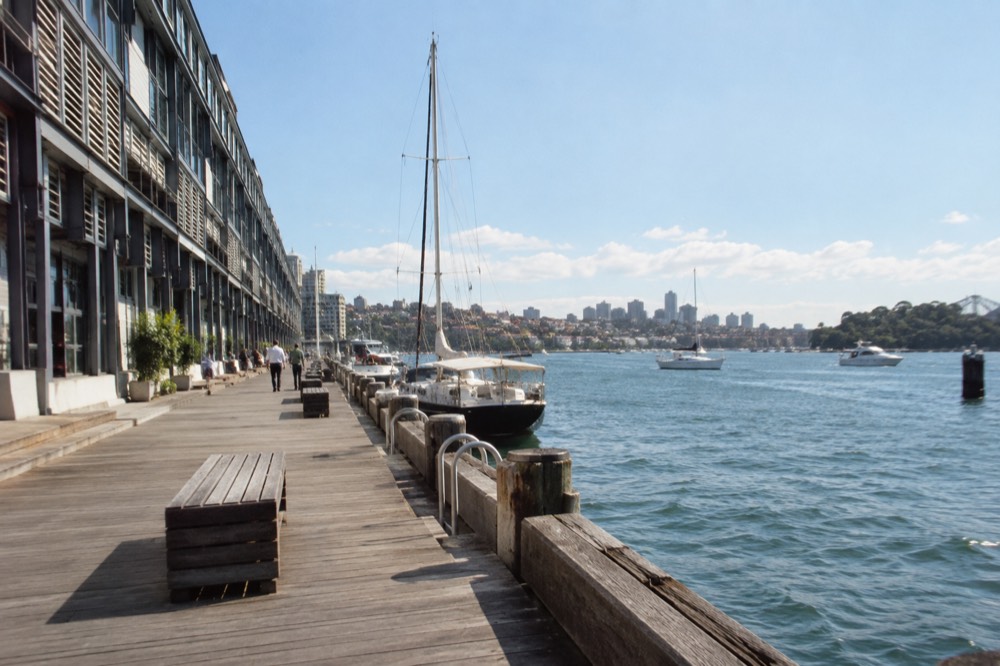
If you are choosing where to sleep, the practical difference is noise. On or just off Darlinghurst Road, expect late-night street noise most weekends; a block or two into Potts Point or up toward Elizabeth Bay, the streets are quiet by ten. Our where to stay in Sydney guide places the whole area in context against the CBD, the Northern Beaches and the harbour suburbs.
Walking routes connect everything. Down the hill to Woolloomooloo takes about ten minutes at a stroll; through to Darlinghurst's Oxford Street strip, about fifteen. The whole inner east is one of the most walkable parts of a city that rewards walking generally, as our is Sydney a walkable city answer sets out. For a deeper dive into the district south of the Cross, see the Darlinghurst area guide.
When Is the Best Time to Visit Kings Cross?
Any month works for Kings Cross itself, since its attractions are indoors and street-level, but the long-run climate data favours the shoulder and winter months for clear skies: August averages 13.4 clear days, the most of any month, while February averages just 5.3, the fewest. Summer, meaning December to February in this hemisphere, is peak season and statistically the cloudiest time of year. June is the wettest month on average, with 133.1 mm of rain. Nightlife is busiest in warm months; café streets are pleasant year-round.
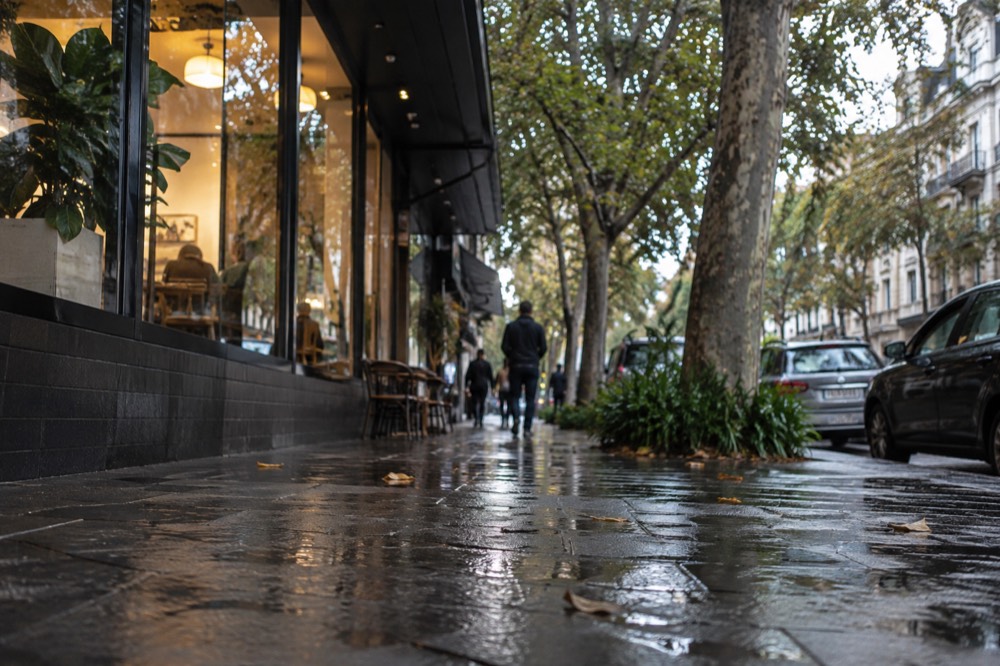
Those figures come from the Bureau of Meteorology's long-term normals for Sydney, published at its Observatory Hill climate tables. They are averages, not forecasts, but they overturn the usual visitor assumption that an Australian coastal city is at its sunniest when the crowds are thickest. A winter weekend in the Cross, with clear skies, 17-degree days and fires in pub dining rooms, is a genuinely good plan.
| Month | Mean max °C | Mean min °C | Mean rainfall mm | Mean clear days |
|---|---|---|---|---|
| Jan | 26.0 | 18.8 | 101.2 | 6.8 |
| Feb | 25.8 | 18.9 | 119.3 | 5.3 |
| Jun | 17.0 | 9.3 | 133.1 | 9.1 |
| Aug | 17.9 | 9.0 | 80.2 | 13.4 |
| Nov | 23.7 | 15.7 | 83.8 | 6.0 |
What Does a Kings Cross Base Cost to Run?
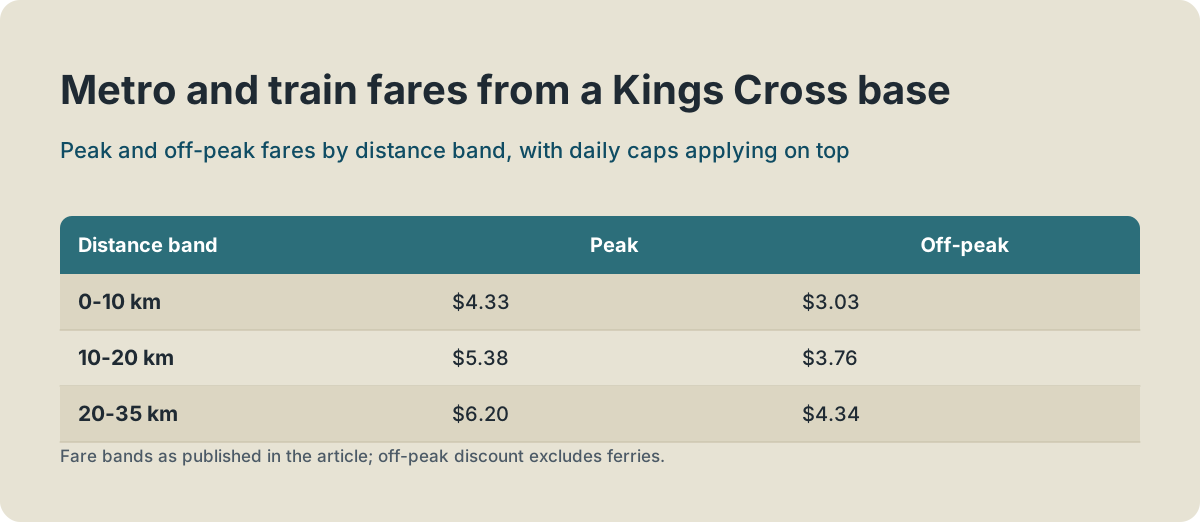
Transport from a Kings Cross base is cheap by big-city standards: with contactless caps of $9.65 on weekends and public holidays, a full day of trains, buses and ferries costs less than a single cocktail on the strip. Short train and bus hops into the city fall in the lowest fare bands. The weekly cap of $50 covers a Mon-Sun week of unlimited capped travel. Accommodation and food in the area generally sit below harbourfront prices, and the free-entry institutions of the CBD are a short ride away.
| Metro/train fare band | Peak | Off-peak |
|---|---|---|
| 0-10 km | $4.33 | $3.03 |
| 10-20 km | $5.38 | $3.76 |
| 20-35 km | $6.20 | $4.34 |
A trip from the Cross into the city centre sits in the lowest band, so the marginal cost of popping back and forth all day is small once you understand the caps. The off-peak 30% discount applies on metro, train, bus and light rail on Fridays, weekends, public holidays and outside peak times, but never on ferries. If your dates are flexible, the public-holiday calendar rewards you twice: venues are open as normal on most holidays, and the $9.65 cap applies.
| NSW public holiday | 2026 date |
|---|---|
| Australia Day | Monday 26 January |
| Anzac Day | Saturday 25 April |
| King's Birthday | Monday 8 June |
| Labour Day | Monday 5 October |
| Christmas Day | Friday 25 December |
One quirk worth knowing from the official NSW public holidays list: the Bank Holiday on the first Monday of August is not a public holiday for most workers, so shops, attractions and transport in the Cross run completely normally on that day. Budget travellers will find more ideas in our Sydney on a budget and Sydney trip cost breakdown guides.
Which Tours Pair Well with a Kings Cross Stay?
The best tours to book from a Kings Cross base are the ones the area itself cannot supply: colonial history at The Rocks, harbour time on the water, and guided food walks through the inner east's eating streets. All three are ten to fifteen minutes away by train or bus, so none costs you a morning of commuting. All three depart from or near the city centre, ten to fifteen minutes away by train or bus, so none of them costs you a morning of commuting. Book the walking tours for mornings, the harbour cruise for a midday or afternoon slot, and leave your evenings free for the strip itself, which needs no guide at all.
The Rocks guided walking tour is the natural first morning: ninety minutes of colonial laneways, sandstone and harbour stories, running about 1 hour 30 minutes, that orients you to the oldest part of the city before you return to the Cross for lunch. Traveller reviews rate it highly across a large review base, and it pairs with an afternoon on the water. You can Check availability alongside the internal page.
For the water half of the day, the harbour sightseeing cruise runs morning or afternoon departures of about 1 hour 30 minutes and loops the main harbour sights from Circular Quay. It is the low-effort way to see the Opera House, Harbour Bridge and waterfront suburbs from the angle that makes them famous, and the Quay is a short hop from Kings Cross station. Our Sydney harbour cruises guide compares the full range if you want something longer or with a meal included.
Beyond the city, the Cross is a workable launch point for day trips. Trains and coaches depart from nearby hubs, and our day trips from Sydney without a car guide covers the Blue Mountains, the Hunter Valley and coastal options that all work from an inner-east base. If rain closes in, the Sydney rainy day itinerary keeps you busy within a short ride of Darlinghurst Road.
Common Questions About Kings Cross Sydney
Is Kings Cross Sydney safe for tourists?
Yes, by the standards of a major city nightlife district. The strip is well-lit, compact and has its own train station at the top of Darlinghurst Road. Normal precautions apply late at night: stick to lit streets, travel in groups where you can, and use the station rather than long walks after midnight. The area's global reputation dates from decades ago and outruns the present reality.
How far is Kings Cross from Sydney's city centre?
Roughly two kilometres. The train between Kings Cross station and the city centre takes only a few minutes and falls in the lowest Opal fare band, about $4.33 peak or $3.03 off-peak. Buses along William Street run the same corridor, and the $9.65 weekend daily cap makes multiple trips back and forth effectively free once reached.
What is Kings Cross famous for?
Nightlife and history. The area has been Sydney's entertainment quarter for the better part of a century, known for its density of pubs, live music rooms, cocktail bars and late-night food along Darlinghurst Road, wrapped in art deco and Victorian architecture. By day it reads as a café neighbourhood serving Potts Point, Darlinghurst and Woolloomooloo.
Where should I stay: Kings Cross or the CBD?
Choose the Cross for atmosphere, food density and usually lower prices; choose the CBD for harbour proximity and quiet at night. Within the Cross, a block or two off Darlinghurst Road, especially on the Potts Point side, buys you café streets and calm while keeping the strip a two-minute walk away. See our [where to stay](https://booking.tpk.ro/ndznHj9h) in Sydney guide for the full comparison.
Do I need a tour for Kings Cross?
No, the area is compact and self-explanatory on foot. Where tours add value is around it: a guided walk of The Rocks for history, a harbour cruise for the water view, and a food tour if you want the inner east's eating streets decoded. The strip itself you explore with a map and an appetite.
What time does Kings Cross get busy?
Friday and Saturday nights are the peak, when bars and late-night eateries run at their fullest and the street stays lively into the small hours. Weekday evenings are busy but manageable, and daytime weekends belong to the café and brunch crowd. Arrive before 8pm on a weekend if you want a table without waiting.
For everything the area connects to, start with the Sydney Travel Guide homepage and work outward from there.