Darlinghurst, Sydney: Cafes, Street Art and the Inner-City Neighbourhood Guide
Darlinghurst is the compact inner-city neighbourhood where Sydney's cafe culture, gallery scene and nightlife overlap, all within an easy walk of the CBD and two free major museums.
Short answer
Darlinghurst sits immediately east of the Sydney CBD, between Hyde Park and Kings Cross. Entry to the Australian Museum is free and open daily 10am to 5pm, the Art Gallery of New South Wales is free and open until 10pm on Wednesdays, and an adult Opal day caps at $19.30 Monday to Thursday and $9.65 Friday to Sunday.
Darlinghurst wraps around the eastern edge of the Sydney CBD like a crescent, bounded roughly by Hyde Park, William Street, Darlinghurst Road and South Dowling Street. It is one of the few Sydney neighbourhoods where a visitor can wake up, walk to a world-class free museum before lunch, eat at a celebrated cafe in the afternoon and finish in a small bar without ever boarding a train. The suburb's scale is part of its appeal: the whole district spans barely a couple of kilometres end to end, which makes it one of the most walkable pockets in a city whose walkability often surprises first-time visitors.
The neighbourhood has long been Sydney's queer heartland, its gallery quarter and its late-night playground at once. Oxford Street runs along its southern edge toward Kings Cross, while the quieter eastern streets roll down toward Paddington and its terrace-house rows. For orientation, history and honest local context in one place, this Sydney Travel Guide keeps a full set of neighbourhood pages, and this one covers Darlinghurst street by street.
Where Is Darlinghurst and What Is It Known For?
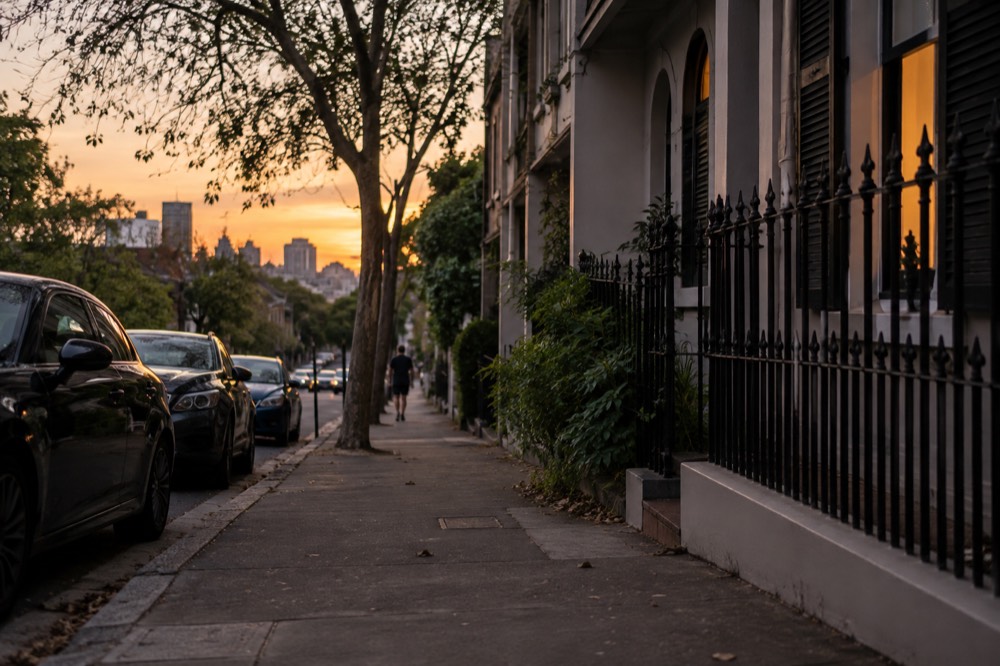
Darlinghurst is the inner-city suburb immediately east of the Sydney CBD, separated from it by Hyde Park and College Street. It is known for a dense strip of cafes and small bars along Darlinghurst Road and Burton Street, the queer nightlife and parade route of Oxford Street, and cultural institutions including the Australian Museum on its western boundary. It is known for three things above all: a dense strip of cafes and small bars along Darlinghurst Road and Burton Street, the queer nightlife and parade route of Oxford Street, and a cluster of cultural institutions including the Australian Museum on its western boundary. Most of the suburb sits within a 15-minute walk of Museum or Kings Cross stations, so a visitor rarely needs transport at all once they have arrived, and the whole neighbourhood can be crossed on foot in about half an hour.
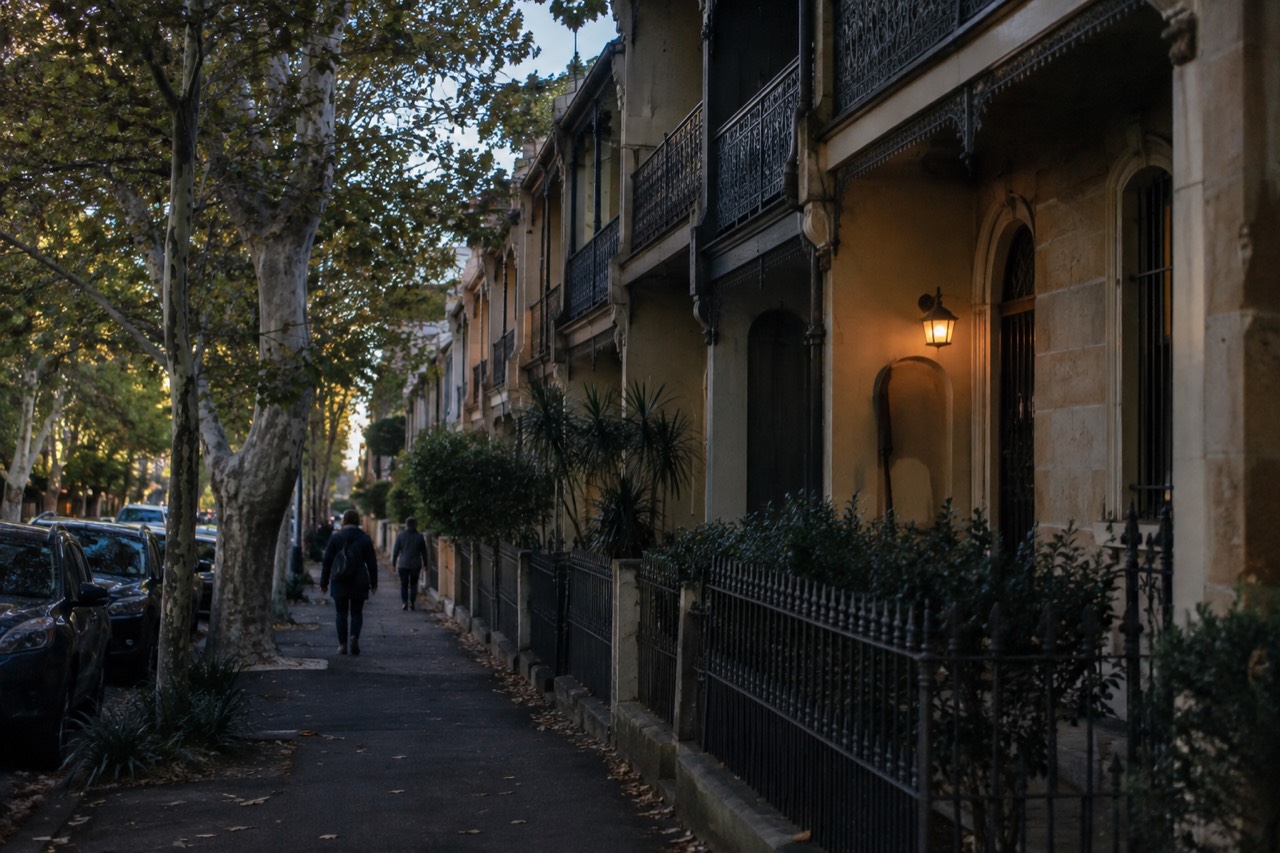
The suburb's character changes block by block. West of Darlinghurst Road, the streets calm down and fill with galleries, design studios and the sandstone perimeter wall of the former Darlinghurst Gaol on Forbes Street. East toward Darlinghurst Road and Victoria Street the pace lifts: brunch queues, tattoo studios, bookshops and bars that keep late hours. South of Oxford Street the neighbourhood blends into Surry Hills, and the border between the two is genuinely blurry, so a good day here drifts across it without anyone noticing.
Darlinghurst also works as a base. The Sydney CBD is one park away, Surry Hills starts at the end of Crown Street, and the Eastern Suburbs beaches are a direct bus ride down Oxford Street. Very few Sydney neighbourhoods put a visitor this close to this much without a car, which is why the question of whether you need a car in Sydney answers itself quickly here.
What Are the Best Things to Do in Darlinghurst?
The best things to do in Darlinghurst are visiting the free Australian Museum, Australia's oldest museum, browsing the galleries clustered around the old gaol wall, finding street art in the laneways off Taylor Square and Foster Street, walking Oxford Street, the historic center of Sydney's queer community and the Mardi Gras parade route, and ending the day in one of the suburb's small bars. The Australian Museum, at 1 William Street opposite Hyde Park, charges nothing for general entry and opens 10am to 5pm every day except Christmas Day. Add a slow morning on the cafe strip and an evening on Oxford Street and you have the classic Darlinghurst day, and all of it is walkable without ever needing a timetable.
Start at the western edge. The Australian Museum is Australia's oldest museum and its general entry is free, with major temporary exhibitions ticketed separately, so a visitor can spend a morning with the permanent collections and pay nothing. From there, the walk north through the neighbourhood passes the Hyde Park Barracks precinct and the sandstone wall of the old gaol, now an art school campus, one of the more striking streetscapes in inner Sydney.
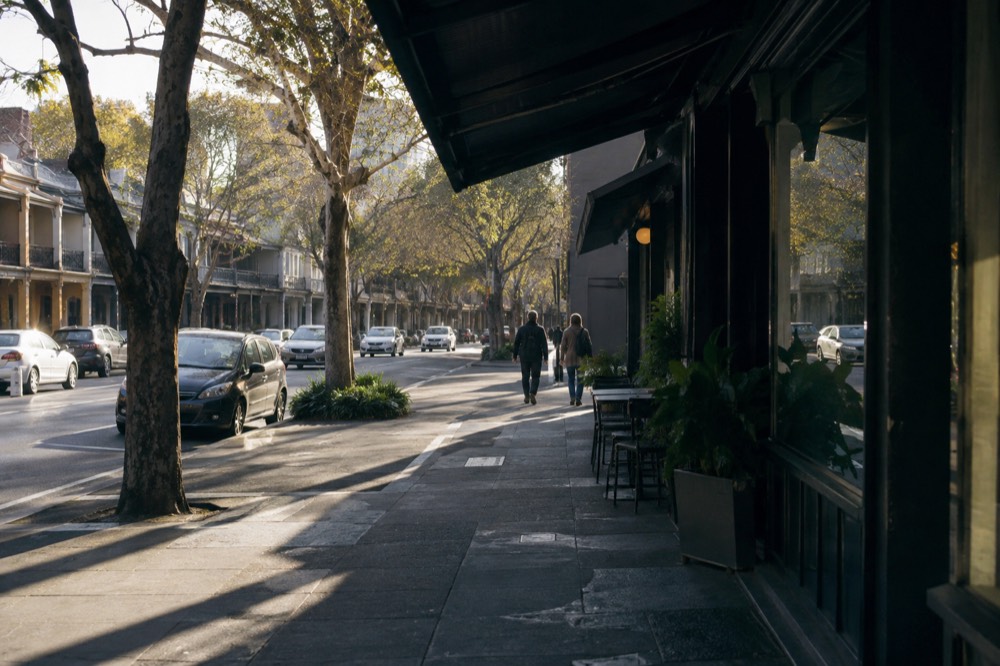
From there the day bends toward food and street life. Darlinghurst's street art is scattered through the laneways off Taylor Square and Foster Street, and the suburb's galleries cluster around the gaol wall. In the evening the neighbourhood's nightlife takes over: Oxford Street is the historic centre of Sydney's queer community and the Mardi Gras parade route, and the side streets hold some of the city's best small bars. If you want a structured introduction to how Sydney's inner-city neighbourhoods fit together, these guided options cover the neighbourhood and its harbour-side neighbours:
A note on pacing: Darlinghurst rewards slow mornings. The museum opens at 10am, most cafes hit peak between 9am and 11am, and the bars do not fill until well after dark. That leaves a natural early-afternoon window for the galleries and the walk toward Paddington, which is exactly how locals use the suburb on a weekend.
Where Should You Eat and Drink in Darlinghurst?
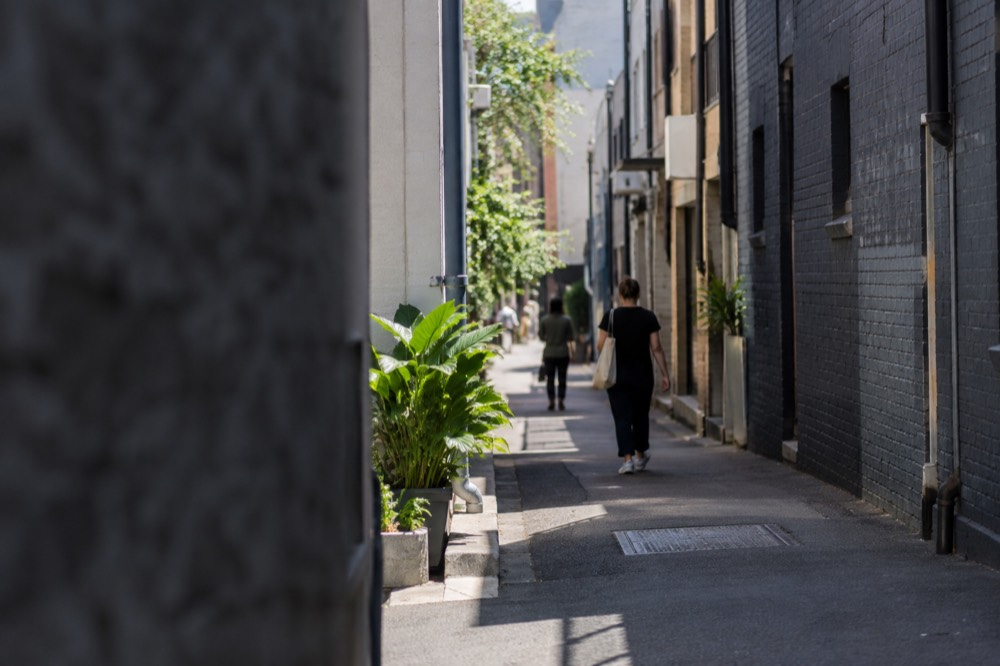
Eat along Burton Street, Darlinghurst Road and the Stanley Street end of the suburb, where the cafe and small-bar density is among the highest in Sydney. For dinner, Oxford Street and Taylor Square handle groups, big menus and late sittings, while the back streets hold the small rooms: eight-seat wine bars and chef's-counter restaurants that sit within a few blocks. Darlinghurst is a genuine food destination rather than a single restaurant street: brunch cafes, modern Australian dining, late-night noodles and natural-wine bars all sit within a few blocks of each other. The suburb anchors the eastern end of Sydney's brunch culture, and its bar scene is documented in full on our Sydney bars and pubs page, so the choice is genuinely wide rather than a handful of famous names.
The coffee here is a destination in its own right. Darlinghurst sits inside the belt where Sydney's coffee culture grew up, and the suburb's roasters and espresso bars open early, well before the museums and galleries. A morning coffee crawl down Darlinghurst Road or Victoria Street is a legitimate activity, and on weekends the queues outside the better-known cafes form by 9am.
For dinner, the suburb splits cleanly by mood. Oxford Street and Taylor Square handle groups, big menus and late sittings. The back streets handle small rooms: eight-seat wine bars, chef's-counter restaurants and the kind of places that take bookings for one sitting only. A guided food tour is one way to short-circuit the choice, since it moves between venues with a local leading and covers six tastings in a single afternoon.
One planning note worth knowing: Darlinghurst's kitchens run late by Sydney standards, but not infinitely late. Kitchens on Oxford Street typically serve past 10pm, while the small bars often stop serving food earlier and switch to drinks only. If dinner matters more than drinks, book the restaurant before the bar, not the other way around.
Is Darlinghurst Safe at Night?
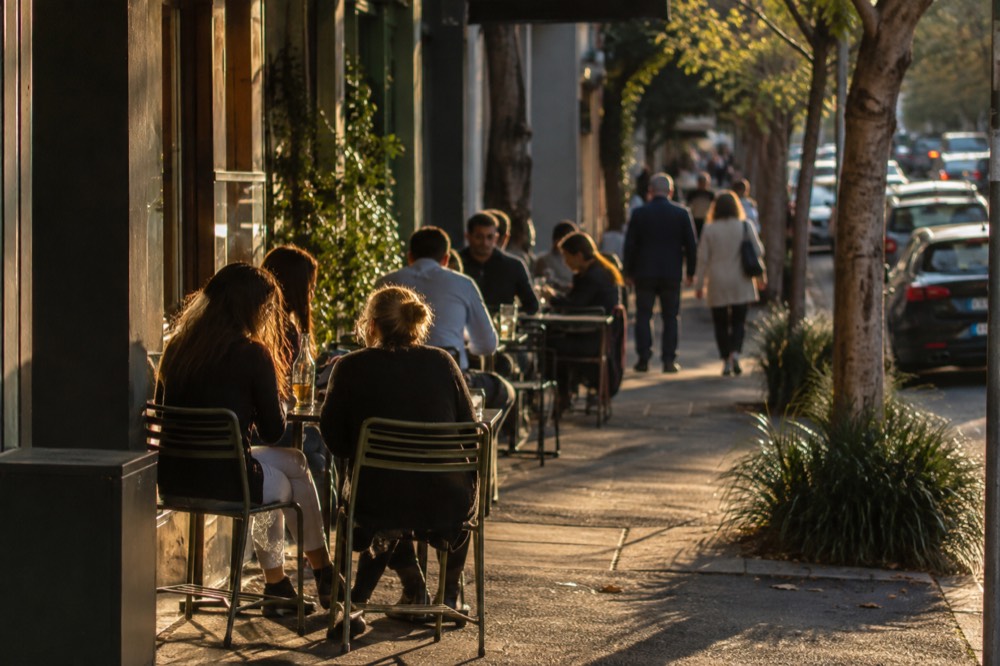
Yes, Darlinghurst is generally safe at night for visitors. Oxford Street and the main cafe strips stay active late, and the streets between Taylor Square and the CBD rarely feel empty, so a visitor walking home at 11pm finds a busy, populated, well-serviced street network. Normal city caution applies around the Kings Cross end very late at night, as in any nightlife district. Oxford Street and the main cafe strips stay active late, which is the single biggest factor in street safety, and the suburb sits within easy reach of the CBD's transport hubs. Normal city caution applies around the Kings Cross end very late at night, as it does in any nightlife district in any Australian city, but the overall picture for a visitor walking home at 11pm is a busy, populated, well-serviced street network.
The honest picture has two layers. On one hand, Darlinghurst's night-time foot traffic is dense, venues are licensed and staffed, and the streets between Taylor Square and the CBD rarely feel empty. On the other hand, it is a nightlife precinct, so very late nights, alcohol and the usual pickpocket-and-scuffle risks that come with any entertainment district are present. Our broader page on whether Sydney is safe at night covers the city-wide picture, and Darlinghurst fits its general pattern: busy and safe in the evening hours, requiring ordinary care in the small hours.
For visitors who want the night-time atmosphere without working out the streets alone, a guided evening activity solves the problem neatly. The suburb's dark-history walking tours are a popular format, and the guided walks in the nearby Rocks district run in the evening as well:
What Is There to Do Near Darlinghurst?
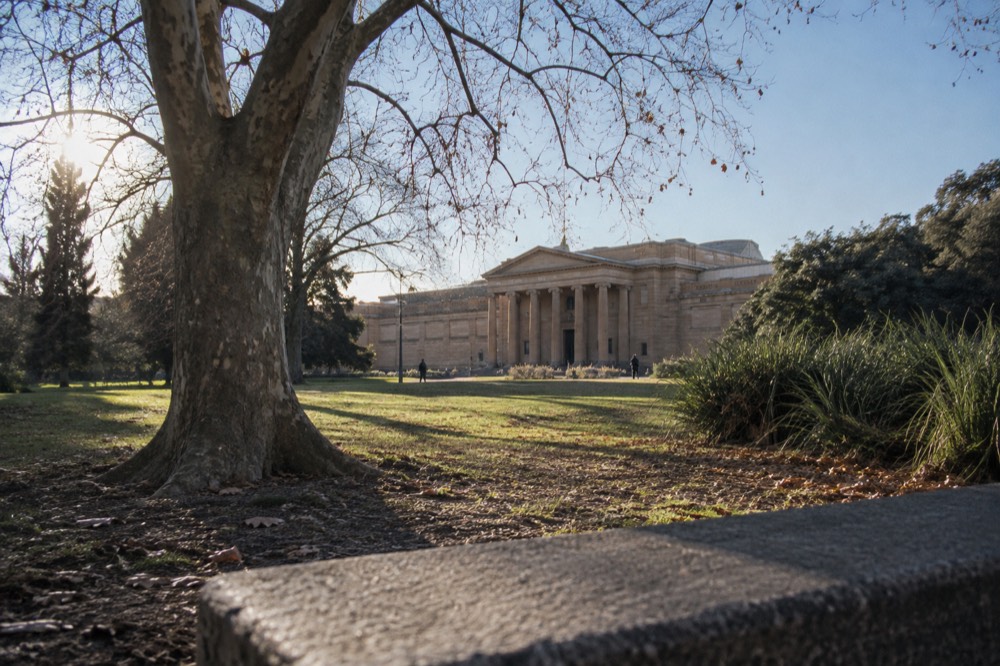
The biggest attractions near Darlinghurst are the Art Gallery of New South Wales, the Royal Botanic Garden Sydney, and Hyde Park and The Domain, all of which sit on or just beyond its western boundary. The gallery offers free general entry daily from 10am to 5pm, staying open until 10pm on Wednesdays, while the garden is free and open daily from 7am to sunset. The Art Gallery of New South Wales offers free general entry daily from 10am to 5pm and stays open until 10pm on Wednesdays, a detail most visitors never hear about. The Royal Botanic Garden Sydney is also free, open daily from 7am to sunset, which makes the whole western edge of Darlinghurst a free-culture corridor that costs nothing to walk from end to end.
This is the practical advantage of staying in Darlinghurst that no hotel listing will spell out: the suburb's two nearest major cultural institutions both cost nothing to enter. The gallery's Wednesday late night pairs perfectly with the suburb's dinner scene, since a visitor can see exhibitions until 10pm and still be at a table in Darlinghurst fifteen minutes later. General entry to the gallery is free, with some exhibitions ticketed.
| Attraction | Entry cost | Hours | Direction from Darlinghurst |
|---|---|---|---|
| Australian Museum | Free general entry | Daily 10am-5pm, closed Christmas Day | Western edge, opposite Hyde Park |
| Art Gallery of New South Wales | Free general entry | Daily 10am-5pm, Wednesdays until 10pm | Short walk past the northern end of Hyde Park |
| Royal Botanic Garden Sydney | Free | Daily 7am to sunset | Past the gallery, toward the harbour |
| Hyde Park and The Domain | Free | Always open | Directly on the western boundary |
| Hyde Park Barracks | Ticketed exhibitions vary | Check current listings | Northern edge of Hyde Park |
Beyond the free corridor, Darlinghurst's position puts the harbour within walking distance for anyone energetic. The walk from the suburb through the Domain to Farm Cove takes a comfortable half hour at a visitor's pace, and from there Circular Quay, the Opera House and the ferry wharves line up along the water. A harbour sightseeing cruise is the natural next step once you reach the quay, and the morning and afternoon departures both fit an afternoon that began with the gallery.
One caution for planners using an older guide: the Powerhouse Museum in Ultimo has been closed to the public since 4 February 2024 for a major redevelopment and is not due to reopen there until around 2029. Its new Parramatta building is scheduled to open on 7 November 2026. Any itinerary that still lists Powerhouse Ultimo as a rainy-day option near Darlinghurst is out of date.
How Do You Get to Darlinghurst?
The easiest way to reach Darlinghurst is by train to Museum or Kings Cross station, or by bus along Oxford Street, with an adult Opal day capped at $19.30 Monday to Thursday and $9.65 from Friday to Sunday. Contactless credit and debit cards are charged exactly the same as an Adult Opal card and earn the same caps and discounts, so most visitors never need to buy a card at all. The suburb is also close enough to the CBD that walking from Town Hall takes well under half an hour.
The fare structure rewards staying put. A bus or tram journey of up to 3 km costs $3.30 at peak times and $2.31 off-peak, and the 30 percent off-peak discount applies on trains, buses and light rail on Fridays, weekends, public holidays and outside peak windows. Ferries are the exception: they carry no off-peak discount, with adult fares of $7.35 for trips up to 9 km and $9.20 beyond that. The weekly cap is $50, and public holidays use the cheaper $9.65 daily cap, which makes a long weekend an economical time to travel widely.
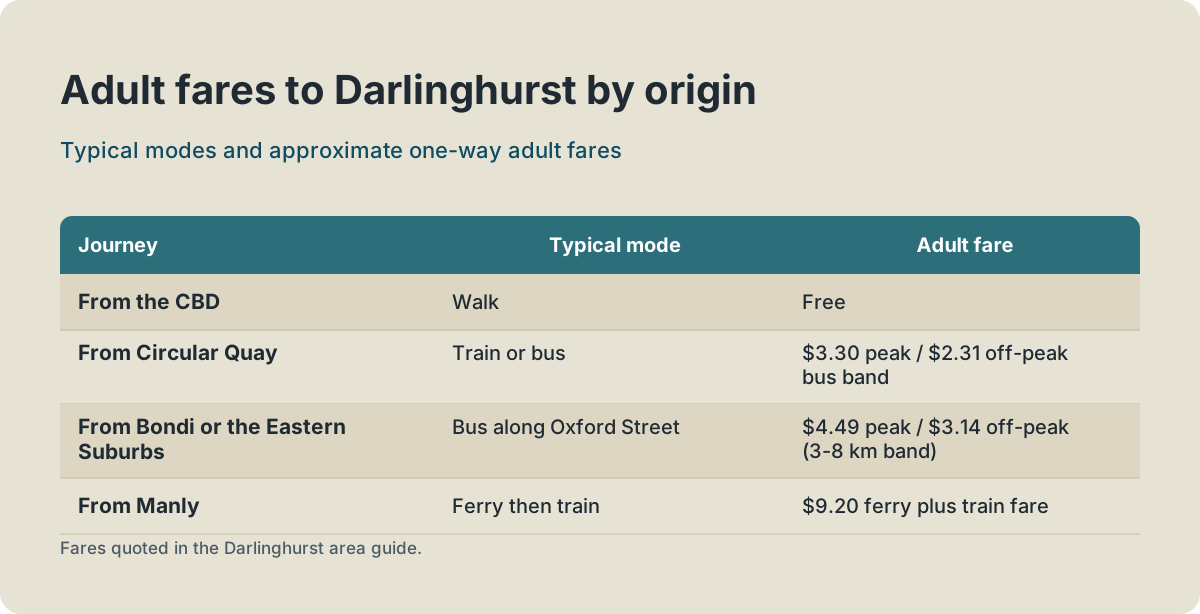
| Journey to Darlinghurst | Typical mode | Approximate adult fare | Notes |
|---|---|---|---|
| From the CBD | Walk | Free | Under 30 minutes from Town Hall |
| From Circular Quay | Train or bus | $3.30 peak / $2.31 off-peak bus band | Museum station is the closest stop |
| From Bondi or the Eastern Suburbs | Bus along Oxford Street | $4.49 peak / $3.14 off-peak (3-8 km band) | Frequent services all day |
| From Manly | Ferry then train | $9.20 ferry plus train fare | Ferries have no off-peak discount |
| From Sydney Airport | Train | Fare plus airport station access fee | Access fee sits outside the daily caps |
The airport line deserves its own sentence, because it is the one fare that surprises people. The train from either airport station carries a station access fee on top of the normal fare, and that fee is excluded from the standard daily and weekly caps, though it has its own separate weekly cap. The 400 bus is the workaround, since it carries no station access fee at all. Our airport to the city page covers the comparison in detail.
When Is the Best Time to Visit Darlinghurst?
The best time to visit Darlinghurst is autumn, from March to May, when rainfall eases off its March peak, average daily maximums sit between 19.5 and 24.8 degrees Celsius, and the cafe terraces are comfortable all day. Spring, from September to November, runs a close second, with mean maximums of 20.1 to 23.7 degrees Celsius, so the shoulder months deliver the better weather. Spring, from September to November, runs a close second with mean maximums of 20.1 to 23.7 degrees. Winter days still average 16.4 to 17.9 degrees, which is mild by world standards, and the neighbourhood's indoor attractions make the colder months easy to work around without ever feeling short-changed.
The climate record holds a surprise that most Sydney guides miss entirely. June is Sydney's wettest month on the long-run averages, at 133.1 mm, wetter than any summer month, while February, in the middle of peak season, is the city's cloudiest month with just 5.3 mean clear days. August, deep in winter, is actually the clearest month of the year with 13.4 mean clear days. Peak season is statistically the greyest time to visit, and the shoulder months deliver the better weather.
For Darlinghurst specifically, the seasonal pattern matters less than it does on the coast. The suburb's core activities, museums, galleries, cafes and bars, are weatherproof to a degree the beaches are not, so a wet June day costs a visitor far less here than it does in Bondi. Our month-by-month weather page carries the full table if you are locking in dates.
One event reshapes the neighbourhood entirely: the Sydney Gay and Lesbian Mardi Gras parade, which runs along Oxford Street each year in late February or early March. The 2027 parade is scheduled for Saturday 6 March 2027, with Fair Day on Sunday 14 February 2027. During the festival window Darlinghurst is busier, prouder and harder to book than at any other time of year, so plan well ahead or plan around it.
Where Should You Stay in Darlinghurst?
Darlinghurst suits travellers who want to stay within walking distance of the CBD in a neighbourhood with real food and nightlife, and it offers everything from hostels on the Kings Cross border to boutique hotels along the quieter eastern streets. The trade-off is honest: rooms are smaller and often noisier than in the suburbs, and prices sit at inner-city levels rather than beach levels. For a first visit, the suburb is one of the strongest bases in Sydney precisely because nothing needs a commute, and every major sight is a walk or a single cheap fare away.
Choosing a street matters more than choosing a hotel brand here. Stays near the Kings Cross end of Darlinghurst Road put you closest to the station and the nightlife, which is convenient and loud. Stays toward Victoria Street and the Paddington border trade train access for quieter terrace-lined streets and a morning walk downhill to the cafes. Our full [where to stay](https://booking.tpk.ro/ndznHj9h) in Sydney page places Darlinghurst against the CBD, Surry Hills and the Eastern Suburbs options.
| Neighbourhood comparison | Darlinghurst | Surry Hills | Kings Cross |
|---|---|---|---|
| Best for | Cafes, galleries, queer nightlife | Restaurants, pub scene | Late-night convenience, station access |
| Vibe | Creative and compact | Food-led and villagey | Fast and 24-hour |
| Walking distance to CBD | Very close, Hyde Park in between | Slightly further south | Close, via the Eastern Distributor side |
| Quietest streets | Victoria Street and east | Closer to Crown Street's ends | Away from Darlinghurst Road |
For a short trip, the deciding factor is usually what you want from your evenings. If your nights revolve around dinner and a couple of bars, Darlinghurst and Surry Hills are near-interchangeable and you should choose on the room. If your nights run later, the Kings Cross end of Darlinghurst keeps more options open longer, and the walk home is shorter.
Whichever base you choose, Darlinghurst's tours and experiences are worth locking in early, especially in festival season. These are the three options that pair best with a stay in the neighbourhood:
Common Questions About Darlinghurst
Where is Darlinghurst in Sydney?
Darlinghurst is the inner-city suburb immediately east of the Sydney CBD, separated from it by Hyde Park. It sits between the CBD, Surry Hills, Kings Cross and Paddington, and most of it is within walking distance of Museum and Kings Cross stations.
Is Darlinghurst worth visiting?
Yes. It combines free major museums, a dense cafe and small-bar scene, Oxford Street's queer nightlife and gallery quarter, all in a compact walkable neighbourhood minutes from the CBD. Few Sydney suburbs pack as much into so few blocks.
What is the best street to eat on in Darlinghurst?
Darlinghurst Road and Burton Street carry the highest concentration of cafes and restaurants, with Stanley Street and the Victoria Street end adding quieter rooms. There is no single best street; the suburb works as a grid, and most visitors drift between them.
Is Darlinghurst safe for tourists?
Yes, with normal big-city caution. The main strips are busy and well lit into the evening, and the suburb is one of the more active inner-city areas after dark. Take ordinary care very late at night, particularly near the Kings Cross end.
How do I get to Darlinghurst from the Sydney CBD?
Walk. From Town Hall it takes well under half an hour, and from Hyde Park you are already at the suburb's western edge. Otherwise take a train to Museum station or any bus running along Oxford Street, with adult Opal day use capped at $19.30 Monday to Thursday and $9.65 from Friday to Sunday.
Are the museums near Darlinghurst free?
Yes, the two closest major institutions are free for general entry. The Australian Museum is free and opens 10am to 5pm daily except Christmas Day, and the Art Gallery of New South Wales is free daily 10am to 5pm, staying open until 10pm on Wednesdays.