Do I Need a Car in Sydney?
No, most visitors do not need a car in Sydney. Here is when public transport beats driving, what a hire car actually costs you in the city, and the few trips where a car helps.
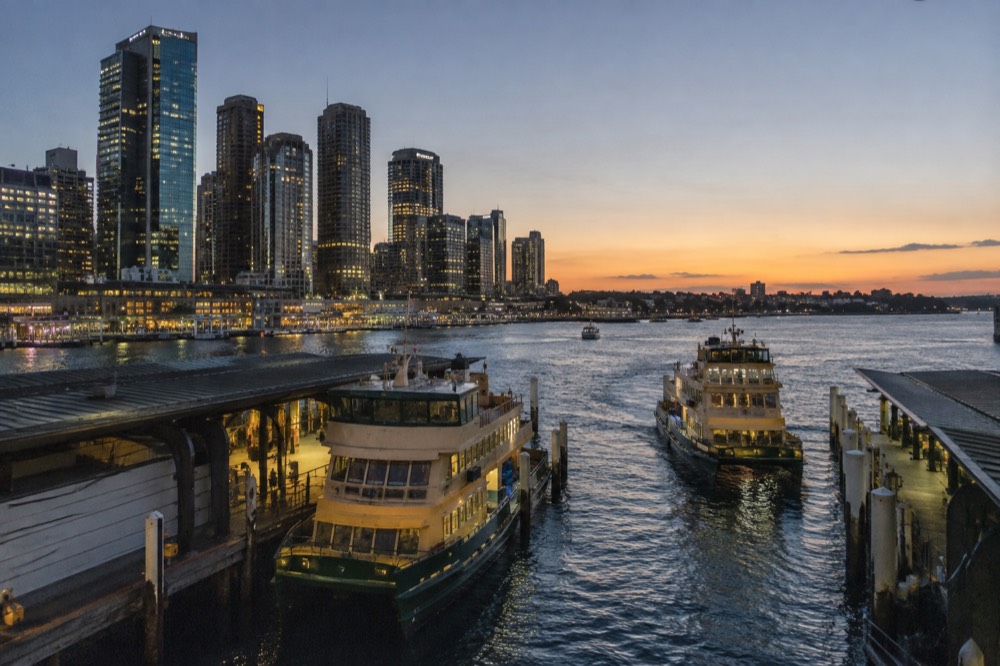
Most visitors to Sydney do not need a car, and a large share of them would be worse off with one. The city runs an integrated network of metro, trains, buses, light rail and ferries, all paid with one tap of an Opal card or a contactless bank card, with daily fare caps that make heavy sightseeing days cheap. The central business district is compact and walkable, the harbour is a transport corridor in its own right, and the headline destinations, Bondi, Manly, the Blue Mountains, are all reachable without touching a steering wheel.
The exceptions are narrower than most people assume. A car earns its keep if you are touring the Hunter Valley wineries on your own schedule, chasing multiple beaches along the Northern Beaches in one day, or exploring the Royal National Park beyond the rail-served edges. Even then, organised day tours cover the first and last of those, and the train handles plenty of the rest. This page walks through the honest maths.
Do I Need a Car in Sydney?
No, you do not need a car in Sydney for a typical visit of one to seven days. The metro, trains, buses, light rail and ferries reach the CBD, Bondi, Manly, Parramatta and the Blue Mountains, and an adult's public transport spending is capped at $19.30 a day from Monday to Thursday and $9.65 from Friday to Sunday. A hire car adds parking costs and harbour-bridge-tunnel tolls that most visitors never budget for.
The reason is structural, not just good luck. Sydney's geography funnels almost everything a visitor wants to see along a corridor between the harbour and the coast, and that corridor is the best-served transport spine in the country. The F1 ferry to Manly costs $9.20 one way on an adult Opal card and is itself one of the city's best experiences. The train to Katoomba in the Blue Mountains departs from Central and drops you walking distance from the Three Sisters lookouts. Bondi is a bus and two stops of walking from Bondi Junction station, which is a train from the city centre.
Driving in the same places means paying for parking, often more than the return fare for two people, and then walking anyway because the streets near the water were laid out long before cars. The Sydney Travel Guide position is simple: start car-free, and only rent for a specific trip that genuinely needs wheels.
What Does Public Transport Actually Cover?
Practically everything on a first-time itinerary. The metro and train network links the airport, the CBD, Bondi Junction, Parramatta and the Blue Mountains; buses fill the eastern and northern beach suburbs; ferries run routes F1 to F10 across the harbour; and light rail connects Central to Darling Harbour, Surry Hills and Randwick. One contactless card tap pays for all of it, with a $50 weekly cap if your visit runs long.
The airport connection sets the tone for the whole trip. Trains run from both Domestic and International stations to the city, though the airport station access fee of $18.61 per adult sits on top of the fare and outside the daily caps, which is why the 400 bus, which carries no access fee, is the budget alternative. Once you are in town, the fare system works in your favour: a contactless bank card is charged exactly what an adult Opal card is charged, caps included, so there is no card to buy and no queue at a machine. Transport for NSW sets out the details on its visitor payment guide.
A few specifics worth knowing before you plan:
| Trip | Car-free option | Approximate adult fare |
|---|---|---|
| Airport to CBD | Train plus station access fee | Fare plus $18.61 access fee |
| CBD to Manly | F1 ferry from Circular Quay | $9.20 one way |
| CBD to Bondi Beach | Train to Bondi Junction, then bus | Under $5 |
| CBD to Taronga Zoo | F2 ferry from Circular Quay | $7.35 ferry band fare |
| CBD to Blue Mountains | Train from Central to Katoomba | Off-peak discount applies on weekends |
The 30% off-peak discount applies on metro, train, bus and light rail on Fridays, weekends and public holidays, which means a Saturday of heavy sightseeing is often your cheapest transport day of the week. Ferries do not get the discount, but they are capped with everything else.
One trap: the privately operated Manly Fast Ferry accepts Opal cards through OpalPay but charges different fares, and the Opal caps and transfer discounts do not apply on it. The public F1 ferry is the one that counts toward your daily cap. Our Sydney ferries guide breaks down the routes, and the Opal card guide for visitors covers the payment side in full.
Where Does a Car Actually Win?
A car wins on three kinds of trips: wine touring in the Hunter Valley, where cellar doors are spread out and you should not be the one driving anyway; multi-stop exploring of the Northern Beaches or the Royal National Park beyond the ferry and train edges; and itineraries that bundle several regional towns into one day. For everything inside the metropolitan fare zone, the car is slower and dearer than the network.
The Hunter Valley case is worth spelling out because it cuts both ways. The wineries are genuinely impractical without wheels, they sit behind a two-hour drive and there is no train, so people book a car. But the person who drives cannot taste, which is why organised wine tours are the standard answer even among drivers. A Blue Mountains day trip works the same way: the train gets you to Katoomba comfortably, but a tour bus moves you between Scenic World, lookouts and a wildlife park without the parking hunt, and several of the best options are in our Blue Mountains day trip guide.
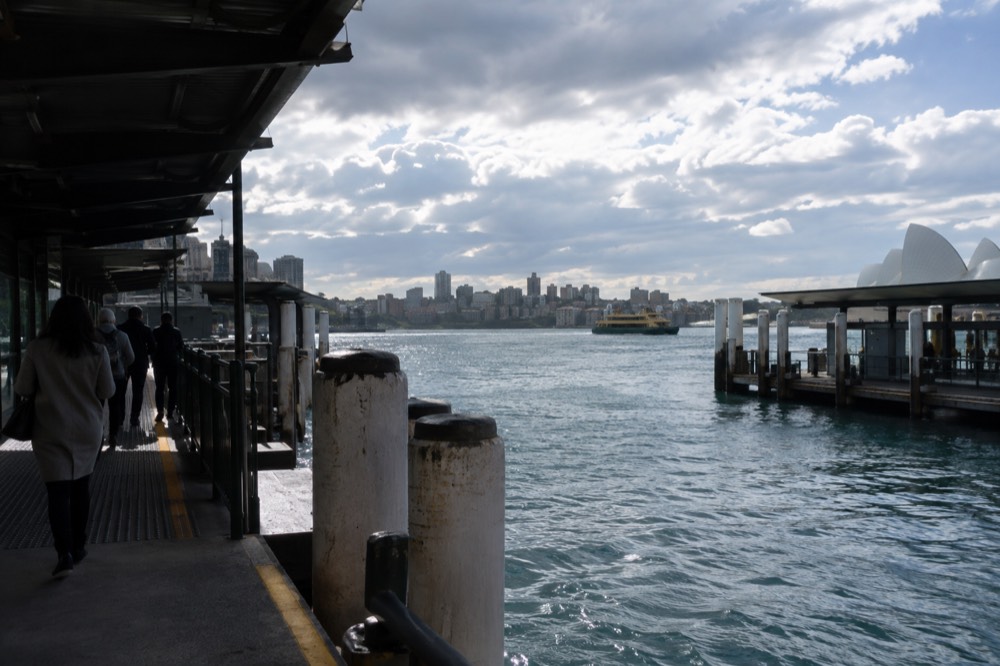
The Royal National Park charges $12 per vehicle per day, and that fee disappears entirely if you arrive on foot, by bike or by train to stations like Cronulla on the park's edge. That is a rare case where the car-free option is both cheaper and simpler.
If you do drive, note that private e-scooters remain illegal on NSW roads, footpaths and bike lanes, and parking around the eastern beaches on a summer weekend is a genuine problem with no cheap answer. The day trips from Sydney without a car page lists the regional destinations the network reaches directly.
Is Parking and Tolling the Hidden Cost?
Yes. Beyond the daily hire rate, a Sydney car attracts CBD parking that can exceed the entire day's public transport cap on its own, plus tolls on the Harbour Bridge, Harbour Tunnel, Eastern Distributor and the airport link roads, and these are charged to the vehicle, not per person. Two travellers on capped Opal fares will almost never lose that comparison inside the city.
The daily caps make the maths blunt. Two adults travelling together on a Friday, Saturday or Sunday spend no more than $19.30 on all-day, all-network transport combined, less than many single CBD parking sessions. Even on the dearer Monday-to-Thursday cap of $19.30 per person, the comparison only favours the car if you are going somewhere the network does not, which loops back to the short list above. Toll roads add a per-trip charge every time you cross the harbour by car, while the ferry crossing of the same water counts toward your capped fare and comes with the best view in the city.
The honest summary is that a Sydney hire car is a rural tool being used in an urban setting, and the city punishes it. If a specific day genuinely needs one, rent for that day only rather than for the whole trip, and keep the car-free days capped and cheap.
How Do the Car-free Sightseeing Options Compare?
Favourably, and often better than driving, because the best Sydney experiences are either on the water or in pedestrian zones. The harbour sightseeing cruise, the Tower Eye observation deck and The Rocks walking tour together cover the water view, the aerial view and the historic street level, none of them reachable or improved by car, and all of them within a short walk of Circular Quay or a Town Hall train station.
That trio is worth comparing directly, because it shows how little a car would add:
| Experience | Format | Starting point | Car advantage |
|---|---|---|---|
| Harbour sightseeing cruise | 1 hour 30 minutes on the water | Circular Quay | None, there is no parking at the wharf |
| Sydney Tower Eye deck | Observation deck, open daily | CBD, near Town Hall | None, driving means paying CBD parking |
| The Rocks guided walk | 1 hour 30 minutes on foot | Circular Quay area | None, the area is pedestrian-oriented |
The Sydney sightseeing buses and Sydney walking tours pages extend the same logic: every product that sells well in this city sells because it removes a car from the equation, not because it needs one.
The sightseeing cruise deserves its solo mention here because it is the purest answer to the car question. It runs morning and afternoon from Darling Harbour and the Quay, it is a 1 hour 30 minute loop of the harbour's working and famous stretches, and it replaces exactly the kind of driving loop a visitor might otherwise attempt, the one where you spend an hour hunting for a parking spot with a water view and never find one.
Common Questions About Needing a Car in Sydney
Do I need a car in Sydney?
No. For a typical visit the metro, trains, buses, light rail and ferries cover the CBD, the beaches, Parramatta and the Blue Mountains, with adult daily fare caps of $19.30 Monday to Thursday and $9.65 from Friday to Sunday. A car only earns its keep for regional touring such as the Hunter Valley.
Is Sydney walkable without a car?
Yes. The central business district, The Rocks, Darling Harbour, Barangaroo, the Royal Botanic Garden Sydney and Woolloomooloo are all walkable from each other, and the ferry and train network carries you between the larger districts. Most first-time itineraries involve more walking than riding.
Can I get to Bondi Beach without a car?
Yes. Take a train to Bondi Junction, then a bus the short remaining distance to the beach. The whole trip costs under $5 on an adult fare and counts toward your daily cap, and it avoids the weekend parking problem entirely.
Can I do the Blue Mountains without a car?
Yes. Trains run from Central to Katoomba, and the town, the Three Sisters lookouts and many trailheads are walkable or bus-served from the station. Scenic World and the wider lookouts are easier on an organised day tour, but the train alone makes a car-free day trip entirely practical.
Is it worth [hiring a car](https://discovercars.tpk.ro/FvKIyzXW) for day trips from Sydney?
Only for specific destinations. The Hunter Valley wineries and the deeper parts of the Royal National Park suit a car. Port Stephens, Jervis Bay and Kiama are all covered by organised tours or reachable by train, so weigh the hire rate, fuel, tolls and parking against a tour ticket before committing.
Do I need an Opal card if I have no car?
No card purchase is required. A contactless bank card or phone wallet is charged exactly the same adult fares with the same caps and off-peak discounts. An Opal card is worth having for children's or concession fares, but adults can simply tap on and off.