Paddington Sydney: Terraces, Oxford Street and Weekend Markets
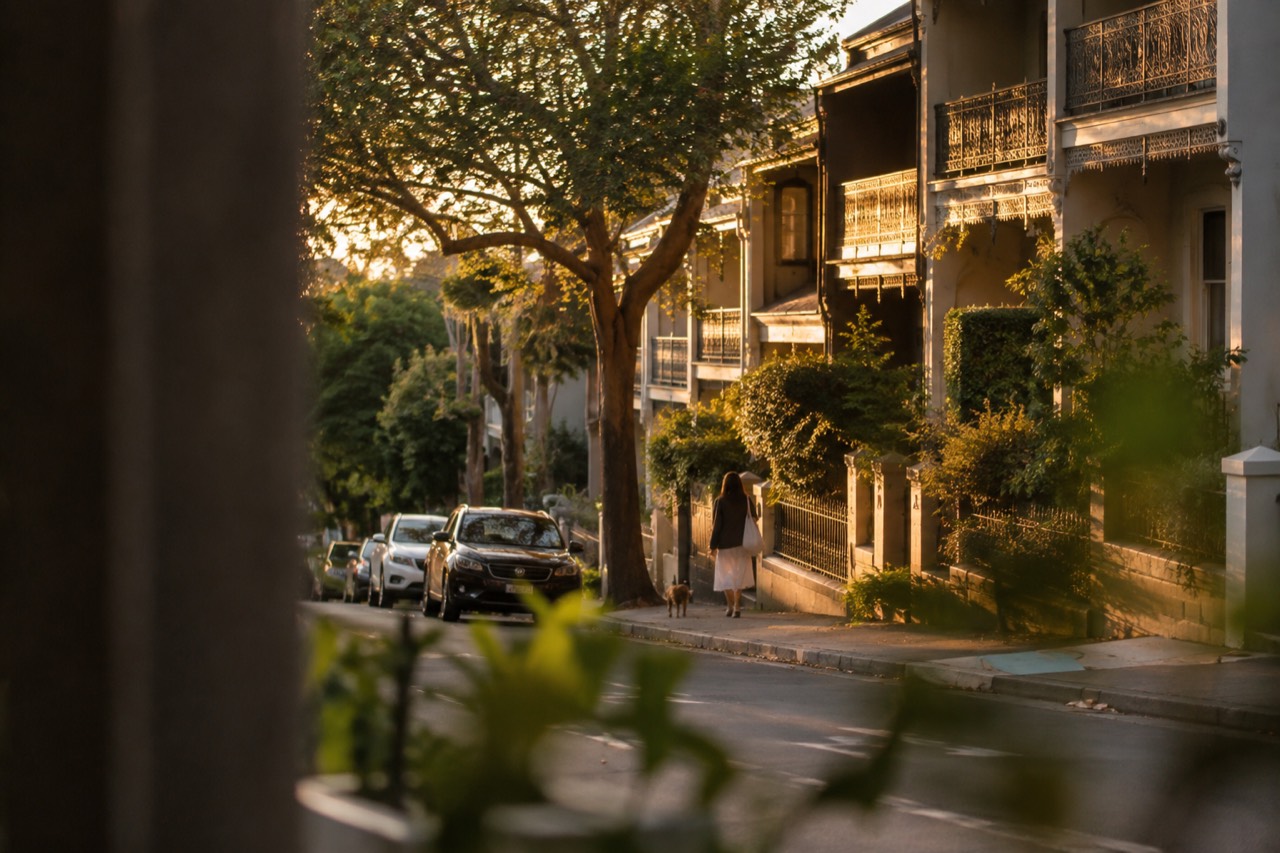
Paddington is Sydney's heritage terrace suburb: a grid of narrow streets lined with wrought-iron balconies, a famous weekend market, and an Oxford Street strip of pubs, cafés and boutiques a short bus ride east of the city centre.
Short answer
Paddington is a compact heritage suburb about 10 minutes east of the Sydney CBD by bus, known for its rows of Victorian terraces, the weekend Paddington Markets, Oxford Street's cafés and boutiques, and the nearby Sydney Cricket Ground. Entry costs nothing: the suburb itself is the attraction. Allow half a day, or a full day on a Saturday when the markets trade.
Paddington Sydney: Terraces, Oxford Street and Weekend Markets
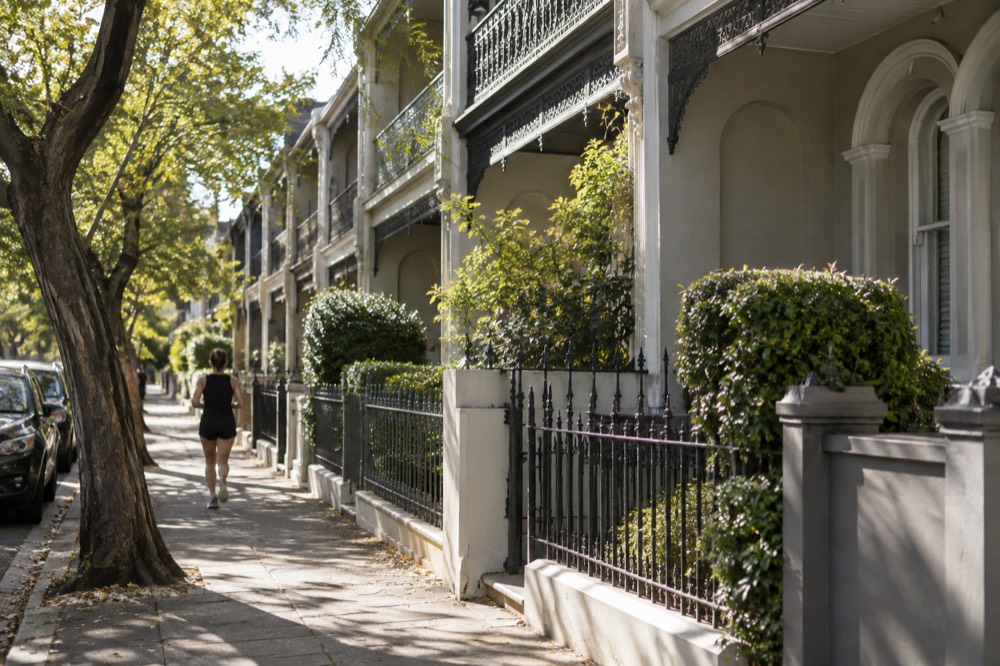
Paddington exists because of a wool boom. In the late nineteenth century this ridge east of the city filled with workers' cottages and grand terraces alike, and unlike most of Sydney's older suburbs it was never comprehensively flattened. Today it has one of the largest surviving collections of Victorian terrace housing in Australia, protected by heritage controls, and a street grid so narrow that most visitors park the idea of a car entirely and arrive by bus. The suburb runs along Oxford Street, the old road out to the coast, which gives Paddington a main street spine of pubs, cafés and boutiques with the quiet terrace lanes fanning out behind it. This guide, from the Sydney Travel Guide editorial desk, covers how to get there, what to actually do, where to eat and drink, and how Paddington compares with the other inner-city neighbourhoods visitors often weigh it against.
What Makes Paddington Worth Visiting?
Paddington's draw is concentrated heritage and street life rather than any single ticketed attraction. The suburb holds one of Australia's largest intact stretches of Victorian terrace housing, much of it decorated with cast-iron lacework, and its weekend markets, pub scene and boutique shopping give it more to do per square kilometre than almost anywhere in Sydney. There is no entry fee to any of it. You visit Paddington to walk, look, eat and browse, and a half day is usually enough.
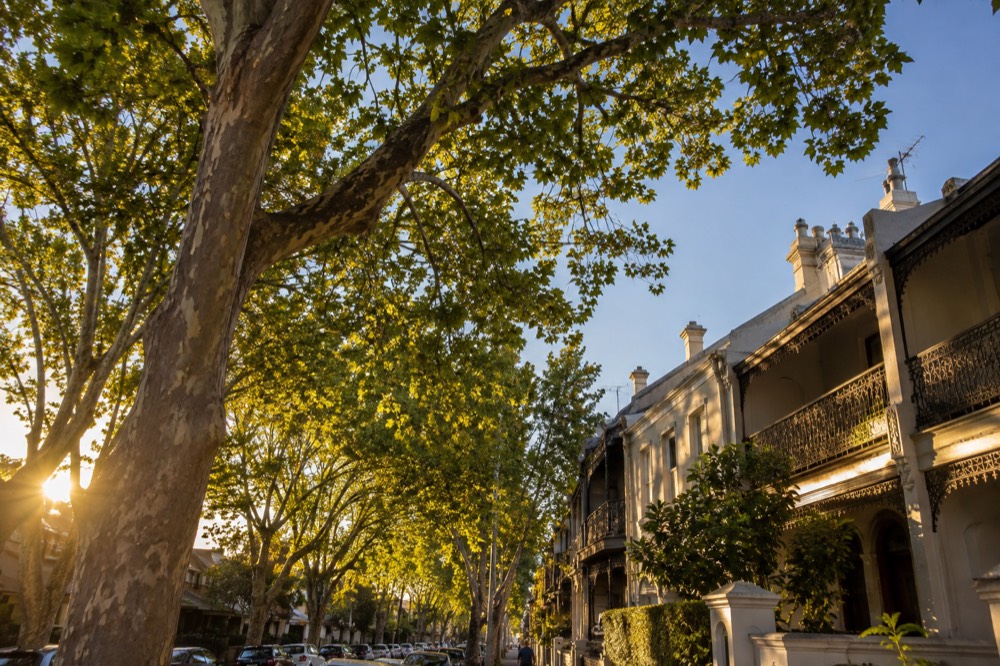
The terrace streets are the headline. Rows like those along Gipps Street and the lanes off Oxford Street show the full range of the form: single-storey workers' cottages, double-storey terraces with parapets and pediments, and the occasional grand residence with a carriage way. Heritage listing means the streetscapes have survived largely intact, which is rare in a city that rebuilt so much of its centre during the postwar decades. Photographers tend to gravitate here for exactly that reason, and our piece on Sydney's best photography spots places several Paddington lanes on the list.
The second reason is Oxford Street itself. It is one of Sydney's oldest roads, originally the route from the city to the coast at Bondi, and it still functions as the suburb's high street. The Paddington stretch mixes long-standing pubs, independent boutiques, galleries and cafés in a way few Sydney main roads manage. It also connects the suburb to its neighbours: follow it west and you reach Darlinghurst and the city; follow it east and you are on the way to Bondi Beach, which sits in the same eastern suburbs sweep covered in our Sydney Eastern Suburbs guide.
The third reason is the atmosphere on weekends. Saturday is when the suburb is at its liveliest, with the markets trading and the pub verandas filling from late morning. Come on a weekday and you get quieter streets and easier photographs; come on a Saturday and you get the suburb at full volume. Neither is wrong, but they are different experiences, and it is worth knowing which you are choosing before you plan the day.
How Do You Get to Paddington?
The simplest way in is by bus along Oxford Street from the city centre, which takes roughly 10 minutes and costs from $3.30 peak or $2.31 off-peak on an adult Opal or contactless card. There is no train station in Paddington itself; the nearest train stations sit at the suburb's edges at Central and Edgecliff. Most visitors simply tap a card on an Oxford Street bus and tap off near the Paddington Town Hall.
Driving is possible, but the narrow streets make parking the harder half of the trip.
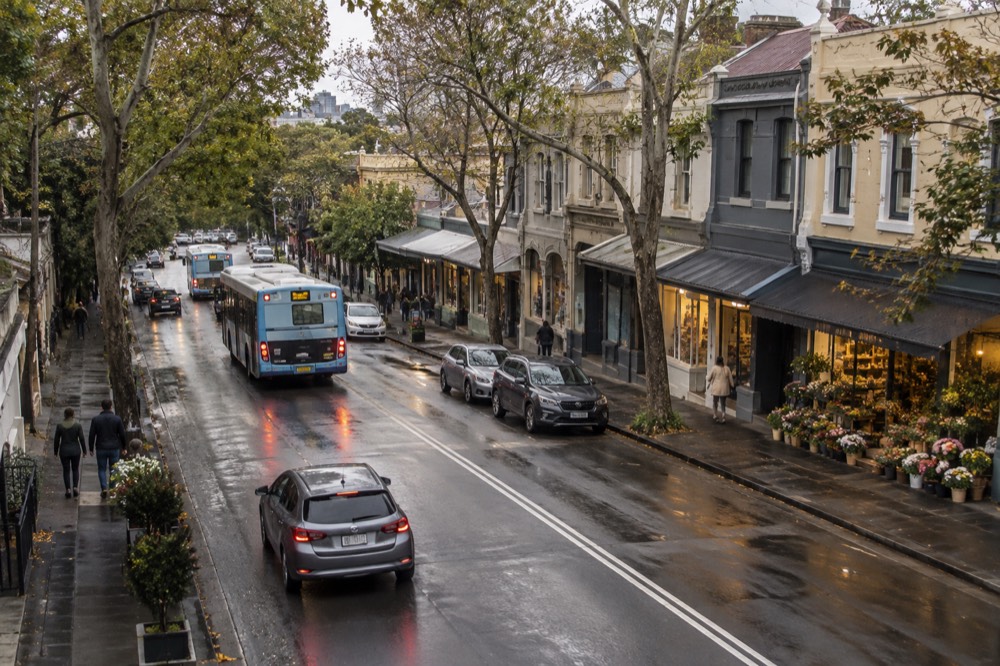
Oxford Street is the bus corridor, and it is the reason Paddington is easier to reach than its lack of a station suggests. Multiple routes run the length of the street between the CBD and the eastern beaches, so you rarely wait long. Fares are distance-based: the trip from the city centre falls in the shortest bus band, and the 30% off-peak discount applies on Fridays, weekends, public holidays and outside peak times. The current bands and caps are published by Transport for NSW on its adult fares page, and the same figures apply whether you tap an Opal card or a contactless credit card or device. Our Opal card guide for visitors explains the caps in detail.
If you are coming from the harbour side, the Eastern Suburbs train line stops at Edgecliff, from where it is a short bus hop or a walkable distance up into Paddington. From the west, Central Station sits at the bottom of the suburb's slope. Neither is door-to-door, so for most itineraries the bus wins. The one trip worth planning around is the ferry connection: arrive by ferry to Circular Quay, spend the morning there, then catch an Oxford Street bus east.
| Option | Route | Adult fare (Opal/contactless) | Notes |
|---|---|---|---|
| Bus along Oxford Street | City centre to Paddington, shortest band | $3.30 peak / $2.31 off-peak | Most frequent option; multiple routes |
| Train plus bus | Eastern Suburbs line to Edgecliff, then bus or walk | $4.33 peak / $3.03 off-peak (0-10 km train band) plus bus fare | Useful from Bondi Junction side |
| Walk from Central Station | Up through Darlinghurst to Paddington | free | Roughly half an hour uphill; passes Surry Hills |
| Taxi or rideshare | Door to door | metered | Avoid if you can; the streets are narrow and parking scarce |
One practical note: the daily Opal cap is $9.65 on Fridays, weekends and public holidays, and $19.30 Monday to Thursday, so a day that combines Paddington with buses elsewhere in the city will not spiral in cost. Tap off when you leave the bus, or you are charged the default maximum fare for the route.
What Are the Best Things to Do in Paddington?
The four Paddington essentials are walking the terrace streets, browsing the weekend markets, drinking at one of the corner pubs with a veranda, and shopping the independent boutiques along Oxford Street and William Street. All four are free to enter, and all four sit within a few minutes' walk of each other. Add the nearby Sydney Cricket Ground on a match day and a half-day visit fills easily. Nothing here needs a ticket, which is exactly why the suburb works for travellers on a budget.
Start with the streets themselves. Paddington's grid rewards aimlessness: the lanes between Oxford Street and the ridge repeat the terrace form with endless small variations, and the heritage streetscapes mean the photographs look like the Sydney of a century ago rather than the Sydney of a development brochure. Visitors who enjoy this usually also enjoy our round-up of Sydney's hidden gems, several of which sit within walking distance of Paddington's boundaries.
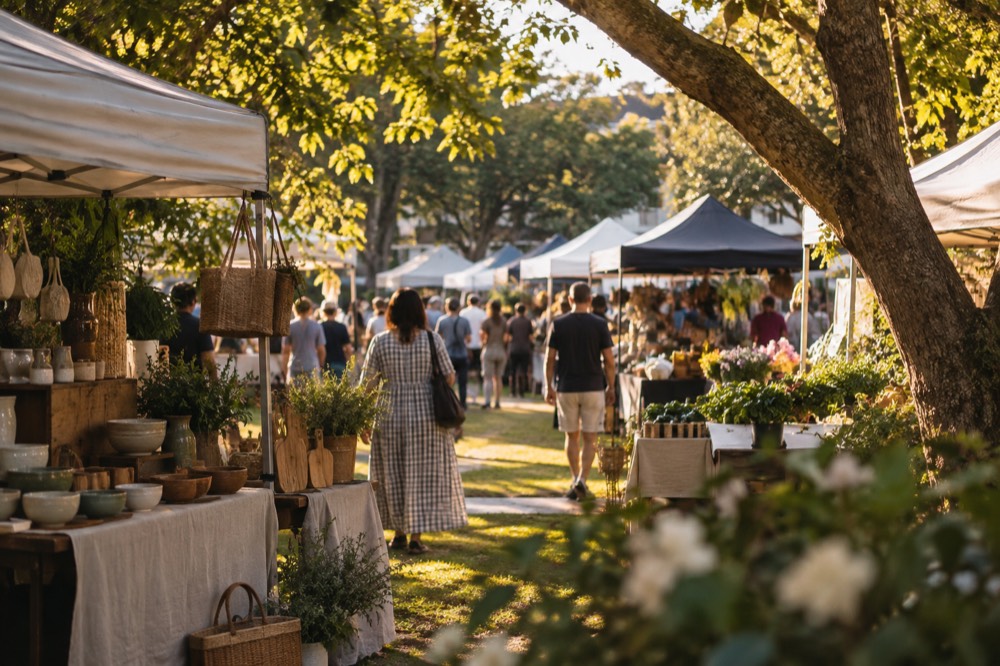
The weekend markets are the suburb's signature event. Paddington Markets has run on Saturdays for decades, filling a church grounds off Oxford Street with stalls from designers, artists and food makers. It is a craft and design market rather than a flea market, so the bias is toward things made locally. Trading days and stall line-ups change, so check the current schedule before you build a day around it, but a Saturday visit without the market would feel like half the suburb was asleep.
The pubs deserve their own paragraph. Paddington's corner hotels, several of them dating from the terrace era, are among the most photographed in Sydney because of their wrought-iron verandas hanging over the street corners. A long lunch on a pub veranda is a genuinely Paddington activity, and our Sydney bars and pubs guide covers how Sydney's licensing and pub culture works for visitors. If you want the same historic-streets experience with a guide narrating it, the Rocks guided walking tour does for Sydney's oldest neighbourhood what a good Paddington wander does here, with a local guide walking you through colonial-era lanes.
For shoppers, Oxford Street's Paddington stretch is one of the few Sydney retail strips still dominated by independents rather than chains, and William Street has built a reputation as a small concentrated design precinct. Our broader shopping in Sydney guide puts the suburb in context against the Queen Victoria Building and the bigger malls.
| Activity | What it is | Cost | Best time |
|---|---|---|---|
| Terrace street walk | Heritage Victorian terraces and lanes | free | Morning light, weekdays for quiet |
| Paddington Markets | Saturday craft and design market in church grounds | free entry | Saturday |
| Oxford Street boutiques | Independent fashion, design and galleries | free to browse | Saturday or Sunday |
| Corner pub veranda | Historic hotel balconies over street corners | pay as you go | Weekend afternoons |
| Sydney Cricket Ground | Historic sports ground adjacent to the suburb | ticketed on event days | Check the fixture list |
If you are pairing Paddington with a guided experience elsewhere in the city, these three are the natural fits for this part of town.
Where Should You Eat and Drink in Paddington?
Paddington eats above its size: a dense run of cafés along Oxford Street and its side lanes, long-standing bistro and pub kitchens, and a cluster of restaurants that punch into the city's top tier. Brunch is a local institution, the pub dining rooms cover everything from cheap parmas to serious steak, and dinner tends toward compact, booked-out rooms rather than big casual halls. Book ahead for weekend dinners. Walk-ins are fine for brunch on weekdays but not always on Saturdays.
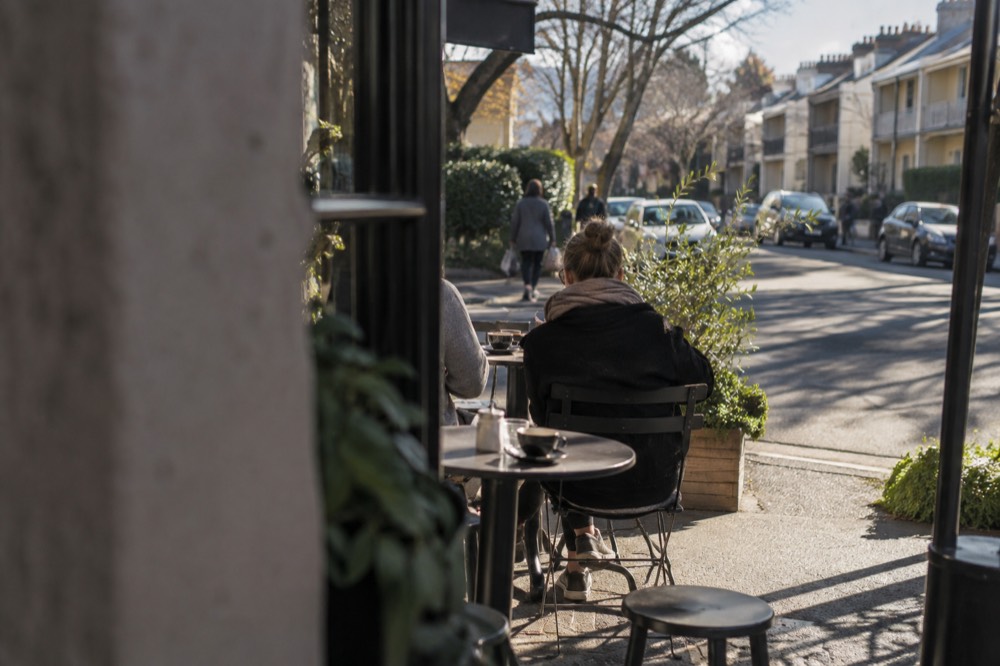
The brunch scene here is a genuine reason to come on a weekend morning. Paddington's cafés sit among the best covered in our Sydney brunch spots guide, and the flat-white-and-terrace-street combination is about as Sydney as a morning gets. Coffee culture is not decorative in this suburb; queues form, and they form early. If you are mapping the city's café landscape more broadly, our Sydney coffee guide explains what to order and how the scene is structured.
Dinner is where booking matters. The suburb's dining rooms are small by design, heritage floor plates being what they are, and the good ones fill. For a structured introduction to how Sydney eats generally, the six-tasting food tour through Secret Food Tours is a useful counterpoint to Paddington's individual restaurants, walking you through a neighbourhood's food culture with six tastings along the way.
Should you build a full eating day around the suburb? Pair brunch in Paddington with a pub lunch, then finish elsewhere in the evening. Our best restaurants in Sydney round-up covers the citywide picture, and Paddington's entries there are best treated as one course of a wider crawl rather than the whole meal.
When Is the Best Time to Visit Paddington?
Any month works, because Paddington is a fair-weather suburb that also functions in rain: terraces photograph in any light, the pubs and cafés are indoors, and the markets run on Saturdays year-round. The climate data favours the shoulder seasons, with April and May, and September through November, offering warm days, fewer rain days and thinner crowds than the December-to-February peak. August is statistically Sydney's clearest month, with 13.4 mean clear days on the long-run record.
The numbers behind that come from the Bureau of Meteorology's long-term normals for Sydney, which are averages across more than a century and a half of records, not a forecast for your week. Two facts from that record surprise most visitors. First, June is Sydney's wettest month on average, at 133.1 mm, wetter than any summer month; rainfall here peaks in autumn and early winter, not in the December-to-February summer. Second, February, the middle of peak tourist season, is statistically Sydney's cloudiest month, with just 5.3 mean clear days, while August tops the year at 13.4. The full table is published by the Bureau of Meteorology for Sydney's Observatory Hill station.
| Month | Mean daily max (°C) | Mean daily min (°C) | Mean rainfall (mm) | Mean rain days (≥1 mm) |
|---|---|---|---|---|
| January | 26.0 | 18.8 | 101.2 | 8.6 |
| February | 25.8 | 18.9 | 119.3 | 9.0 |
| March | 24.8 | 17.6 | 131.6 | 9.9 |
| April | 22.5 | 14.8 | 126.5 | 8.9 |
| May | 19.5 | 11.6 | 117.4 | 8.6 |
| June | 17.0 | 9.3 | 133.1 | 8.8 |
| July | 16.4 | 8.1 | 96.3 | 7.4 |
| August | 17.9 | 9.0 | 80.2 | 7.1 |
| September | 20.1 | 11.1 | 68.1 | 7.1 |
| October | 22.2 | 13.6 | 76.7 | 7.9 |
| November | 23.7 | 15.7 | 83.8 | 8.3 |
| December | 25.3 | 17.6 | 77.1 | 7.9 |
For Paddington specifically, the practical read is this: the terrace streets and markets need no particular weather, so the season matters less than the day of the week. A wet Saturday still delivers the markets and the pub verandas; a sunny Tuesday delivers empty lanes and better photographs. If you want both, aim for a shoulder-season Saturday. Our best time to visit Sydney guide and the month-by-month breakdown in Sydney weather month by month go deeper on the citywide picture, including the winter months covered in Sydney in winter.
How Does Paddington Compare with Surry Hills and Newtown?
Paddington is the heritage-and-boutique option of the three: more terrace streets, more polished shopping, and higher prices, with a quieter nightlife than Surry Hills and a smaller, more local alternative scene than Newtown. Surry Hills wins on restaurant density and bars, Newtown on cheap eats and a rougher, more studenty energy. All three sit within a short bus or walk of each other, so choosing is really about what you want your evenings to feel like.
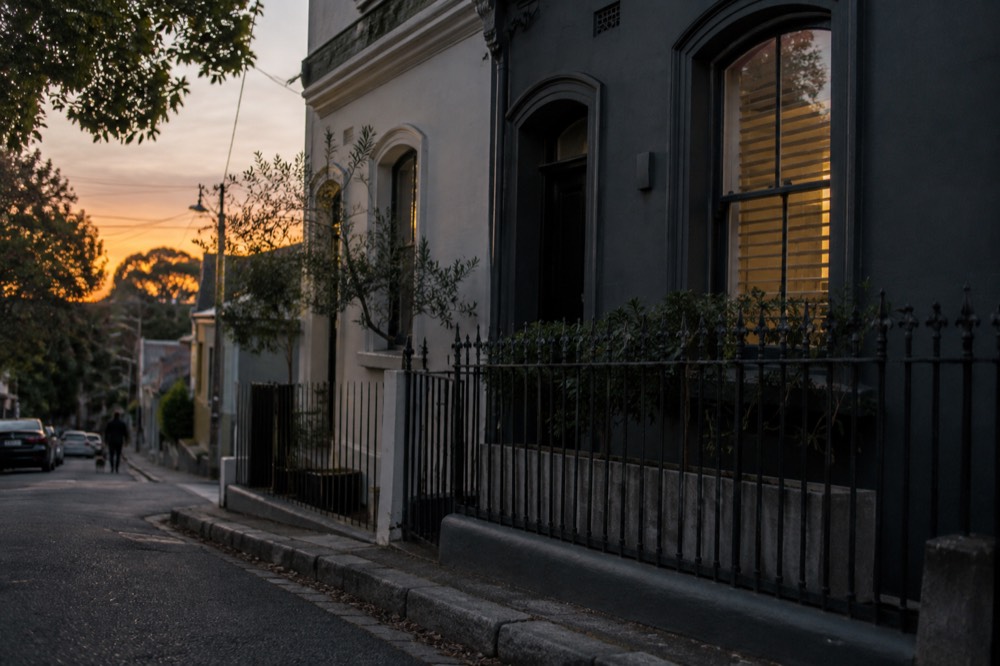
The honest framing is that all three are inner-city heritage suburbs with good food and no attractions that charge admission. The differences are of degree and flavour. Paddington's terrace stock is the most intact and the most uniform, its retail is the most design-oriented, and its pub scene skews to long lunches rather than late nights. Surry Hills, covered in our Surry Hills guide, is the food-and-drink leader of the three, with a denser run of restaurants and small bars. Newtown, in our Newtown guide, is the cheapest and the loosest, a long street of cheap eats, music venues and op shops with a university crowd keeping it loud.
| Suburb | Known for | Best for | Weekend highlight | Nightlife character |
|---|---|---|---|---|
| Paddington | Victorian terraces, design boutiques, markets | Heritage wandering, shopping, long lunches | Saturday markets | Pub verandas, early nights |
| Surry Hills | Restaurants, small bars, café culture | Food-led trips, bar crawls | Brunch queues | Busiest of the three |
| Newtown | Cheap eats, music venues, op shops | Budget travel, alternative scene | King Street browsing | Loud and late |
| Glebe | Bookshops, markets, student vibe | Low-key browsing | Saturday Glebe Markets | Quietest of the four |
Glebe, just to the west, is the fourth name that belongs in this conversation; our Glebe guide covers its Saturday markets and bookshop strip. If you are basing yourself in one of these suburbs, our [where to stay](https://booking.tpk.ro/ndznHj9h) in Sydney guide weighs them against the CBD and the beach suburbs.
What Can You Pair with Paddington for a Full Day?
Paddington slots naturally into three bigger days. East, it sits on the road to Bondi Beach, so terrace-lane photographs in the morning and the coast in the afternoon is the classic pairing. West, it is a short bus from the city centre and The Rocks, so a morning of colonial history followed by an afternoon of boutiques works without backtracking. For a bigger swing, the Blue Mountains day tours run about 10 hours, so Paddington works best as the day before or after rather than the same day.
The Bondi pairing is the most popular. An Oxford Street bus runs you from Paddington's terraces to the beach, and the same corridor connects onward to the coastal walk. If you are building that day, our Bondi to Coogee coastal walk guide covers the route, and remember the safety basics from our best beaches in Sydney round-up: swim between the red and yellow flags at a patrolled beach, and check water-quality advice after heavy rain, because ocean beaches are best avoided for up to a day after a big storm and harbour swim sites for up to three days.
The Rocks pairing suits a first day in the city. Sydney's oldest neighbourhood sits at the harbour end of the same eastward road, and its convict-era lanes are the historical counterweight to Paddington's boom-era terraces. Our The Rocks guide covers it in full, and a guided walk there is the easiest way to hear the stories rather than guess at them.
The Blue Mountains is the third pairing, and it works differently: the all-inclusive Blue Mountains day tour with a local guide runs about 10 hours, so it consumes a whole day by itself. The sensible pattern is to use Paddington as your base neighbourhood, spend a market Saturday here, and give the mountains their own full day.
If you are still sketching the wider itinerary, our day trips from Sydney round-up covers the mountains alongside the Hunter Valley and the Royal National Park, and Sydney for first-timers sequences a first visit end to end.
Before you finalise anything, these are the three tours that pair best with a Paddington-based stay.
Common Questions About Paddington Sydney
Is Paddington worth visiting?
Yes, if heritage streets, markets and good food appeal to you. Paddington has no ticketed attraction; the suburb itself is the sight, with one of Australia's largest intact collections of Victorian terraces, a Saturday design market, and a strong café and pub scene. Allow half a day, or a full Saturday.
How do I get to Paddington from the city centre?
Catch any Oxford Street bus east from the CBD and tap off near Paddington Town Hall. The trip takes roughly 10 minutes and costs from $3.30 peak or $2.31 off-peak with an Opal card or contactless card. There is no train station in the suburb itself; Edgecliff and Central sit at its edges.
What is Paddington famous for?
Victorian terrace houses with cast-iron lacework, the Saturday Paddington Markets, the Oxford Street boutique strip, and historic corner pubs with verandas over the street corners. The Sydney Cricket Ground sits adjacent to the suburb.
When do the Paddington Markets run?
Paddington Markets has traded on Saturdays for decades, filling church grounds off Oxford Street with design, art and food stalls. Trading days and stall line-ups change, so check the current schedule before you plan a trip around them.
Is Paddington or Surry Hills better for food?
Surry Hills has the denser restaurant and small-bar scene; Paddington has the stronger brunch and pub-lunch culture plus the more attractive streets to walk afterwards. For a food-led trip, stay in Surry Hills and visit Paddington; for photographs and markets, do the reverse.
Can you walk from Paddington to Bondi Beach?
You can, following Oxford Street east and then downhill to the coast, and many locals jog or walk variations of it. For a visit, the bus along the same corridor is quicker and leaves more energy for the beach and the coastal walk itself.