The Best Restaurants in Sydney: Where to Actually Eat
Sydney's restaurant scene runs from Opera House-adjacent fine dining to barefoot fish and chips, and the best tables are rarely the ones a first search suggests.
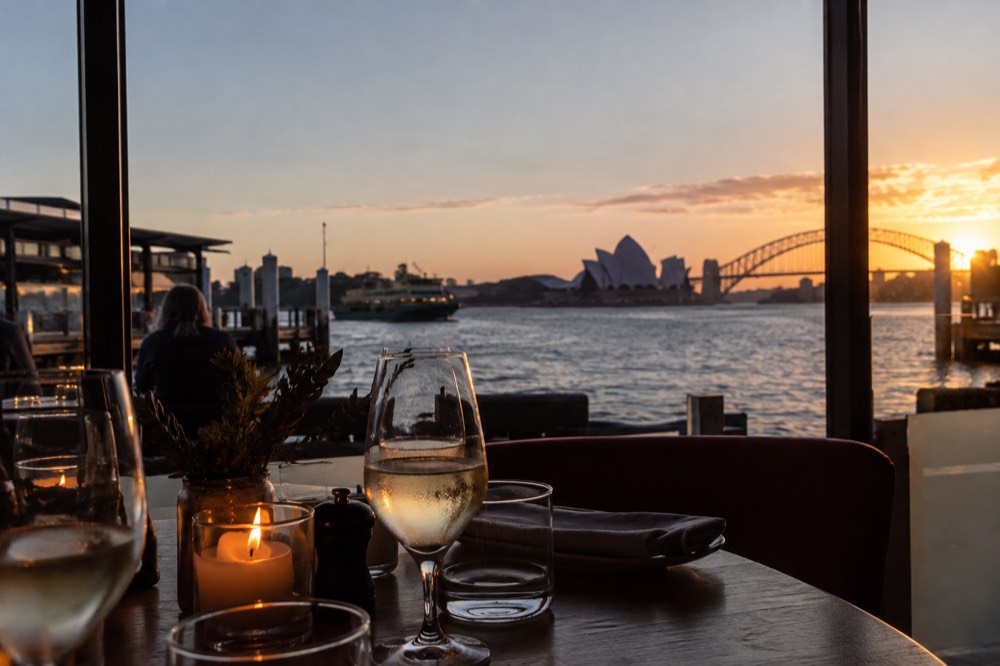
Short answer
Sydney's best restaurants cluster around the harbour, The Rocks, Surry Hills and Chinatown. Expect fine dining to need booking weeks ahead, casual spots to take walk-ins, and the strongest food to sit in the inner west and east rather than the tourist core. A mid-range dinner typically costs A$40-80 a head before drinks.
Sydney feeds more people than almost any city in the country, and it feeds them well. The city's year ended March 2026 saw 67.5 million visitors, and a striking share of what they spend goes on food: Destination NSW puts total visitor expenditure at $34.7 billion for that year, and restaurant tables across the harbour city absorb a healthy slice of it. The scene itself is built on immigration, coastal produce and an unreasonable quantity of very good harbour views, which means the honest answer to "where should I eat" depends less on a single best restaurant and more on which Sydney you are standing in.
This guide breaks the scene down the way locals actually use it: by occasion, by neighbourhood, by budget and by how far ahead you need to book. It also flags the bookable food experiences worth your money, including the six-tasting Secret Food Tours walk that doubles as a shortcut through the city's eating neighbourhoods.
What Are the Best Restaurants in Sydney?
The best restaurants in Sydney split into three tiers: harbourside destination dining around Circular Quay and The Rocks, chef-driven modern Australian rooms in the inner city, and the suburban food strips of Newtown, Chatswood and Marrickville where much of the city's best cooking actually happens. Bennelong, Quay and Tetsuya's anchor the first tier. The second and third tiers change constantly, so treat any "best" list as a snapshot and book on the strength of a current menu.
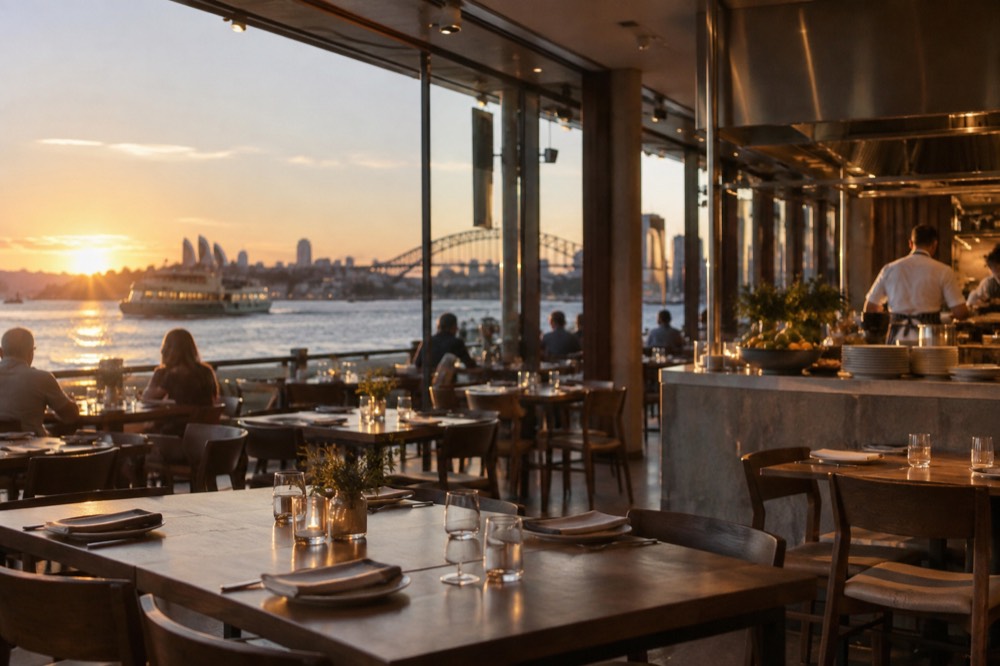
The harbourside icons earn their reputations. Bennelong sits inside the Sydney Opera House itself, so the building is as much the draw as the food, and Quay sits a short walk away with the Harbour Bridge framed in its windows. Tetsuya's, in a converted warehouse near Kent Street, has been the city's most booked Japanese-French tasting room for decades. These three hold their place on lists because they deliver an occasion rather than just dinner, and that is exactly what a traveller with one big night in the city is shopping for.
Below that tier sits the working heart of the scene. Surry Hills and neighbouring Darlinghurst hold a dense strip of chef-owned restaurants where the cooking is modern Australian with whatever the market had that morning. Paddington and Potts Point run smaller, more design-forward rooms. The inner west, particularly Newtown and Enmore, does casual food at scale: noodle bars, Thai, vegan diners and pub kitchens that out-cook their price point. Chatswood, on the North Shore, is where Sydney goes for serious northern Chinese and Korean food, and most visitors never make it there, which is a mistake worth correcting.
The useful framing is this: the closer a restaurant sits to Circular Quay, the more of your bill is buying the view and the convenience. That is a legitimate purchase, once. The best value and the most interesting cooking sit ten to twenty minutes away by train or rideshare, in the neighbourhoods where Sydneysiders eat on a Tuesday. Our broader Sydney food guide covers the city's food culture in depth if you want the full picture.
Which Sydney Restaurants Are Worth a Special-occasion Booking?
For a splurge, Bennelong inside the Opera House, Quay at the Overseas Passenger Terminal and Tetsuya's are the three bookings that define Sydney fine dining. All three run tasting menus, all three book out well ahead, and all three sit within a short walk of Circular Quay. If you want the harbour without the fine-dining bill, a waterside bistro in The Rocks or a dinner cruise on the harbour delivers the setting at a fraction of the price.
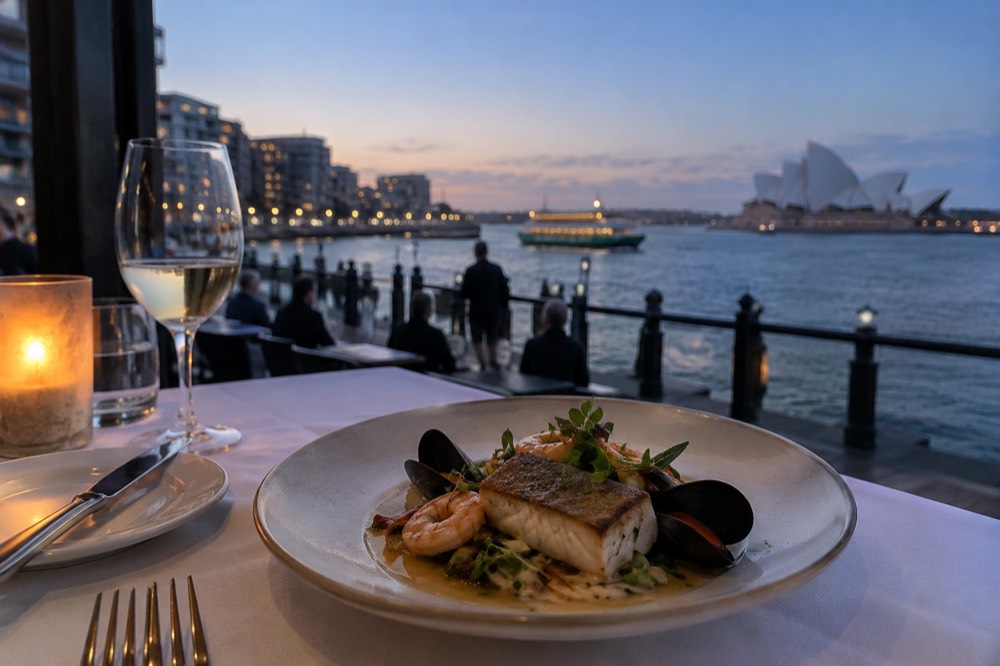
The special-occasion tier is genuinely world class, and it is also the tier where planning matters most. Tasting menus at the top rooms run long, often three hours, so book a table for a night without a dawn start. Dietary requirements need to be flagged at booking, not at the table. And because the headline rooms hold few covers, a Saturday table can be gone a month out, especially across the December and January summer holidays when domestic travel peaks.
The middle tier of occasions is where Sydney quietly excels. A string of restaurants around Potts Point, Woolloomooloo and the city's east do polished bistro cooking with harbour-adjacent settings and mains well below the big three's per-head cost. The Rocks holds historic pub dining rooms that pair a sandstone-walled setting with straightforward modern menus, and our guide to The Rocks maps the neighbourhood if you are basing yourself there.
| Restaurant | Cuisine | Setting | Best for |
|---|---|---|---|
| Bennelong | Modern Australian | Inside the Sydney Opera House | The one-night splurge |
| Quay | Modern Australian | Overseas Passenger Terminal, bridge views | Tasting menu with the skyline |
| Tetsuya's | Japanese-French | Converted warehouse, Kent Street | A long, quiet degustation |
| The Rocks pub dining | Modern Australian | Historic sandstone pubs | Occasion without the bill |
| Potts Point bistros | European | Terrace-house streets | Pre-theatre polish |
If the setting is the thing you are actually buying, the harbour itself is on the menu. A three-course early dinner cruise from Darling Harbour moves the whole occasion onto the water, and it suits visitors who want the harbour at sunset without committing to a three-hour tasting room first. You can check availability for the dinner cruise alongside the restaurant options before deciding which way the evening goes.
Where Should You Eat by Neighbourhood?
Eat in Chinatown and Haymarket for cheap, excellent Asian food; Surry Hills and Darlinghurst for chef-driven modern Australian cooking; Newtown for casual and vegetarian food; Chatswood for Chinese and Korean; and The Rocks and Circular Quay only when the setting itself is the point. The ferry-friendly spots around Manly and Watsons Bay reward a trip with fish and chips on the sand.
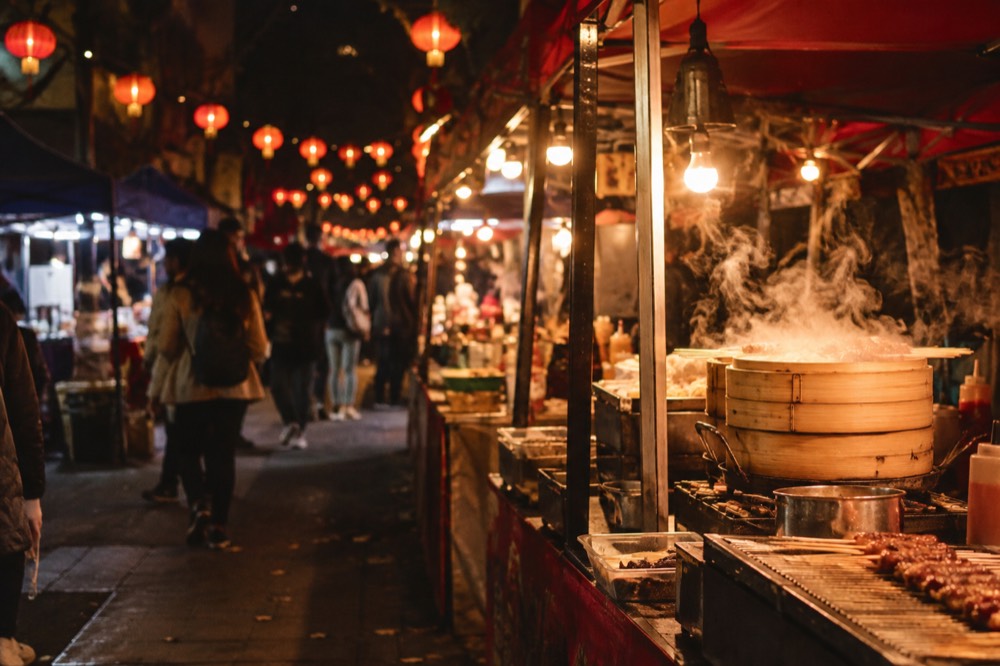
Chinatown is the city's most reliable cheap-eats engine, and it improves every year. Dixon Street's dining halls, the night markets and the surrounding Haymarket blocks hold Cantonese, Sichuan, Malaysian and Korean kitchens that feed students, chefs and tourists at the same laminate tables. Our Chinatown guide covers the precinct in full, including the late-night hours that make it the default post-theatre dinner stop.
Surry Hills is where Sydney's restaurant culture gets creative. Crown Street and its side streets hold a dense run of small rooms, wine bars and bakeries, and the suburb's cafe scene spills into an excellent brunch culture that our Sydney brunch spots guide tracks. Darlinghurst next door runs a little more polished and a little more expensive. Both are walkable from the city centre in twenty to thirty minutes, or one stop on the light rail.
The suburbs repay the trip. Newtown's King Street runs a kilometre and a half of Thai, vegan, noodle and pub food at prices the city centre gave up on years ago. Marrickville, further west, is the city's Vietnamese and brewery heartland. Chatswood, two train stops over the bridge, holds some of the best northern Chinese food in the country. And the coastal eats matter too: Manly's beachside corridor and Watsons Bay's famous waterfront seafood spot both turn a ferry ride into dinner, and the Manly ferry guide tells you how to build the trip.
| Neighbourhood | The scene | Typical spend | Getting there |
|---|---|---|---|
| Chinatown / Haymarket | Asian dining halls, night markets | Low | Walk from Town Hall |
| Surry Hills | Chef-owned restaurants, wine bars | Mid | Walk or light rail |
| Darlinghurst | Polished bistros, small bars | Mid to high | Walk from the city |
| Newtown | Casual, Thai, vegetarian | Low to mid | Train to Newtown |
| Chatswood | Chinese and Korean dining | Low to mid | Train, 15 minutes |
| Manly | Beachside seafood, pubs | Mid | Ferry from Circular Quay |
A guided food tour is the efficient way to sample several of these neighbourhoods in one sitting. The six-tasting Secret Food Tours walk runs about three and a half hours through central eating streets, and it works well on a first or second day because it doubles as an orientation to the city's food geography.
The tour also earns its keep as a booking decision. Six tastings across three and a half hours covers more ground than a single restaurant dinner ever could, and the guide's commentary fills in the history of each eating street as you go. For visitors with only a few nights in the city, it converts one evening into a working map of where to return.
How Much Does a Meal Cost in Sydney?
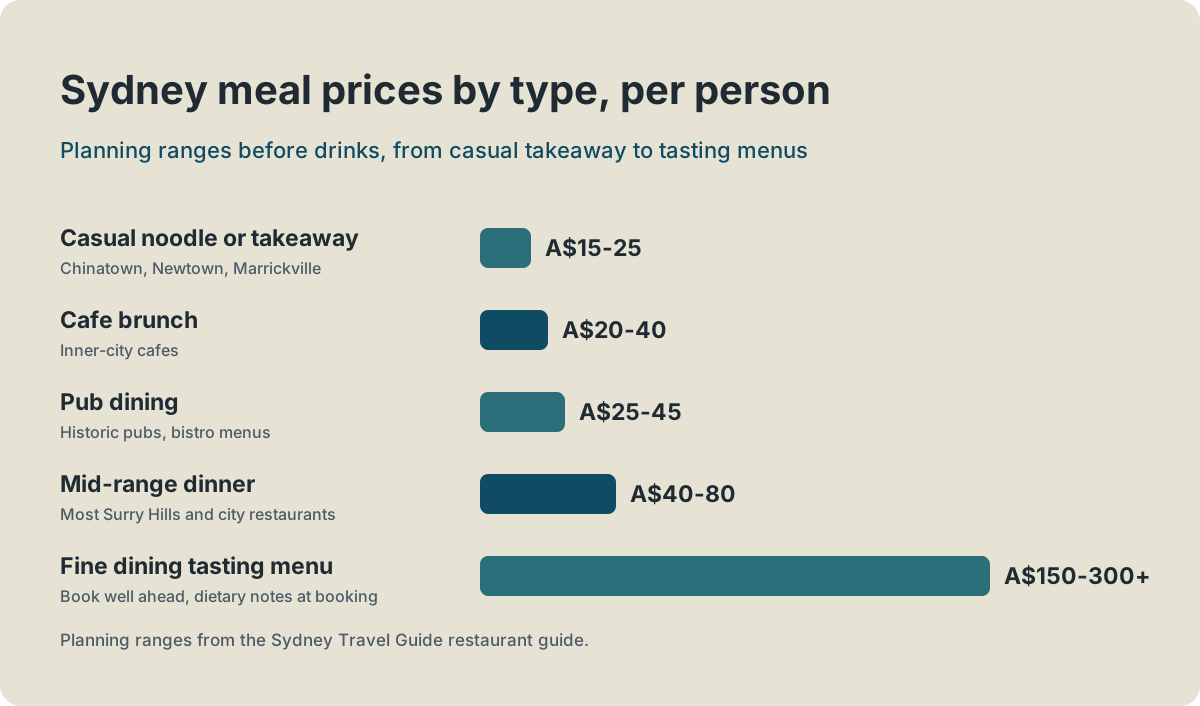
Plan on A$20-35 a head for a casual restaurant meal, A$40-80 for a mid-range dinner with a drink, and A$150-300-plus per person at the top tasting rooms, before drinks. Cafe brunch runs A$20-40. These are planning ranges rather than promises: menus move with the season, and every venue's current prices sit on its own site or listing. Sydney is expensive by world standards, but its cheap-eats tier is genuinely cheap.
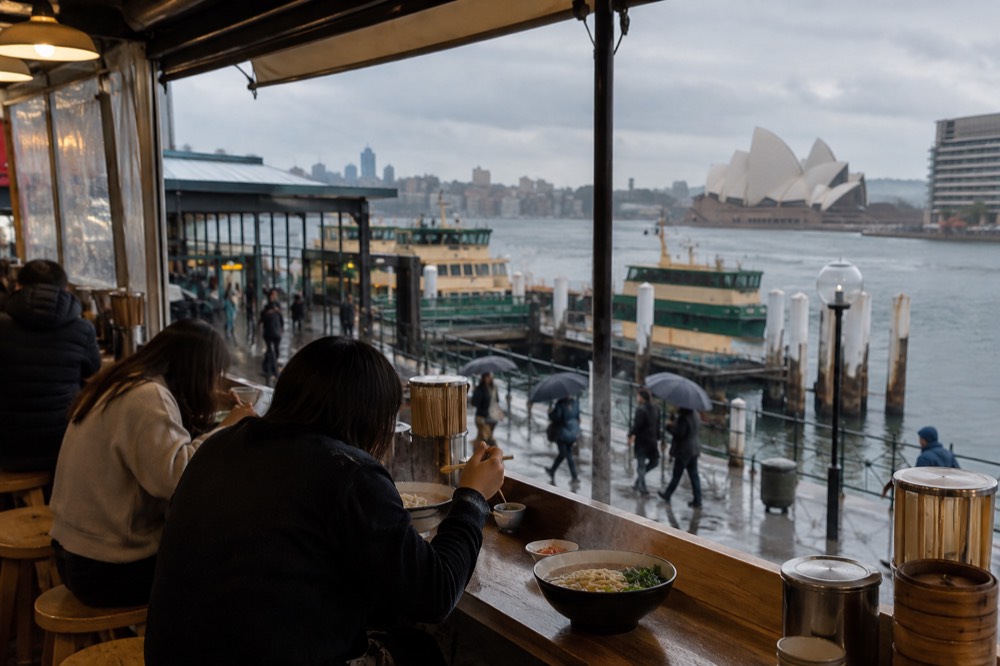
The price ladder in Sydney has a wide bottom and a steep top. The bottom rung, the suburban Asian and takeaway kitchens, keeps full meals in the low tens of dollars, which is why locals defend it so fiercely. The middle rung, where most visitors eat most nights, holds the bistro and pub-dining tier. The top rung is the tasting rooms described above, where the per-head cost before wine can exceed a night's [accommodation](https://booking.tpk.ro/ndznHj9h) elsewhere in the trip.
| Meal type | Planning range per person | Notes |
|---|---|---|
| Casual noodle or takeaway | A$15-25 | Chinatown, Newtown, Marrickville |
| Pub dining | A$25-45 | Historic pubs, bistro menus |
| Mid-range dinner | A$40-80 | Most Surry Hills and city restaurants |
| Fine dining tasting menu | A$150-300+ | Book well ahead, dietary notes at booking |
| Cafe brunch | A$20-40 | See the brunch guide for picks |
Two structural costs surprise visitors. First, alcohol is taxed hard in Australia, so restaurant drinks inflate a bill faster than the food does; house wine by the glass is the lever that keeps dinner in range. Second, tipping is not the institution it is in the United States: our tipping and etiquette guide covers the local norm, which is rounding up or adding around 10 percent for good service, never an obligation. For the wider budget picture, the Sydney trip cost breakdown sets food in context against transport and accommodation.
What Food Is Sydney Famous For?
Sydney's signature foods are its seafood, particularly Sydney rock oysters and harbour-caught fish, its cafe brunch culture, and its immigrant-driven Asian dining, with Chinatown and the suburban food strips as the flagship. Meat pies, pavlova and flat white coffee round out the classics. The new Sydney Fish Market at Blackwattle Bay, opened in early 2026, is now the single best place to see the city's seafood economy in one building.
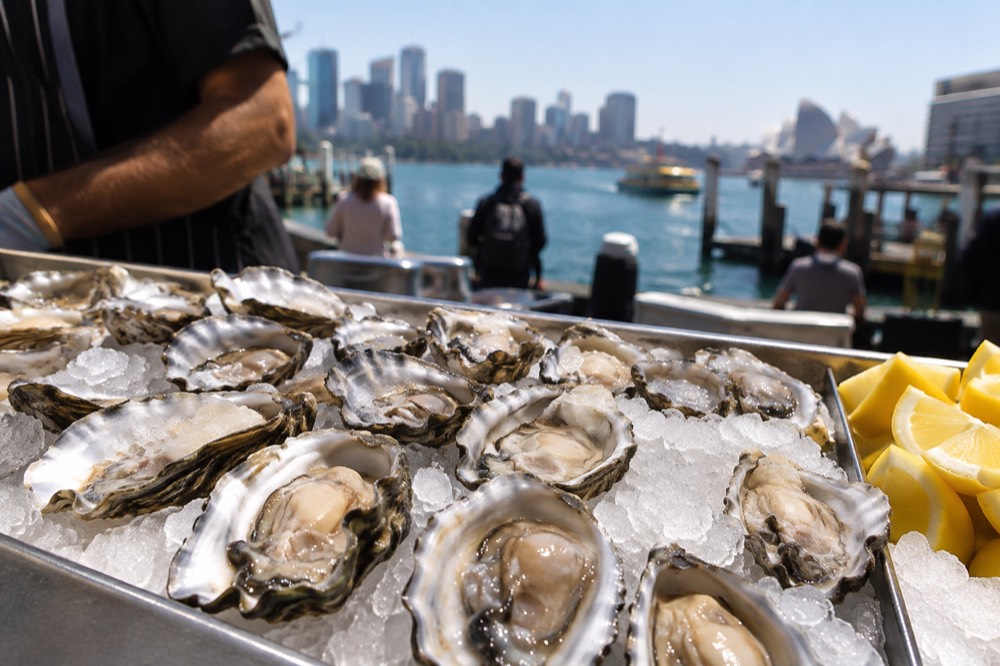
Sydney rock oysters are the city's most defensible food claim. Smaller and more mineral than Pacific oysters, they come out of estuaries along the New South Wales coast and appear on almost every serious menu in the city. Fish and chips eaten within sight of the water, ideally after a ferry ride, is the other essential: Manly, Watsons Bay and the harbour-side kiosks all do versions of it. The fish market itself moved to a new Blackwattle Bay building that opened to the public in January 2026, with more than forty retailers and dining operators in one waterfront complex, and the NSW government's own release on the project confirms the scale.
Brunch belongs to Sydney as much as dinner does. The flat white was perfected in this country, and the cafe scene that grew around it is a genuine attraction: queues on weekends, serious single-origin coffee, and menus built around avocado, eggs and whatever the bakery made that morning. Our Sydney coffee guide explains the ordering culture, which trips up visitors more than any menu does.
| Signature | What it is | Where to try it |
|---|---|---|
| Sydney rock oysters | Small, mineral native oysters | Any serious seafood restaurant or the fish market |
| Fish and chips by the water | Battered fish, beachside or harbourside | Manly, Watsons Bay, coastal kiosks |
| Flat white | The local coffee standard | Any inner-city cafe |
| Modern Australian tasting menu | Native ingredients, coastal produce | Bennelong, Quay and peers |
| Chinatown dining halls | Cantonese, Sichuan, Malaysian | Dixon Street and Haymarket |
The immigrant story is the one a food traveller should take most seriously. Sydney's Chinese, Vietnamese, Thai, Korean, Lebanese and Greek communities built the suburban food strips, and the cooking there is the city's real cuisine rather than a garnish on it. A food tour that walks you through those kitchens, like the six-tasting Secret Food Tours route, is the fastest way to taste that story without doing the research yourself.
How Far Ahead Should You Book Sydney Restaurants?
Book the top tasting rooms three to six weeks ahead, more across December and January, and book any harbourside weekend table at least a week out. Mid-range restaurants usually take walk-ins on weeknights but need a booking for Friday and Saturday. Chinatown and casual spots rarely need booking at all. Sydney's peak season is statistically its cloudiest, so demand, not weather, is what you are competing with.
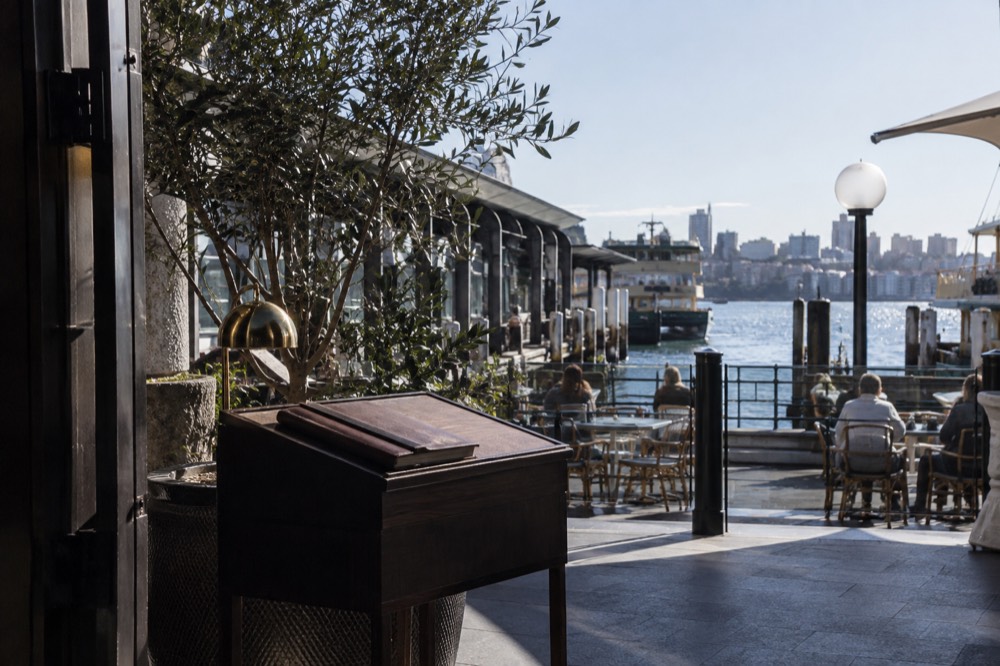
The timing advice follows the calendar. February is Sydney's cloudiest month on the long-run Bureau of Meteorology record, with a mean of just 5.3 clear days, yet it sits inside the city's busiest visitor stretch, and August, deep in winter, is its clearest month with 13.4. What that means for dinner is simple: the weeks when the postcard weather is least reliable are the weeks when tables are hardest to get, and the clear, quiet winter weeks are when you can walk into rooms that need booking in summer. The full picture is in our best time to visit Sydney guide.
Public holidays compress demand further. The NSW holiday calendar puts Australia Day, Easter and the Christmas-to-New Year run inside the peak eating season, and on those nights even mid-range rooms fill. One counterintuitive saving: public holidays carry the cheaper weekend Opal daily cap, so a holiday spent ferry-hopping to Manly for a waterside dinner is also the cheapest day to travel widely around the city.
Can You Turn Dinner Into a Day Trip?
Yes, and Sydney makes it easy. The Blue Mountains, the Hunter Valley and the Hawkesbury River all sit close enough for a food-and-scenery day out, with the Blue Mountains the most practical from the city and the Hunter Valley the best fit for wine. All-inclusive small-group day tours handle the driving, which matters because the good wine regions sit two hours or more from the CBD.
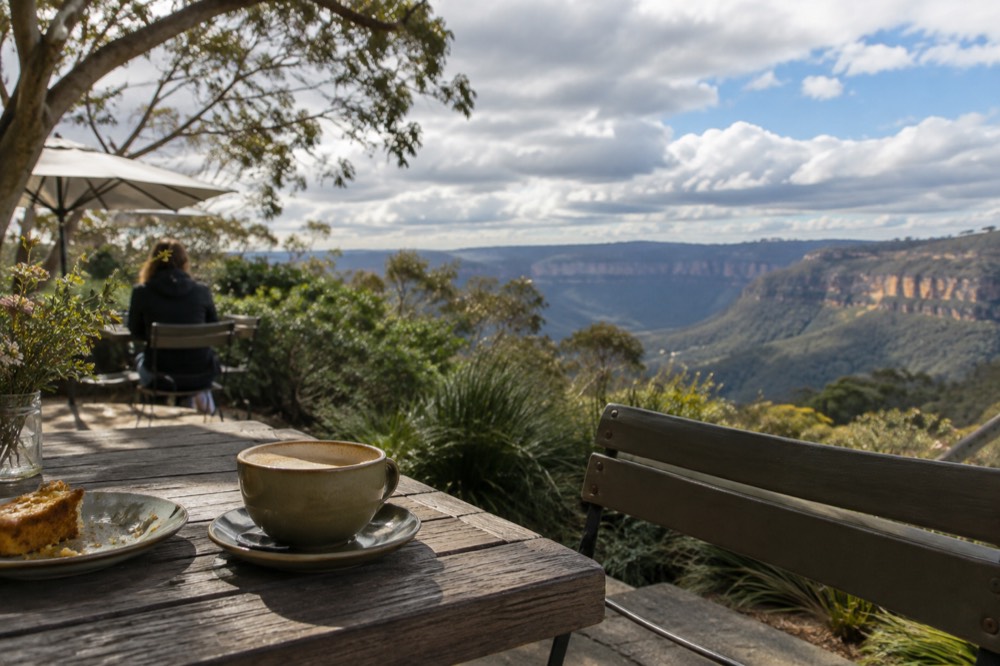
The Blue Mountains, ninety minutes west by train or tour bus, is primarily a scenery trip, but the food stops along the way, from Katoomba cafes to Leura's tearooms, give it a genuine lunch dimension. The all-inclusive small-group day tour with a local guide runs about ten hours and folds lunch into the itinerary, which saves you the Katoomba booking scramble entirely. Our Blue Mountains day trip guide covers the independent version if you would rather ride the train up and pick your own lunch.
The Hunter Valley, two hours north, is the wine answer, and it is covered in depth in our Hunter Valley day trip guide. Tasting fees at cellar doors are modest and often waived on purchase, and the premium guided tours with a two-course lunch handle the logistics that make a wine region workable without a designated driver. Either way, the pattern is the same: eat your serious dinners in the city, and let the day trips carry lunch.
Common Questions About Sydney Restaurants
What are the best restaurants in Sydney?
Bennelong inside the Opera House, Quay at the Overseas Passenger Terminal and Tetsuya's are the three headline bookings, with strong modern Australian cooking across Surry Hills and Darlinghurst and the best value cooking in Chinatown, Newtown and Chatswood.
How expensive is eating out in Sydney?
Casual meals run A$15-25, mid-range dinners A$40-80 a head, and top tasting menus A$150-300-plus before drinks. Alcohol adds more to a bill than food does, so house wine by the glass is the usual lever for keeping dinner in range.
Do I need to book Sydney restaurants in advance?
Book the top rooms three to six weeks out, more in December and January, and harbourside weekend tables about a week ahead. Weeknight mid-range dining usually takes walk-ins, and Chinatown and casual strips rarely need a booking at all.
What food is Sydney famous for?
Sydney rock oysters, fish and chips by the water, the flat white and the brunch culture around it, and the immigrant-driven Asian dining of Chinatown and the suburban food strips. The new Sydney Fish Market at Blackwattle Bay is the best single place to see the seafood side.
Where do locals eat in Sydney?
Locals eat in the suburbs: Newtown for casual and Thai food, Marrickville for Vietnamese, Chatswood for Chinese and Korean, and the inner west generally. The closer a restaurant sits to Circular Quay, the more of the bill is buying the view.
Is tipping expected in Sydney restaurants?
No. Tipping is appreciated for good service, often around 10 percent or a rounded-up amount, but it is not an obligation and service staff are paid a full wage. The local norms are covered in the tipping and etiquette guide.
The short version: spend one night on the harbour, spend the rest of your appetite in the neighbourhoods, and book the rooms that need booking before you leave home. The Sydney Travel Guide homepage ties the food scene into the rest of the city if you are building a full itinerary, and the walking food tour remains the fastest single move for tasting several neighbourhoods in one afternoon.