Chinatown Sydney: What to See, Eat and Know Before You Go
Sydney's Chinatown sits in Haymarket, between Central Station and Darling Harbour, and it packs more restaurants, archways and late-night kitchens into a few blocks than almost anywhere else in the city. Here is what to expect, how to get there, and what has changed around it.
Short answer
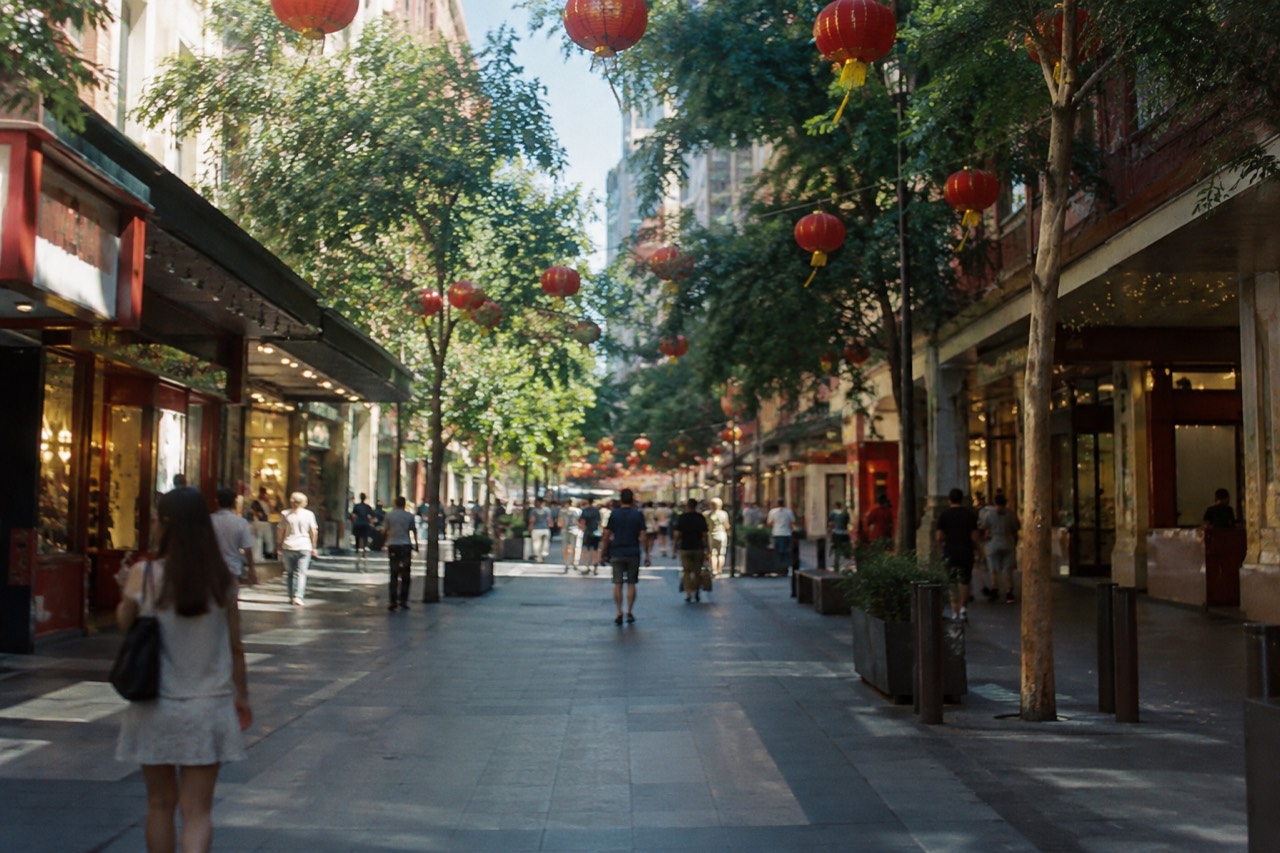
Chinatown Sydney is the Dixon Street mall and surrounding blocks in Haymarket, a short light rail or train ride from the city centre. Entry costs nothing, most venues take contactless payment, and the neighbourhood works as a lunch stop, a dinner destination or a walking detour between Darling Harbour and Central Station. Allow one to two hours to wander, longer if you eat.
Sydney's Chinatown is one of the few parts of the city centre that genuinely hums after dark. While the office towers around it empty out, Dixon Street keeps its lanterns lit, its kitchens running and its bakery queues forming late into the evening. It is also smaller and more walkable than many visitors expect: the whole neighbourhood fits between Central Station and Darling Harbour, and you can cross it end to end in about fifteen minutes at an easy pace.
This guide covers where Chinatown actually is, what to do there, where to eat, how to get there on public transport, and a few things that have changed recently in the blocks around it. The team at Sydney Travel Guide keeps this page grounded in verified transport fares and current venue status rather than folklore, because a neighbourhood this dense accumulates a lot of both.
Where Is Chinatown Sydney and What Kind of Neighbourhood Is It?
Chinatown Sydney occupies the blocks around Dixon Street in Haymarket, immediately south of the Sydney CBD and next to Darling Harbour. Its heart is the Dixon Street pedestrian mall, marked at both ends by ceremonial archways, and the surrounding streets hold most of the restaurants, bakeries and shops. Haymarket is one of the city's oldest commercial districts, and Chinatown sits within easy walking distance of Central Station, the Queen Victoria Building and the harbour foreshore, roughly 1.5 kilometres from Circular Quay.
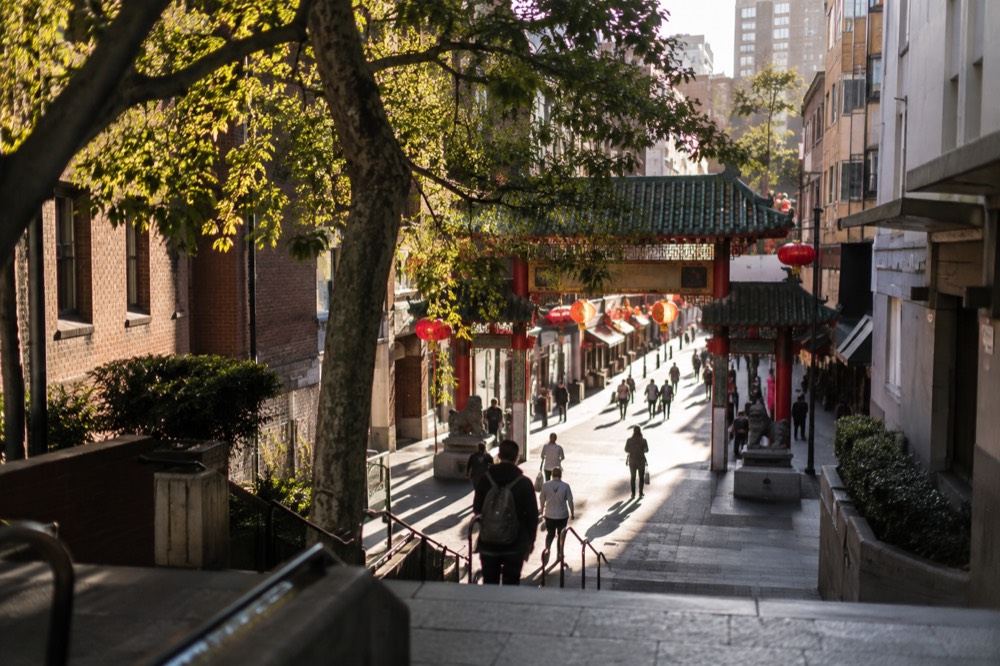
Dixon Street is the spine of the area. It runs north from the intersection with Harbour Street up toward Goulburn Street, and it is closed to traffic along its middle stretch, which makes it the natural place to start a wander. The archways at each end are the most photographed structures in the neighbourhood, and at night the street's lantern strings do most of the atmospheric work.
The wider district spreads beyond Dixon Street. Sussex Street, George Street and Campbell Street all carry Chinese restaurants, grocers and bakeries, and the Capitol Theatre sits on Campbell Street at the neighbourhood's eastern edge. Campbell Street in particular has become a small eating strip in its own right, with a mix of Cantonese, Korean and Malaysian kitchens packed into a single block.
It helps to understand that Chinatown is a working neighbourhood first and a tourist attraction second. Office workers from the surrounding towers fill it at lunchtime, students from the nearby universities fill it in the evenings, and the restaurant trade is built around repeat local customers rather than one-off visitors. That is why the food standards hold up, and it is also why the area quiets down noticeably on public holidays when the local workforce stays home.
What Are the Best Things to Do in Chinatown Sydney?
The best things to do in Chinatown are eating your way down Dixon Street, walking under the archways at dusk when the lanterns are lit, browsing the grocers and bakeries, and catching a show at the Capitol Theatre on Campbell Street. Most visitors spend one to two hours wandering, longer with a meal. The neighbourhood is compact and free to enter, so it works as a main destination or as a detour on a walk between Darling Harbour and Central Station.
Start at the southern archway and walk Dixon Street north. The mall itself takes ten minutes at a stroll, but the shops pull you in: bakeries selling egg tarts and pork buns, grocers with barrels of dried goods, and gift shops stacked with lanterns and ceramics. The side streets reward detours, especially Campbell Street for restaurants and Sussex Street for older, less renovated storefronts.
The Capitol Theatre is the neighbourhood's cultural anchor. It is a restored heritage theatre on Campbell Street that hosts musicals and large touring productions, and its facade is worth a look even without a ticket. Check the theatre's own website for what is playing during your visit rather than relying on a guide, because the programme changes completely several times a year.
If you are building a full day around the area, Chinatown pairs naturally with Darling Harbour, which sits one block west. Many visitors walk the harbour in the afternoon, cut through Chinatown for dinner, then continue toward Circular Quay for night views of the Sydney Opera House. It is one of the most efficient walking circuits in the city centre, all flat, all on footpaths.
For travellers who prefer a guide over a self-directed wander, these are the tours that pair best with this neighbourhood:
A guided walk adds context that the archways do not explain on their own. Sydney's Chinese community history stretches back well over a century, and a good guide connects Dixon Street to the older story of The Rocks, where the city's earliest Chinese merchants worked. A walking tour of The Rocks covers that earlier chapter, while a dedicated food tour does the eating for you, which matters in a neighbourhood where choosing between a dozen nearly identical barbecue windows is genuinely hard.
Where Should You Eat in Chinatown Sydney?
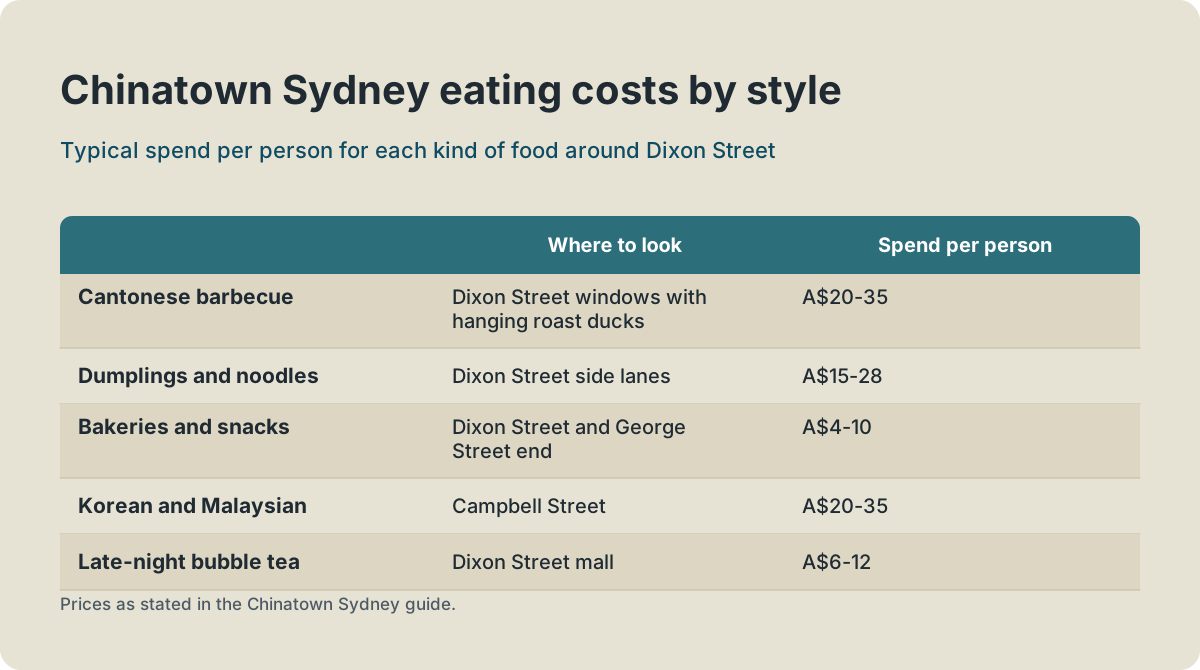
Eat along Dixon Street and Campbell Street, where the densest run of Cantonese barbecue restaurants, dumpling houses, noodle shops and bakeries sits. A main meal typically costs A$20-35 per person at a casual restaurant, and bakery snacks run a few dollars each. The busiest rooms are usually the safest bet: queues of local students and office workers are a reliable signal in a neighbourhood where almost every kitchen looks the part.
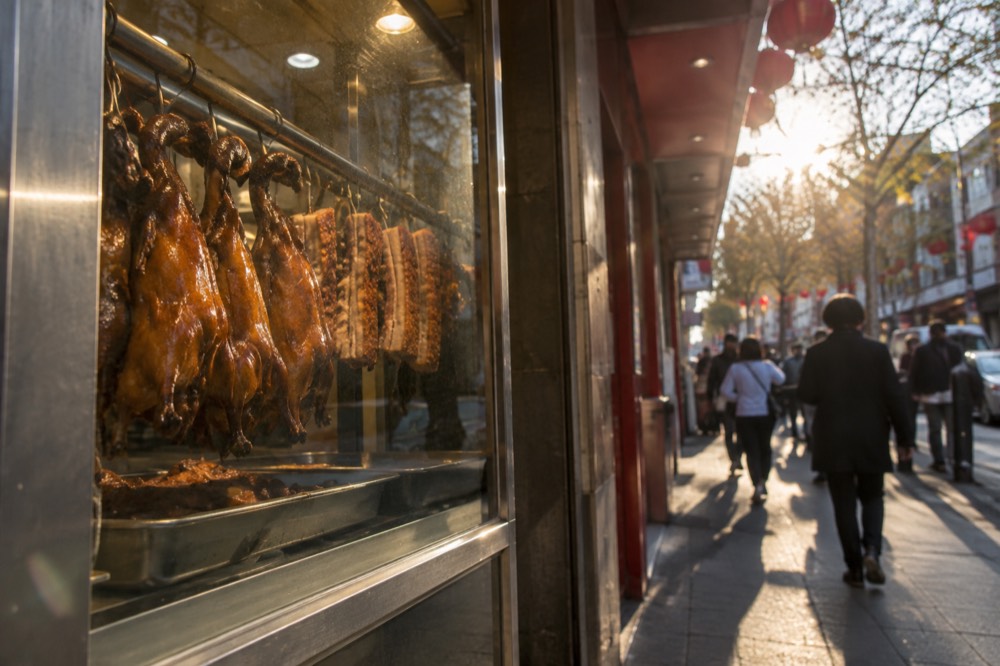
Chinatown's eating landscape sorts into a few clear categories. Barbecue shops with roast ducks hanging in the window do takeaway and sit-down meals alike, and they are the fastest way to a good lunch. Dumpling and noodle houses cluster on Dixon Street's side lanes, with hand-pulled noodle windows in several of them. Bakeries sell pork buns, egg tarts and sweet buns for a few dollars, which makes them the cheapest breakfast or afternoon snack in the district.
Campbell Street has broadened over the years into a mixed Asian eating strip, adding Korean and Malaysian kitchens to the Cantonese core. If your group cannot agree on one cuisine, Campbell Street is where to compromise. For dessert, the bubble tea and shaved ice shops along Dixon Street stay open latest.
| Eating style | Where to look | Typical spend per person |
|---|---|---|
| Cantonese barbecue | Dixon Street windows with hanging roast ducks | A$20-35 |
| Dumplings and noodles | Dixon Street side lanes | A$15-28 |
| Bakeries and snacks | Dixon Street and George Street end | A$4-10 |
| Korean and Malaysian | Campbell Street | A$20-35 |
| Late-night bubble tea | Dixon Street mall | A$6-12 |
Those price ranges are planning figures based on typical casual menus, not promises: individual restaurants set their own prices, and a banquet-style meal runs well above them. Check the menu posted at the door, which nearly every room displays.
If you would rather have someone else make the ordering decisions, a guided food tour solves the problem neatly. The six-tasting Secret Food Tours walk takes in multiple stops with a local guide who knows which windows are worth the queue, and it saves you the guesswork in the district's most crowded category.
How Do You Get to Chinatown Sydney?
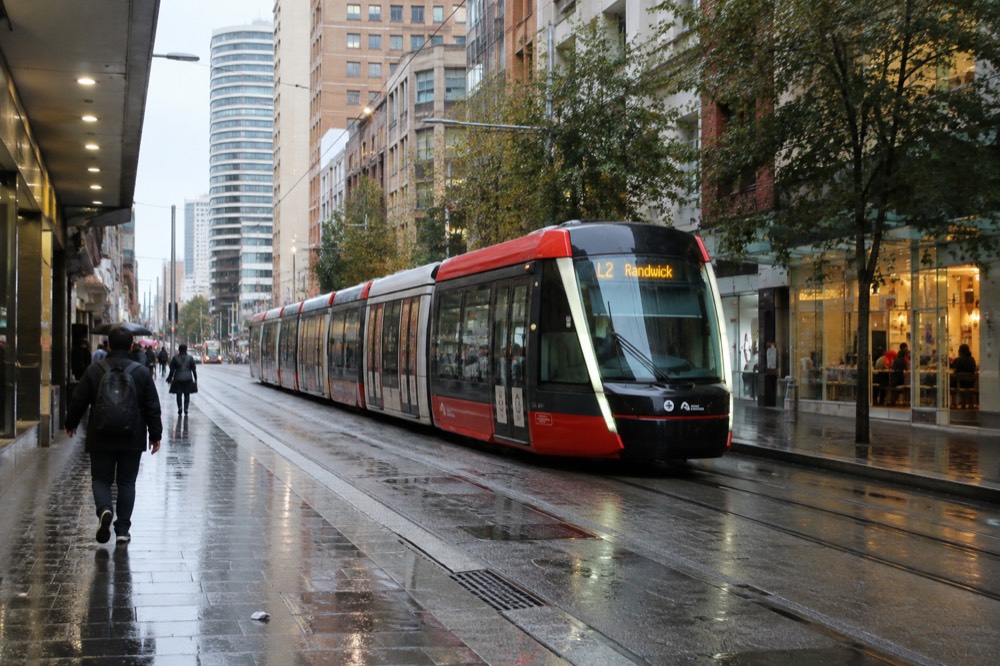
The easiest way to reach Chinatown is by light rail or train: the L2 Randwick and L3 Kingsford lines stop at Capitol Square on George Street at the neighbourhood's edge, and Central Station sits about 400 metres to the south, served by every train line plus the M1 metro. An adult light rail fare from the city centre costs $3.30-4.49 depending on distance, and the Opal daily caps are $19.30 Monday to Thursday or $9.65 Friday to Sunday and public holidays.
Tap a contactless card or an Opal card, they charge the same.
The light rail is the most pleasant approach. The L2 and L3 lines run down George Street from Circular Quay through the heart of the CBD, and Capitol Square station drops you a block from Dixon Street. The trams are frequent, level-accessible and air-conditioned, which matters in February when the city centre is at its most humid.
Central Station is the other natural entry point. It is Sydney's largest transport hub, and the walk from its Eddy Avenue exit up toward Dixon Street takes about six minutes. If you are arriving from the airport, the train runs direct to Central, though note the airport station access fee is charged on top of the fare and sits outside the daily caps. The full fare structure, including the current access fee, is published on the Transport for NSW fares page.
| Approach | Route | Adult fare | Notes |
|---|---|---|---|
| Light rail L2/L3 | Circular Quay to Capitol Square | $3.30-4.49 | Frequent, level access, best from the Quay |
| Train | Any line to Central Station | $4.33-5.38 from the CBD | About 400 m walk to Dixon Street |
| On foot | From Darling Harbour | free | One block west, flat the whole way |
| From the airport | Train to Central | fare plus airport access fee | Access fee sits outside the daily caps |
Fares above are adult Opal and contactless prices for the 2026 fare year, and ferry trips price differently, with no off-peak discount. Off-peak discounts of 30 percent apply on trains, buses and light rail outside weekday peak times and all day Friday to Sunday, so a weekend visit is the cheaper run.
One pairing worth considering: a morning harbour cruise from Circular Quay, then the light rail down George Street to Chinatown for lunch. The sightseeing cruise runs 90 minutes and docks back near the light rail stop, so the whole morning-to-noon circuit needs no car and no booking beyond the cruise itself.
When Is the Best Time to Visit Chinatown?
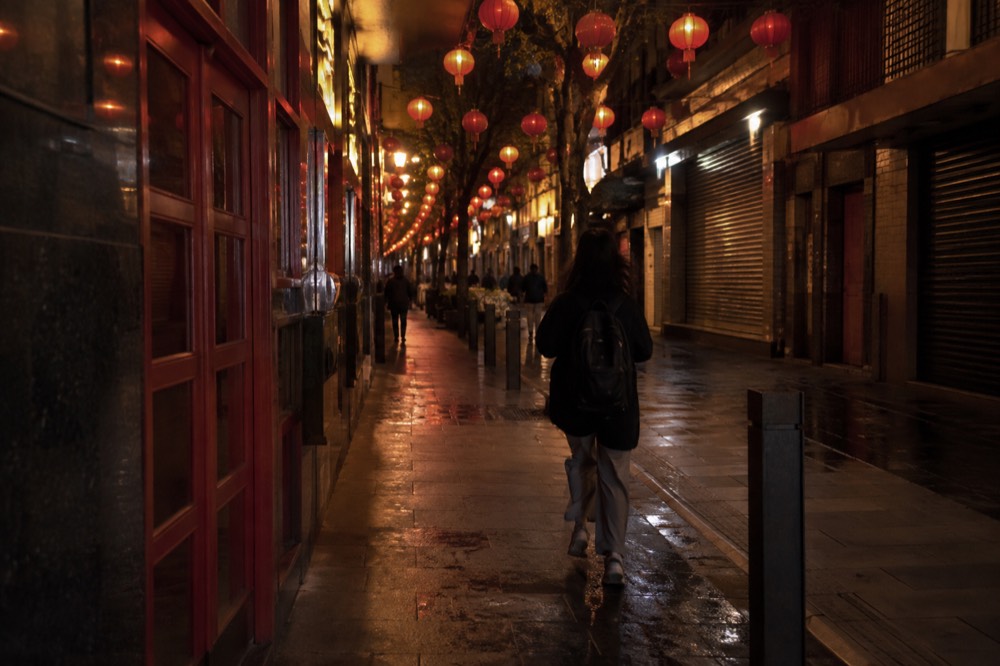
The best time to visit Chinatown is early evening, roughly 5pm to 8pm, when the lanterns are lit, the restaurants are at their liveliest and the day's heat has eased. Weekday evenings feel local and busy; weekend evenings are the most crowded. For pure comfort, autumn (March to May) and spring (September to November) deliver Sydney's mildest walking weather, while February averages 25.8 °C and is statistically the city's cloudiest month, with only 5.3 clear days on average.
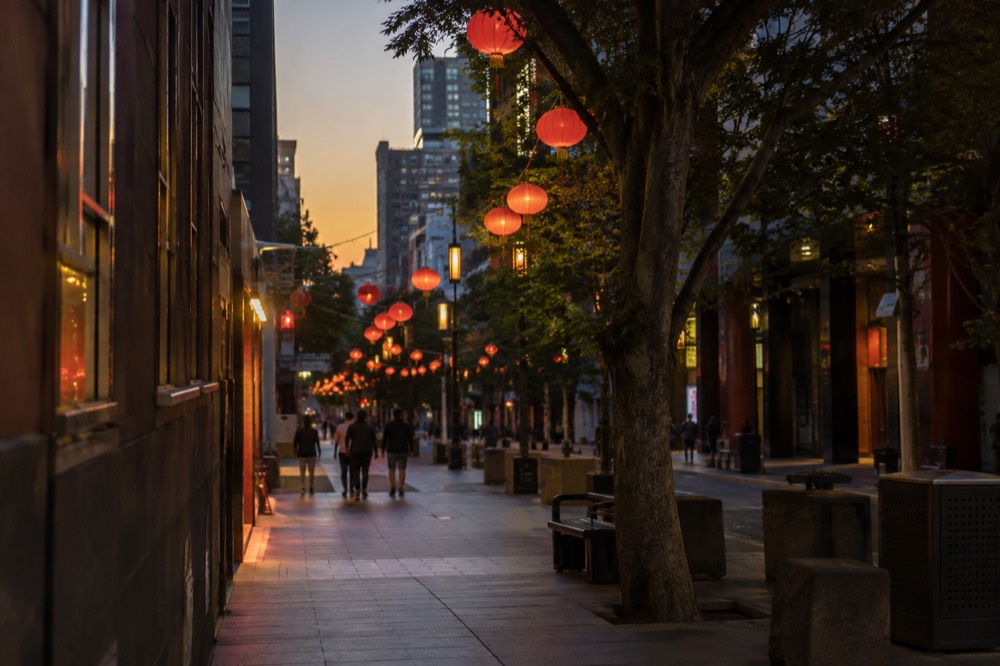
The lantern-lit mall after dusk is the neighbourhood's best version of itself, so time your visit around sunset rather than midday if you can. In summer (December to February) that means arriving after 7pm; in winter (June to August), closer to 5:30pm, when the sky darkens early and the street lights take over.
Lunar New Year is the one period when the neighbourhood transforms completely. Celebrations centre on Chinatown and the surrounding streets, with lion dances, market stalls and the festival's signature events drawing big crowds across roughly two weeks in late January or February, depending on the lunar calendar. Do not pin exact event dates from a guide: check the City of Sydney's event listings, because the programme shifts each year. Outside festival season, an ordinary weeknight gives you the neighbourhood at its most authentic.
Weather barely disrupts a Chinatown visit, which is part of its appeal. The whole district is a dense grid of awnings and arcades, so rain sends you indoors rather than home. June is Sydney's wettest month on the long-run averages, at 133.1 mm, which surprises visitors who assume the rain peaks in summer. If a wet day lands mid-trip, Chinatown belongs on the same list as the Australian Museum and the Art Gallery of New South Wales, both free to enter and both a short ride away.
What Is Near Chinatown Sydney?
The closest major attractions to Chinatown are Darling Harbour one block west, the Capitol Theatre on its eastern edge, Central Station to the south and the Queen Victoria Building a short walk north. SEA LIFE Sydney Aquarium and WILD LIFE Sydney Zoo sit along the Darling Harbour side, and the new Sydney Fish Market at Blackwattle Bay is a 20-minute walk or a short ferry ride away. Almost everything nearby is reachable on flat footpaths, so the neighbourhood slots easily into a bigger city-centre day.
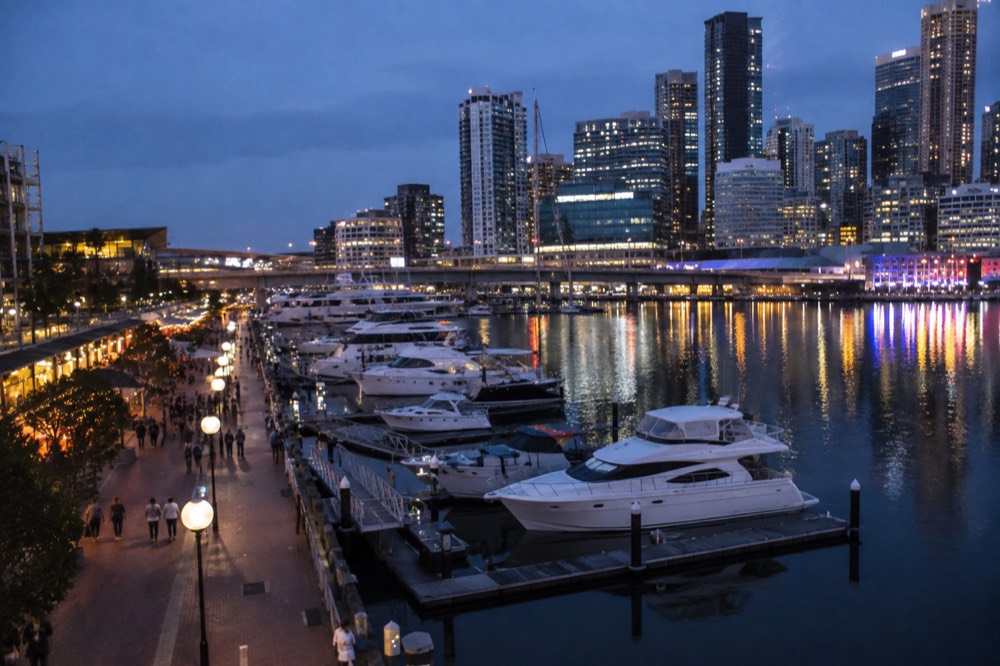
Darling Harbour is the obvious pairing. The promenade, the aquarium and the waterfront restaurants are a single block from Dixon Street, and the walk between them passes through some of the flattest, most navigable streets in the city. Families usually combine the two: the aquarium in the morning, Chinatown for lunch, the harbour playground in the afternoon.
| Nearby attraction | Direction from Dixon Street | Approximate walk | Entry |
|---|---|---|---|
| Darling Harbour promenade | West | 5 minutes | free |
| SEA LIFE Sydney Aquarium | West, harbour side | 10 minutes | ticketed, dynamic pricing |
| Capitol Theatre | East, Campbell Street | 3 minutes | show tickets only |
| Queen Victoria Building | North | 10 minutes | free to browse |
| Sydney Fish Market, Blackwattle Bay | North-west | 20 minutes | free entry |
| Powerhouse Museum Ultimo | South | 8 minutes | closed since February 2024 |
Note the last row carefully. The Powerhouse's Ultimo site, long a staple of "things near Chinatown" lists, has been closed to the public since early 2024, and its successor in Parramatta is scheduled to open on 7 November 2026 on the other side of the city. The Powerhouse Museum page covers the details, but the short version for a Chinatown visitor is: do not plan around it.
The new Sydney Fish Market deserves the walk. Its Blackwattle Bay building opened to the public in January 2026 with more than 40 retailers, and the NSW Government confirmed the completion of construction ahead of the public opening. The Sydney Fish Market guide covers how to get there and what to order; from Chinatown it is a pleasant harbourside walk or a short ride on the F10 ferry, which joined the Opal network in 2026.
Is Chinatown Sydney Worth Visiting?
Yes, Chinatown is worth visiting, primarily for the food, the night-time atmosphere and its convenience: it is one of the few city-centre neighbourhoods that is lively after dark, cheap to eat in and free to enter. It is not a full-day destination on its own, and its shopping is less distinctive than its kitchens. Treat it as a two-hour dinner stop or a lunch detour between bigger sights, and it delivers; expect a standalone attraction and it will feel small.
Honest expectations matter here. Chinatown is a compact commercial district, not a theme park. There is no single landmark comparable to the Opera House, and the daytime experience is quieter than the evening one. Visitors who arrive at 11am on a Tuesday and see shuttered windows and a half-empty mall often leave underwhelmed, while the same street two hours after sunset is one of the liveliest in Sydney.
The verdict depends on pairing. Combined with Darling Harbour and a walk north to the QVB, Chinatown anchors one of the best car-free half-days in the city. Combined with a show at the Capitol Theatre and a late dinner, it anchors one of the best evenings. On its own, it is a pleasant but brief wander, so build the rest of the day around it.
If guided context appeals, the Rocks walking tour is the strongest fit for this part of the city. It covers Sydney's oldest streets, a 10-minute bus or light rail ride from Haymarket, and a guide connects the colonial-era district to the migration stories that later shaped neighbourhoods like Chinatown. The tour runs about 90 minutes and departs from central points, and the live listing shows current session times.
How Does Chinatown Fit Into a Sydney Itinerary?
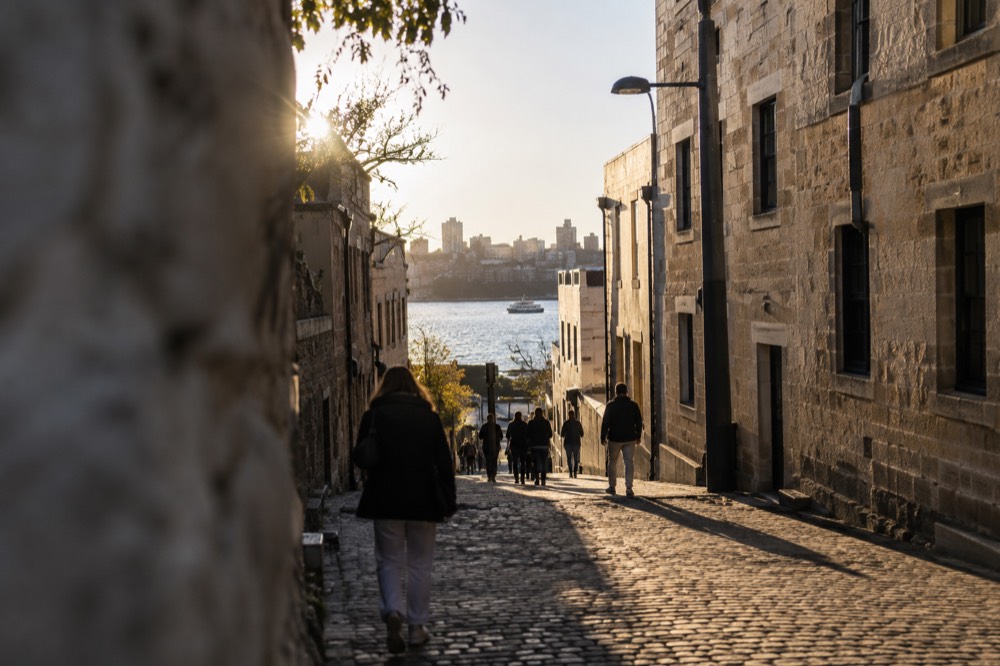
Chinatown fits best as an evening or lunch stop inside a city-centre day: Darling Harbour in the morning, Chinatown for lunch, the QVB and The Rocks in the afternoon, and a return to Dixon Street for dinner. It sits on the light rail line between Circular Quay and Central, so it slots into almost any itinerary without backtracking. Allow two hours for a wander and a meal, or a full evening if you add a Capitol Theatre show.
For a one-day version, start at Circular Quay in the morning, take the L2 or L3 light rail down George Street to Capitol Square, eat in Chinatown at lunch, walk west to Darling Harbour for the afternoon, then head back for dinner when the lanterns are on. That circuit needs nothing but an Opal card or a contactless bank card, and the light rail fare both ways stays under $9.
If your trip is longer, the neighbourhood works as a dinner base between bigger outings. Returning from a Blue Mountains day trip you arrive back at Central Station, which is a six-minute walk from Dixon Street, so a Chinatown dinner is the natural end to a long day in the mountains. The same logic applies to a Hunter Valley day trip that returns to the city in the evening.
Whatever the shape of your trip, these are the three tours that pair most cleanly with a Chinatown visit:
Common Questions About Chinatown Sydney
Is Chinatown Sydney worth visiting?
Yes, especially in the evening when the lanterns are lit and the restaurants are busy. It is best treated as a two-hour dinner stop or lunch detour rather than a full-day destination, and it pairs naturally with Darling Harbour one block west.
How do I get to Chinatown from Circular Quay?
Take the L2 Randwick or L3 Kingsford light rail from Circular Quay to Capitol Square, a ride of about 10 minutes costing $3.30-4.49 for an adult. Walking the roughly 1.5 kilometres takes about 20 minutes down George Street.
What is the best time of day to visit Chinatown?
Early evening, roughly 5pm to 8pm, when the lanterns are lit and the kitchens are at full pace. Weekends are busiest; weekday evenings feel more local. Daytime visits are quieter, with some shopfronts shuttered until lunch.
Is there anything near Chinatown that has closed recently?
Yes. The Powerhouse Museum in Ultimo, three blocks south, has been closed to the public since February 2024 for redevelopment and is not due back until around 2029. Plan around Darling Harbour, the Capitol Theatre and the QVB instead.
How much does a meal in Chinatown cost?
Plan on A$20-35 per person for a casual restaurant main meal, A$15-28 for dumplings or noodles, and a few dollars for bakery snacks. Banquet-style meals run higher. Prices are planning ranges, so check the menu boards displayed at most doorways.
Can I visit Chinatown and Darling Harbour in one walk?
Yes, easily. Darling Harbour's promenade is one block, about five minutes, from Dixon Street, and the whole route is flat footpath. Most visitors cover both in a single afternoon plus dinner.