Central Coast NSW Day Trip from Sydney: Beaches, Parks and Getting There
The Central Coast begins where Sydney's suburban train lines run out of stations and start running along water. It is the closest stretch of genuinely uncrowded coastline to the city, and most visitors never make the trip.
Short answer
The Central Coast sits directly north of Sydney, reached by train from Central Station on the Opal network or by car up the M1. Highlights include Terrigal and The Entrance, Bouddi National Park, and whale watching from May to November. A weekend Opal daily cap of $9.65 makes the train the cheapest full-day return trip you can take from the city.
The Central Coast is the stretch of NSW coastline that begins roughly where Sydney's northern suburbs give up. Gosford is its regional centre, Terrigal its most famous beach, and The Entrance its most photographed oddity, a town where pelicans are fed daily on the foreshore. For a city visitor the appeal is simple: it is the nearest coastline that does not feel like Sydney, and the train that takes you there is capped by the same Opal daily cap you already use in the city.
Most Sydney itineraries push you west to the Blue Mountains or north to the Hunter Valley, and both are worth doing. The Central Coast is the quieter third option, the one locals take when they want ocean without the Bondi crowd. This guide covers how to get there, what to actually do with a single day, which beaches are safe to swim at, and when the whales pass.
How Do You Get from Sydney to the Central Coast?
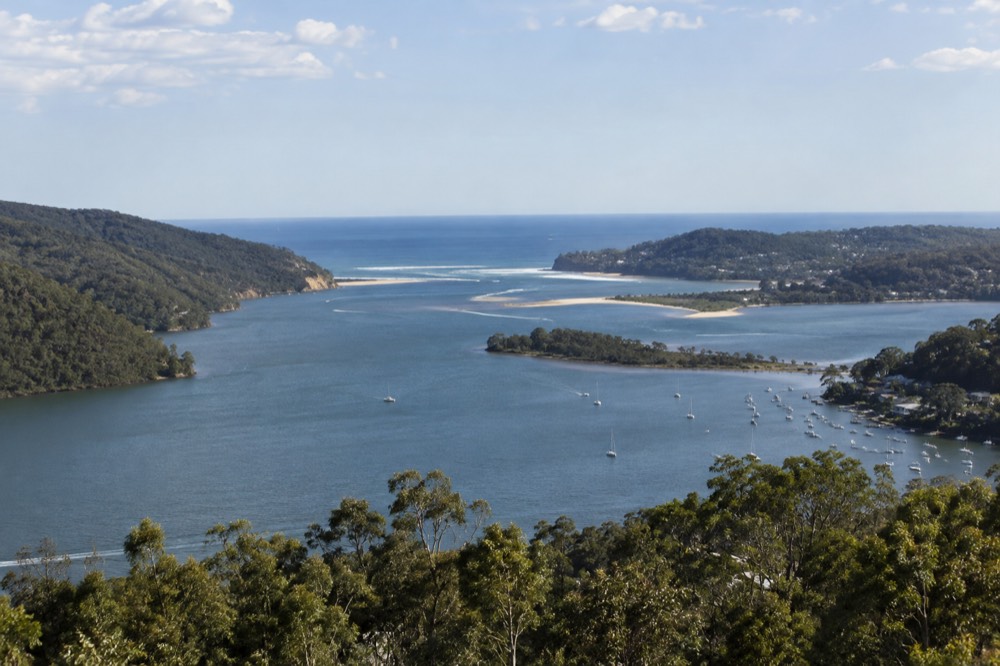
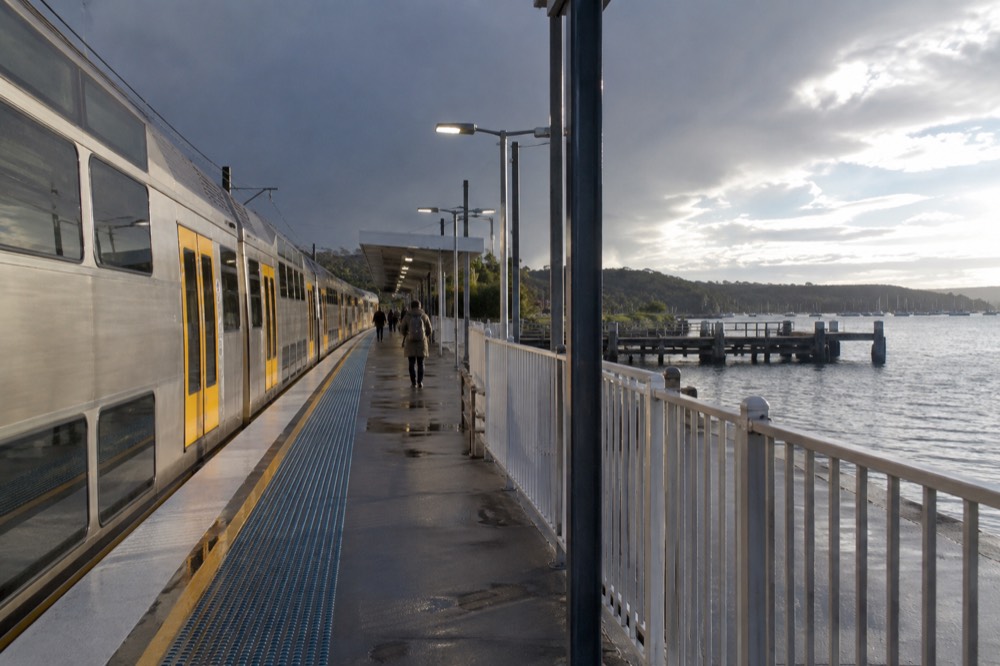
You take a Sydney Trains service from Central Station towards Gosford, paying with the same Opal card or contactless bank card you use anywhere in the city. The line runs north through the northern suburbs and along Brisbane Water, and stations including Woy Woy, Gosford and Tuggerah put you within a short bus or taxi ride of the water. On Fridays, weekends and public holidays the adult daily cap is $9.65, so a full day of return travel costs less than a single harbour cruise.
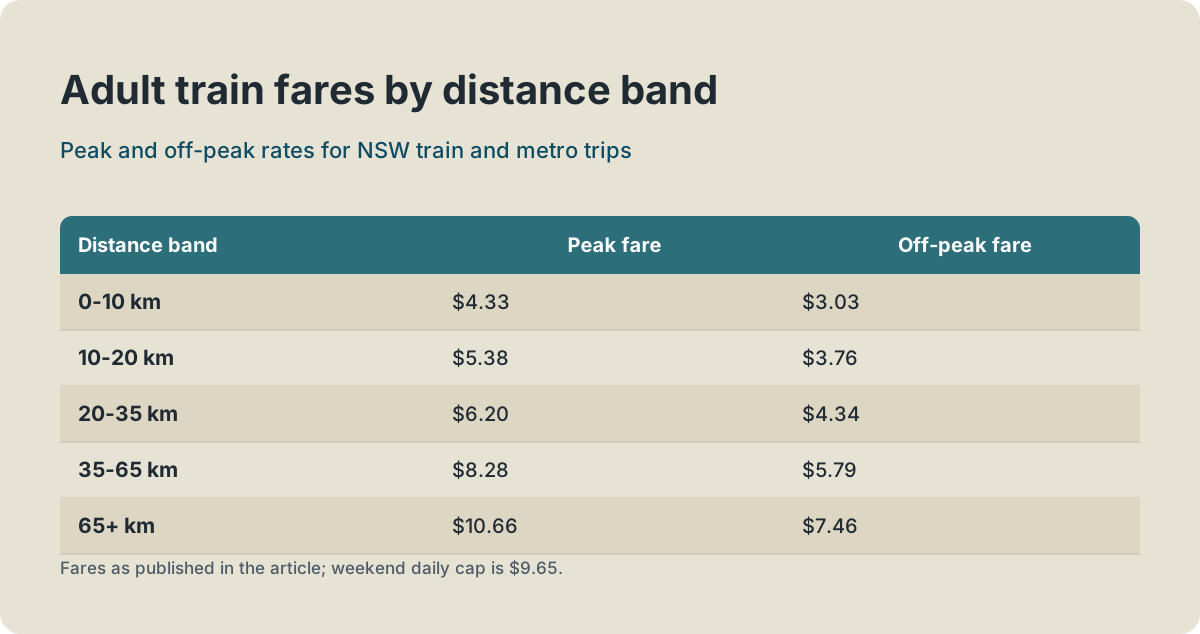
That $9.65 cap is the single best planning fact for this trip. It applies Friday to Sunday and on public holidays across the whole Opal network, metro, train, bus, ferry and light rail, so a Saturday spent hopping between Woy Woy, Gosford and Terrigal by train and bus cannot exceed it. Monday to Thursday the cap is $19.30. Contactless cards and devices are charged exactly the same as an Adult Opal card and receive every benefit, including the caps, so there is no need to buy a card just for this trip. The full fare structure, including the distance bands that set your exact fare, is published on the Transport for NSW adult fares page.
The train fare is distance-based, and the bands below are the adult rates that apply to any train or metro trip in NSW, including this one. Off-peak discounts of 30% apply on Fridays, weekends, public holidays and outside peak times on other days.
| Distance band | Peak fare | Off-peak fare |
|---|---|---|
| 0-10 km | $4.33 | $3.03 |
| 10-20 km | $5.38 | $3.76 |
| 20-35 km | $6.20 | $4.34 |
| 35-65 km | $8.28 | $5.79 |
| 65+ km | $10.66 | $7.46 |
Driving is the other option, and it is the right one if you want to reach the beaches inside Bouddi National Park or move between Terrigal and The Entrance quickly. The M1 heads north out of the city and the route is straightforward. What the train does not give you, a car does, and what a car gives you, the train does not: flexibility in exchange for parking, traffic and, at some destinations, a park entry fee.
| Option | What it costs | What to know |
|---|---|---|
| Train from Central Station | Opal distance fare, capped at $9.65 on Fri-Sun and public holidays | No booking needed; tap on with a contactless card |
| Car via the M1 | Fuel and parking; $8 per vehicle per day at Bouddi National Park | Best for reaching beaches and trails the buses skip |
| Guided day tour | From price shown on the live listing | Removes the driving entirely; see the options below |
One warning carried over from Sydney proper: if you are flying in or out, the airport station access fee sits outside every Opal cap and is charged on top of the train fare, so do not plan an airport-to-Central-Coast day around a capped fare. The plain airport-to-city trip is covered in our Sydney Airport to the city guide.
What Are the Best Things to Do on the Central Coast?
Terrigal Beach and its Skillion headland, The Entrance with its daily pelican feeding, Bouddi National Park's coastal trails, and the calm shallows of Brisbane Water are the four anchors of a first visit. Terrigal is the polished beach town with cafes and a surf beach, The Entrance is the family one on the lake, and Bouddi is where the bush meets the ocean on sandstone cliffs. A single day fits two of the four comfortably; a weekend fits all of them.
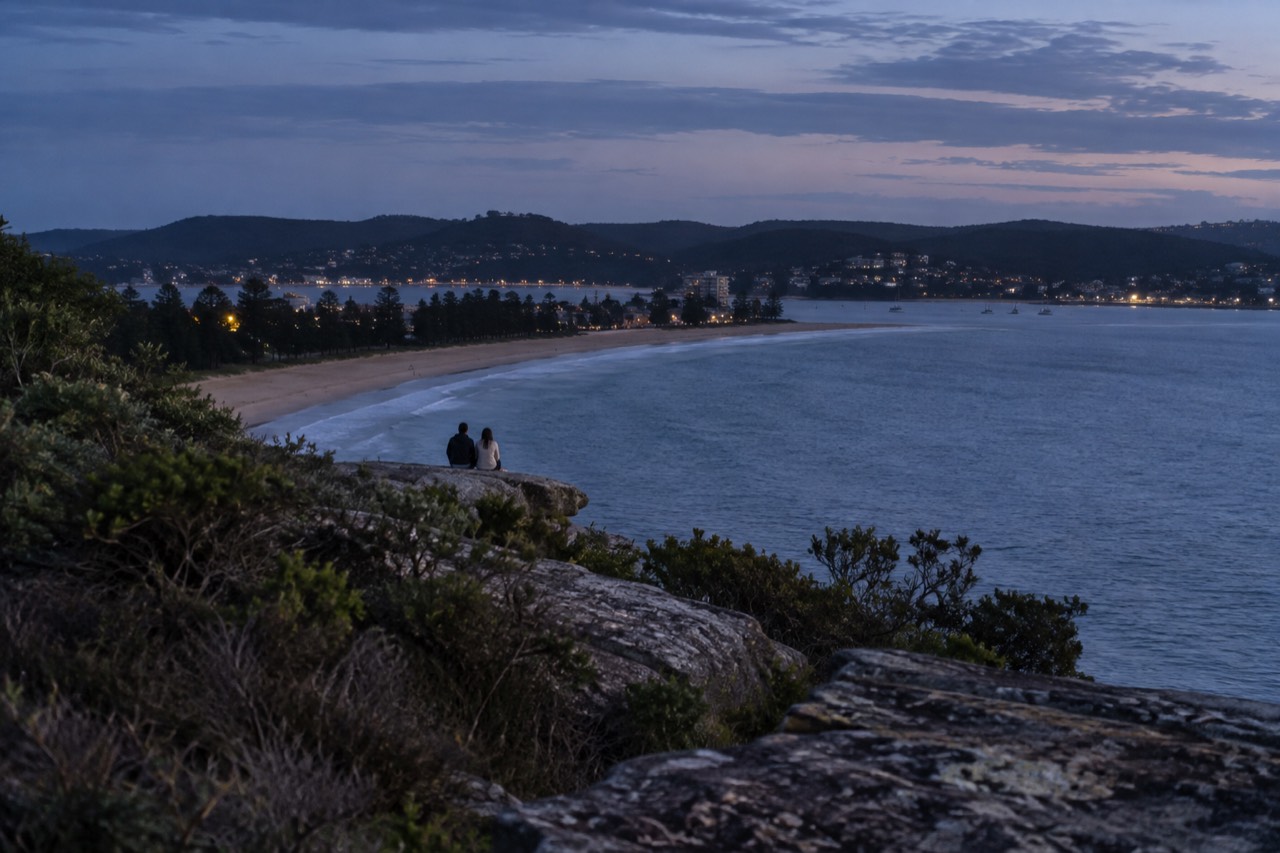
Terrigal is the easiest sell. The beach faces east, the Skillion, the flat-topped headland at its south end, gives you the coast's best short walk, and the town behind it is dense with coffee. It is the closest thing the Central Coast has to a Bondi, with the emphasis on the word "closest": the crowd levels are a different order of magnitude, and the surf is genuine. Swim between the flags where a patrol is running, and check Beachwatch before you swim after rain, because the official advice for ocean beaches is to stay out of the water while it is raining and for up to a day after heavy rain.
The Entrance sits on the channel where Tuggerah Lake meets the ocean, and the pelican feeding on the foreshore each afternoon is a genuine institution rather than a tourist trap. The town is flat, the lake is calm, and it is the natural pick if small children are in the party. For a deeper look at Sydney-side alternatives in the same register, our best beaches in Sydney guide covers the patrolled options closer to the city.
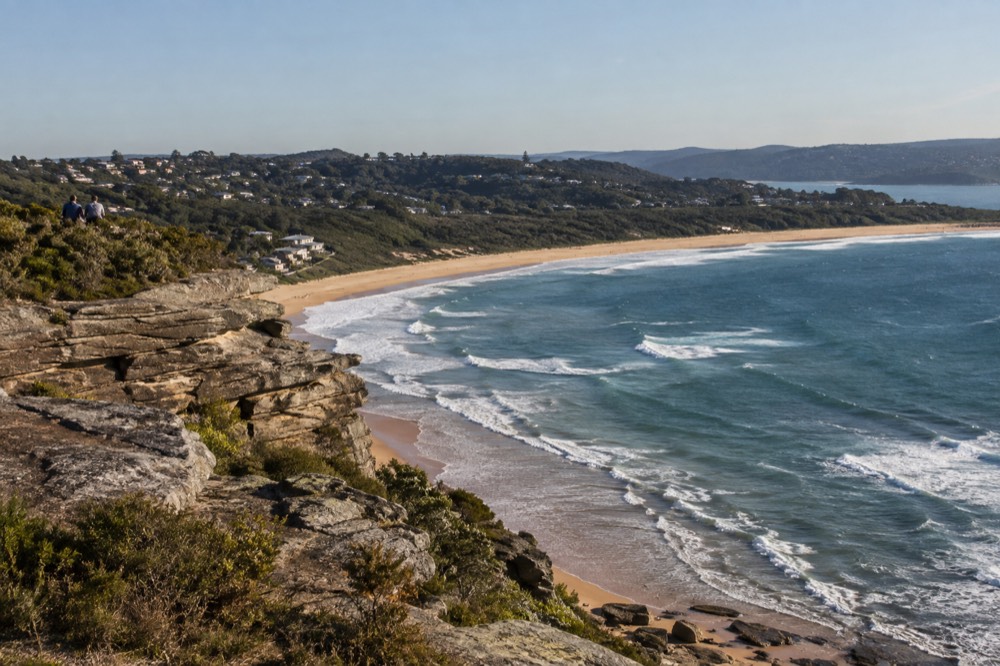
Bouddi National Park is the quiet hero of the region. Its coastal walk runs along sandstone cliffs between beaches that are often empty, and the park's vehicle entry fee is $8 per day, the same standard rate NSW National Parks charges at most fee-collecting parks around Sydney, confirmed on the NPWS fee page. Arrive on foot or by bike and you pay nothing at all, which is true of almost every NSW park fee: they are per vehicle, not per person.
If a day of coastline sounds appealing but you would rather hand the logistics to someone else, Sydney's guided day-trip roster is strong, and the three below are the ones that consistently suit first-time visitors. Each is a different proposition: a full Blue Mountains circuit, a wildlife-and-wine loop, and a one-hour city icon.
None of those three goes to the Central Coast itself, which is the honest point: the coast is a self-drive or train destination, and the guided market around Sydney clusters in the mountains and the wine country. Our day trips from Sydney overview maps all of the realistic options, and the train-only version is worth reading if you will not have a car.
Which Central Coast Beaches Are Safe for Swimming?
Swim at a patrolled beach, between the red and yellow flags, during patrol hours, and check the Beachwatch water-quality grade before you go in after rain. That is the official rule everywhere on the NSW coast, and the Central Coast is no exception. Patrol seasons and hours vary beach by beach and are set by the local council, so confirm the flags are actually up before you enter the water, and treat ocean pools as the safer alternative when surf conditions are rough.
Rip currents are the number one hazard on every surf beach in NSW, and the official advice from Surf Life Saving's beach safety program is unambiguous: stay calm, conserve energy, raise an arm and call for help, float with the current which may return you to a sandbank, or swim parallel to the beach toward breaking waves. The prevention framing is STOP, LOOK, PLAN: check for rips, check for other dangers, then decide how you will stay safe. The rip current page at beachsafe.org.au carries the full official wording.
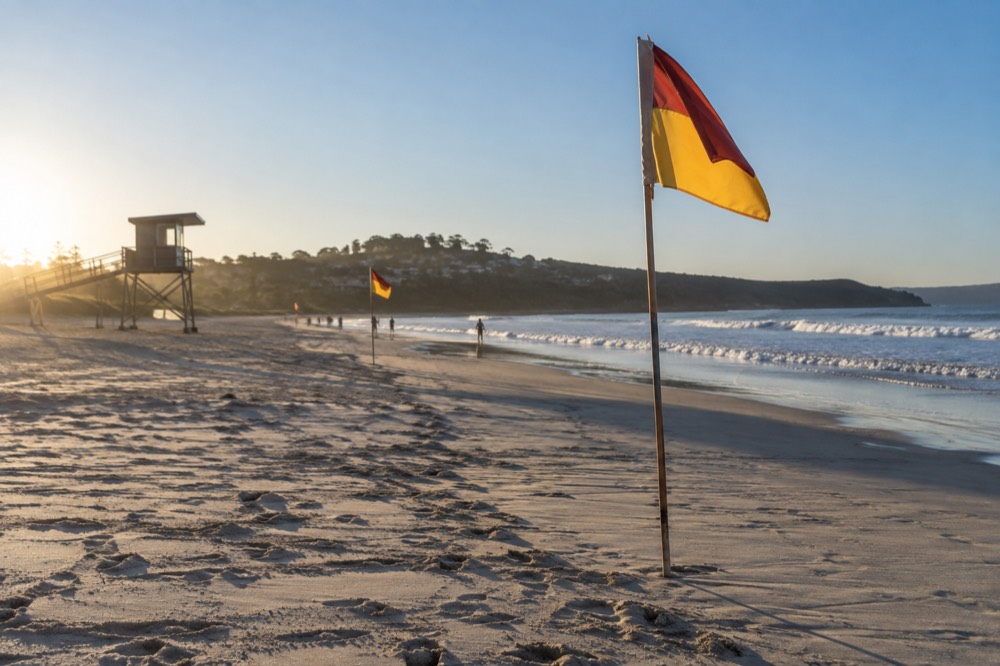
The Central Coast's own patrol dates are set by Central Coast Council and shift between seasons, so this guide will not print them: the honest instruction is to check the flags on the day and swim only when they are up. What can be said generally is that NSW's shark meshing program runs seasonally, with nets installed between Newcastle and Wollongong from 1 September to 31 March, and that nets reduce but do not eliminate risk and are not a barrier. Bluebottles are common in warmer months and after onshore winds; do not touch them, and if stung, leave the water, remove tentacles with seawater rather than bare hands, and immerse the sting in hot water around 45 °C for up to 20 minutes.
Can You See Whales or Dolphins on the Central Coast?
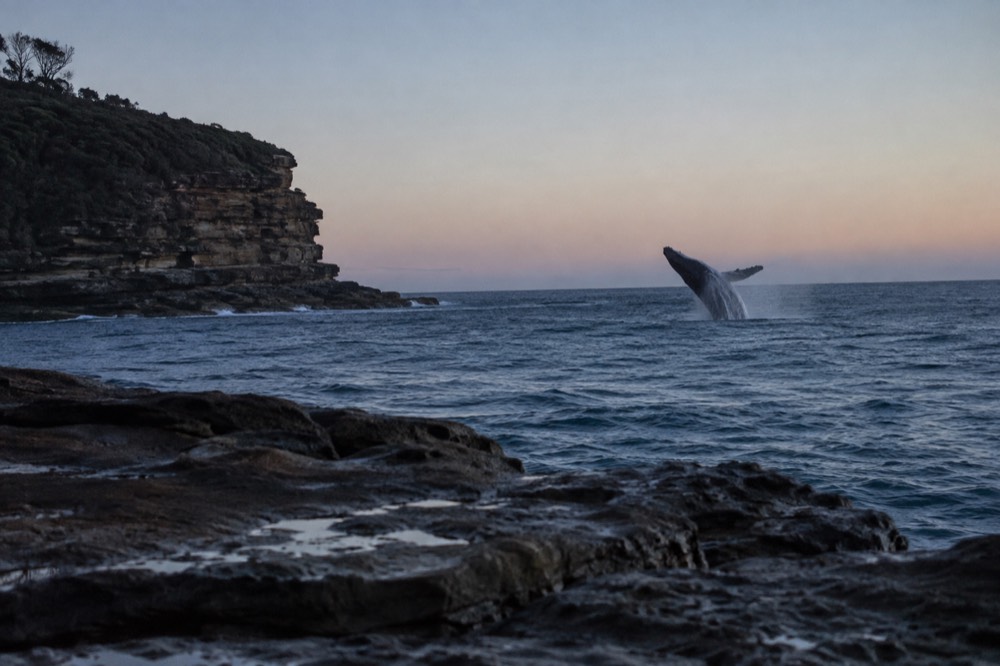
Yes, between May and November, when humpback whales migrate along the NSW coast, with the northern leg roughly May to July and the southern, calf-carrying leg roughly August to November, which passes closer to shore. The peak window is late June through July. An estimated 40,000-plus humpbacks migrate along the NSW coast each year according to NSW National Parks, and land-based vantage points on headlands, including those in the region's national parks, are a legitimate way to watch them for free.
The southern migration is the better one for a coastal walk, because cows and calves travel slower and hug the coastline. NSW National Parks publishes the migration timing and whale-watching guidelines on its Wild About Whales pages, and the headlands inside Bouddi National Park are exactly the kind of elevated, seaward-facing vantage point that works. Bring binoculars, walk in the morning before the afternoon sea breeze chops up the surface, and expect to spend longer looking than watching.
| Migration leg | Months | What you see |
|---|---|---|
| Northern migration | May-July | Adults heading to breeding grounds, steady northbound movement |
| Peak season | Late June-July | Highest numbers passing the NSW coast |
| Southern migration | August-November | Mothers with calves, travelling slower and closer to shore |
Dolphins are a different proposition: they are present year-round, but the reliable, boat-based dolphin experiences near Sydney cluster around Port Stephens and Jervis Bay rather than the Central Coast itself. If dolphins are the point of the trip rather than a bonus, our Port Stephens day trip guide and the Jervis Bay day trip guide cover the two destinations that do it properly, and the whale-watching specifics for the Sydney stretch of coast are in our whale watching in Sydney guide.
How Long Should You Spend, and What Does a Day Trip Cost?
One long day is enough for Terrigal plus one other stop, but a single Saturday with the $9.65 Opal cap, a picnic and one park entry fee is a genuinely cheap day out, well under $30 per person before food. Two days is the better shape if you want Bouddi's coastal walk and The Entrance without rushing, because the walk alone deserves half a day. The train makes the trip so cheap that the main cost is time, not money.
The arithmetic is straightforward. A weekend return train fare is inside the daily cap, Bouddi is $8 per vehicle or free on foot, and the beaches themselves cost nothing. Food is the variable: Terrigal's cafe strip will happily absorb a city-level lunch budget, while a picnic from a bakery does the same job for a fraction. The only way this trip becomes expensive is adding a guided experience, and the guided experiences that fit a Central Coast frame are the wildlife ones.
That wildlife-and-waterfalls loop runs about 11 hours and is the closest thing in the roster to a Central Coast sensibility, native animals and water in one day, even though it heads to the Southern Highlands and the coast south of the city rather than north. For a fuller cost picture of Sydney day trips in general, including the mountains and the Hunter, our Sydney trip cost breakdown does the maths per person per day.
How Does the Central Coast Compare with Sydney's Other Day Trips?
The Central Coast is the beach-and-bush option among Sydney's three great day-trip directions: north to the coast, west to the Blue Mountains, and north-west to the Hunter Valley. It is the cheapest by train, the least crowded on the water, and the only one where the headline attractions, the beaches, are free. The mountains win on drama, the Hunter on food and wine, and the coast on the simple question of whether you would rather spend your day looking at sandstone cliffs above the sea.
| Day trip | Direction | Guided tour length | Best for |
|---|---|---|---|
| Central Coast | North by train or M1 | Not served by a guided tour | Beaches, coastal walks, whales in season |
| Blue Mountains | West by train or tour | 10 hours | Cliffs, waterfalls, Scenic World, mountain villages |
| Hunter Valley | North-west by tour or car | 11 hours | Wineries, long lunches, small-group tastings |
| Royal National Park | South by train or car | Not served by a guided tour | The Coast Track, quiet beaches, second-oldest national park |
The Blue Mountains comparison deserves one specific correction to the folklore: entry to the Blue Mountains National Park itself is free everywhere except the Glenbrook area, where it is $8 per vehicle per day, so neither of the two headline day trips carries a meaningful entry cost. What the mountains do carry is a depth of guided product the coast lacks, and the all-inclusive circuit below is the strongest of it, a 10-hour small-group day with a local guide that covers the lookouts and the wildlife stops in one booked seat.
The Hunter Valley is the third leg of the triangle and the one that rewards an overnight stay rather than a day trip; our Hunter Valley day trip guide and the Blue Mountains day trip guide cover both in full. If you are choosing one single day out of Sydney and want the guided version of the mountains, the premium Hunter alternative below is the other strong contender, a five-star-rated 11-hour loop with a two-course lunch.
When Is the Best Time of Year to Visit the Central Coast?
Any month works, but the sweet spots are the shoulders: April-May and September-October, when the crowds are thin, the water is still swimmable and the whales are moving. If whale watching is the goal, target August to November for the close-to-shore southern migration, or late June and July for sheer numbers. Avoid assuming summer is the driest time to visit, because on the long-run averages June is the wettest month on this coast, wetter than any summer month.
That last point is the counterintuitive one, and it is worth internalising for every Sydney-region trip. The Bureau of Meteorology's long-term averages for Sydney, the nearest long-record station, show June with 133.1 mm of mean rainfall against 101.2 mm in January, and February with the fewest clear days of any month, 5.3, against August's 13.4. Peak tourist season is statistically the cloudiest time of year on this coast, and late winter is the clearest. The full climate table is in our Sydney weather month by month guide.
UV is the year-round caveat. Sydney passes the protection threshold, a UV index of 3, for most of the year and reaches extreme levels above 11 in summer, so sunscreen belongs on a Central Coast beach day in July just as much as in January. Seasons are inverted relative to the northern hemisphere: December, January and February are summer here, and June, July and August are winter, a point worth repeating because half the itineraries written for this city quietly assume the opposite. Daylight saving runs from the first Sunday in October to the first Sunday in April, and any sunset-time plan needs to say which clock it is using.
For the full seasonal picture, including which months best balance weather, crowds and prices, see our best time to visit Sydney guide, and for the winter-specific case, Sydney in winter. The short version: a Central Coast winter day is a walking day, not a swimming day, and it is often a clearer-sky day than the summer one either side of it.
Whatever shape your day trip takes, the coast, the mountains or the vineyards, the practical planning logic is the same, and the Sydney Travel Guide homepage is the place to start if you are building the whole trip rather than one day of it.
If you have settled on a guided day rather than a self-driven one, these three remain the strongest all-round picks from Sydney: the all-inclusive Blue Mountains circuit, the wildlife-and-wine loop, and the Opera House tour for the day you stay in the city.
Common Questions About the Central Coast
Is the Central Coast worth a day trip from Sydney?
Yes, if what you want is coastline without Sydney's crowds. Terrigal, The Entrance and Bouddi National Park make a full and varied day, and the train fare is capped at $9.65 on weekends and public holidays, which makes it one of the cheapest full-day trips you can take from the city. It is not the trip for drama or wineries; that is the Blue Mountains and the Hunter Valley.
How do I get to the Central Coast without a car?
Take the train from Central Station towards Gosford. Woy Woy, Gosford and Tuggerah are the useful stations, and Terrigal and The Entrance are a short bus or taxi ride from them. Pay with a contactless bank card or an Opal card; both are charged identically and both count towards the daily caps. Our guide to day trips from Sydney by train covers the car-free logic in full.
Can you see whales on the Central Coast?
Yes, from May to November, when humpbacks migrate along the NSW coast. The southern migration from August to November travels closest to shore because mothers move slowly with calves, and the peak for sheer numbers is late June through July. Headland vantage points inside Bouddi National Park are legitimate free whale-watching spots, and NSW National Parks publishes the official migration timings.
Do you have to pay to enter Bouddi National Park?
Yes, if you drive in: $8 per vehicle per day, the standard NSW National Parks rate for most fee-collecting parks around Sydney. Arrive on foot or by bike and there is no entry fee at all, which is true of nearly every NSW park fee because they are charged per vehicle, not per person.
Is it safe to swim at Central Coast beaches?
It is safe when you swim at a patrolled beach, between the red and yellow flags, during patrol hours, and unsafe to assume anything else. Patrol seasons and hours vary by beach and are set by the local council, so check that flags are up before entering. Rip currents are the number one hazard on every NSW surf beach, and the official advice is to stay calm, raise an arm for help, and float or swim parallel to the beach toward breaking waves.
What is the cheapest time to do this trip?
Any Friday, Saturday, Sunday or public holiday, when the adult Opal daily cap is $9.65 and covers your entire return train journey plus any buses you use on the coast. Public holidays get the same low cap, so they are the cheapest days to travel widely in NSW. Combine that with a free-entry beach and a picnic, and the whole day costs very little beyond food.