Hunter Valley Day Trip from Sydney: Wineries, Tours and What It Costs
The Hunter Valley is Sydney's wine country, close enough that a single day covers tastings, lunch and the drive there and back. Here is how to pick the right tour, what the trip actually costs, and when the region is at its best.
Short answer
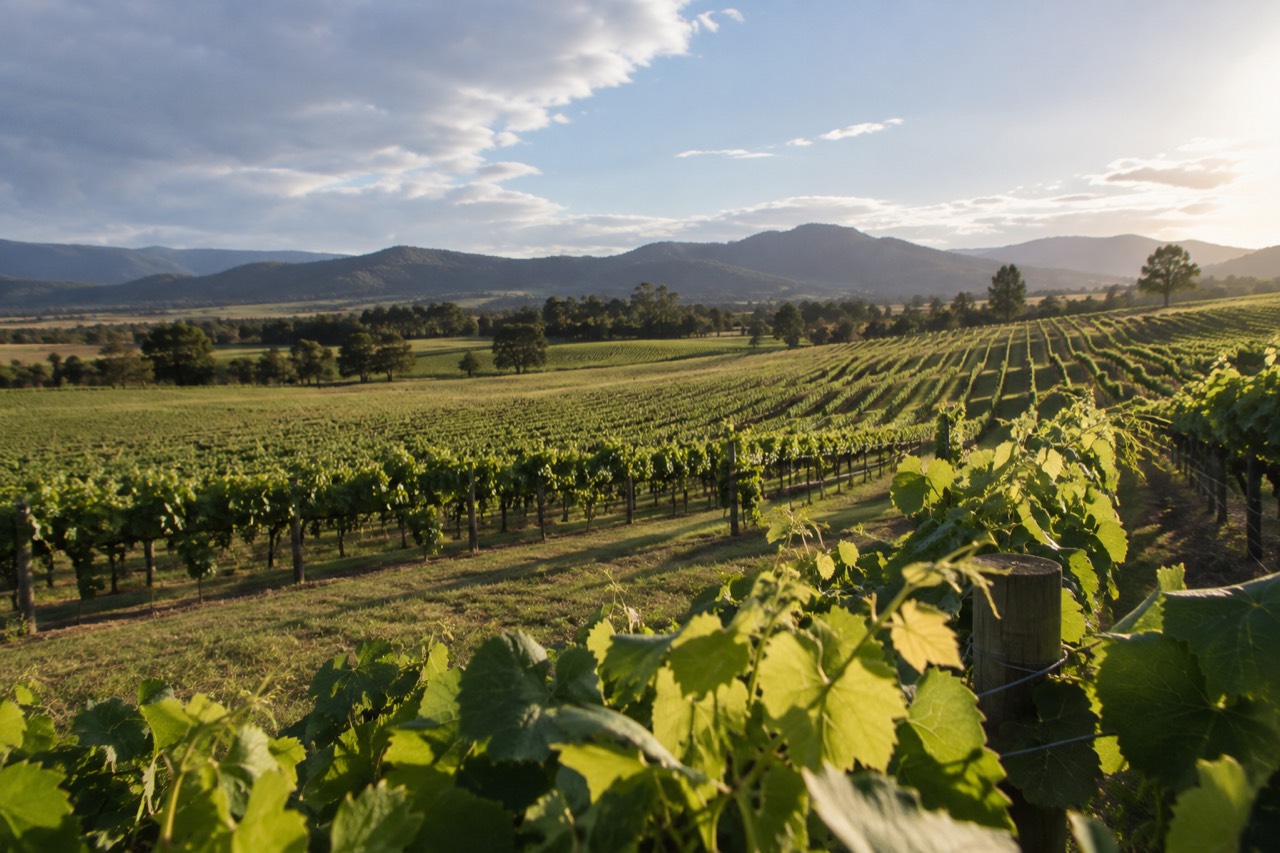
A Hunter Valley day trip from Sydney is easiest as a guided coach tour: the premium small-group option runs 11 hours and includes a two-course lunch and multiple tastings, from US$218.72. Self-driving works too, but the wine regions are spread out and the driver cannot drink. Spring and autumn are the best months; June is Sydney's wettest month on average.
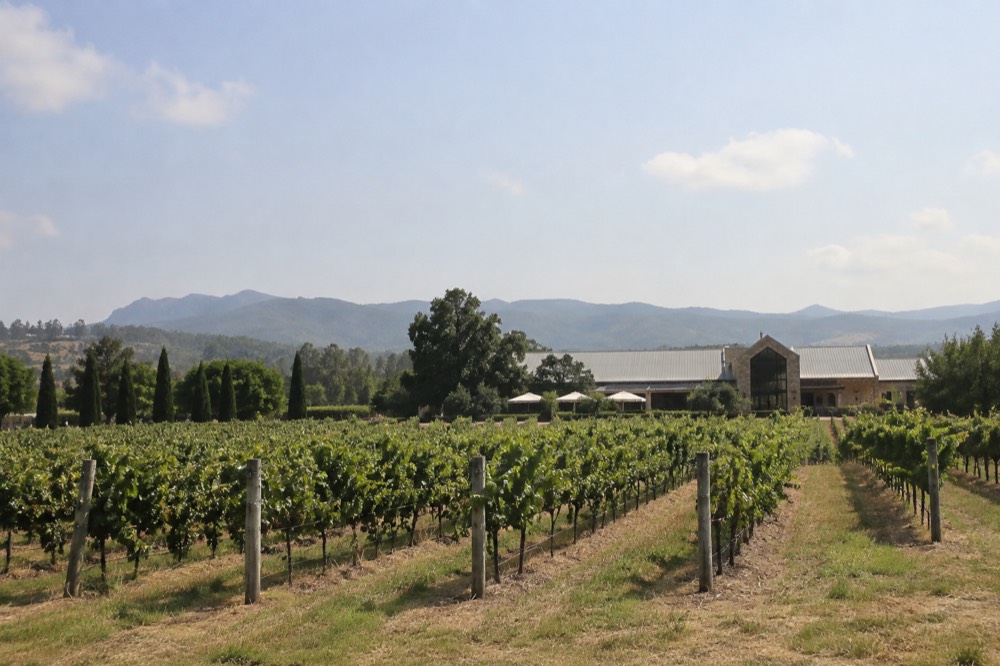
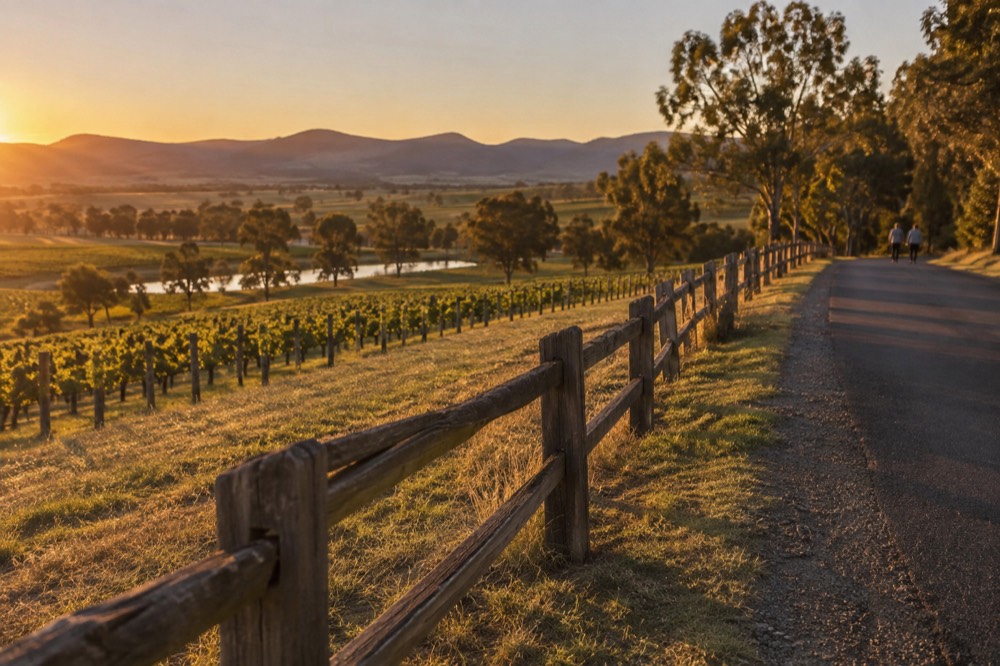
Sydney sits on one of the great wine regions of Australia's east coast. The Hunter Valley, north-west of the city, is the country's oldest continuously planted wine area, and its cellar doors, semillon and shiraz have been pulling Sydneysiders up the highway for well over a century. You do not need a week. You need one free day, a plan, and a decision about who is driving.
That decision shapes everything else. The tasting rooms are scattered across several sub-regions, not clustered in one walkable village, and the person behind the wheel cannot taste. It is the single biggest reason guided tours dominate this route, and it is where most of this guide concentrates. For the wider picture of escapes from the city, our day trips from Sydney roundup covers the coast, the mountains and the vineyards together.
Why the Hunter Valley Works as a Day Trip from Sydney?
Yes, the Hunter Valley genuinely works as a day trip, and it is one of the few Australian wine regions where a single day delivers a real experience rather than a rushed drive. The premium guided tours run about 11 hours door to door, including pickups in central Sydney, several cellar door tastings and a two-course lunch. You leave in the morning, taste through the middle of the day, and are back in the city by evening.
The maths of the day favours the organised visitor. A tour that runs 11 hours spends roughly three of those on the road and the rest inside the region, which is a better ratio than most city-based wine day trips anywhere in the country. Self-drivers face the same road time but add navigation, parking and the awkward fact that the driver is effectively sober all day.
There is also the question of what you are tasting. The Hunter is famous for semillon, a style barely known outside Australia, and for shiraz with a distinctive earthy character. A good guide explains both, which is worth more than an extra hour at any single cellar door. If your trip is wider than wine, the best time to visit Sydney guide explains how the Hunter fits the broader seasonal picture.
Which Hunter Valley Day Trip Should You Book?
For most visitors the premium small-group wine tour is the right call: it runs 11 hours, includes a two-course lunch and visits multiple cellar doors, from US$218.72, with a 4.6 rating across 430 reviews. If you want wine plus Australian wildlife in one long day, the Wildlife, Waterfalls and Wine tour covers both. Budget travellers should compare the all-inclusive Blue Mountains trip instead, because a cheap Hunter tour that skips lunch and tastings usually costs more once you buy them separately.
The premium option earns its place by removing every decision. Coach pickup in Sydney, a set lunch, and a route that mixes the big-name producers with smaller family cellar doors. Traveller reviews consistently single out the lunch and the guide's commentary as the parts worth paying for. The trade-off is the group setting; if you want a private car and a bespoke route, expect to pay considerably more.
The trio above is deliberate. The Hunter Valley tour is the wine day itself. The Blue Mountains all-inclusive is the same price bracket aimed at people who prefer lookouts to cellar doors, and it is worth reading both listings before choosing. The Opera House tour is the classic Sydney fallback: if the forecast turns wet, an indoor hour in the city's most famous building beats a rainy vineyard.
For a different mix, the Wildlife, Waterfalls and Wine day tour blends the region's cellar doors with native animals and a waterfall stop, also running 11 hours. It suits travellers who want the wine but would regret leaving the country without seeing kangaroos or koalas, and it works well for families where only half the group cares about tasting rooms.
| Tour | Time | Format | Best for |
|---|---|---|---|
| Premium Hunter Valley Wine Tour | 11 hours | Small group, lunch included | First-time visitors, serious tasters |
| Wildlife, Waterfalls and Wine Day Tour | 11 hours | Small group, mixed stops | Families, wildlife plus wine |
| Blue Mountains All-Inclusive Day Trip | 10 hours | All-inclusive, local guide | Lookouts, Scenic World, non-drinkers |
How Much Does a Hunter Valley Day Trip Cost?
A guided Hunter Valley day trip costs from US$218.72 per person for the premium small-group tour with lunch, and that is the honest total for most travellers: transport, tastings and the meal are included. Self-driving saves the tour fare but adds petrol, tasting fees at each cellar door and lunch, which typically lands close to the tour price once two people share a car. There is no tipping expectation on top.
The guided route is the easier sum to explain. One payment covers the coach, the tastings and the two-course lunch. Tipping is not expected in Sydney restaurants, so there is no hidden 15 to 20 percent on top, a point we cover in detail in our guide to tipping and etiquette in Sydney.
Self-driving is the wildcard. The car itself is cheap by the day; the costs that surprise people are the tasting fees, which many cellar doors charge per person and some waive against a bottle purchase, and lunch, which in the Hunter's better restaurants sits at city prices. Two people splitting a car often spend close to what the tour charges, and one of them cannot drink.
If the whole budget is under review, the Sydney trip cost breakdown puts the day trip in context against accommodation, food and transport across a full visit. Public transport within Sydney itself is cheap once you are inside the Opal caps, with fares and caps published on the Transport for NSW fares page, but the Hunter Valley sits outside the Opal network, so none of those caps apply to the wine region itself.
| Expense | Guided tour day | Self-drive day (2 people) |
|---|---|---|
| Transport | Included in tour price | Car hire plus fuel, split two ways |
| Tastings | Included at listed cellar doors | Paid per person at each stop |
| Lunch | Two-course lunch included | Restaurant prices, city-level |
| Driver's day | Everyone tastes | Driver stays sober |
| Planning effort | None after booking | Route, bookings, parking |
How Do You Get to the Hunter Valley from Sydney?
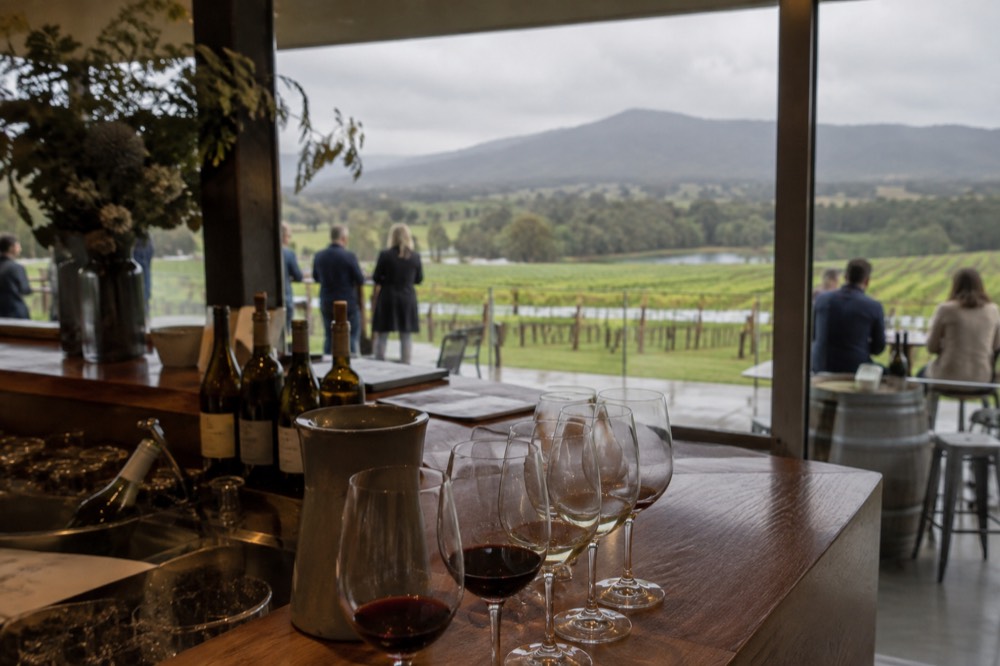
Most visitors take a guided coach, which picks up in central Sydney and handles the whole return journey inside the 11-hour day. Self-driving is the second option and gives total freedom over which cellar doors you visit, at the cost of the driver missing every tasting. Public transport is the weak option: the region is not on the Opal network and connections are thin, so it only suits a determined traveller staying overnight rather than doing the trip in a day.
The coach is not just the easy choice, it is the efficient one. The operators running out of Sydney know the back roads, the parking and the cellar doors that can actually absorb a group at short notice. Self-drivers arriving at a small family producer on a Saturday without a booking are often turned away, a detail that rarely appears in the glossy version of the wine-country weekend.
Driving yourself does have one real advantage: you set the pace. If one cellar door charms you, you stay. The price is planning, because the best restaurants and several smaller producers take weekend bookings only, and the driver of the group spends the day as a chauffeur. For anyone weighing a car against the city's otherwise excellent public transport, our do I need a car in Sydney piece covers the same trade-off for the city itself.
The rail option deserves honesty. There is no fast train from Sydney to the heart of wine country, and the connections that do exist are built for commuters and locals, not for a day visitor with a tasting schedule. If you are set on public transport, treat the Hunter as an overnight trip and stay in one of the towns rather than attempting the out-and-back.
What Does a Good Hunter Valley Day Look Like Hour by Hour?
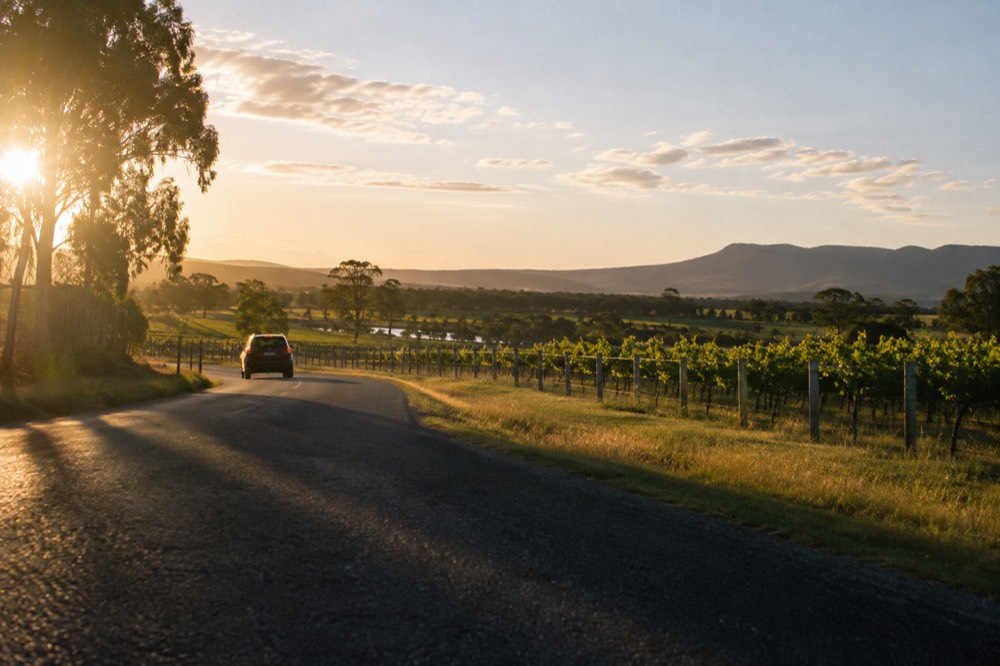
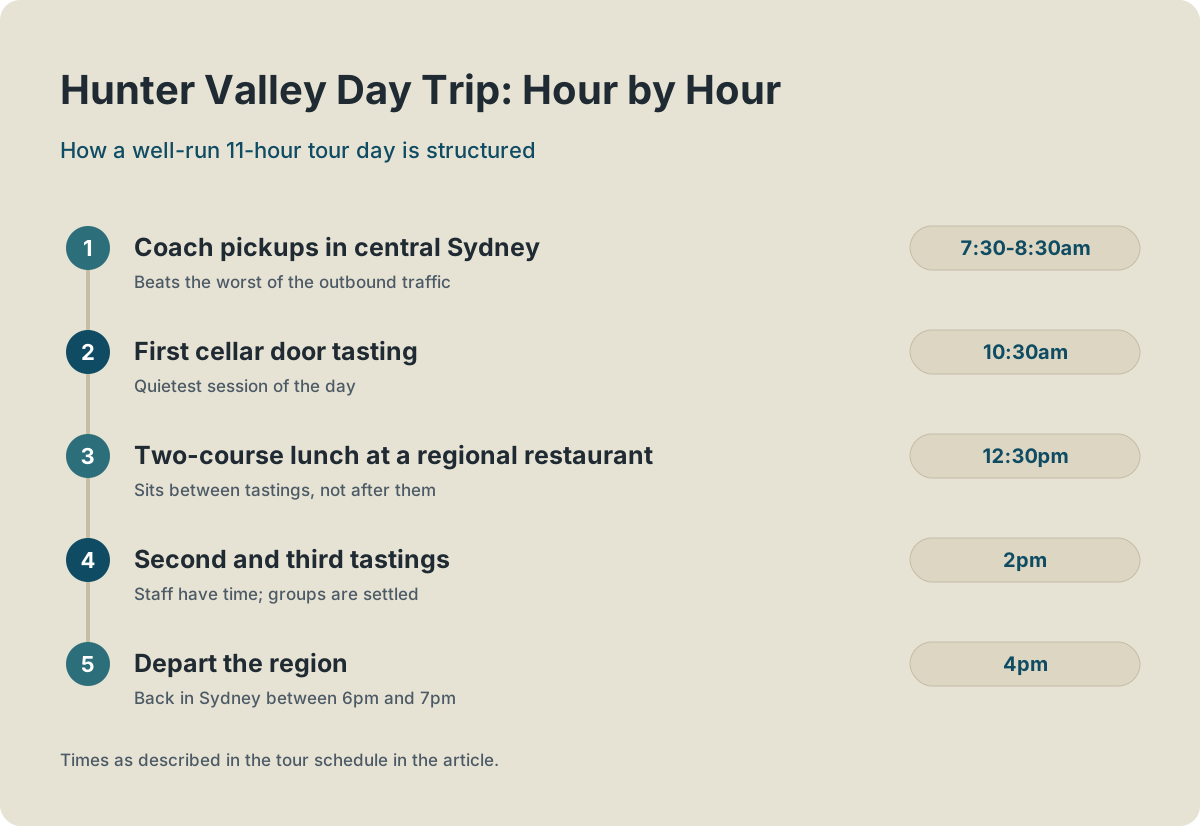
A well-run day leaves central Sydney around 7:30 to 8am, reaches the first cellar door by late morning, runs two or three tastings either side of a sit-down lunch, and departs the region around 4pm to land back in the city between 6pm and 7pm. That structure is why the tours are sold as 11-hour days. It is also why late starts fail: a 10am departure from your hotel means arriving at the first tasting at lunchtime, which wastes the morning's coolest, clearest hours.
The shape of the day matters more than the specific stops. Morning sessions are quieter, the light is better for photographs of the vine rows, and the tasting-room staff have time to talk. Afternoon sessions at the bigger producers can feel like a conveyor, especially on Saturdays. A tour that front-loads its visits gets you the better experience at every stop.
| Time | What is happening | Why it works |
|---|---|---|
| 7:30-8:30am | Coach pickups in central Sydney | Beats the worst of the outbound traffic |
| 10:30am | First cellar door tasting | Quietest session of the day |
| 12:30pm | Two-course lunch at a regional restaurant | Sits between tastings, not after them |
| 2pm | Second and third tastings | Staff have time; groups are settled |
| 4pm | Depart the region | Lands back in Sydney before dinner is over |
Two practical notes from the region itself. Eat the lunch properly; the Hunter's restaurants are a genuine reason for the trip and skipping the meal to squeeze in a fourth tasting is a bad trade. And pace the tastings; three cellar doors is the sweet spot for a single day, and the fourth stop is where most people stop enjoying the wine and start enduring it.
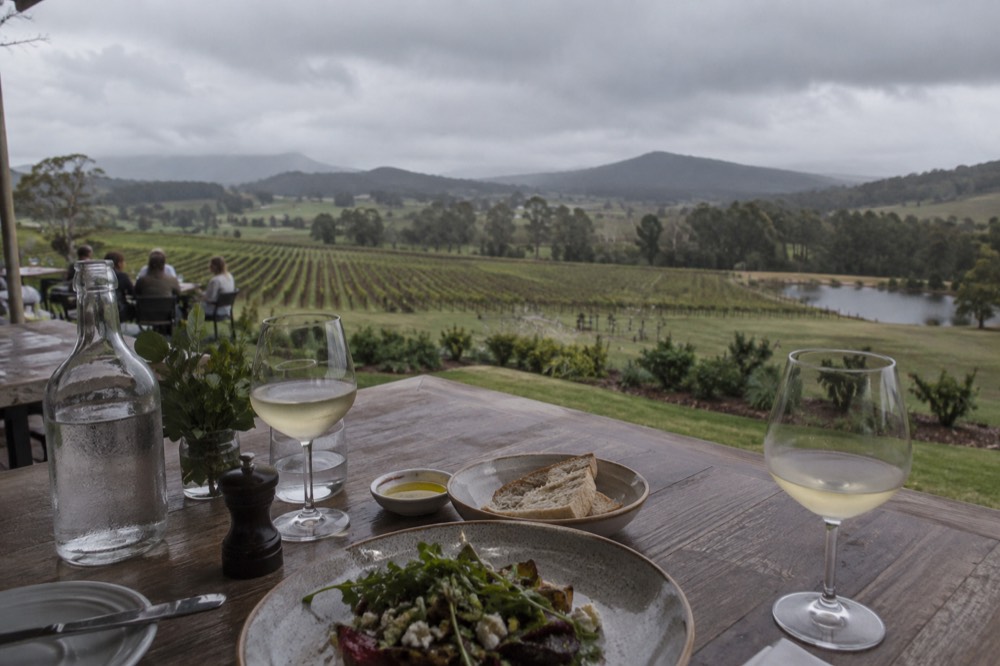
When Is the Best Time of Year for a Hunter Valley Day Trip?
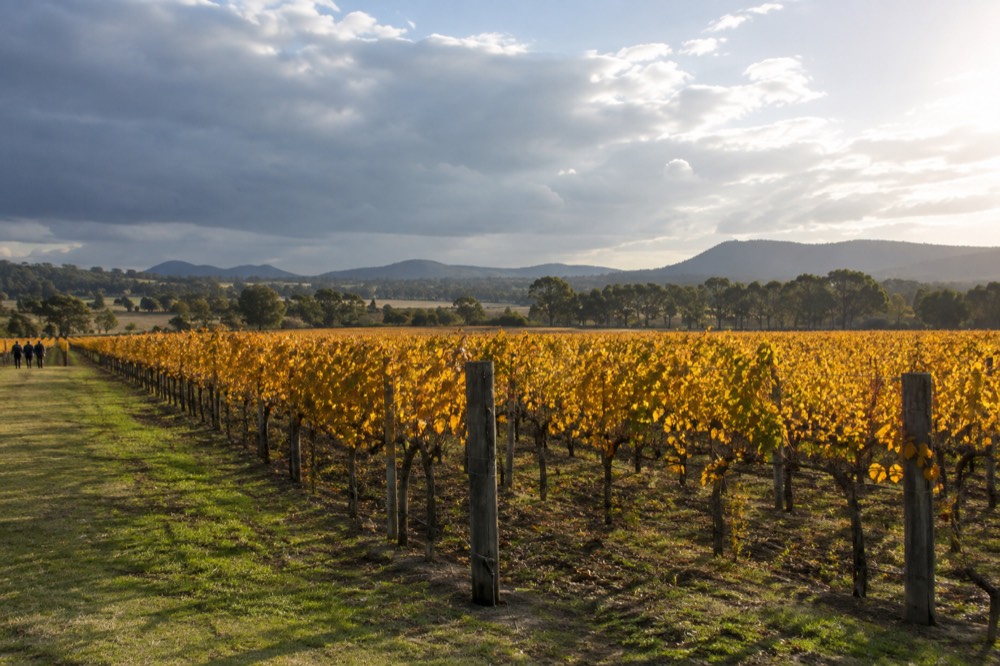
Autumn, March to May, is the best time: harvest is done or finishing, the vine leaves turn colour, and Sydney's autumn rainfall is moderate rather than at its June peak. Spring, September to November, is the strong runner-up. Avoid June if the weather matters to you: Bureau of Meteorology records show it is Sydney's wettest month on average at 133.1 mm, wetter than any summer month, and February, deep in peak season, is statistically the city's cloudiest month at 5.3 mean clear days.
That June figure surprises almost everyone. The assumption that an Australian coastal city rains hardest in summer is simply wrong for Sydney, and the Bureau of Meteorology's long-run averages, published on its climate normals page, are the record to check. August, mid-winter, is actually Sydney's clearest month, averaging 13.4 clear days, which makes a crisp winter Hunter day a better bet than a February one.
| Season | Months | Mean max in Sydney | Mean monthly rain | Verdict for the Hunter |
|---|---|---|---|---|
| Summer | Dec-Feb | 25.3-26.0 °C | 77.1-119.3 mm | Warm but cloudiest skies of the year |
| Autumn | Mar-May | 19.5-24.8 °C | 117.4-131.6 mm | Harvest colour, best all-round choice |
| Winter | Jun-Aug | 16.4-17.9 °C | 80.2-133.1 mm | Clearest skies in July-August, coldest days |
| Spring | Sep-Nov | 20.1-23.7 °C | 68.1-83.8 mm | Lowest rainfall, vineyard greenery |
Crowds follow the calendar as much as the weather. Weekends and public holidays are the busiest slots in the region, and NSW public holidays carry an extra quirk worth knowing: the first Monday in August is the Bank Holiday, which applies to bank branches and certain financial institutions only, so shops, attractions and tours in the region run normally. Our Sydney public holidays guide covers which dates genuinely change a visitor's plans.
Is a Guided Tour Better Than Driving Yourself?
For a one-day trip, yes, a guided tour is better for almost everyone, because the Hunter Valley's cellar doors are spread out and the driver cannot drink. A tour also carries the bookings: the better producers hold space for known operators, which a walk-in self-driver cannot get on a busy Saturday. Driving yourself only wins if you have a designated non-drinking driver who genuinely does not mind, or you are staying overnight and spreading the tastings over two days.
The social arithmetic is blunt. On a [self-drive](https://discovercars.tpk.ro/FvKIyzXW) day, one adult in the car gets the full experience and the other gets the full experience of watching. On a tour, everyone tastes, nobody navigates, and the guide's commentary about the region's history and the semillon style is worth listening to even if you never buy a bottle.
There is a middle path worth naming: the mixed-interest tours. The Wildlife, Waterfalls and Wine day, above, is built for groups where wine is not the only goal, and it splits the day between cellar doors, native animals and a waterfall walk. Reviews describe it as a full but varied 11 hours, and it suits families with teenagers better than a pure tasting itinerary would.
For travellers planning several escapes, the comparison is worth making across regions. Our Blue Mountains day trip guide covers the other classic Sydney day trip, and the mountains suit non-drinkers, walkers and photographers in a way the vineyards do not. Many visitors do the Hunter one day and the mountains the next; the two days share almost nothing except the early start.
What Should You Know Before the Day Itself?
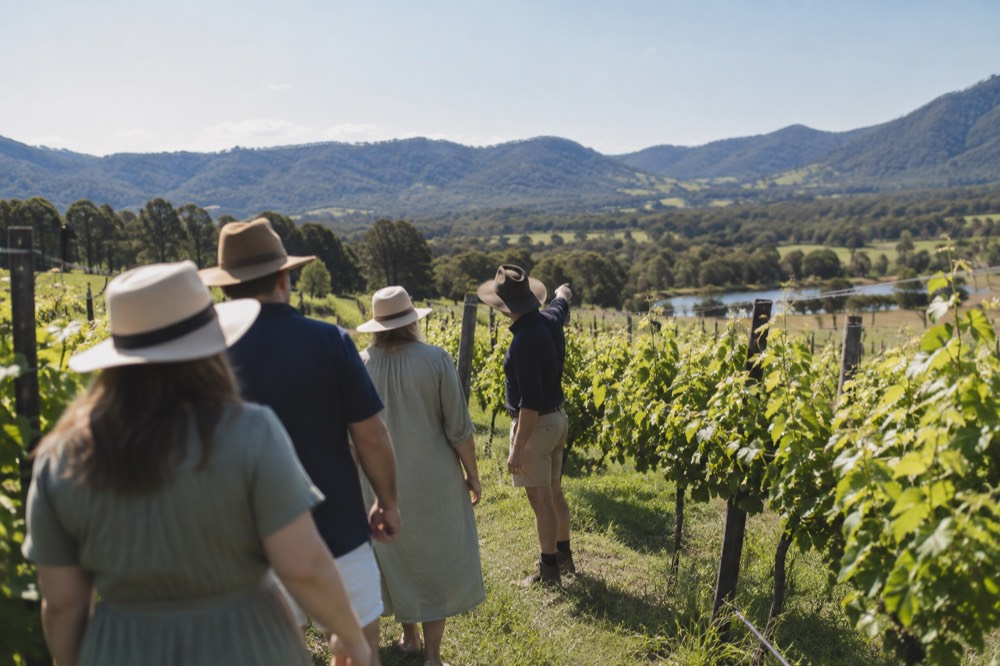
Book the tour before you fly, wear layers and closed shoes, eat breakfast, and plan to be back in Sydney between 6pm and 7pm. The Hunter is a working rural region, not a theme park: cellar doors close by late afternoon, the best restaurants need reservations, and the day runs on the coach's clock, not yours. Check the forecast the night before, because a wet day in the vineyards is still a good day, but a cold, wet one without a jacket is miserable.
Clothing is the detail people get wrong. A spring morning in wine country can start near 11 °C in Sydney and warm past 20 °C by lunch, so layers beat a single heavy jacket. Closed, comfortable shoes matter more than style; the paths between cellar doors and parking areas are gravel and grass, and the region's charm is partly that it has not been fully paved.
If your day trip appetite runs wider than wine, the all-inclusive WILD wombat and kangaroo day tour, above, is another 10-and-a-half-hour option that trades cellar doors for guaranteed wildlife viewing, and it consistently rates at the top of its category. Some travellers pair it with a Hunter day across a two-day weekend, splitting the region's wine from the state's animals.
One more planning note: the Sydney end of the trip. Most tours pick up near Central Station or in the CBD, so if you are staying elsewhere, budget the transfer time into your morning. Our getting around Sydney guide covers the ferry, train and bus options for reaching a CBD pickup point, and the ferries in particular make the early ride to the coach feel like part of the day rather than a commute. This site, Sydney Travel Guide, keeps the whole set of those connections in one place.
Common Questions About Hunter Valley Day Trips
Can you do the Hunter Valley as a day trip from Sydney?
Yes. Guided tours run about 11 hours door to door, including Sydney pickups, multiple cellar door tastings and a two-course lunch. You leave around 7:30 to 8am and are back in the city between 6pm and 7pm. The organised day works better than a rushed self-drive because the driver cannot drink and the best cellar doors hold space for known tour operators.
How much does a Hunter Valley day trip cost?
The premium small-group wine tour with a two-course lunch costs from US$218.72 per person, with transport and tastings included. A self-drive day for two people often lands close to that once you add fuel, tasting fees and lunch, and one of the two cannot drink. Tipping is not expected, so the tour price is effectively the whole cost of the day.
What is the best month to visit the Hunter Valley?
Autumn, March to May, is the best window: harvest colour, moderate weather and thinner weekend crowds than summer. Spring, September to November, is the runner-up with the lowest average rainfall. Avoid June if the weather matters; Bureau of Meteorology records show it is Sydney's wettest month on average at 133.1 mm.
Do you need to book a Hunter Valley tour in advance?
Yes, especially for weekend and public holiday dates. The premium small-group tours have limited seats and the best ones sell out first. Booking ahead also locks your lunch reservation, which the region's better restaurants require on busy days.
Can you get to the Hunter Valley by public transport?
Not practically for a day trip. The region sits outside the Opal network and the connections are thin, built for locals rather than visitors. If you are set on public transport, plan an overnight stay instead of the out-and-back day, or take a guided coach tour, which handles the whole journey.
Which wine is the Hunter Valley famous for?
Semillon, particularly the young, lightly styled version that barely exists outside Australia, and a distinctive earthy shiraz. A good guide spends the day explaining both, which is a real advantage over tasting alone: the region's story is easier to enjoy when someone tells it while you taste.