Jervis Bay Day Trip from Sydney: Dolphins, Beaches and the 12-Hour Question
Jervis Bay packs dolphins, kangaroos and some of the whitest sand you will see anywhere into one very long day trip from Sydney. Here is how to decide whether it is worth the drive, and how to do it.
Short answer
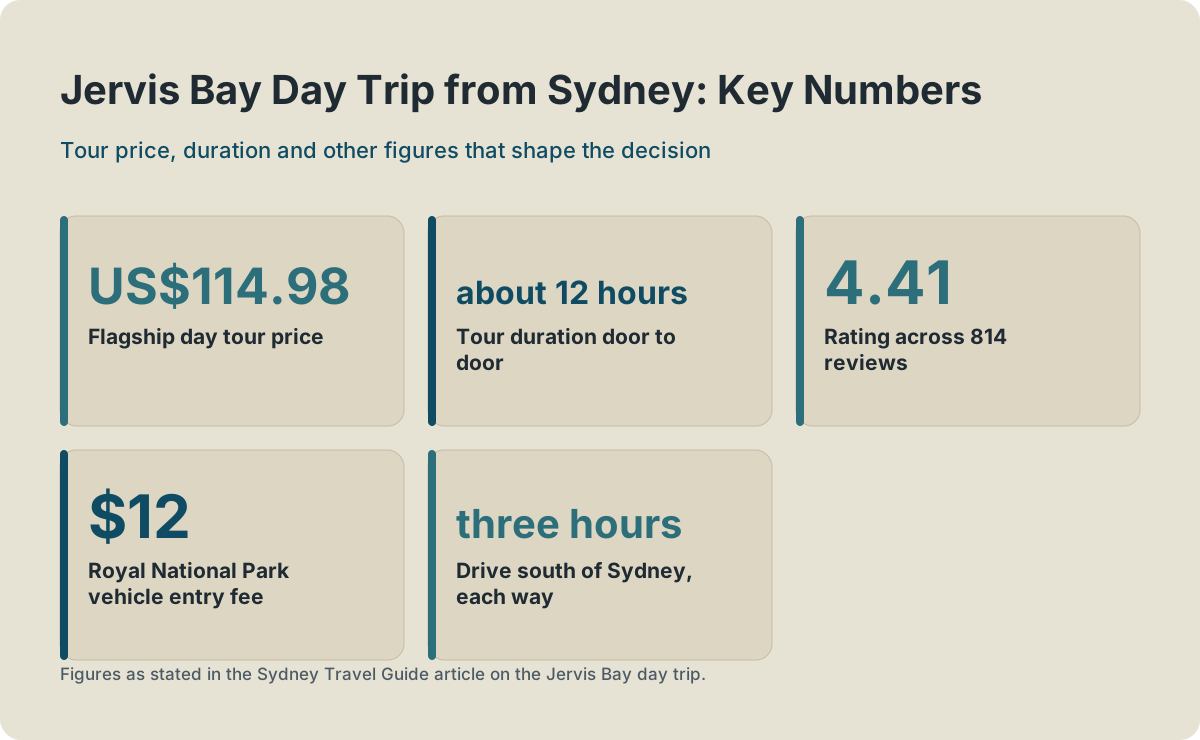
Jervis Bay is a full-day commitment from Sydney: the popular organised tour runs about 12 hours door to door, from US$114.98. It pairs a dolphin-spotting cruise with a wildlife stop and beach time. The bay sits on the NSW South Coast inside a marine park, and the best months for clear skies are August through October, not summer.
Jervis Bay is the trip Sydneysiders recommend when you ask them where to go that is not the Blue Mountains. The bay sits on the NSW South Coast, sheltered inside a marine park, and the day trip that bears its name is one of the longest single-day products on the Sydney roster: about 12 hours door to door. That length is the whole decision. Everything else, the dolphins, the kangaroos, the sand, is the easy part.
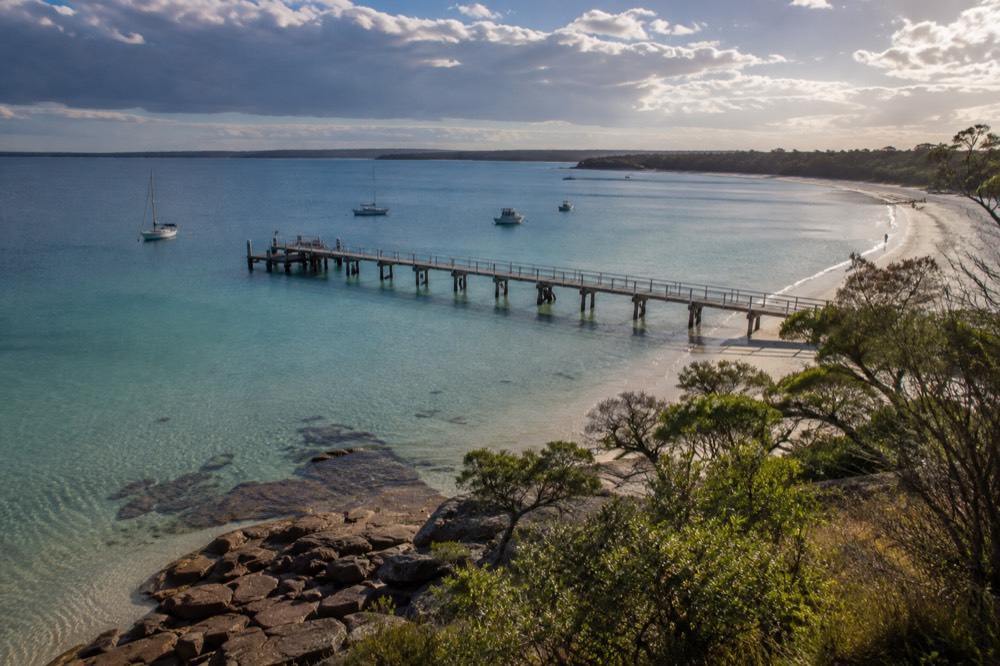
This guide works through the decision honestly: what the drive involves, what the organised tour actually gives you, when to go, and what to do instead if 12 hours sounds like too much. The short version is that Sydney Travel Guide rates Jervis Bay as a top-tier day trip for wildlife and beach scenery, but a mid-tier one for anyone who hates long stretches in a vehicle.
Is a Jervis Bay Day Trip from Sydney Worth It?
Yes, if wildlife and white-sand water are your priority and you can stomach a 12-hour day. The headline tour runs from US$114.98, lasts about 12 hours, and combines a dolphin cruise with kangaroo sightings and beach time. If your Sydney list is already long, a closer option such as the Blue Mountains, a 10-hour trip, delivers more per hour spent travelling. Worth it, selectively.
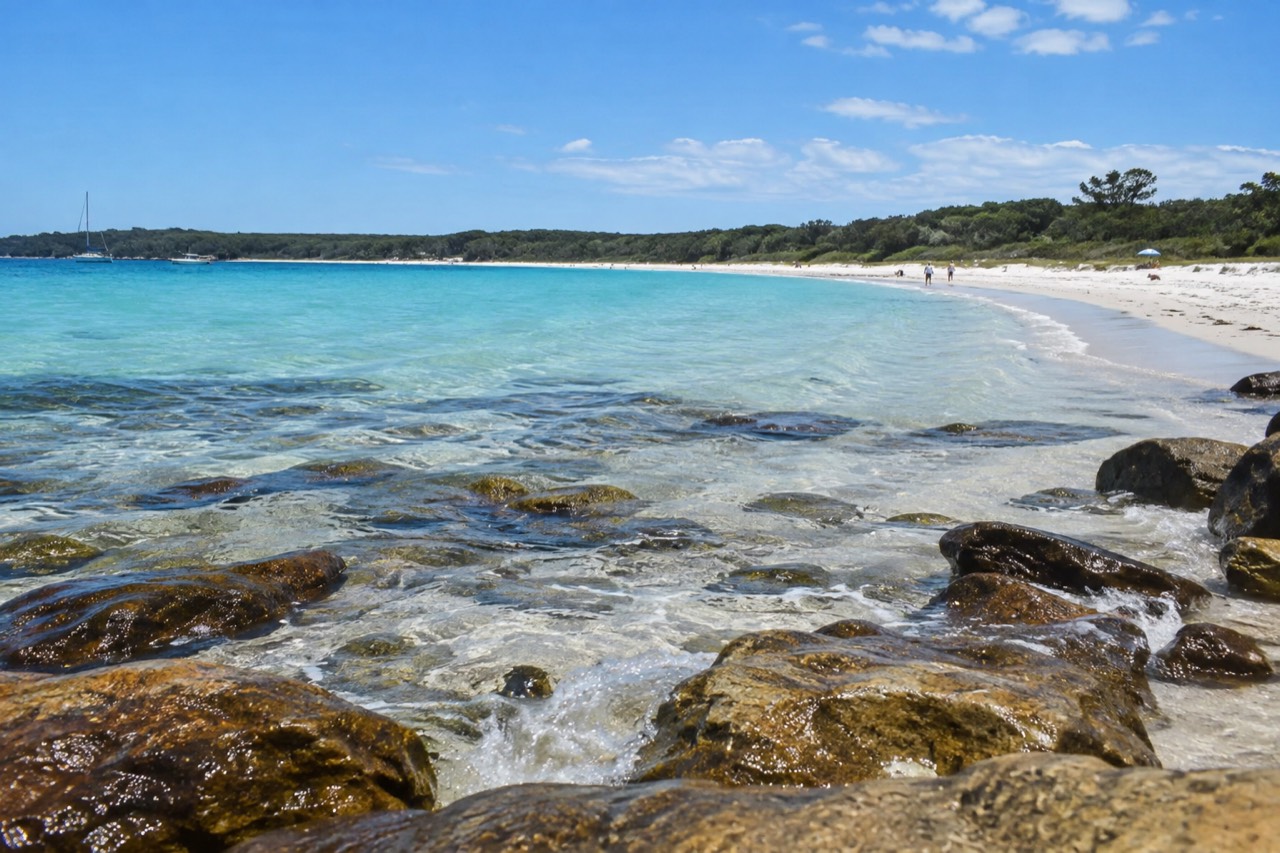
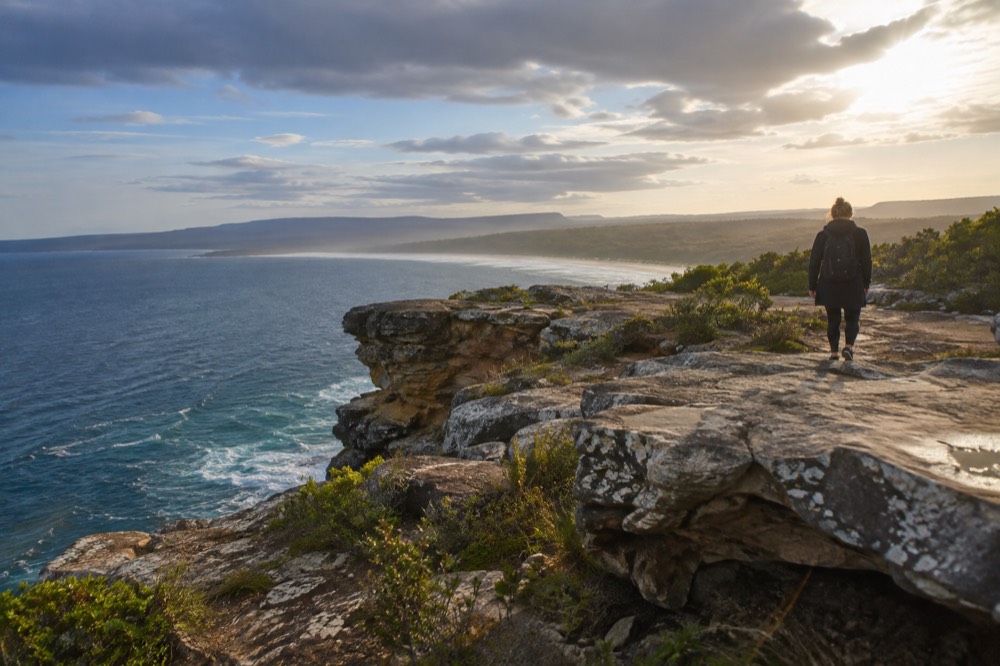
The case for Jervis Bay is concentration. In one day you get a marine park famous for resident dolphins, a stretch of coast with sand that is genuinely, famously white, and a wildlife stop where eastern grey kangaroos graze in the open. Very few destinations within a single day's reach of Sydney offer all three. The Port Stephens day trip also runs dolphins, roughly the same 12-hour commitment, but its beaches are a different proposition and its wildlife component is less reliable.
The case against is arithmetic. Twelve hours is a big withdrawal from a short Sydney stay. If you have three days in the city, spending one of them mostly in a coach is a poor trade, and a 1 day in Sydney plan will serve you better. If you have five or more days, the maths changes: one long day on the coast costs you nothing you would otherwise have used well.
The honest middle position: treat Jervis Bay as a weather call. The South Coast is at its best outside peak summer, and the Bureau of Meteorology's long-run averages, which we get to below, say the clearest skies of the entire year arrive in August. A winter Jervis Bay day can beat a February one.
How Far Is Jervis Bay from Sydney and How Do You Get There?
Jervis Bay lies on the NSW South Coast, roughly three hours' drive south of Sydney each way, which is why every organised version of this trip runs about 12 hours door to door. Your three options are an organised coach tour, a self-drive, or a train-and-bus combination via the South Coast line. The coach tour is the only one that bundles the dolphin cruise.
The drive itself is straightforward: you head south through the Royal National Park corridor and continue down the Princes Highway. That corridor is worth a mention because the Royal National Park charges $12 per vehicle per day at its entry stations, a fee that catches plenty of day-trippers by surprise, though it applies only if you actually enter the park rather than pass along its edge. Vehicle fees at NSW national parks are per vehicle, so a car of four splits them four ways.
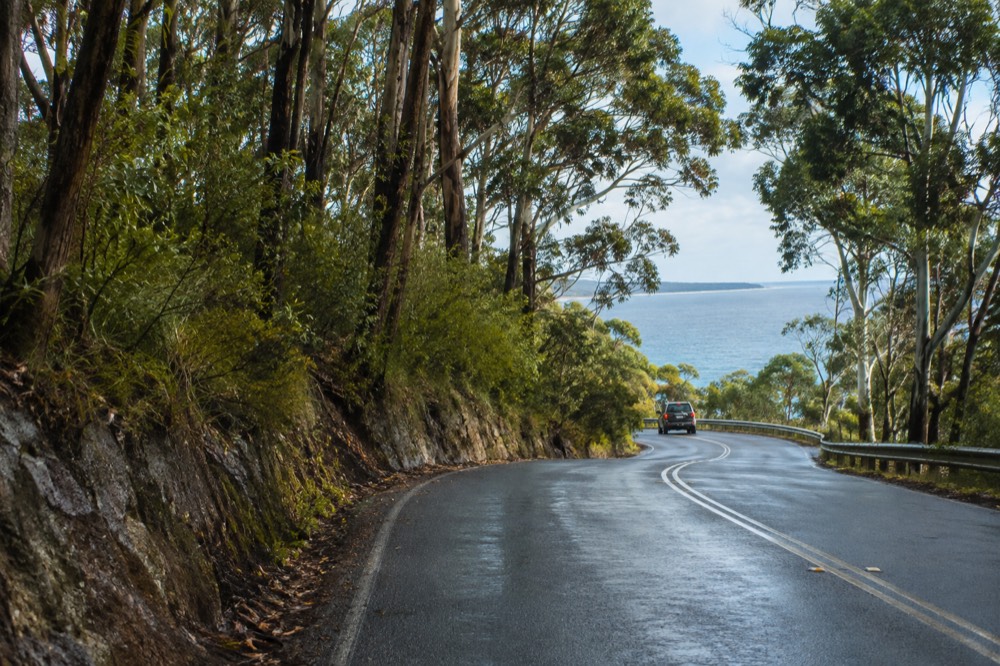
[Self-drive](https://discovercars.tpk.ro/FvKIyzXW) gives you the most control and the most responsibility. You choose the departure time, you choose the beach, and you wear the fatigue of four-plus hours behind the wheel in a single day. Public transport exists via the South Coast train line with a bus connection for the final leg, but as a day trip it is slow enough that most visitors who rule out driving simply book the coach tour instead.
One planning note that matters more than people expect: NSW observes daylight saving from the first Sunday in October to the first Sunday in April, per the official NSW Government daylight saving page. A 12-hour day trip in January means a 7am-ish departure in full summer heat and a return after dark; the same trip in August means a colder start and shorter daylight overall. Neither is wrong, but pack for the one you are actually in.
What Does an Organised Jervis Bay Day Tour Include?
The flagship Sydney to Jervis Bay day trip runs about 12 hours, from US$114.98, and includes coach transport from central Sydney, a dolphin-spotting cruise on the bay, a stop where wild kangaroos are commonly seen, and beach time. Food arrangements vary by departure, so check what your session includes before booking. It carries a 4.41 rating across 814 reviews.
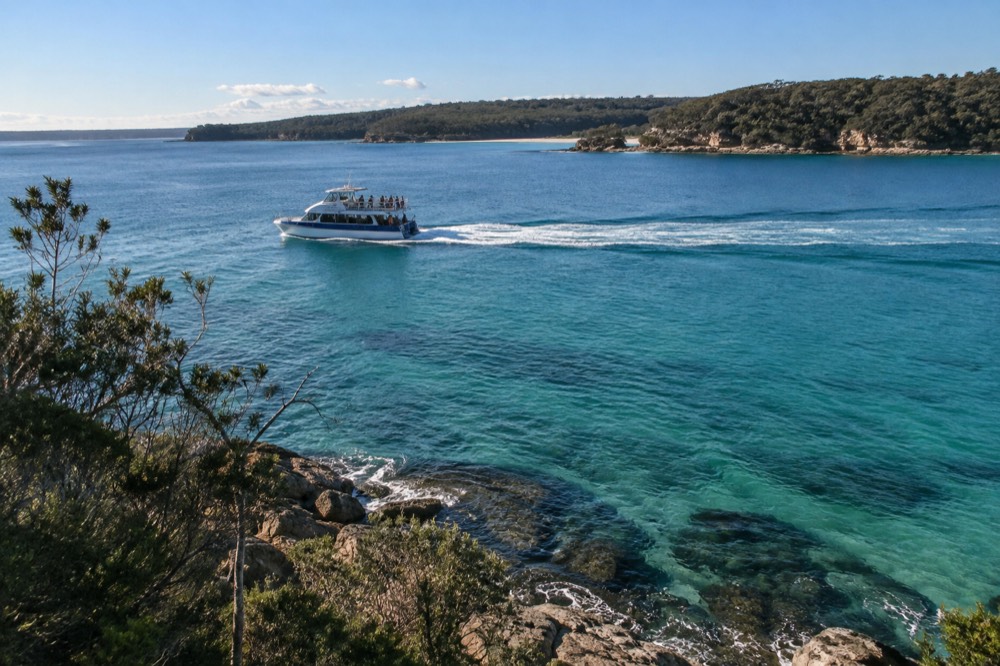
The structure of the day is consistent across the season: an early central-Sydney pickup, the long drive south broken with a rest stop, the dolphin cruise as the centrepiece, then the wildlife and beach components before the drive home. The cruise is the part you cannot easily self-organise as a day-tripper, because boat departures from the bay are geared to people already staying in the area.
| Part of the day | Organised tour | Typical DIY day |
|---|---|---|
| Transport from Sydney | Coach, pickup in central Sydney | Own car or train plus bus |
| Dolphin cruise | Included in the ticket | Booked separately on arrival, subject to availability |
| Kangaroo stop | Built into the itinerary | Self-found, no guarantee of timing |
| Beach time | Scheduled, usually the mid-afternoon block | As long as you like, but you drive home after |
| Guide commentary | Included, on the coach and boat | None |
| Total duration | About 12 hours | Typically 12 to 14 hours door to door |
The trade is simple. The tour trades flexibility for certainty: you will be on the water, you will be shown where the kangaroos are, and you will not be finding your own way along an unfamiliar coast at the end of a long day. DIY trades certainty for freedom, and the freedom mostly benefits people who want to linger at one beach rather than see the whole circuit.
Will You Actually See Dolphins and Kangaroos?
Dolphins: very likely. Jervis Bay is home to resident bottlenose dolphins and the cruise is built around them, though no operator can promise a sighting on any given departure. Kangaroos: commonly seen at the tour's wildlife stop, where they graze in the open, but they are wild animals and timing matters. Humpback whales pass the NSW coast from May to November.
The dolphin claim is the strongest one in the itinerary. The bay's resident pods are the reason the cruise industry exists there, and the tour's whole structure is designed around getting you onto the water with them. That said, the honest phrasing is "very likely", never "guaranteed": any operator that promises a wild animal on demand is promising something it cannot control.
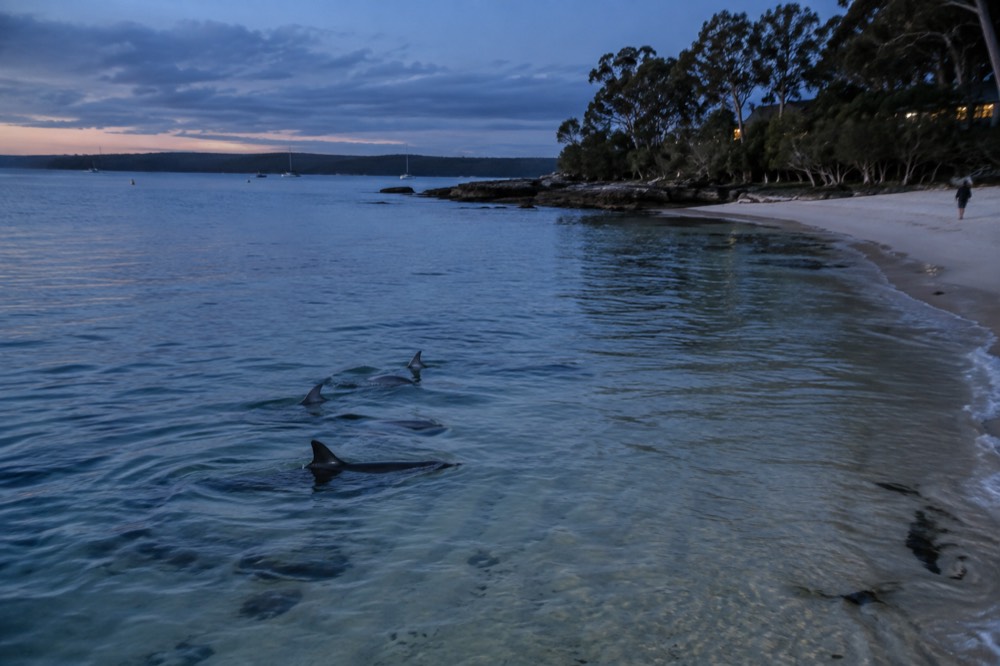
The whale question is seasonal, and the season is well documented. NSW National Parks records that humpbacks migrate along the NSW coast from May to November, northbound roughly May to July and returning with calves from August to November, with peak numbers late June through July. An estimated 40,000-plus humpbacks make the annual migration along the NSW coast. If your Jervis Bay day falls inside those months, the cruise has a genuine chance of a whale sighting on top of the dolphins; outside them, it does not, and no one should book expecting one. Our whale watching in Sydney guide covers the season in more depth.
Kangaroos are a different kind of sighting: a land-based one, at a stop where the animals are accustomed to people passing at a distance. They are most active in the cooler hours, which is one quiet argument for the shoulder-season departure over a midsummer one.
Which Jervis Bay Beaches Should You Aim For?
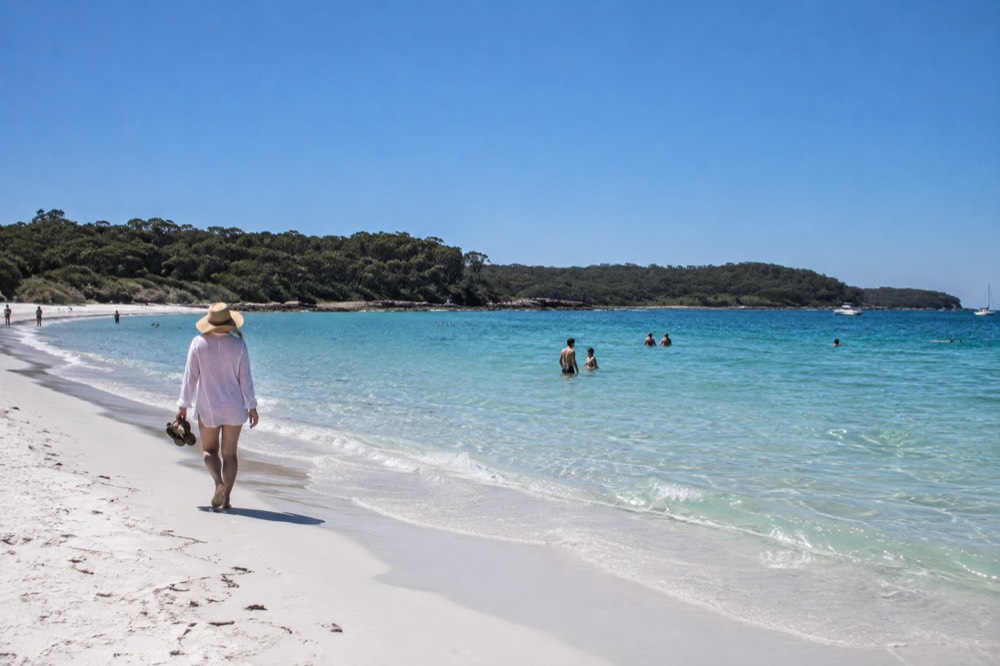
The bay's famous white-sand beaches line its southern and western shores, with Hyams Beach the best known name. If you are on the organised tour your beach time is scheduled for you; if self-driving, pick one beach and stay there rather than hopping. Swim between the red and yellow flags wherever they are flying, and remember most South Coast beaches are patrolled seasonally, not year-round.
The sand reputation is real and it is the single thing most visitors say afterwards that they were not prepared for. The bay's sheltered geography means calm, clear water rather than surf, which suits families and swimmers better than board riders.
That shelter does not remove the safety rules. The official advice from Surf Life Saving Australia's Beachsafe program is to swim at patrolled beaches between the red and yellow flags, and it applies on the South Coast exactly as it does in Sydney. If you are building the trip around swimming, note the contrast with Sydney's metropolitan beaches, several of which are patrolled year-round:
| Beach | Patrol status | What that means for a day trip |
|---|---|---|
| Bondi, Bronte, Tamarama | Professional lifeguards year-round | Swimmable any month, in patrol hours |
| Coogee | Council lifeguards year-round | Same, with volunteer lifesavers adding summer weekend cover |
| Manly | Council lifeguards year-round | Reliable for a swim in any season |
| Dee Why | Year-round patrol from around May 2026 | Recently upgraded to year-round cover |
| Most other Northern Beaches | Roughly late September to late April | Unpatrolled outside those months |
| South Coast beaches generally | Seasonal and variable by beach | Check locally before swimming, flags first |
For the Jervis Bay trip specifically, the practical takeaway is: ask locally, on the day, whether the beach you are at is patrolled, and if it is not, stay in shallow water or enjoy the sand instead. The ocean-pool option that saves so many Sydney swims, as covered in our best beaches in Sydney guide, is thinner on the South Coast, so the flags matter more down there.
When Is the Best Time of Year for the Trip?
August through October, on the climate record. The Bureau of Meteorology's long-run averages show August is Sydney's clearest month of the year, with 13.4 mean clear days, while February, peak tourist season, is its cloudiest at 5.3. June is the wettest month of all, at 133.1 mm on average, wetter than any summer month. The counterintuitive answer is that late winter and spring beat summer for this trip.
Most visitors assume an Australian coastal day trip belongs in summer. The data says otherwise, and this is one of the more useful pieces of information gain on this site. Sydney's rainfall peaks in autumn and early winter, its clearest skies arrive in late winter, and February, the month the world books Sydney in, is statistically the greyest.
| Month | Mean daily max | Mean rainfall | Mean clear days | Verdict for Jervis Bay |
|---|---|---|---|---|
| January | 26.0 °C | 101.2 mm | 6.8 | Warm but cloud-prone, peak crowds |
| April | 22.5 °C | 126.5 mm | 9.1 | Mild, rain still elevated |
| June | 17.0 °C | 133.1 mm | 9.1 | Wettest month, fewest sunshine hours |
| August | 17.9 °C | 80.2 mm | 13.4 | Clearest skies of the year, cool |
| October | 22.2 °C | 76.7 mm | 8.1 | Warm, clear, whale season tail |
| December | 25.3 °C | 77.1 mm | 6.6 | Warm, cloudier than August |
Figures are long-term averages for Sydney (Observatory Hill) from the Bureau of Meteorology's published climate normals, the closest long-run record to the trip's starting point. They are averages, not forecasts: any individual June day can be glorious and any August day can bucket down.
Two seasonal notes stack on the climate. First, whale season, May to November, overlaps the clearest months, so an August-to-October trip can combine the year's best skies with a chance of humpbacks from the cruise. Second, UV: Sydney's UV index reaches extreme levels in summer and still commonly passes the protection threshold of 3 in winter, so sunscreen is a year-round packing item, not a summer one.
Is a Tour Better Than Driving Yourself?
For most first-time visitors on a short stay, yes. The tour costs from US$114.98 for about 12 hours with the dolphin cruise included, and removes four-plus hours of driving from your day. Self-drive wins only if you are confident on Australian roads, want to set your own schedule, or are a group of three or more where the per-person maths favours a car. Neither option is wrong; the wrong one is whichever leaves you exhausted.
The comparison comes down to what you are buying. The tour buys certainty and a driver. Self-drive buys autonomy and the ability to stop wherever the view demands it. Here is the honest ledger:
| Factor | Organised tour | Self-drive |
|---|---|---|
| Driving fatigue | None, you are a passenger | 4-plus hours split across the day |
| Dolphin cruise | Included, prebooked | Booked on the day, may sell out |
| Schedule flexibility | Fixed for the group | Entirely yours |
| Beach choice | Decided for you | Any beach you can find parking at |
| Cost shape | One per-person price | Car costs split across the group, plus fuel and any parking |
| Weather pivot | Operator decides | You decide |
| Best suited to | Solo travellers, couples, first-timers | Groups, confident drivers, repeat visitors |
One factor people underweight is the return leg. A 12-hour day ends with a multi-hour drive home, and if you have been swimming and sunning all afternoon, that final stretch is where self-drive days go wrong. The tour's coach absorbs it while you doze. Our broader day trips from Sydney guide applies the same test to every long-route option.
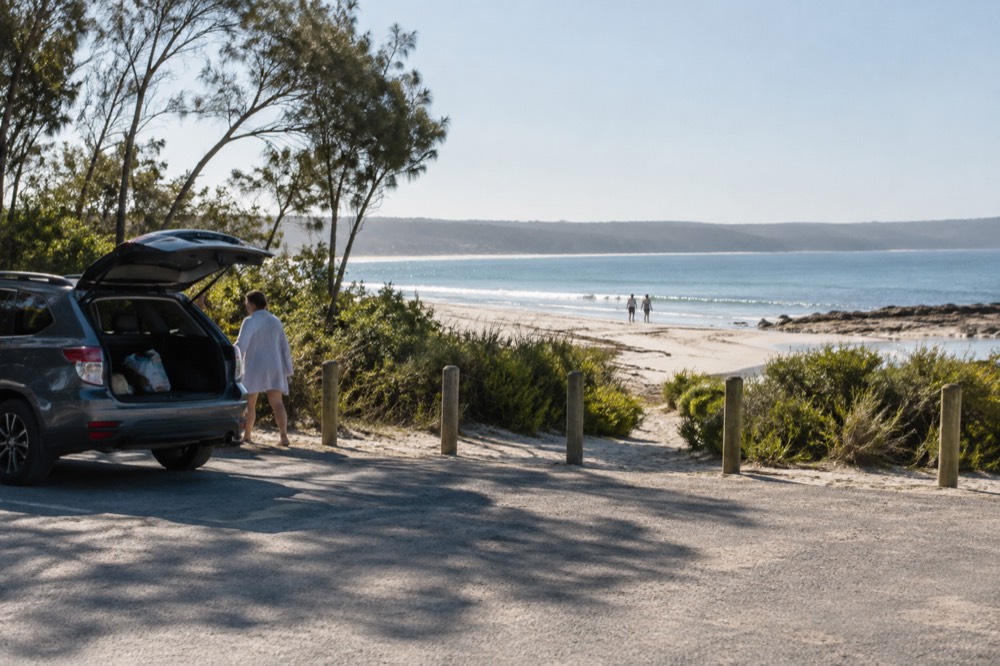
If you do drive, two NSW rules from the facts worth carrying: private e-scooters remain illegal on NSW roads, footpaths and bike lanes, so do not plan on one for the beach hop; and there is no visitor levy or tourist tax in NSW, so the price you see is the price you pay.
What Are the Alternatives If 12 Hours Sounds Too Long?
The strongest alternatives are Port Stephens, also about 12 hours with a dolphin cruise or hike option, and the Blue Mountains, about 10 hours with a very different, non-beach payoff. If the drive is the dealbreaker rather than the length, Sydney itself has dolphin-free but excellent coastal options inside two hours, including the Royal National Park and the Northern Beaches. Match the alternative to what Jervis Bay was offering you.
If it was the dolphins: Port Stephens is the direct substitute. The Port Stephens day trip runs about 12 hours too, from US$91.04, with a choice of dolphin cruise or a hike, and it holds a 4.44 rating across 92 reviews. Same commitment, slightly different coast, slightly lower price.
If it was the wildlife-and-nature combo rather than the water specifically: the Blue Mountains all-inclusive day trip is the roster's heavyweight, a 4.9 rating across 9,741 reviews, about 10 hours, from US$190.19. It trades the bay for escarpment, waterfalls and the Three Sisters, and being two hours shorter matters more than most people expect on the day itself. Our Blue Mountains day trip guide covers it in full.
If it was simply "somewhere beautiful outside Sydney": the Hunter Valley day trip runs about 11 hours for wine country, and the Kiama blowhole and the South Coast gets you onto the same coastline as Jervis Bay for a much smaller time investment, blowhole included.
What Should You Pack for a Jervis Bay Day Trip?
Pack for a 12-hour day across two climates: swimwear and a towel, sunscreen applied and reapplied regardless of season, layers for the coach air-conditioning, a hat, water, and motion-sickness tablets if the cruise or the coach is a risk for you. The UV index in Sydney passes the protection threshold of 3 for most of the year, so winter sun still burns. Cash is unnecessary; cards are fine.
The layering advice is the part people ignore. Even in August, the clearest month, a day that starts at 17 °C in Sydney can feel sharply different on an open boat in the middle of the bay, and the coach home will be refrigerated. A light jacket that fits in a day bag solves the whole problem.
For the cruise, take the standard precautions: eat light beforehand if you are prone to seasickness, keep the camera accessible rather than buried, and listen to the crew's brief about how close the boat will get to the dolphins. NSW has clear guidelines about approaching marine mammals, and the operators work inside them.
Food planning depends on your booking. Some departures include food arrangements and some do not, and the difference matters on a 12-hour day, so confirm what your session covers when you book rather than assuming. Either way, carry more water than feels necessary: the trip spans a full daylight cycle in every season.
Common Questions About a Jervis Bay Day Trip from Sydney
How long does a Jervis Bay day trip from Sydney take?
About 12 hours door to door on the organised tour, from central Sydney pickup to drop-off. That includes the drive south, the dolphin cruise, the wildlife stop and beach time, and the drive home. A self-drive version typically runs similar or slightly longer because you control the schedule.
Can you do Jervis Bay as a day trip without a car?
Yes, and the organised coach tour is the practical way to do it. Public transport exists via the South Coast train line with a bus connection for the final leg, but the total travel time makes it a slow day-trip option, and you arrive without a prebooked dolphin cruise.
What is the best month to visit Jervis Bay from Sydney?
August through October, on the climate record. August is Sydney's clearest month on the long-run averages, and the whale migration runs along the NSW coast from May to November, with the southern migration, whales closer to shore, from August to November. Summer is warmer but statistically cloudier.
Will I see dolphins on the Jervis Bay cruise?
Very likely, because the bay is home to resident bottlenose dolphins and the cruise is built around them, but no operator can guarantee a wild-animal sighting on any given departure. Book the cruise for the bay, the water and the likelihood together, not for a certainty.
Is Jervis Bay or Port Stephens the better day trip?
They are close substitutes: both run about 12 hours from Sydney and both centre on a dolphin cruise. Port Stephens is the cheaper entry point and offers a hike alternative; Jervis Bay's white sand and marine-park setting give it the edge for beach scenery. Our Port Stephens day trip guide has the full comparison.
Is the Jervis Bay day trip suitable for kids?
Generally yes, with two caveats: the day is long, roughly 12 hours, which tests younger children, and the cruise requires an hour or so of patient boat time. Families with school-age kids who enjoy boats tend to rate it well; toddlers are a judgement call best made against your child's tolerance for a coach.