Taronga Zoo Sydney: Tickets, Ferry Access and Planning Guide
Taronga Zoo Sydney sits on a hillside overlooking the harbour, twelve minutes by ferry from Circular Quay, and it is one of the few zoos in the world where the view competes with the animals. This guide covers what tickets cost, how to get there, when to go and how to plan the day.
Short answer
Taronga Zoo Sydney sits on the north shore of the harbour, reached by a 12-minute ferry from Circular Quay. Adult tickets cost A$57 at the gate or from A$51.30 online, and the zoo is open 365 days a year. Most visitors allow at least half a day, and the ferry ride is part of the experience.
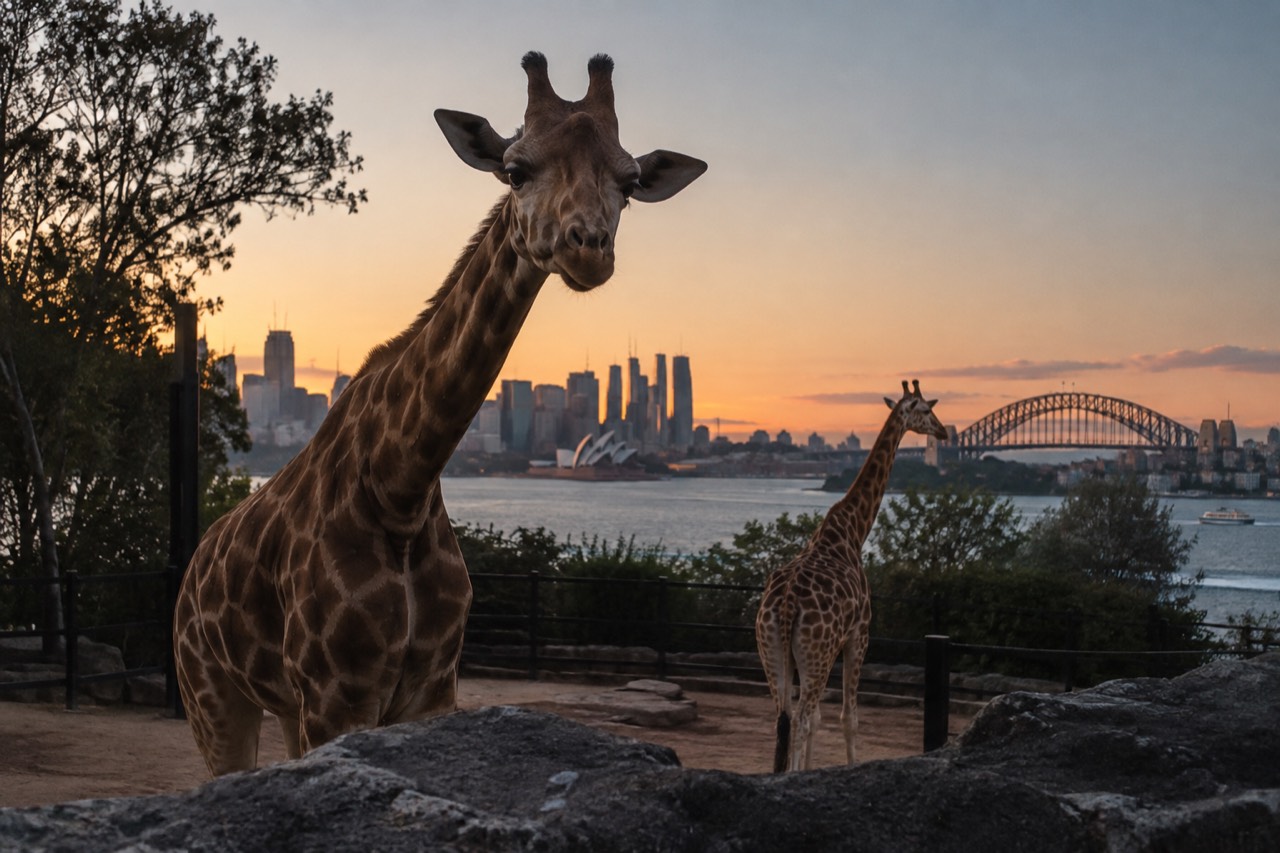
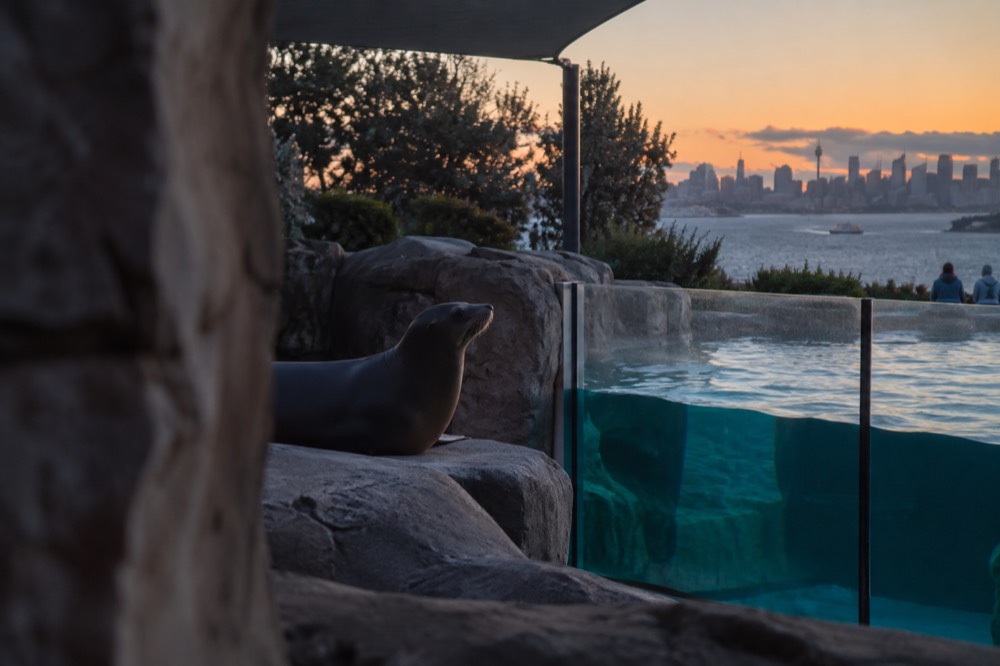
Taronga Zoo Sydney occupies a sloping 28-hectare site at Mosman, on the north shore of the harbour, directly across the water from the city. Its position means that even the animal enclosures come with a backdrop of the Sydney Opera House and the Harbour Bridge. The name comes from a Darug word, and the land itself is that of the Borogegal people, part of the wider Eora Nation whose country the modern city of Sydney occupies.
The zoo is one of Sydney's most visited paid attractions, and it earns that status honestly. It is open every day of the year, it is genuinely easy to reach by public transport, and the combination of a ferry crossing, a cable car arrival and a full day of animals makes it one of the better complete days out in the city. This guide, part of the Sydney Travel Guide attractions series, covers the practical details: what tickets cost, how the ferry works, when to go, and how the zoo compares with the other wildlife options around Sydney.
How Much Do Taronga Zoo Tickets Cost?
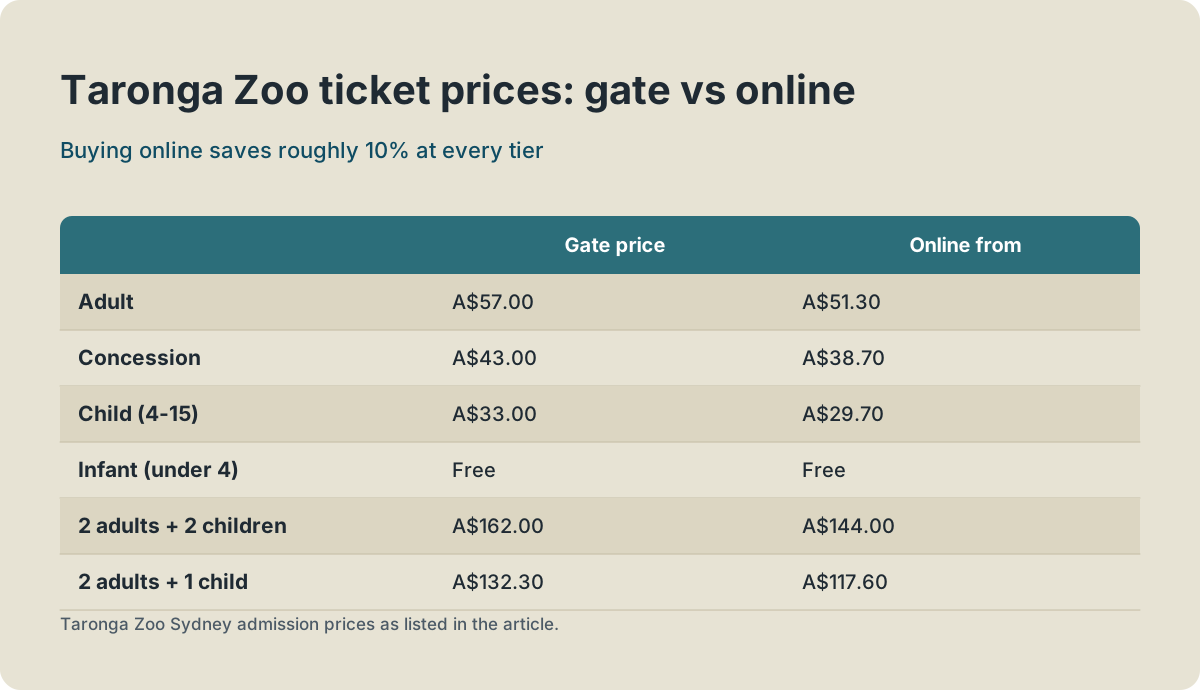
Adult admission to Taronga Zoo Sydney is A$57 at the gate or from A$51.30 online, child tickets for ages 4 to 15 are A$33 at the gate or from A$29.70 online, concession tickets are A$43 at the gate or from A$38.70 online, infants under 4 enter free, and buying online in advance saves roughly 10% at every ticket tier. Child tickets for ages 4 to 15 cost A$33 at the gate or from A$29.70 online, and infants under 4 enter free. Concession tickets are A$43 at the gate or from A$38.70 online. The zoo publishes the full price table on its own ticket prices page, and those figures are the ones to check before you buy.
The gate-versus-online gap is the single most useful money fact about Taronga. Buying online is cheaper at every tier, including the family bundles: two adults and two children pay A$162 at the gate or A$144 online, and two adults with one child pay A$132.30 at the gate or A$117.60 online. That family saving of A$18 to A$18.30 is real money for a household, and it costs nothing but five minutes of planning.
| Ticket type | Gate price | Online from |
|---|---|---|
| Adult | A$57.00 | A$51.30 |
| Concession | A$43.00 | A$38.70 |
| Child (4-15) | A$33.00 | A$29.70 |
| Infant (under 4) | Free | Free |
| 2 adults + 2 children | A$162.00 | A$144.00 |
| 2 adults + 1 child | A$132.30 | A$117.60 |
Two other ticket routes exist. The first is a combined product that bundles zoo entry with the return ferry from Circular Quay, which suits visitors who do not want to manage an Opal card or contactless payment for the crossing. The second is a general entry ticket sold on its own, for people who already have transport sorted or who are arriving by bus. Both appear on the live listings with their own pricing, and the bundle is usually the better deal for a first visit because the ferry is part of the point of going.
How Do You Get to Taronga Zoo?
The best way to reach Taronga Zoo is the public ferry from Circular Quay, which takes about 12 minutes and deposits you at the zoo's own wharf on the north shore. The F2 route is part of the Opal network, so a contactless credit card or device pays the same as an Opal card, and the crossing passes the Opera House. The F2 Taronga Zoo route is part of the Opal network, so a contactless credit card or device pays the same as an Opal card and earns the same caps. From the wharf you can walk up through the lower entrance or ride the cable car to the top entrance and work downhill, which is the smarter order on a warm day.
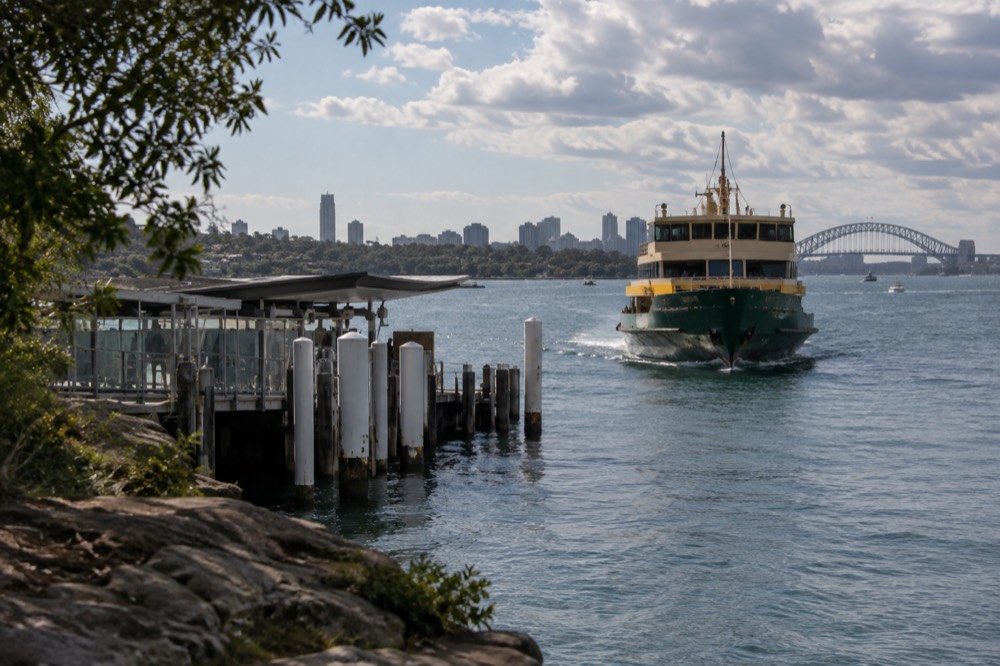
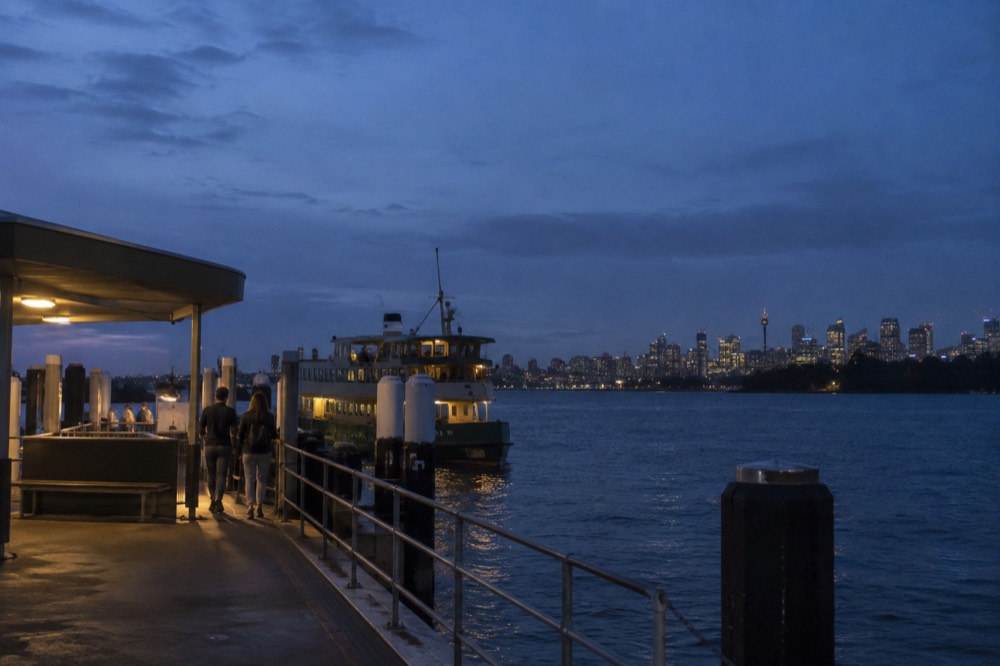
The ferry is not just transport here, it is the opening act. The crossing from Circular Quay passes the Opera House and gives you the harbour at water level before you even reach the gate. If you are planning the wider ferry network, our Sydney ferries guide covers every route from Circular Quay, and the manly ferry guide explains the classic longer crossing if you want to combine the two on different days.
Ferry fares are distance-based and there is no off-peak discount on Sydney ferries, unlike trains and buses. The bands below are the current adult fares; the zoo's wharf sits in the shorter distance band from Circular Quay.
| Ferry distance band | Adult fare |
|---|---|
| 0-9 km | A$7.35 |
| 9+ km | A$9.20 |
One trap worth naming: privately operated fast ferries on some routes accept Opal through OpalPay but charge different fares and do not earn the Opal caps or transfer discounts. The public F2 service to the zoo is the one that behaves normally, so check the operator on the wharf before you tap. Transport for NSW publishes the full fare and cap detail on its adult Opal fares page.
The bus is the alternative. Routes from the city and from Chatswood on the North Shore stop near the zoo's top entrance, which is handy if you are staying on the north side or if the weather turns and you want to skip the wharf walk. Driving is possible and there is paid parking on site, but on a weekend the ferry is faster, cheaper and considerably more pleasant. For the broader picture of moving around the city, see getting around Sydney.
If you would rather fold the crossing into the ticket itself, the combined entry-plus-ferry product handles both at once.
The combined ticket above is the one most first-time visitors should look at first. It pairs zoo entry with the return ferry from Circular Quay, so a single purchase covers the day's two costs. The Blue Mountains option suits a different day entirely, and the Opera House tour pairs well with the ferry wharf you will already be standing at, since Circular Quay is where both journeys begin.
What Are the Opening Hours and the Best Time to Visit?
Taronga Zoo is open 365 days a year, including Christmas Day, from 9:30am to 5pm between September and April and 9:30am to 4:30pm between May and August, with extended hours over late December and early January. The best time to arrive is 9:30am sharp on a weekday, ideally in winter, when skies are clearer, queues are shorter and animals are more active. The last hour of each day is thin, because animal activity drops off and some experiences wind down before closing, so arrive at opening rather than after lunch. Weekday mornings are the quietest period, and weekends and school holidays are the busiest, so the calendar matters almost as much as the clock.
| Period | Hours | Notes |
|---|---|---|
| September-April | 9:30am-5pm | Summer hours, latest close |
| May-August | 9:30am-4:30pm | Winter hours |
| Late December-early January | Extended hours | Holiday period, busiest weeks |
| Christmas Day | Open | The zoo opens every day of the year |
Season matters more here than most visitors expect, and not for the reason you might assume. Sydney's seasons are inverted relative to the northern hemisphere: December through February is summer, June through August is winter. The long-run Bureau of Meteorology record for the city shows June as Sydney's wettest month, with a mean of 133.1 mm of rain, wetter than any summer month. August, by contrast, averages the most clear days of any month at 13.4, while February, the middle of peak tourist season, is statistically the city's cloudiest at 5.3 clear days. A winter weekday at the zoo can therefore be a better day out than a humid February Saturday: clearer skies, shorter queues and animals that are more active in the cool.
The summer heat has a practical effect on the animals too. On days above about 30 °C many species retreat to shade and indoor dens by early afternoon, so the keepers schedule more of the activity into the morning. That is the real argument for arriving at 9:30am sharp in December and January rather than midday. If you are weighing up the whole calendar, our best time to visit Sydney guide breaks the year down month by month, including the weather month by month detail.
What Should You Not Miss Inside the Zoo?
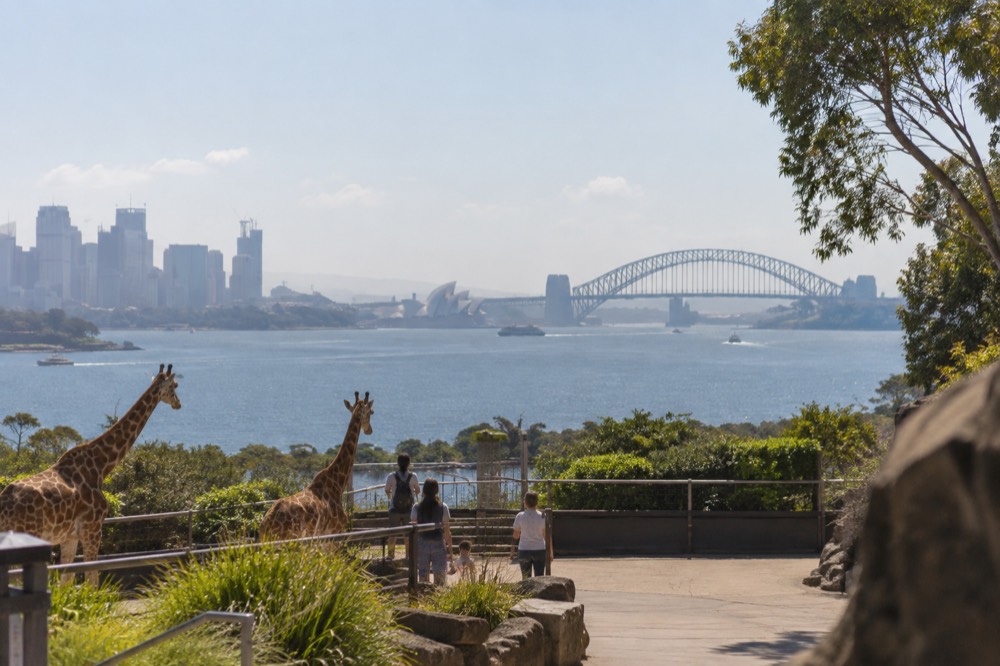
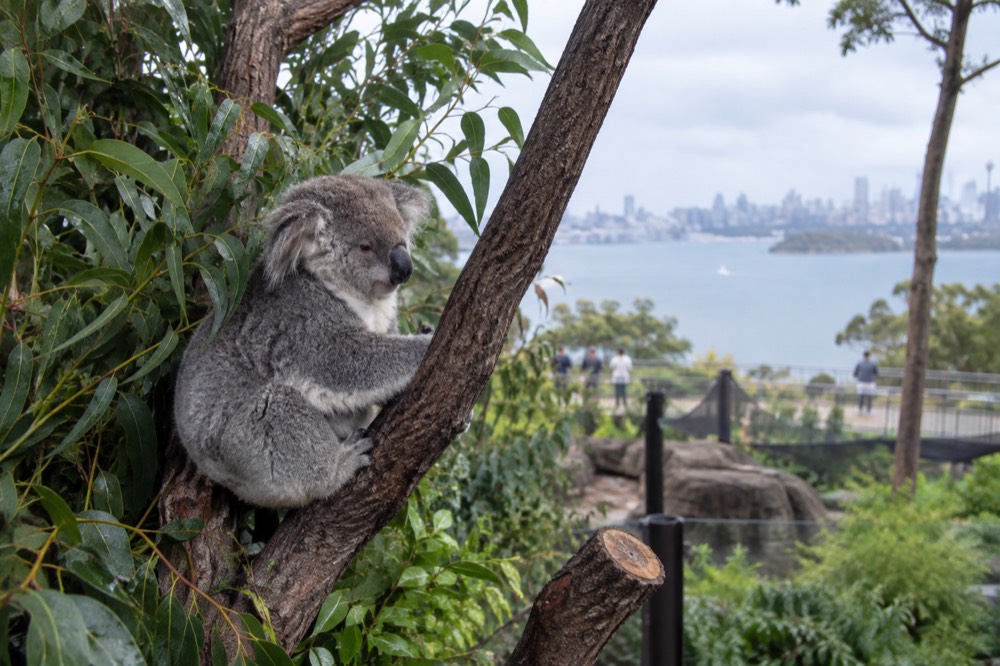
Do not miss the Australian section with its koalas, kangaroos, wombats and platypus, the Sumatran tigers, the chimpanzee precinct, and the giraffes on the harbor-facing slope, where the enclosure frames the city skyline. The keeper talks and bird shows are included in the ticket price, so allow at least four hours and walk the main loop downhill from the top entrance. The zoo's layout descends from the top entrance toward the water, and walking downhill rather than up saves your legs in the heat. Allow at least four hours for the main loop, and more if you have children or want to pause for the keeper talks and shows in the daily program, which are included in the ticket price.
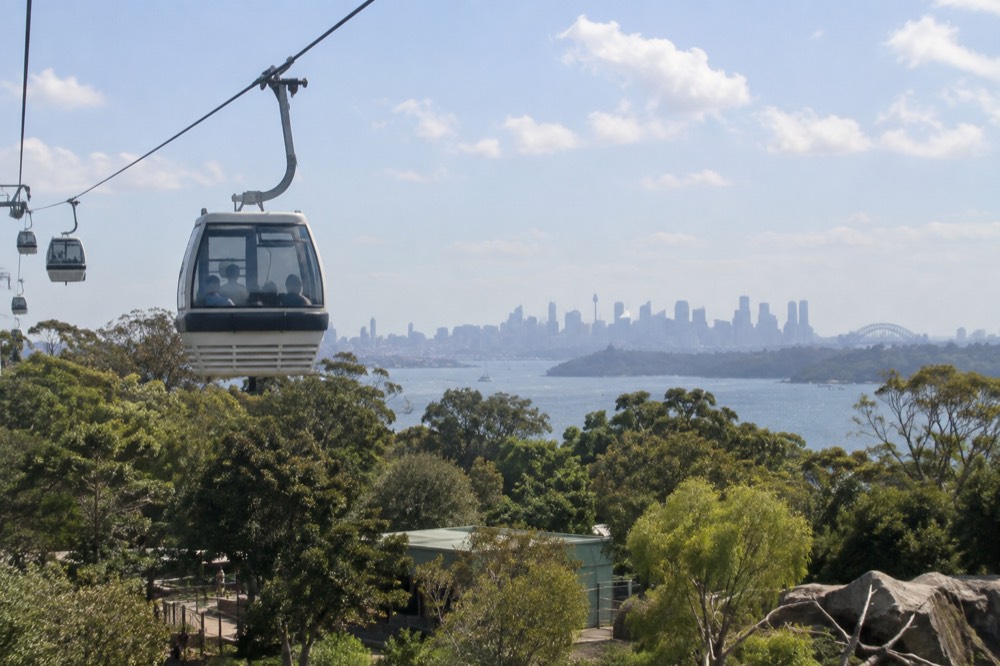
The zoo organises its animals into geographic precincts, and the design is genuinely thoughtful rather than a grid of cages. The Australian section is the one international visitors should not rush: koalas, kangaroos, wombats and platypus are all here, and seeing them in a well-designed exhibit is a different experience from the roadside parks further out of the city. The Sumatran tigers, the giraffes on the harbour-facing slope and the chimpanzee precinct are the other headline draws, and the giraffe enclosure in particular frames the city skyline behind the animals, which is the shot most people leave with.
The daily keeper program is where a good visit becomes a great one, and the schedule is published by the zoo each day. Times shift with the seasons and with animal welfare needs, so pick up the day's program at the entry rather than planning around a fixed timetable from an old blog post. Bird shows and keeper talks are included in the price of admission, which is worth knowing: the ticket buys more than gate access.
If you are only buying entry, without the ferry bundle, the general admission product below covers the same gate at its own price.
The general entry ticket suits locals, anyone staying on the north shore, and visitors holding a transport pass that already covers the ferry. Everyone else should compare it against the combined product before buying, because paying for the crossing separately at the wharf is the one cost the bundle quietly removes.
Is Taronga Zoo Worth It for Families with Kids?
Yes, Taronga Zoo is one of the best family days out in Sydney, and the child pricing makes it unusually good value relative to other harbour attractions: children aged 4 to 15 pay A$33 at the gate or from A$29.70 online, under-4s are free, and family bundles cut a further 10% when bought in advance. Children aged 4 to 15 pay A$33 at the gate or from A$29.70 online, under-4s are free, and the family bundles cut a further 10% when bought in advance. The site is stroller-friendly on the main paths, and the ferry-cable car-zoo sequence holds a child's attention for the whole journey, not just the destination.
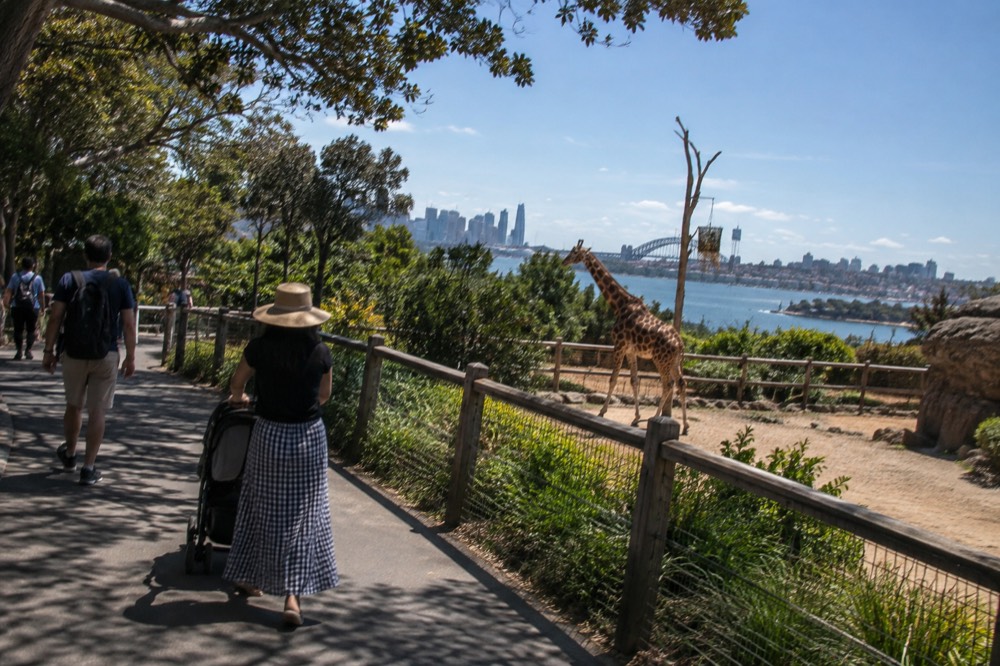
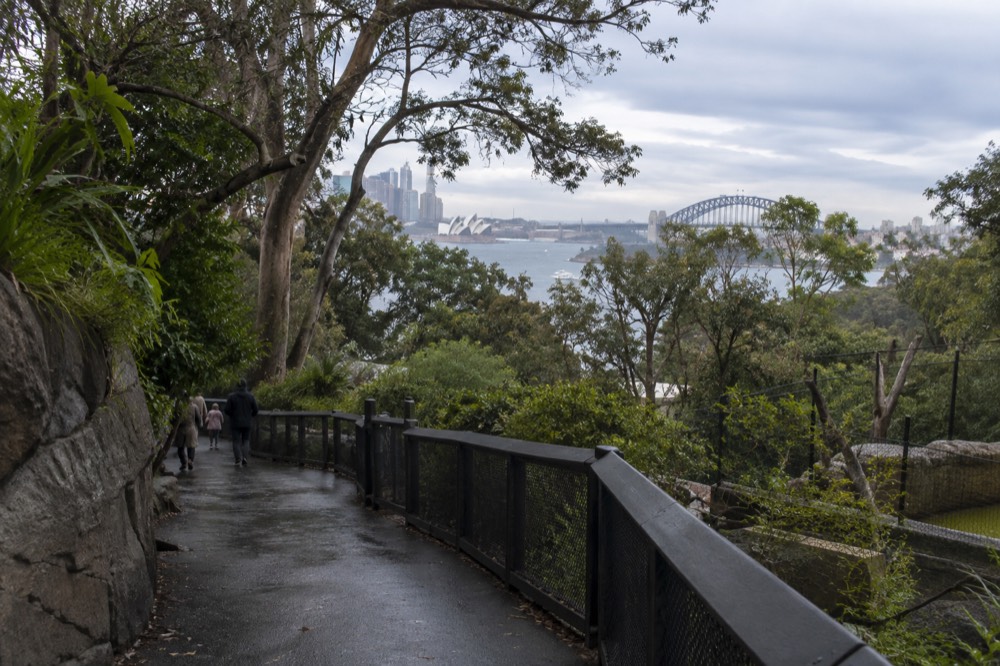
The practical family advice is about pacing. The walk from the top entrance to the wharf is downhill but long, roughly a couple of kilometres of winding path, and small legs tire on the way back up if you park yourself at the bottom. The cable car solves this: ride it to the top at opening, walk the precincts in descending order, and finish at the water where the ferry home is a few steps away. Bring your own food if you are feeding a family, because the on-site cafes are priced for a captive audience, and there are picnic lawns with harbour views that are far nicer than any indoor table.
For a fuller itinerary built around children, our Sydney with kids itinerary places the zoo inside a multi-day plan, and it pairs naturally with a Manly Beach afternoon since the ferry network links both. If you are travelling with a toddler specifically, the toddler guide covers nappy facilities, quiet corners and the attractions that genuinely work at that age.
One honest caveat for overseas visitors: if your only goal is Australian animals and you have limited time, a dedicated wildlife park closer to the Blue Mountains route can offer a more hands-on experience. Taronga's strength is the total package: the harbour, the ferry, the scale of the precincts and the convenience from the city centre. Decide which of those matters to you before you buy.
How Does Taronga Zoo Compare with Sydney's Other Wildlife Attractions?
Taronga Zoo is Sydney's flagship zoo and the only one with a harbour ferry connection, but it is not the only option, and the right choice depends on whether you want a full day, a rainy-day indoor visit or a free alternative. SEA LIFE Sydney Aquarium at Darling Harbour is the wet-weather pick, entirely indoors and next to the Darling Harbour precinct. The city's major museums and galleries, by contrast, are free to enter, which changes the arithmetic entirely.
| Attraction | Entry cost | Best for | Setting |
|---|---|---|---|
| Taronga Zoo Sydney | A$57 adult gate, from A$51.30 online | Full-day animal day with a ferry ride | Mosman, harbour north shore |
| SEA LIFE Sydney Aquarium | Dynamic timed-entry pricing, booked online | Rainy days, younger kids, underwater tunnels | Darling Harbour, indoors |
| Australian Museum | Free general entry | Rainy days, natural history, zero cost | CBD, opposite Hyde Park |
| Art Gallery of New South Wales | Free general entry | Rainy days, quiet hours, Wednesdays until 10pm | The Domain, near the Royal Botanic Garden |
| Royal Botanic Garden Sydney | Free entry | A free harbourside walk between attractions | Farm Cove, beside the Opera House |
The free tier deserves emphasis because many visitors assume Sydney's headline cultural institutions charge. The Australian Museum and the Art Gallery of New South Wales both offer free general entry, and the Royal Botanic Garden Sydney is free to walk through from 7am to sunset. A budget-conscious traveller can spend one paid day at Taronga and two free days across the harbour without repeating anything.
If the weather is wet, the aquarium is the strongest paid alternative to the zoo, and the four-attraction combo pass that bundles it with the Sydney Tower Eye and two other Merlin venues can make sense if you were visiting several of them anyway. Our Sydney attraction passes compared guide runs the maths on when a pass beats individual tickets.
The aquarium ticket above is the indoor counterpart to Taronga's outdoor day. Its pricing moves with date and time slot, so the live listing is the honest source for the figure on your chosen day. Treat it as the plan B for a rainy forecast, not a substitute for the zoo on a clear one.
What Should You Know Before You Go?
Buy online for a saving of roughly 10%; ride the ferry, but check the last departure because it runs to a timetable; start at the top of the hill, since the zoo sits on a steep slope; give the zoo a minimum of four daylight hours; and pack a hat, sunscreen and water, as Sydney's UV index reaches 11 and above in summer. Those four decisions cover almost everything that separates a good Taronga day from a rushed one. The remaining details are small but worth knowing: the zoo sits on a steep slope, the Sydney sun is stronger than the temperature suggests, and the ferry home runs to a timetable rather than on demand, so check the last departure before you linger at the wharf.
Dress and sun protection matter more than visitors expect. Sydney's UV index reaches extreme levels of 11 and above in summer, and protection is advised whenever the index hits 3, which in Sydney is most of the year even in winter. Much of the zoo's path network is exposed to full sun, so a hat, sunscreen and water are not optional extras in December. The Bureau of Meteorology's Sydney averages put January's mean maximum at 26.0 °C against July's 16.4 °C, but the summer humidity and the hillside walking make the hot months feel harder than the numbers suggest.
Timing around crowds is the last lever. The busiest windows are weekends, school holidays and the late December to early January holiday stretch, when hours are extended but so are the queues. A weekday in May, June or August, outside the holiday peak and inside the cheaper Opal daily cap structure, is the connoisseur's slot: clear winter skies, active animals and short lines for the cable car. Check the zoo's own visitor information pages for any day-specific alerts before you travel, and if you are folding the visit into a bigger first trip, our Sydney for first-timers guide positions the zoo in the wider itinerary.
If you have a spare afternoon rather than a full day, the honest answer is that Taronga still works: the ferry, the cable car and a focused loop through the Australian precinct and the harbour-facing exhibits fit into three hours if you arrive at opening. What does not work is arriving at 2pm on a summer Saturday and expecting to see the zoo. Choose the morning, buy ahead, and let the ferry set the tone.
Common Questions About Taronga Zoo
How much does it cost to get into Taronga Zoo?
Adult admission is A$57 at the gate or from A$51.30 online. Children aged 4 to 15 pay A$33 at the gate or from A$29.70 online, concession tickets are A$43 at the gate or from A$38.70 online, and infants under 4 enter free. Family bundles save a further 10% when bought in advance.
How do I get to Taronga Zoo from the city?
Take the public F2 ferry from Circular Quay, about 12 minutes to the zoo's own wharf, and pay with a contactless card or Opal card. Buses from the city and the North Shore also stop near the top entrance. The ferry is the recommended route because the crossing is part of the experience.
How long do you need at Taronga Zoo?
Allow at least four hours for the main loop, and closer to a full day if you have children or want to follow the keeper program. Arrive at the 9:30am opening rather than after lunch, because animal activity and the show schedule both favour the morning.
Is Taronga Zoo open every day?
Yes. The zoo opens 365 days a year, from 9:30am to 5pm between September and April and 9:30am to 4:30pm between May and August, with extended hours over the late December to early January holiday period.
Is Taronga Zoo worth it compared with the aquarium?
On a clear day, yes: the zoo offers a full outdoor day, a ferry ride and harbour views the aquarium cannot match. On a rainy day the positions reverse, because the aquarium is entirely indoors at Darling Harbour. Many visitors with several days in Sydney do both on different days.
Can you buy Taronga Zoo tickets with the ferry included?
Yes. A combined product bundles zoo entry with the return ferry from Circular Quay, which covers the day's two main costs in one purchase. It suits first-time visitors who have not sorted an Opal or contactless payment for the crossing.