Sydney with a Toddler: A Practical Guide for Parents
Sydney is one of the easiest big cities to visit with a child under four: ferries that double as sightseeing, a zoo reached by boat, free world-class museums and patrolled beaches minutes from the centre.
Short answer
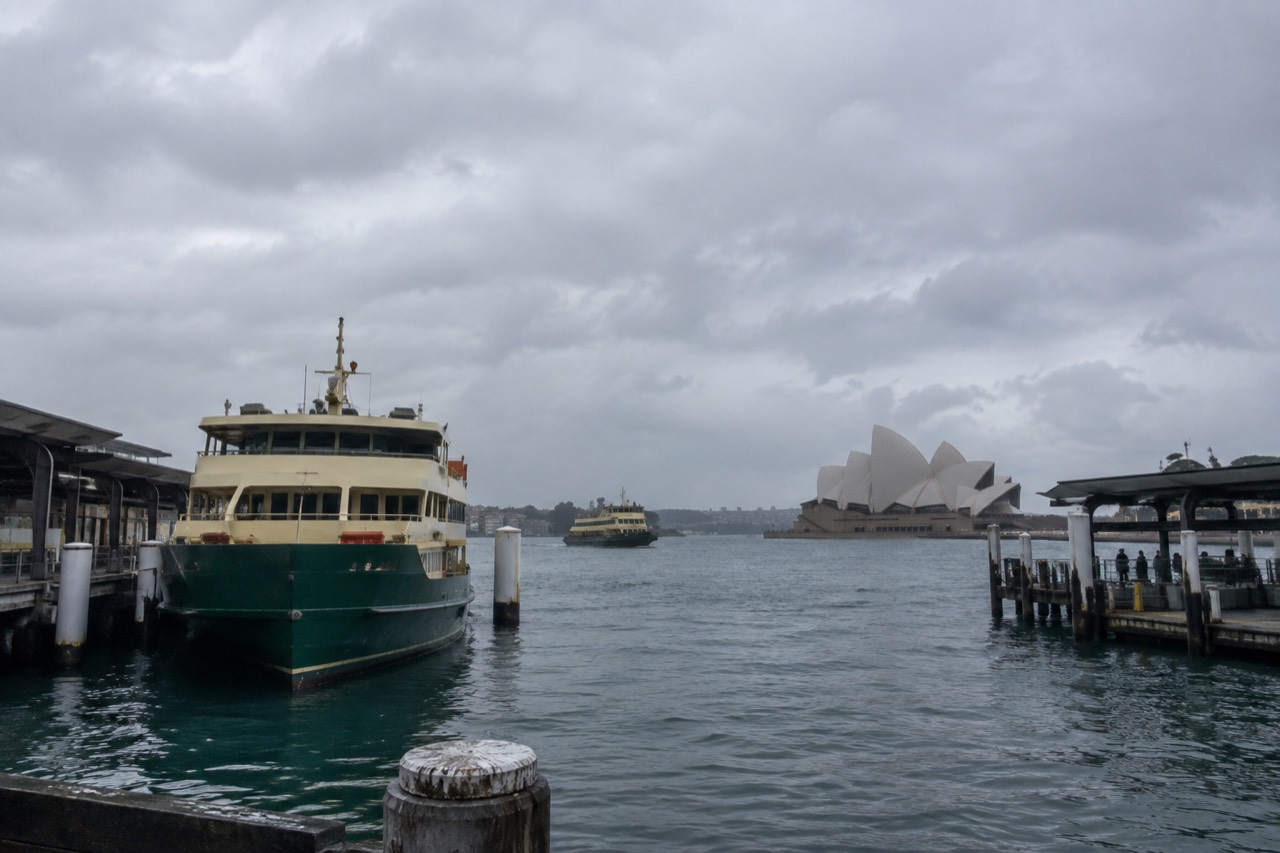
Sydney works well with a toddler. The ferry network turns every trip into a harbour cruise, Taronga Zoo is a 12-minute boat ride from Circular Quay, the Royal Botanic Garden and Australian Museum are free, and Bondi, Bronte and Manly are patrolled year-round. Budget from US$57 for zoo entry with the ferry bundled, and use a contactless card on all public transport.
Sydney is a city that quietly suits small children. The harbour sits at the centre of everything, the public ferries are cheap enough to ride for fun, and the headline museums cost nothing to enter. The parts of a big city that usually exhaust parents, long transfers, expensive tickets, crowded attractions, are shorter or cheaper here than in most places you could take a two-year-old.
This guide covers the practical side: how transport actually works with a stroller, which attractions are worth paying for, which are free, and how to plan around naps, weather and the things nobody warns you about, like the fact that June, not summer, is Sydney's wettest month. Everything here is drawn from official sources: Transport for NSW fare pages, Taronga Zoo's own ticket table, the Bureau of Meteorology's long-term records and Surf Life Saving's public beach-safety guidance.
Is Sydney a Good City to Visit with a Toddler?
Yes, and for specific reasons rather than general ones. Public ferries run from Circular Quay to a dozen destinations and a child under four travels free, the Royal Botanic Garden and the Australian Museum both cost nothing to enter, and the zoo is reached by a 12-minute ferry ride that most toddlers treat as the highlight of the day. The compact CBD means most attractions sit within two kilometres of each other, so you rarely need more than one transit leg between nap and lunch.
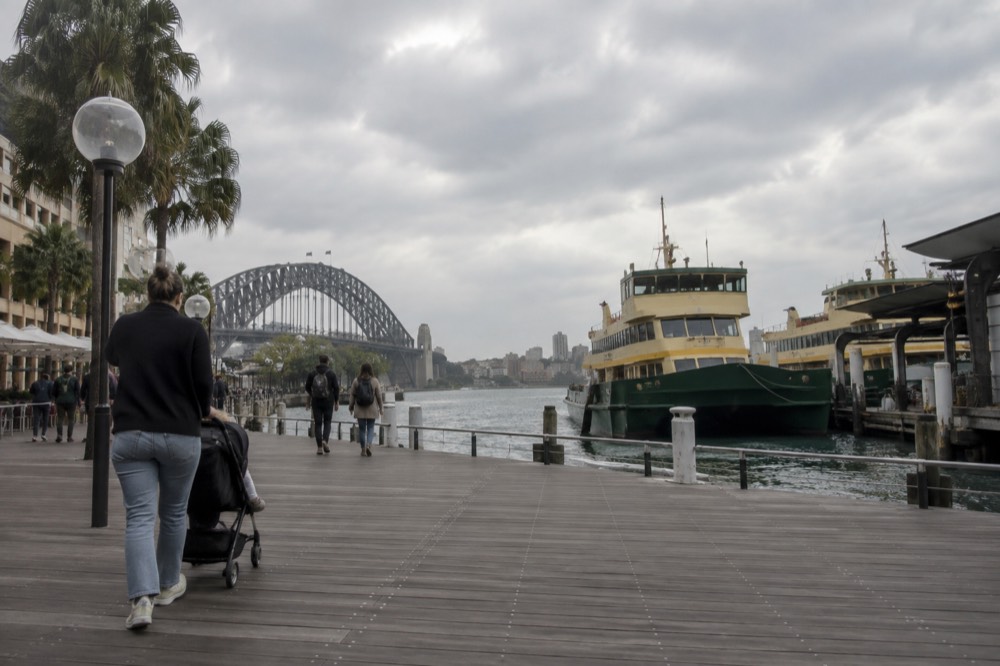
The city's layout does most of the work for you. Circular Quay is the transport hub, and from its wharves you can reach Manly, Taronga Zoo, Darling Harbour, Watsons Bay and Parramatta by boat. The Royal Botanic Garden runs along the waterfront from the Opera House towards Woolloomooloo, which means a single morning can include a garden wander, a fountain stop and a ferry ride without ever unfolding a map.
Weather is the one thing to plan around, and it behaves opposite to what most visitors expect. Bureau of Meteorology long-term records show June is Sydney's wettest month, at 133.1 mm on average, wetter than any summer month, while August is its clearest, with 13.4 mean clear days. February, in the middle of peak season, is statistically the cloudiest month of the year. The practical version: pack rain gear for a winter trip, and do not assume a December visit guarantees blue skies.
Seasons are inverted here, which matters for packing. December, January and February are summer, with average daily maxima of 26.0, 25.8 and 25.3 degrees Celsius. June, July and August are winter, with maxima of 17.0, 16.4 and 17.9 degrees. Neither extreme is hostile to a toddler, but sun protection is: the UV index reaches extreme levels of 11 and above in summer, and official advice is to use protection whenever the index hits 3, which in Sydney is most of the year.
How Do You Get Around Sydney with a Toddler?
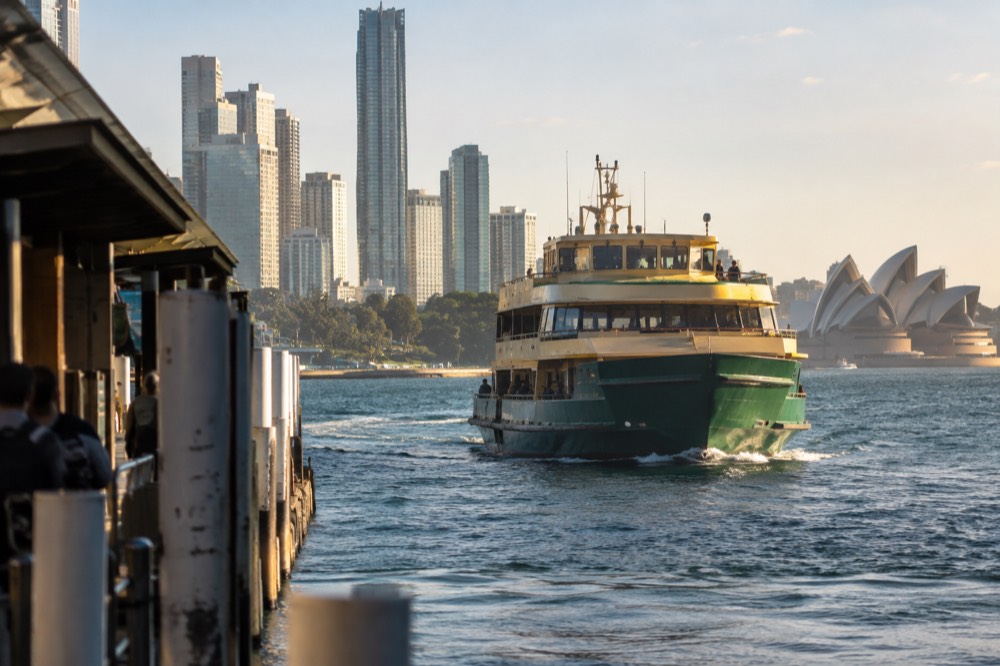
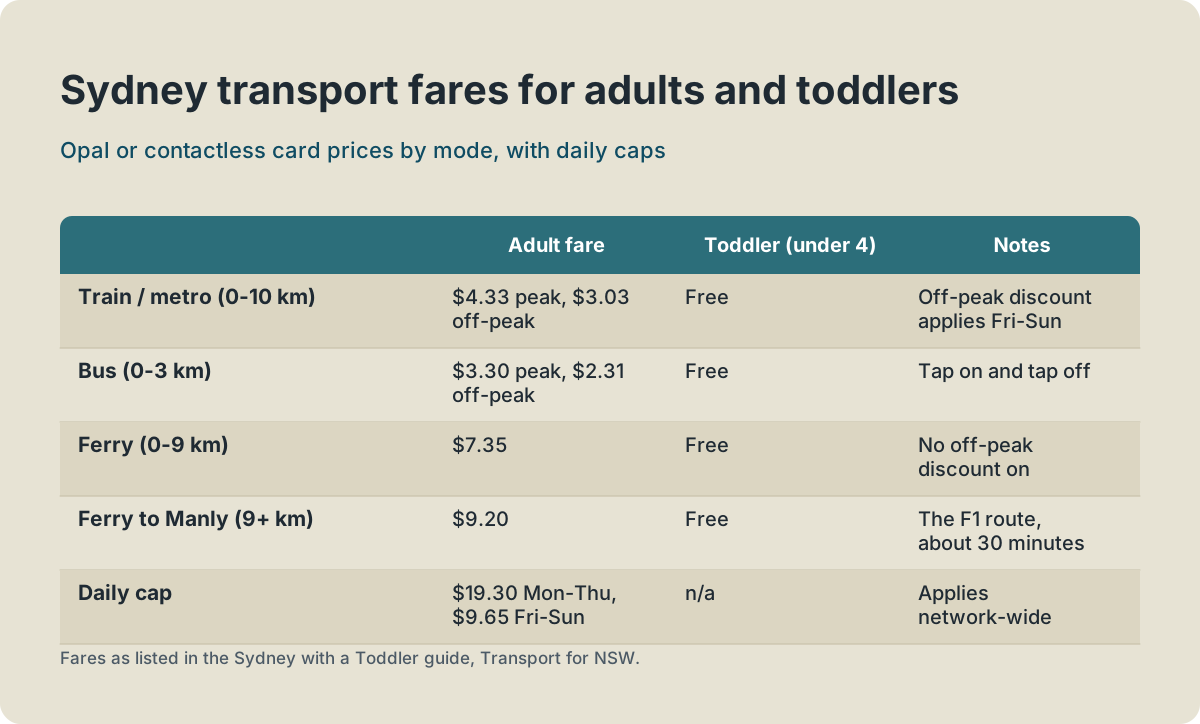
Use a contactless bank card or an Opal card on everything: trains, metro, buses, light rail and public ferries all accept the same tap-and-go payment, and children under four travel free. Daily fares cap at $19.30 Monday to Thursday and $9.65 Friday to Sunday, so a full day of hopping between attractions costs less than two coffees per adult. Ferries are the secret weapon: the Manly ferry costs $9.20 each way and doubles as a harbour cruise.
The payment system is genuinely simple, which is not something you can say of every city. Tap the same card on and off every service and the system applies the caps automatically. Transport for NSW confirms a contactless credit or debit card is charged exactly the same as an Adult Opal card and receives every benefit, including caps and the 30 percent off-peak discount on trains, metro, buses and light rail. The one trap: buy an Opal single-trip ticket from a machine and you pay more with no caps at all, so skip those entirely.
| Transport mode | Adult fare | Toddler (under 4) | Notes |
|---|---|---|---|
| Train / metro (0-10 km) | $4.33 peak, $3.03 off-peak | Free | Off-peak discount applies Fri-Sun |
| Bus (0-3 km) | $3.30 peak, $2.31 off-peak | Free | Tap on and tap off |
| Ferry (0-9 km) | $7.35 | Free | No off-peak discount on ferries |
| Ferry to Manly (9+ km) | $9.20 | Free | The F1 route, about 30 minutes |
| Daily cap | $19.30 Mon-Thu, $9.65 Fri-Sun | n/a | Applies network-wide |
Strollers are welcome on trains, metro and ferries, and all Sydney Ferries vessels are step-free at the wharves. Buses are the least convenient option with a pram: you need to fold it if the wheelchair space is occupied, and drivers can refuse an unfolded stroller on a crowded service. Trains and ferries are the reliable choices.
One warning worth printing in bold type: the private Manly Fast Ferry accepts Opal cards through OpalPay, but it charges different fares and the Opal daily caps and transfer discounts do not apply. The public F1 ferry does everything the fast one does, at the capped fare, in about the same amount of time. Take the public one.
If you would rather not think about timetables at all, a hop-on hop-off bus covers the main sights with commentary, and you can step off at Bondi, Darling Harbour or the Opera House whenever the nap schedule demands it. Our guide to getting around Sydney covers the full network in more depth, and the Sydney and Bondi Big Bus hop-on hop-off tour with optional cruise is the version most families use.
A quick word on how the paid options stack up for a family trip: the zoo-and-ferry bundle is the anchor booking that solves a whole day, the hop-on hop-off bus replaces transit planning on your first morning in a strange city, and a sunrise kayak gives one parent an early escape while the other handles breakfast duty. All three are shown below with live availability and pricing.
The airport run is the one leg that catches people out. The train from either airport station is fast and direct, but the station access fee, currently $18.61 per adult on top of the normal fare, sits outside the daily caps and has its own separate weekly cap. The 400 bus carries no access fee at all and connects to the train network, which makes it the budget option for a family willing to trade a few minutes. Our Sydney Airport to the city guide runs through every option with current numbers.
Is Taronga Zoo Worth It with a Toddler?
Yes, and it is the single best-value paid day out in the city for this age group. Entry and the return ferry from Circular Quay are bundled from US$57.19 per adult, the crossing takes about 12 minutes, and the zoo is open 365 days a year, 9:30am to 5pm from September to April and 9:30am to 4:30pm from May to August. Children aged four to 15 pay from US$29.70 when bought online, and under-fours are free.
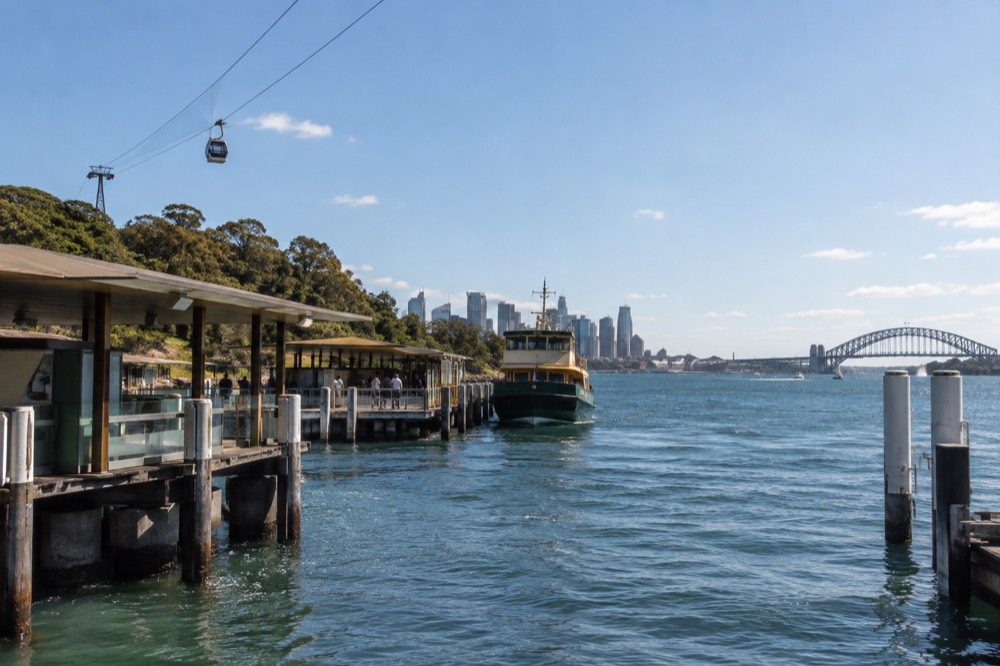
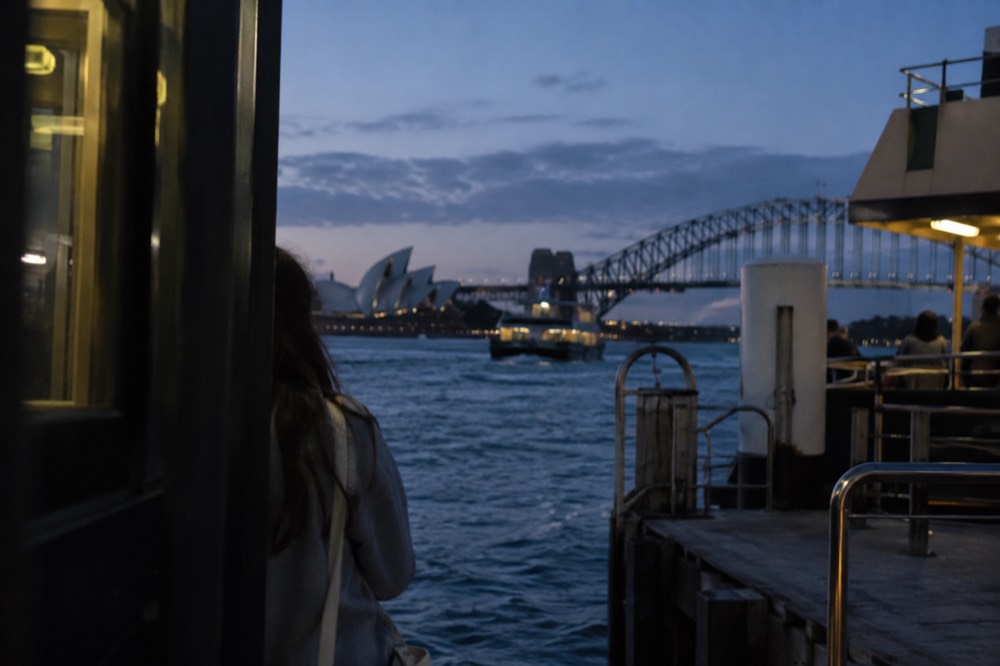
Taronga does something almost no other city zoo manages: the journey is part of the attraction. The ferry leaves from Circular Quay, crosses the harbour with the Opera House and the Harbour Bridge behind you, and docks at the zoo's own wharf. A cable car then runs from the bottom gate up the hill, which most toddlers rank above the animals themselves. Work top to bottom, downhill, and you finish at the ferry.
Taronga publishes its own gate and online prices, and the online discount is real at every tier, roughly 10 percent. Buying ahead also locks a timed entry, which matters on school holidays.
| Ticket | Gate price (A$) | Online from (A$) |
|---|---|---|
| Adult | $57.00 | $51.30 |
| Concession | $43.00 | $38.70 |
| Child (4-15) | $33.00 | $29.70 |
| Infant (under 4) | free | free |
| 2 adults + 2 children | $162.00 | $144.00 |
The bundled ticket that includes the return ferry is the one to compare against. Our full Taronga Zoo guide covers the exhibits, the cable car and the best arrival times in detail, and the Taronga Zoo entry and return ferry product page shows live availability and pricing for the bundle.
A practical note on timing before you commit: the zoo sits on a hill, and the Sky Safari cable car closes before the animal exhibits do, so arrive before mid-afternoon if your toddler will not forgive a missed cable car ride. There are changing facilities throughout, and the lawns near the entrance are a reliable spot to let a small person run in circles before the ferry home. Book the bundle when your dates are firm, since timed entry on school-holiday mornings goes first.
What Can You Do in Sydney with a Toddler for Free?
A great deal, and several of the free options are genuinely world-class rather than consolation prizes. The Royal Botanic Garden is free and open daily from 7am to sunset, the Australian Museum is free for general entry and open 10am to 5pm daily, and the Art Gallery of New South Wales is free and stays open until 10pm on Wednesdays. Add ferry-watching at Circular Quay, the Darling Harbour playgrounds and the harbour foreshore walk, and a full day costs nothing at all.
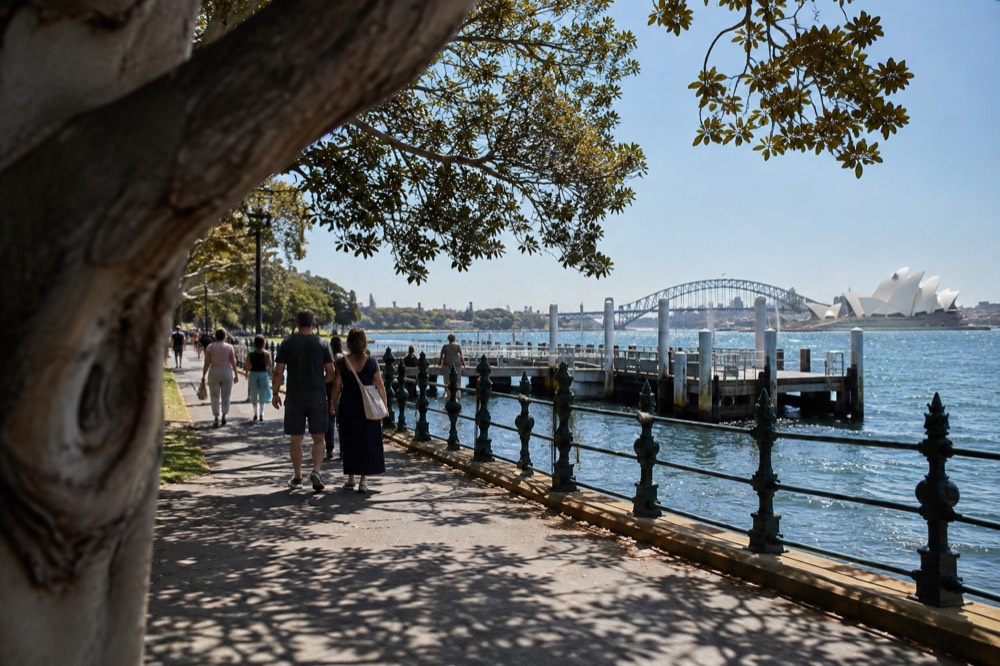
The garden is the easiest win. It runs along the harbour from the Opera House, entry costs nothing, and it opens at 7am, which suits toddlers who are awake at dawn regardless of the holiday. The Calyx, its indoor exhibition space, is entry by donation, though it can close for private events or extreme heat. Our Royal Botanic Garden guide maps out the walks.
The museums are the rainy-day answer. The Australian Museum, opposite Hyde Park near Museum station, has a dedicated children's area and charges nothing for general entry. The Art Gallery of New South Wales, a short walk further, is also free, and its Wednesday late opening means you can see it after a nap instead of before one. Both are stroller-friendly. The rest of the planning pages sit on Sydney Travel Guide.
| Free attraction | Hours | Closest transport |
|---|---|---|
| Royal Botanic Garden | Daily, 7am to sunset | Circular Quay or Martin Place |
| Australian Museum | Daily, 10am-5pm, closed Christmas Day | Museum station |
| Art Gallery of NSW | Daily, 10am-5pm, Wed to 10pm | Circular Quay or St James |
| Circular Quay ferry-watching | All day | Circular Quay |
| Darling Harbour foreshore and playgrounds | All day | Light rail or ferry |
One closure to know about: the Powerhouse Museum in Ultimo has been closed since February 2024 for a major redevelopment and is not expected back until around 2029. Older guides still list it as a kids' rainy-day option. Its replacement, Powerhouse Parramatta, is scheduled to open in November 2026, which will become western Sydney's best bad-weather family attraction the moment it does. Our Powerhouse Museum guide tracks the situation.
For a fuller list, our free things to do in Sydney guide covers the whole city, and the Sydney on a budget guide adds the money-saving mechanics: online zoo tickets, off-peak fares and the weekend fare cap.
Which Sydney Beaches Are Safe with a Toddler?
Bondi, Bronte, Coogee and Manly all have council lifeguards patrolling year-round, which is unusual and worth building a trip around. Bondi, Bronte and Tamarama run 6am to 7pm from October to April and 7am to 5:30pm from May to September. Swim between the red and yellow flags, and remember that ocean pools are the safest option for a toddler: Bronte Ocean Pool and the North Bondi Children's Pool are free and cleaned weekly.
The safety rule comes first because it is the one that matters. Surf Life Saving's guidance is unambiguous: swim at a patrolled beach, between the red and yellow flags, during patrol hours. Rip currents are the number one hazard on this coast, and the official advice if you are caught in one is to stay calm, raise an arm and call for help, and float with the current rather than fighting it. With a toddler, the practical translation is simpler still: stay in the shallows, inside the flags, and treat the ocean pool as the main swim.
Water quality is the second check. NSW Beachwatch grades every swim site from Very Good to Very Poor, and the official advice after heavy rain is to stay out of the water for up to one day at ocean beaches and up to three days at harbour and estuarine sites. That distinction matters here: harbour beaches, including those inside Sydney Harbour, need longer to clear after a storm than the ocean beaches do.
| Beach or pool | Patrol | Toddler notes |
|---|---|---|
| Bondi | Year-round lifeguards | North Bondi Children's Pool is free and sheltered |
| Bronte | Year-round lifeguards | Bronte Ocean Pool is free, cleaned weekly |
| Coogee | Year-round lifeguards | Gentle surf on its day, grass behind the sand |
| Manly | Year-round lifeguards | Calmer in the corner near the ferry wharf |
| Tamarama | Year-round lifeguards | Small beach, stronger surf, better for the pool |
Our best beaches in Sydney and Bondi Beach guides go deeper on each one, and can you swim at Sydney beaches in winter answers the shoulder-season question directly: the patrols continue at the big four, but the water is cold and most parents swap the surf for the ocean pools by June.
If you are travelling with grandparents or a partner who can take the morning, one parent can book a sunrise kayak paddle on the harbour while the other handles breakfast duty. The harbour sunrise kayak tour is the highest-rated water activity on our roster, and it finishes early enough to hand back a tired, happy adult before the day's plans begin.
How Do You Plan Sydney Around Naps, Meals and Weather?
Anchor each day to one paid or major attraction in the morning, one free activity in the afternoon, and let the ferry rides between them do double duty as both transport and entertainment. Book timed tickets in advance for the zoo, use the off-peak fare window after 9am on weekdays, and keep a rainy-day museum in reserve, because Sydney averages 99.5 rain days a year, roughly one day in every four.
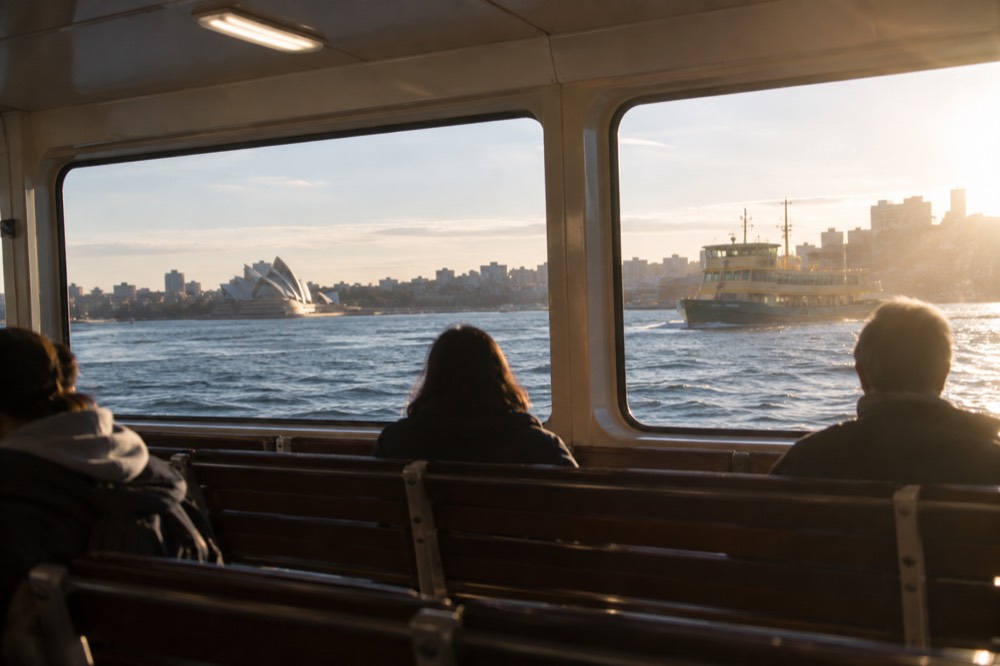
The rhythm that works for most families is a single big thing per day. A morning at Taronga, or the Opera House forecourt, or a beach, followed by lunch, then a low-stakes afternoon: the garden, a playground, a ferry loop to Watsons Bay and back. Sydney rewards this pacing because the transit between activities is itself a sight, and a toddler who naps in a stroller on a ferry has effectively napped on a harbour cruise.
Food is easier than most cities. Cafes are generally relaxed about children, high chairs are common in the brunch-heavy inner suburbs, and the Sydney brunch spots and Sydney food guide pages list family-friendly options across Surry Hills, Newtown and the Eastern Suburbs. The new Sydney Fish Market at Blackwattle Bay, which opened in its new building in January 2026, is now a ferry ride away and doubles as an indoor fallback on a grey day.
Weather-wise, pack for the season you are actually visiting. Summer days average 26 degrees but the UV is extreme, so a rash suit, hat and shade plan matter more than sunscreen alone. Winter days average 17 degrees and are often clear, but June delivers the heaviest rain of the year. The Bureau of Meteorology's seasonal outlook and the daily Beachwatch grades are the two checks worth doing each morning.
Can You Do Day Trips from Sydney with a Toddler?
Yes, but pick the short ones. The Blue Mountains is the classic trip and the train from Central to Katoomba makes it car-free and simple, with no national park entry fee outside the Glenbrook area. Whale watching runs May to November if your child is old enough for a boat, and the Manly ferry, at $9.20 each way with under-fours free, is the best-value excursion in the city without leaving it.
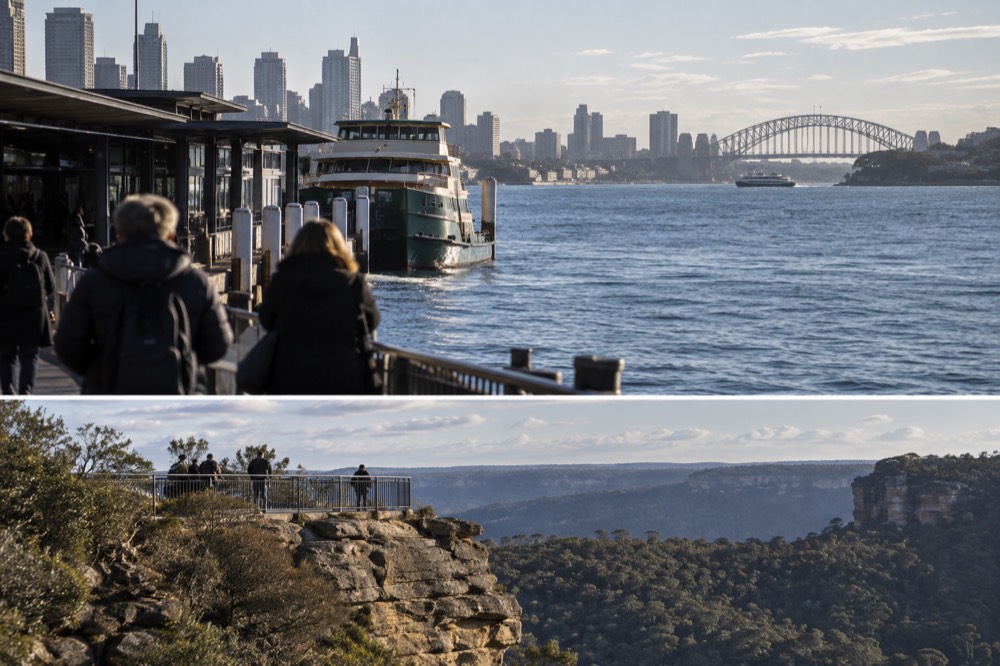
The Blue Mountains is the one people worry about, and it works better than expected with a small child. The train takes about two hours from Central to Katoomba, the Three Sisters lookout at Echo Point is a short walk from paved paths, and, contrary to what most visitors assume, Blue Mountains National Park charges no vehicle entry fee except in the Glenbrook area. Scenic World in Katoomba is a separate, ticketed attraction, and its cable car and railway are exactly the kind of thing a three-year-old talks about for weeks. Our Blue Mountains day trip guide covers the whole thing, including which tracks are closed for works into late 2026.
Whale watching is seasonal and honest about it: the migration runs May to November along the NSW coast, with the southern return, mothers and calves closer to shore, from August to November. An estimated 40,000-plus humpbacks pass along the NSW coast each year, but no operator can guarantee a sighting, and a two-hour-plus boat trip is a judgement call with a toddler. Our whale watching in Sydney guide lists the cruises, including the family-friendlier lunch and breakfast sailings.
Closer to home, Manly is the easy half-day: the ferry, the beach, the calm corner near the wharf, and Shelly Beach for the sheltered end of the peninsula. Our Manly Beach and Shelly Beach guides cover it, and the Manly ferry guide explains the route that many families ride twice in one day purely for the fun of it.
| Day trip | Travel time | Toddler suitability |
|---|---|---|
| Manly by ferry | 30 min by ferry | Excellent, the ferry is the point |
| Taronga Zoo | 12 min by ferry | Excellent, cable car included |
| Blue Mountains (Katoomba) | About 2 h by train | Good, one big lookout plus Scenic World |
| Royal National Park | About 1 h by train to Cronulla then ferry | Good for the Audley picnic area |
| Whale watching cruise | Departs Darling Harbour | Seasonal May-November, best over age 3 |
For a wider view of the options, day trips from Sydney without a car keeps every plan on the train and ferry network, which is the version of Sydney travel that suits a stroller best.
If you are booking anything, the zoo-and-ferry bundle, the hop-on hop-off bus and a harbour cruise are the three products that consistently suit families with small children. All three are shown below with live availability.
Common Questions About Sydney with a Toddler
Is Sydney a good city to visit with a toddler?
Yes. Ferries double as sightseeing, the zoo is reached by boat, the Royal Botanic Garden and the Australian Museum are free, and the big beaches are patrolled year-round. The compact centre means short transit legs between attractions, and children under four travel free on all public transport.
Do toddlers pay on Sydney public transport?
Children under four travel free on trains, metro, buses, light rail and public ferries. Everyone else can tap a contactless bank card and receive the same fares and daily caps as an Opal card: $19.30 Monday to Thursday and $9.65 Friday to Sunday.
Is Taronga Zoo worth it with a two-year-old?
Yes. The bundled entry and return ferry from Circular Quay starts from US$57.19 per adult, under-fours enter free, and the cable car ride up from the ferry wharf is a genuine attraction in itself. The zoo opens 9:30am every day of the year.
Which Sydney beaches are safest for small children?
Bondi, Bronte, Tamarama, Coogee and Manly have council lifeguards year-round, and Dee Why joined them in 2026. Swim between the red and yellow flags, or use the free ocean pools at Bronte and North Bondi, which are cleaned weekly and sheltered from surf.
What is there to do in Sydney with a toddler when it rains?
The Australian Museum is free and has a dedicated children's area, the Art Gallery of New South Wales is free and open until 10pm on Wednesdays, and the new Sydney Fish Market at Blackwattle Bay is now reachable by ferry. Avoid the Powerhouse Museum in Ultimo, which has been closed since February 2024.
Can you do the Blue Mountains with a toddler?
Yes, by train from Central to Katoomba in about two hours, with no national park entry fee outside the Glenbrook area. Echo Point and the Three Sisters lookout are reachable on paved paths, and Scenic World's cable car and railway are toddler gold. Check current track closures before you go.