Australian Museum Sydney: What to See, Costs and Planning Tips
The Australian Museum is Australia's oldest museum and one of the few major Sydney attractions where general entry costs nothing. Here is what to see inside, when to go and how to plan the day around it.
Short answer
General entry to the Australian Museum is free, and the museum opens daily from 10am to 5pm, closed only on Christmas Day. It sits at 1 William Street opposite Hyde Park, a short walk from Museum or St James stations. Allow two to three hours for the permanent galleries, longer if a ticketed special exhibition is showing.
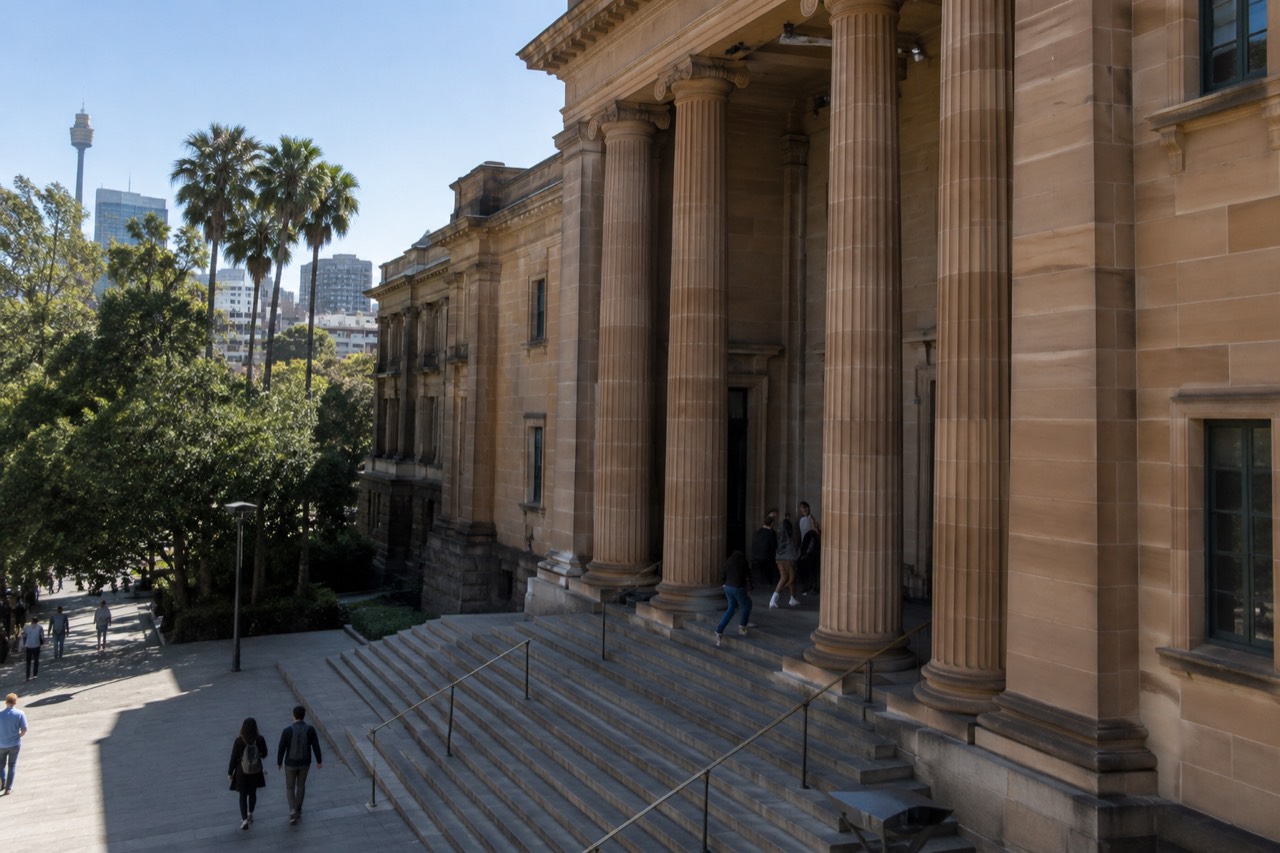
Sydney's museum district begins at 1 William Street, where a colonnaded sandstone building has stood since the colony was young enough to remember its founding. The Australian Museum is the country's oldest museum, and unlike most of the attractions tourists queue and pay for, its general entry is free. That combination, serious natural history collections in a building you can walk into without a ticket, makes it one of the better value stops in the city, and this guide from the Sydney Travel Guide desk covers what to see, what it costs, and how to fit it into a Sydney day.
What Is the Australian Museum and Why Does It Matter?
It is Australia's oldest museum, founded well before the city had a university, and it holds the country's principal collections of natural history and cultural material, from dinosaurs and minerals to First Nations artefacts. General entry is free, which makes it the most accessible of Sydney's big cultural institutions. Plan on two to three hours for the permanent galleries alone.
The institution predates almost everything tourists associate with Sydney. Its collections span palaeontology, mineralogy, zoology and anthropology, and the building itself has been extended so many times that a walk through it is a walk through a century and a half of colonial architecture. The museum's First Nations collections are among the most significant in Australia, and the permanent galleries dedicated to Aboriginal and Torres Strait Islander cultures are the ones many overseas visitors remember longest.
What surprises most first-time visitors is the scale. People arrive expecting a small colonial curiosity cabinet and find a full natural history museum with dinosaur skeletons, a minerals gallery that catches children completely, and a taxidermy collection built up over the museum's long collecting history. It is the kind of place where the free price tag makes you suspicious of the quality, and the quality then makes you forget the price entirely.
For context on how it fits the city's cultural landscape, our Sydney CBD orientation guide places it within the broader museum quarter, and the Hyde Park Barracks sits a few minutes' walk away as a UNESCO-listed companion piece on the colonial history side.
What Can You Actually See Inside the Galleries?
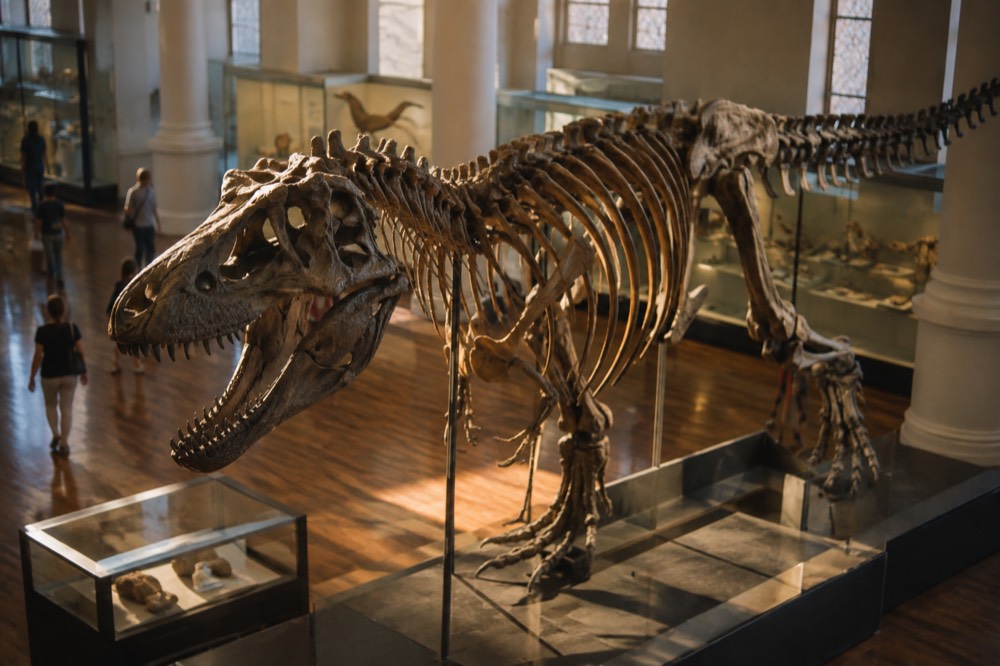
The permanent collection covers dinosaurs and prehistoric life, Australian animals, minerals, Pacific and Indigenous cultural material, and a dedicated First Nations gallery space. The dinosaur gallery is the headline act for families, while the First Nations galleries are the reason many adult travellers rank the museum above Sydney's paid attractions. Special exhibitions rotate and are ticketed separately.
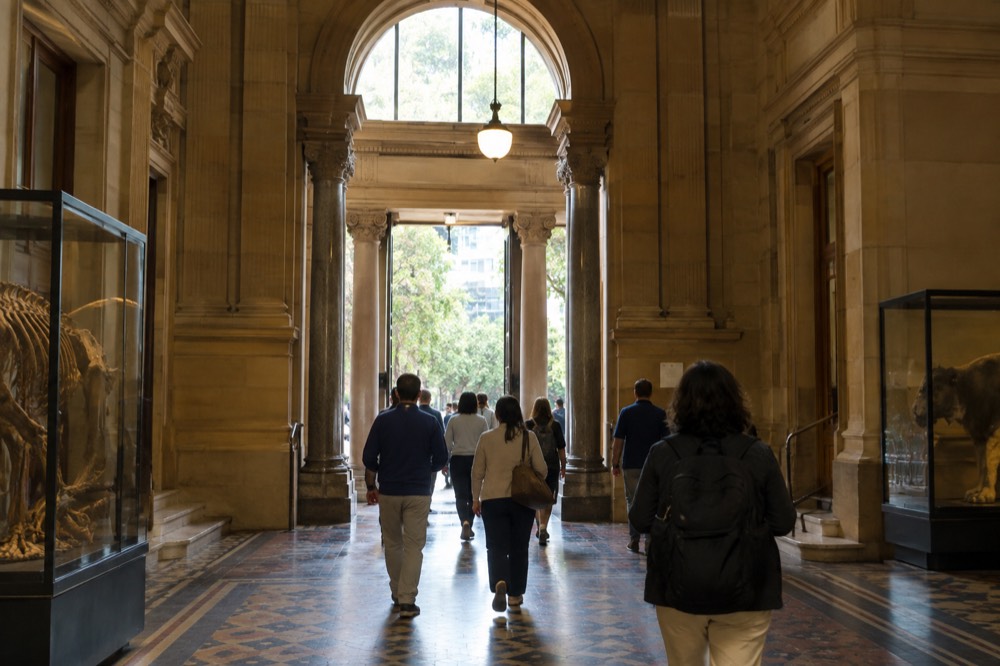
The permanent galleries divide fairly cleanly into natural science and human cultures. On the natural side, the dinosaur gallery dominates the ground floor for younger visitors, with mounted skeletons and animatronics, and the Surviving Australia gallery walks you through the country's genuinely alarming roster of venomous wildlife in a way that is educational rather than terrifying. The Birds and Insects gallery and the mineral collection fill out the science half of the building.
On the human side, the museum holds First Nations cultural material from across the country, presented with input from community curators, alongside Pacific collections gathered through the museum's long history. These galleries are quieter than the dinosaur floor and deserve the extra time most visitors never give them.
Here is how the main permanent galleries break down:
| Gallery | What it covers | Best for |
|---|---|---|
| Dinosaurs | Mounted skeletons, animatronics, fossil displays | Families with children |
| Surviving Australia | Venomous and dangerous Australian wildlife, habitats | First-time visitors to Australia |
| First Nations galleries | Aboriginal and Torres Strait Islander cultural material | Adults, cultural travellers |
| Birds and Insects | Australian bird and insect specimens | Nature enthusiasts |
| Minerals | Gemstones and mineral specimens from Australian deposits | Anyone, genuinely striking |
| Pacific collections | Material culture from across the Pacific region | Adults, history-focused visitors |
One planning note worth knowing: the special exhibition spaces host touring blockbusters, and those are ticketed separately from the free general entry. Which exhibition is showing changes through the year, so check what is currently on before you assume everything inside is free.
If you are building a full Sydney sightseeing day around the museum, three products pair naturally with a free morning of galleries:
The combo pass suits families who want the aquarium and the zoo in one ticket, the observation deck suits anyone whose priority is the view, and the harbour cruise suits travellers who want the water experience without committing a full afternoon. You can also read our Sydney attraction passes compared breakdown before deciding whether a bundle works for your itinerary.
How Much Does Entry Cost and When Is the Museum Open?
General entry is free for everyone, and the museum opens from 10am to 5pm daily except Christmas Day. Ticketed special exhibitions cost extra and vary by exhibition, so the only mandatory spend is whatever the current blockbuster is, and only if you want it. Last entry in practice is well before 5pm if you want more than a rushed hour inside.
The free general entry is confirmed on the museum's own visitor information page, and it is not a limited-time promotion, it is the standing policy for the permanent galleries. That puts the Australian Museum in the same free category as the Art Gallery of New South Wales, whose general entry is also free and which stays open until 10pm on Wednesdays, a detail worth building an evening around.
| Institution | General entry | Hours | Closed |
|---|---|---|---|
| Australian Museum | Free | 10am-5pm daily | Christmas Day |
| Art Gallery of New South Wales | Free | 10am-5pm, Wednesdays to 10pm | Good Friday, Christmas Day |
| Museum of Contemporary Art Australia | Free general entry | Daily | Check current hours |
| Hyde Park Barracks | Ticketed | Daily | Check current hours |
Timing matters less here than at Sydney's outdoor attractions. Because the whole experience is indoors, the museum is one of the best answers to a wet-weather day, and our Sydney rainy day itinerary leans on it heavily. The quietest hours are weekday mornings right on the 10am opening; school holidays and rainy weekends are the busiest, and the dinosaur gallery gets loud fast.
How Long Should You Spend at the Australian Museum?
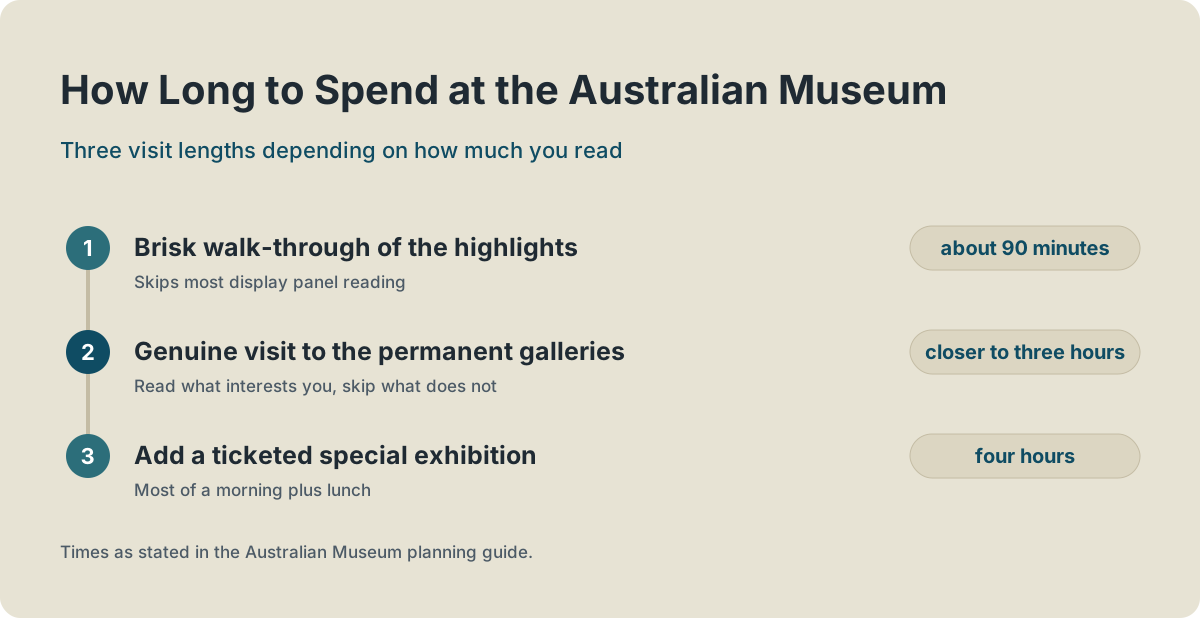
Two to three hours covers the permanent galleries at a comfortable pace. Families with young children often stay longer because the kids' areas and dinosaur gallery reward slow exploration, while adults doing the cultural galleries plus a special exhibition should budget half a day. It is not a full-day attraction on its own.
The honest answer depends on your tolerance for reading display panels. A brisk walk-through of the highlights takes about 90 minutes. A genuine visit, where you read what interests you and skip what does not, runs closer to three hours. Add a ticketed special exhibition and you are at four hours, which is most of a morning plus lunch.
The efficient play is to arrive at 10am, do the permanent galleries until noon, eat, and then spend the afternoon on something with a view. The Sydney Tower Eye observation deck is the natural complement, and advance tickets there start cheaper than on-the-day rates, so booking ahead saves real money. Our Sydney Tower Eye guide covers the deck and the outdoor Skywalk option in detail.
Is the Australian Museum Good for Kids?
Yes, emphatically. The dinosaur gallery, the Surviving Australia wildlife displays and the dedicated kids' play areas make it one of Sydney's most reliable family attractions, and free entry means there is no sunk cost if a child melts down after 40 minutes. It is a standard wet-weather stop for local families, which tells you it works.
The museum has invested heavily in its family offer over recent years. The dinosaur gallery does the heavy lifting, but the kids' spaces designed for under-twelves give parents a place to let younger children burn energy, and the mineral gallery reliably produces the quietest, most absorbed staring you will see from a seven-year-old all trip. Because entry is free, the museum works as a flexible stop rather than a scheduled commitment, which is exactly what travelling families need.
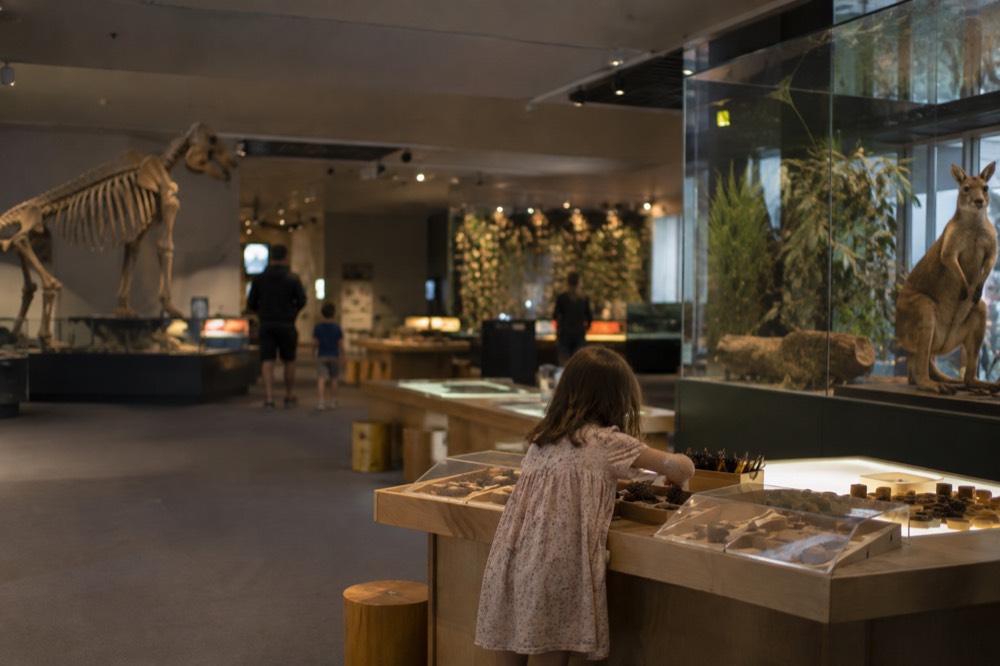
For a full family day built around this neighbourhood, our Sydney with kids itinerary pairs the museum with the Royal Botanic Garden and the harbour foreshore, all reachable on foot. Families planning a wider stay should also read things to do in Sydney with kids for the bigger picture.
| Family feature | What it offers | Age suitability |
|---|---|---|
| Dinosaur gallery | Skeletons, animatronics, fossil touch displays | All ages |
| Kids' activity spaces | Hands-on play and craft areas | Under 12s |
| Surviving Australia | Live-animal displays and habitat dioramas | All ages |
| Minerals gallery | Gemstones and glowing specimens | All ages, surprisingly gripping |
How Do You Get to the Australian Museum?
The museum sits at 1 William Street, opposite Hyde Park's eastern edge, about 200 metres from Museum station and a similar walk from St James. Both stations are on the city circle train lines, and multiple bus routes run along College Street and Elizabeth Street directly past the entrance. From Circular Quay it is a flat 20-minute walk.
This is one of the easiest major attractions in Sydney to reach without a car, and driving is genuinely the worst option because parking around the eastern CBD is scarce and expensive. The nearest train stations, Museum and St James, put you within a few minutes' walk, and the light rail stops at Hyde Park are also close. Opal card or contactless payment works across all of it, with the off-peak discount applying on trains and light rail from Fridays through weekends. Our Opal card guide for visitors explains the caps and the airport station access fee if you are arriving on the same day.
| From | Best route | Approximate time |
|---|---|---|
| Circular Quay | Walk via Hyde Park, or train to Museum | 20 min walk, 8 min by train |
| Town Hall | Walk through Hyde Park | 12 min walk |
| Central | Train to Museum or St James | 10 min combined |
| Darling Harbour | Light rail to Hyde Park stops | 20 min combined |
| Kings Cross | Bus along William Street | 15 min |
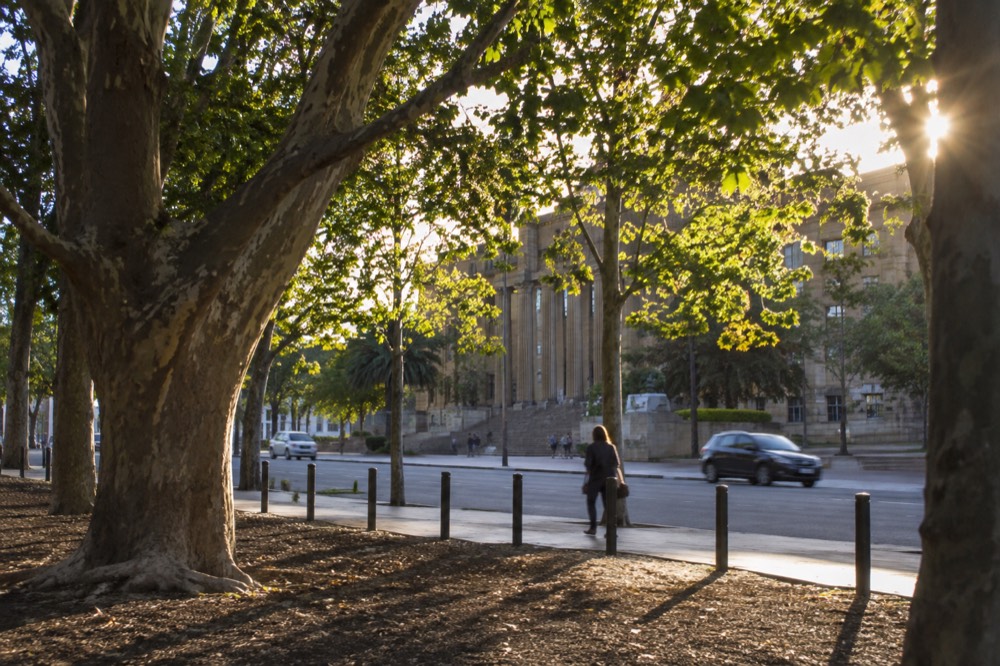
If you are arriving by ferry, the pleasant approach is to sail into Circular Quay, walk up through the city, and finish through Hyde Park. The harbour sightseeing cruise makes a relaxed morning of the water crossing, with morning and afternoon departures that land you at the Quay with the whole afternoon free for the museum.
Is the Australian Museum Accessible for Wheelchairs and Prams?
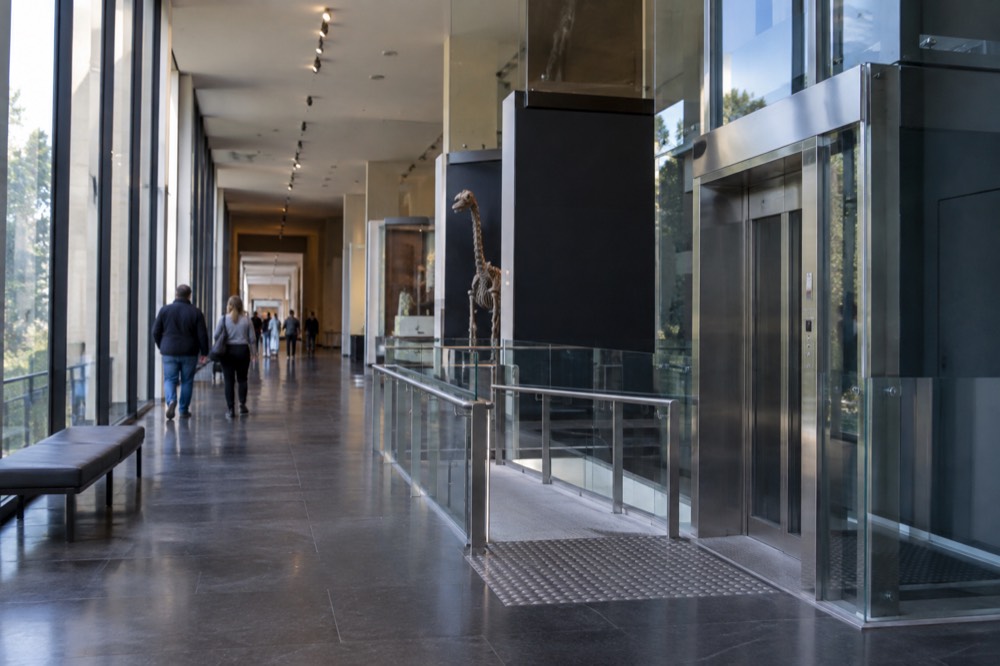
Yes. The building has lifts to all public gallery levels, step-free entry from the William Street entrance, accessible toilets and loan wheelchairs, and the free entry policy applies to carers as well as visitors. The older wings mean some corridors are narrower than a purpose-built venue, but the main visitor route is step-free throughout.
Sydney's heritage buildings are a mixed bag for accessibility, and the museum is one of the better ones because its major refurbishments brought the public circulation up to modern standards. Lift access connects the ground floor galleries to the upper levels, and the main entrance is level from the street. Because it is free, there is no ticketing friction for companions or carers either. For a city-wide view of which other attractions manage the same standard, our accessible Sydney guide rates the major sites.
What Else Is Near the Australian Museum?
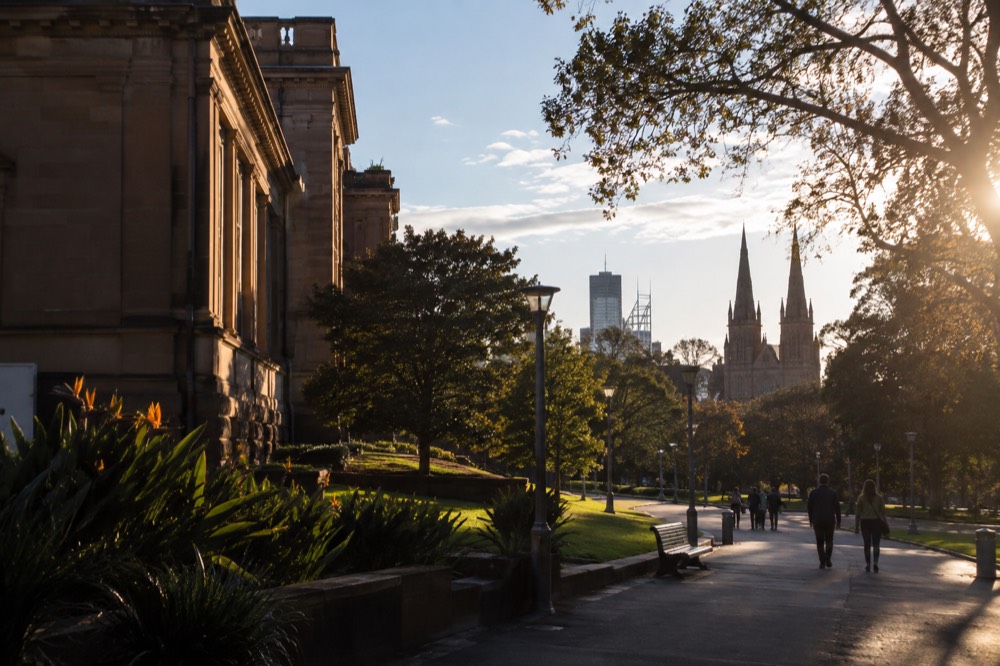
Hyde Park, St Mary's Cathedral, the Art Gallery of New South Wales and the Royal Botanic Garden are all within a 10-minute walk, which makes this corner of the city the densest cluster of free attractions in Sydney. The Opera House is about 25 minutes on foot through the park and Domain. You could spend an entire day here without paying for anything except food.
This is the strategic argument for visiting: the museum anchors a walkable chain of free institutions. Exit onto College Street, cut through Hyde Park to the cathedral, continue to the Art Gallery, then descend through the Royal Botanic Garden, whose entry is also free, to the harbour at Farm Cove. The Royal Botanic Garden Sydney is the garden most visitors assume is ticketed and is not, and the Art Gallery of New South Wales keeps its Wednesday late opening, to 10pm, for anyone whose museum morning runs long.
Travellers who want one paid anchor in the day usually pick between the observation deck, covered above, and the [multi-attraction pass](https://gocity.tpk.ro/rUvgw2vS). The four-attraction pass earns its keep for families doing SEA LIFE, the Tower Eye, WILD LIFE and Madame Tussauds across two or more days, and pricing it against single tickets for your dates is worth five minutes before you commit.
Where Should You Eat Before or After a Visit?
There is a cafe inside the museum, and the surrounding blocks along William Street, College Street and into Darlinghurst carry some of the densest cafe and lunch seating in Sydney. Most visitors eat nearby rather than inside, and the walk to Woolloomooloo's famous pie rows takes about 15 minutes for a genuinely local lunch.
The in-house cafe covers coffee, cakes and a light lunch without you needing to re-clear entry, which matters on a rainy day. But the neighbourhood is the better story. Darlinghurst and Woolloomooloo sit immediately to the east, Surry Hills is a short walk south, and our Sydney brunch spots and Sydney food guide pages map the area's eating in detail. The Harry's Cafe de Wheels pie cart in Woolloomooloo is the classic budget option, and the Woolloomooloo foreshore walk to reach it is a pleasant 15 minutes.
Which Is Better: The Australian Museum or the Other Big Sydney Museums?
For natural history, dinosaurs and First Nations cultural collections, the Australian Museum wins outright and costs nothing. For contemporary art, go to the MCA at The Rocks. For colonial history, Hyde Park Barracks. For design and science, note that Powerhouse Ultimo is closed for redevelopment and is not due to reopen until around 2029, so plan around it.
The comparison matters because Sydney's museum landscape has a hole in it right now. Powerhouse Ultimo has been closed to the public since February 2024 for a major redevelopment, and the museum's Parramatta successor is scheduled to open in November 2026. Until then, the Australian Museum and the Art Gallery carry the free-museum load for the city centre, and the Museum of Contemporary Art Australia covers the harbour-side contemporary art slot. Our Powerhouse Museum page tracks the reopening timeline for anyone planning further ahead.
If you are choosing between paid attractions instead, the trio below covers the three most common pairings with a museum morning, and the same picks work whether you are travelling with children or on an adults-only city break:
Common Questions About the Australian Museum Sydney
Is the Australian Museum free to enter?
Yes. General entry to the permanent galleries is free for everyone. Ticketed special exhibitions cost extra and change through the year, so check the current program if a blockbuster matters to you.
How long do you need at the Australian Museum?
Two to three hours covers the permanent galleries comfortably. Add an hour or more if you are visiting with young children or buying a ticket to a special exhibition.
What are the Australian Museum's opening hours?
It opens daily from 10am to 5pm and closes only on Christmas Day. Hours are confirmed on the museum's own visitor information page.
Is the Australian Museum good for kids?
Very. The dinosaur gallery, hands-on kids' spaces and the Surviving Australia wildlife displays make it one of the most reliable family attractions in the city, and free entry means there is no cost risk if the visit runs short.
Which is better, the Australian Museum or the Art Gallery of New South Wales?
They answer different questions. The Australian Museum covers natural history and First Nations cultural collections, while the Art Gallery covers visual art. Both are free for general entry and both are within a 10-minute walk of each other, so most visitors do both on the same day.
Is the Australian Museum accessible?
Yes. There is step-free entry from William Street, lifts to all public gallery levels, accessible toilets, and loan wheelchairs. Carers enter free alongside the free general entry.