Where Do Rich People Dine in Sydney?
Where Sydney's wealthy actually eat: the harbourside dining rooms, the small bars of the inner city, and what a genuine splurge night out involves.
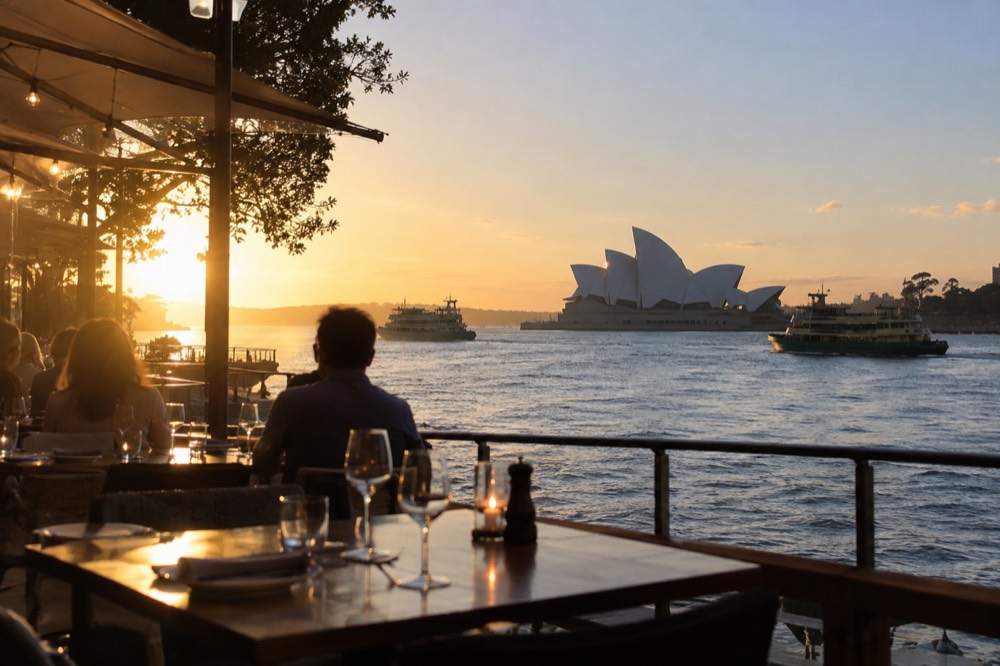
Sydney's expensive eating is concentrated in a surprisingly small number of places, and almost all of them look at the water. The city's most exclusive dining rooms sit on the harbour edge at Circular Quay, in the backstreets of Surry Hills and Paddington, and inside a handful of private members' clubs that most visitors will never see the inside of. What follows is a reading of where the money actually goes, drawn from how the city's dining scene is organised rather than any claim about individual diners.
Where Do Rich People Dine in Sydney?
Sydney's wealthy dine in three concentric rings: the harbourside fine-dining rooms around Circular Quay and The Rocks, the chef-driven restaurants of Surry Hills, Paddington and Newtown, and private clubs and invitation-only rooms that never appear in a search result. Bennelong and Quay at the Opera House, and the long-standing tasting-menu rooms of the inner city, anchor the visible end of that market. The invisible end, the clubs and private kitchens, is where the serious money often eats.
The visible ring is the one a visitor can book. The Sydney Opera House itself holds two of the country's most awarded dining rooms, and the reason is geography: a table with the sails in frame is the single most recognisable Sydney backdrop that exists, and people who can pay for a view routinely do. Across the cove at The Rocks and along the Walsh Bay wharves, the same logic repeats with water-facing tables at premium prices.
The second ring is food-led rather than view-led. Surry Hills and Paddington, and to a growing extent Newtown, hold the small chef-owned rooms where Sydney's hospitality industry eats on its own nights off. These places rarely have a harbour view and rarely need one. The third ring, private members' clubs and invitation-only dining, is real but largely unwritable about: no published menus, no bookings a stranger can make, and no reason for a guide to pretend otherwise.
Which Neighbourhoods Do Sydney's Wealthy Actually Eat In?
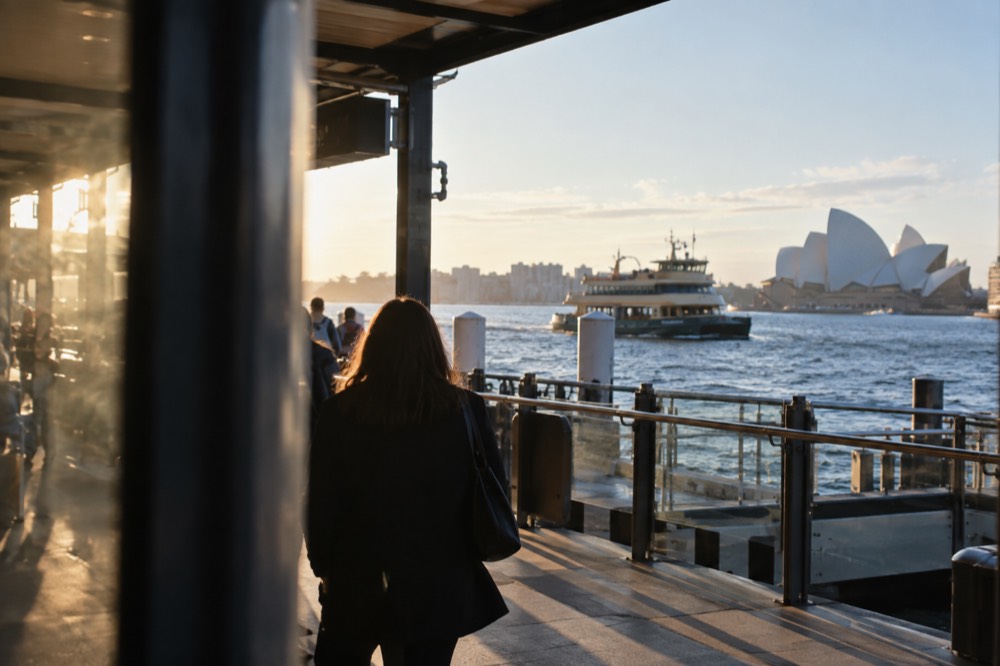
Four precincts carry most of Sydney's high-end dining: Circular Quay and The Rocks for harbourside occasion dining, Surry Hills and Paddington for chef-driven tasting menus, the CBD for expense-account restaurants, and Barangaroo for the newest wave of premium waterfront rooms. Newtown and Glebe host the cheaper, younger end of the same food culture. A visitor who wants to eat where the city's own hospitality workers eat should head to Surry Hills, not the harbour.
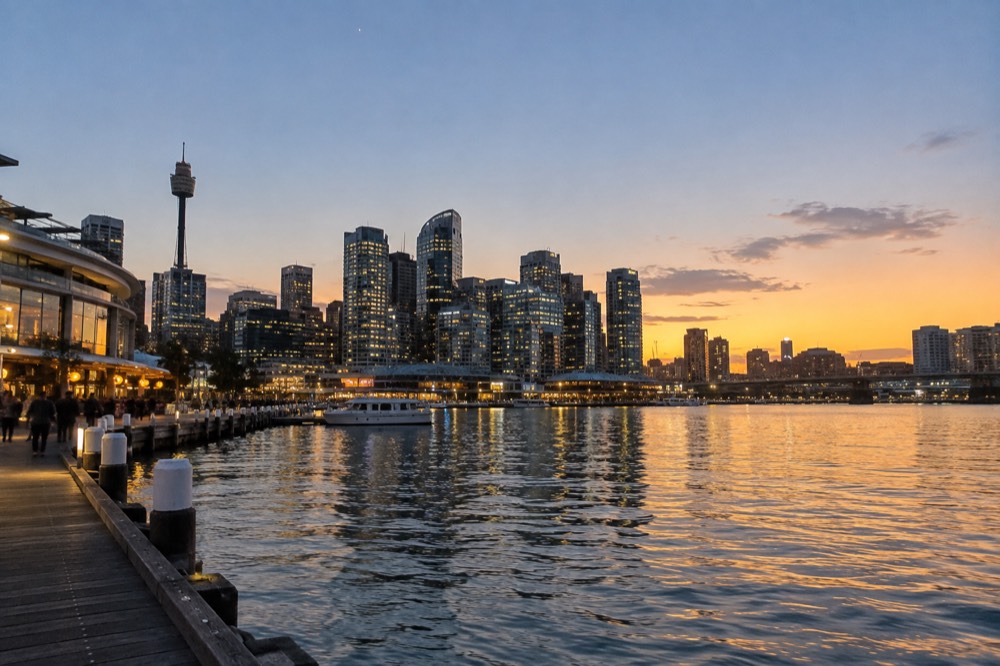
Barangaroo deserves its own line. It is the newest of the four, built on reclaimed dockland west of Darling Harbour, and its dining strip was designed from scratch for premium waterfront hospitality. The rooms there are large, glossy and expensive, and the precinct has pulled a share of corporate and celebration dining away from the older Quay-side addresses. Worth reading alongside it: our guide to Barangaroo's dining and waterfront strip, which covers what the precinct actually is, since it did not exist in this form a decade ago.
Surry Hills is the opposite proposition. The suburb's dining is packed into terraces and old pub rooms, and its best-known tasting-menu rooms trade entirely on the kitchen rather than the address. Paddington plays a similar role on the harbour side of Oxford Street, and Newtown has become the place where Sydney's food culture experiments at lower prices before the ideas move upmarket. For a fuller map of the city's eating, start with the best restaurants in Sydney rather than a single suburb guide, because the high-end scene genuinely spans the lot.
Is Dining on the Harbour Part of the Experience?
Yes, and more than in most cities. Sydney's most expensive dining rooms are overwhelmingly oriented toward the water, and the harbour itself is treated as part of the meal: the ferry traffic, the Opera House, the bridge. A sightseeing cruise is the budget version of the same instinct, and a table at Circular Quay is the premium version. Both are really purchases of the same view from different altitudes.
The public ferry network is the cheap entry to this. The Manly ferry, the F1 route, costs $9.20 one way for an adult and is regularly described as the best-value harbour cruise in the city, a claim we examine separately in is the Manly ferry the best value tour in Sydney. Fares and caps are published by Transport for NSW, and a contactless card pays exactly what an Opal card pays. The wealthy are not riding the F1 to dinner, but the water-based habit runs right through the city's class structure: everyone in Sydney eats toward the harbour when the occasion allows.
At the paid end, the sightseeing cruise is the entry-level version of the same thing, and the Sydney Harbour Sightseeing Cruise runs morning and afternoon departures from the heart of the dining precinct.
Above that sit the sunset catamaran and tall-ship cruises, and above those, the chartered and private-boat end of the market that no article can usefully price. The pattern to notice is that the harbour is the constant. Whether the spend is a ferry fare or a chartered vessel, the product being bought is Sydney's water, and the dining rooms on shore are priced the way they are largely because they sit on the same view.
What Separates a Splurge Meal from an Expensive One?
A splurge meal in Sydney is food-led: a tasting menu at a chef-owned room in Surry Hills or the Quay-side dining rooms, booked weeks ahead, with the spend concentrated on the kitchen. An expensive meal is view-led: a large harbourside room where the produce is good but the price is carrying the real estate. Locals distinguish the two sharply, and visitors routinely pay splurge prices for view-led rooms because the booking is easier.
The practical tell is the booking window. Sydney's genuinely food-led rooms book out weeks ahead because the kitchen is the draw, and a table that is easy to get on the same evening at a harbour address is usually telling you what the money is buying. The second tell is who is in the room. The chef-driven rooms of Surry Hills fill with hospitality workers on their nights off, which is the closest thing the city has to an insider signal.
None of this means the view-led rooms are bad. Several of the country's most awarded dining rooms sit on the harbour and earn it twice over. But a visitor asking where the money dines should know that the two categories exist, that they overlap less than the prices suggest, and that the harder booking is usually the better purchase.
Thinking of turning a splurge meal into a splurge day?
Should You Build a Whole Day Around One Big Dinner?
It is a genuinely Sydney move, and the city supports it well: a harbour morning, an afternoon in the precinct you are dining in, then the meal itself. The reason it works here is density, since the fine-dining precincts sit within a couple of kilometres of the harbour walks, and the whole arc can be done without a car.
A common shape is a morning on the water, an afternoon in The Rocks or Surry Hills, and dinner at the top of the evening. The Rocks walk below is the natural afternoon filler for anyone dining at the Quay end, and the observation deck is the version of the harbour view that fits before lunch rather than after it.
What Does a High-end Night Out in Sydney Actually Cost?
As a planning range, a tasting menu at Sydney's top rooms sits in the low-to-mid hundreds of Australian dollars per person before drinks, and mid-range rooms sit well under that. Wine pairing typically adds roughly half the menu price again. These are planning ranges, not quotes: the top rooms change their pricing by season and menu, and the only reliable figure is the one on the room's own booking page when you reserve.
The honest way to frame this is a table of what each tier of the night typically involves, with the caveat that every figure below is a range a visitor should verify at the point of booking.
| Tier of night out | Where it happens | What the spend buys | Rough planning range (A$, per person, food only) |
|---|---|---|---|
| Occasion tasting menu | Circular Quay, The Rocks, Surry Hills | Multi-course menu at an awarded room | low-to-mid hundreds |
| Premium harbourside dinner | Circular Quay, Barangaroo, Walsh Bay | Water-facing table, strong produce, view premium in the price | mid hundreds |
| Chef-driven neighbourhood dinner | Surry Hills, Paddington, Newtown | Small room, kitchen-led menu, minimal view premium | under the low hundreds |
| Wine-bar crawl | Surry Hills, Darlinghurst, Newtown | Snacks and glass pours across several rooms | tens per stop |
Two Sydney-specific costs sit outside the table. Tipping is not obligatory in Australia, and there is no expectation of a percentage tip even at the top rooms; rounding up or leaving something for good service is a gesture, not a requirement, which our tipping and etiquette in Sydney guide covers in full. And because the expensive precincts are walkable or a short ferry or train ride apart, transport is a rounding error: the Opal daily cap sits at $19.30 on weekdays and less from Friday to Sunday, per Transport for NSW's fare pages.
Where Should You Book for One Big Splurge?
For one splurge meal, book a harbourside dining room at Circular Quay or The Rocks if the occasion is the point, or a chef-driven tasting room in Surry Hills if the food is the point. Book weeks ahead either way. If you want the splurge feeling without the full price, a harbour-view lunch or a dining experience up Sydney Tower delivers the occasion at a fraction of the dinner cost.
The lunch trick is the one worth knowing. Several of the city's premium rooms run cheaper set lunches than dinners, and the harbour view is identical at midday. The same logic applies up the tower: the Skyfeast dining experience at Sydney Tower runs a buffet lunch or dinner with the revolving view, and it is the inexpensive version of the "eat with the whole city in frame" instinct that drives the Quay-side prices.
For the classic version, pair the booking with an afternoon in The Rocks, which is the precinct most of the Quay-side splurge rooms sit beside. The guided walk below covers the sandstone laneways those dining rooms back onto, and it fills the hours before an evening reservation better than any list of shops would.
If you are planning the wider trip, Sydney Travel Guide holds the neighbourhood and itinerary pages that sit around this one, and where to stay in Sydney matters more to a dining-focused trip than most visitors expect, because the splurge precincts cluster tightly around the harbour and the inner east.
Common Questions About Where the Wealthy Dine in Sydney
Where do rich people dine in Sydney?
In three rings: harbourside fine dining around Circular Quay, The Rocks and Barangaroo; chef-driven tasting rooms in Surry Hills and Paddington; and private members' clubs that do not take public bookings. Bennelong and Quay at the Opera House anchor the visible end.
Do you need to book Sydney's top restaurants weeks ahead?
For the food-led tasting rooms, yes, often weeks ahead. View-led harbourside rooms usually have more same-week availability, which is itself a signal about what the price is carrying.
Is tipping expected at expensive Sydney restaurants?
No. Tipping is not obligatory anywhere in Australia, including the top dining rooms. Leaving something for excellent service is a gesture, not a percentage obligation.
Is a harbour view worth paying for at dinner?
It depends what the meal is for. For an occasion, the view is part of the product. For a food-focused splurge, the chef-driven rooms inland deliver more kitchen for the money.
What is the cheaper way to get the same harbour experience?
A sightseeing cruise, a Manly ferry ride at $9.20 one way, or a harbour-view lunch instead of dinner. The water and the Opera House look the same from all of them.