Barangaroo: Sydney's Waterfront Precinct Explained
Barangaroo is the headland park and dining precinct on Sydney's western harbour edge, a short walk from Wynyard and The Rocks, and one of the city's best free vantage points for sunset and New Year's Eve.
Short answer
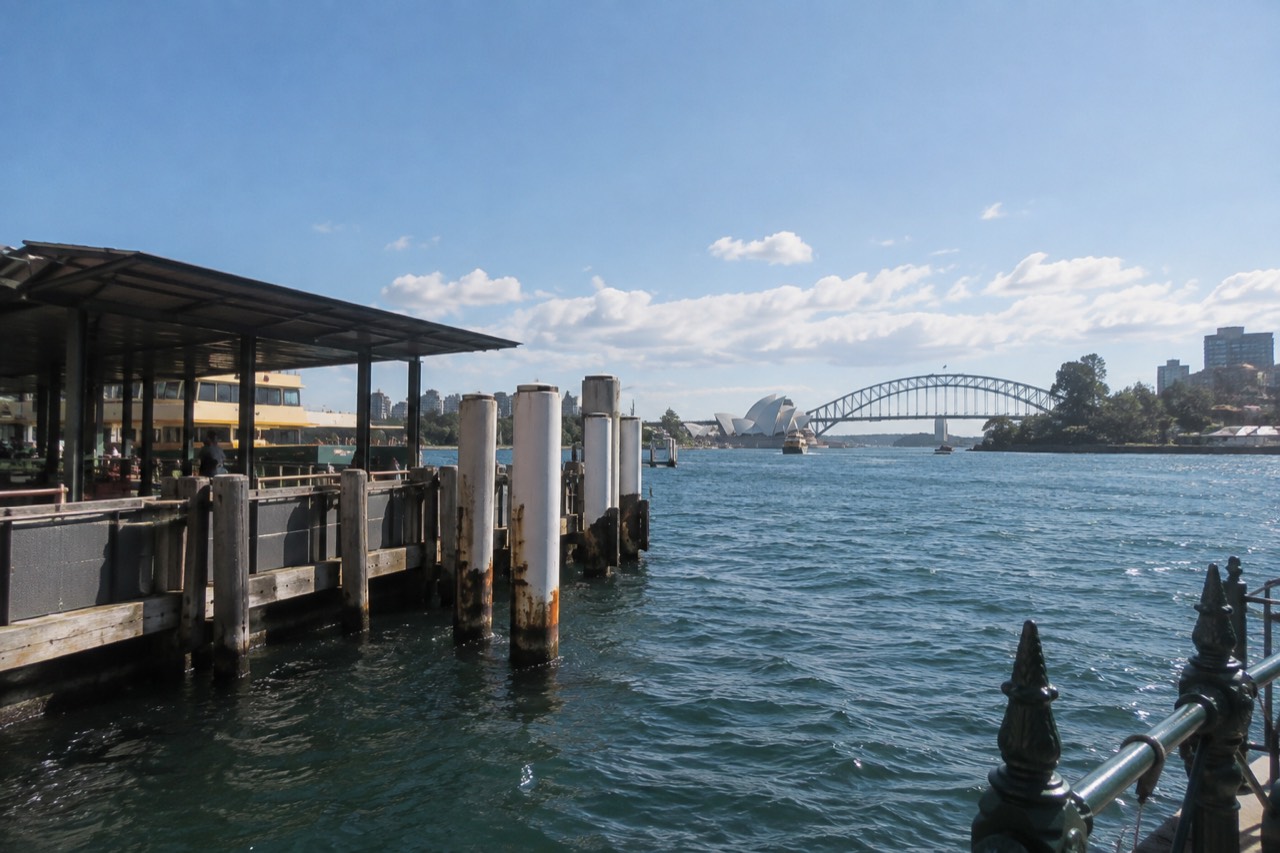
Barangaroo is a waterfront precinct on Sydney's western harbour edge, a short walk from Wynyard station. Its headland park, Barangaroo Reserve, is free to enter, with harbour lookouts, lawns and native planting. The southern end holds some of the city's best-known restaurants, and the foreshore walk links it to Darling Harbour in one direction and the Harbour Bridge in the other.
Barangaroo sits on the western edge of the Sydney CBD, where a working port stood for most of the twentieth century. Today it is a headland park wrapped in sandstone, a dining strip with water views, and a foreshore walk that stitches the precinct into the harbour without a single ticket gate. Entry to the reserve is free, the lawns are open from morning to night, and the whole precinct is within an easy walk of Wynyard, Circular Quay and The Rocks.
The precinct is named for Barangaroo, a Cammeraygal woman of the Eora Nation who was a prominent figure in the early colonial period around Sydney Cove. The Gadigal people of the Eora Nation are the traditional owners of the land the precinct now occupies, and the headland itself is a reconstruction of the shoreline as it stood before the wharves moved in.
What Is Barangaroo and Why Is It Worth Visiting?
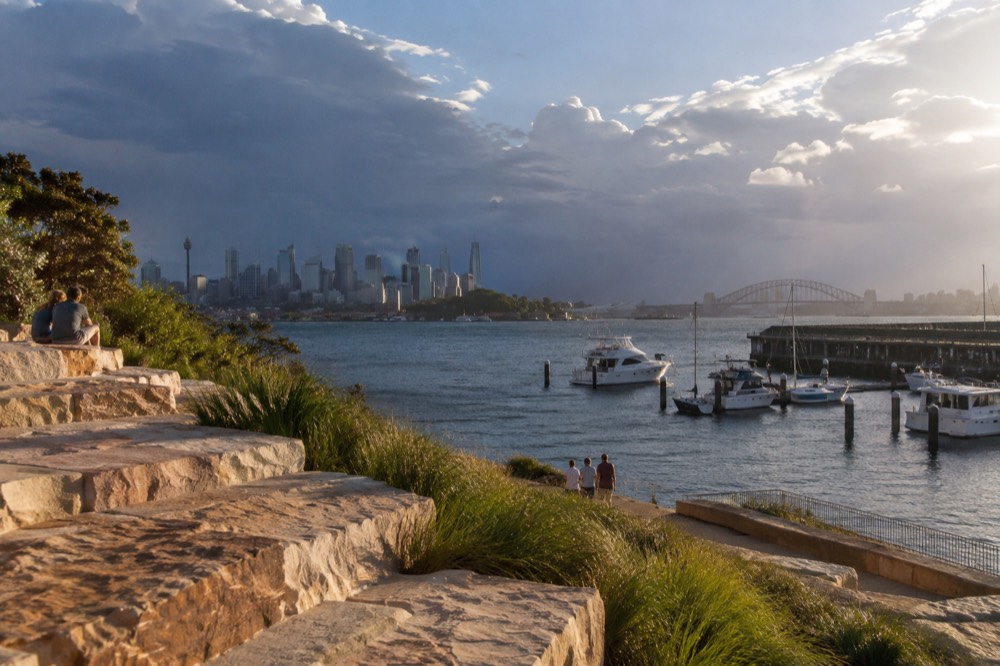
Barangaroo is a harbourfront precinct on Sydney's western edge, and the figure that matters most is zero: entry to its headland park, Barangaroo Reserve, costs nothing and never has. The reserve re-creates the natural sandstone shoreline that existed before the site became a working dock, rebuilt over and around the old port structures with stone cut for the purpose. It is the best free combination of harbour view, open lawn and short walk from the city centre anywhere on the western side of the harbour, and it sits within fifteen minutes of Wynyard station.
The precinct runs along the water from King Street Wharf in the south to the northern boundary near Millers Point. Its three parts are easy to keep straight in your head. Barangaroo Reserve is the northern headland park. The central and southern blocks hold the commercial towers and the dining strip along the water. And the foreshore promenade runs the full length, connecting at the southern end to Darling Harbour and at the northern end toward The Rocks and the Harbour Bridge.
What makes it worth a half day rather than a quick photo is the combination. You get a genuine bushland-style headland planted with species native to the Sydney region, lookouts that face the Harbour Bridge and the Opera House across the water, a working harbour still busy with ferries and charter boats, and a restaurant row that runs from casual seafood to fine dining. Few Sydney precincts pack all four into a walk of this length.
The site's history is worth a sentence before you walk it. For decades this stretch was concrete wharfage and cargo sheds, part of the port that moved freight through the western CBD. The headland park was rebuilt over and around the old port structures, and the sandstone you walk on was quarried for the project. When you stand on the northern lookouts, you are standing on a deliberately reconstructed piece of pre-colonial shoreline, a short walk from the oldest colonial streets in Australia.
How Do You Get to Barangaroo?
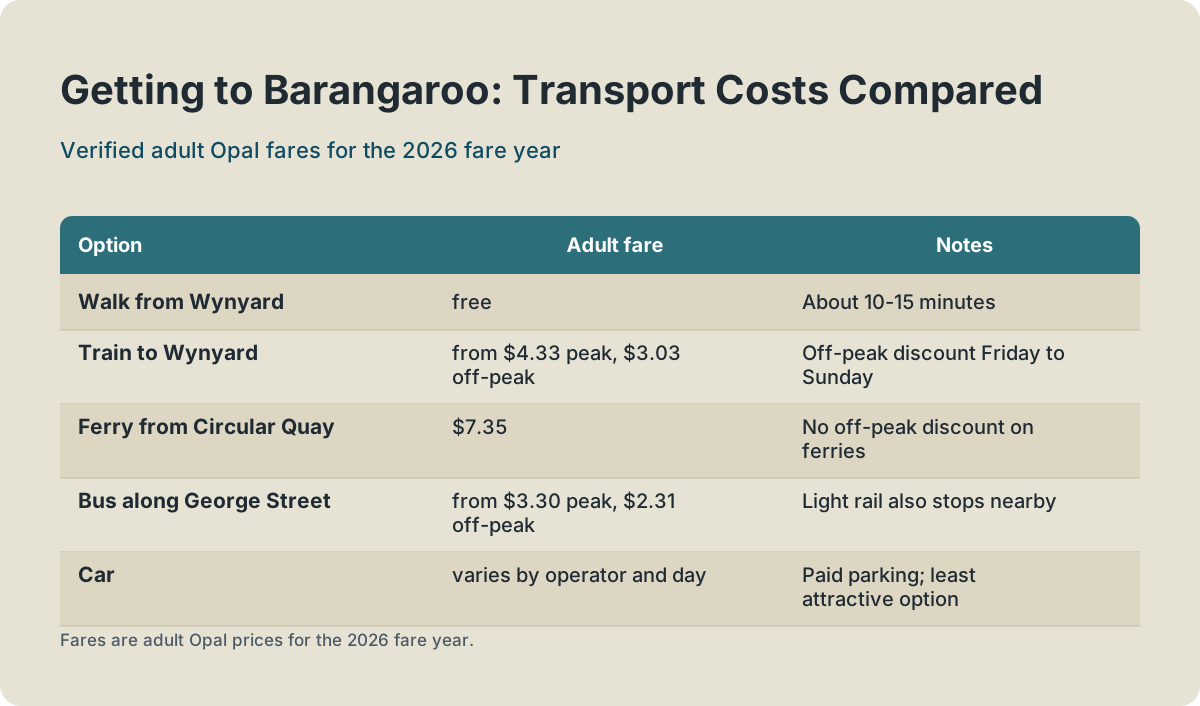
Walk. Barangaroo is a 10-to-15-minute walk from Wynyard station via a direct pedestrian link, and the foreshore promenade continues on to Darling Harbour and Millers Point, so arriving on foot doubles as sightseeing. If you are coming from farther out, take a train to Wynyard from $4.33 peak, but driving is the weakest option because parking is limited and paid. The foreshore promenade connects the precinct to Darling Harbour in one direction and Millers Point in the other, so arriving on foot doubles as sightseeing. A train to Wynyard costs from $4.33 peak or $3.03 off-peak in the shortest distance band, and contactless cards are charged exactly the same as an Opal card. Driving is the weakest option: parking is limited and paid.
Here is how the main options compare, using the verified adult Opal fares for the 2026 fare year.
| Option | Route | Cost (adult, 2026 fare year) | Notes |
|---|---|---|---|
| Walk from Wynyard | Direct pedestrian link through to the precinct | free | About 10-15 minutes; the fastest door-to-door option from most of the CBD |
| Train to Wynyard | Any line stopping at Wynyard | from $4.33 peak, $3.03 off-peak (0-10 km band) | Off-peak discount applies on metro and train from Friday to Sunday and outside peak times |
| Ferry to nearby wharves | Sydney Ferries routes from Circular Quay | $7.35 (0-9 km band) | No off-peak discount on ferries; Barangaroo's own ferry stop serves selected harbour cruises |
| Bus | Routes along George Street and the western CBD | from $3.30 peak, $2.31 off-peak (0-3 km band) | Light rail stops along the western edge also work |
| Car | Paid parking in surrounding streets and towers | varies by operator and day | The least attractive option; the precinct is built for walking |
One fare detail matters if you are stringing Barangaroo into a bigger day. The daily Opal cap is $9.65 on Fridays, weekends and public holidays, against $19.30 Monday to Thursday, so a public holiday is the cheapest day to travel widely. Contactless cards and devices are charged exactly the same as an adult Opal card and earn every benefit, including the caps. The full fare and cap details are published by Transport for NSW.
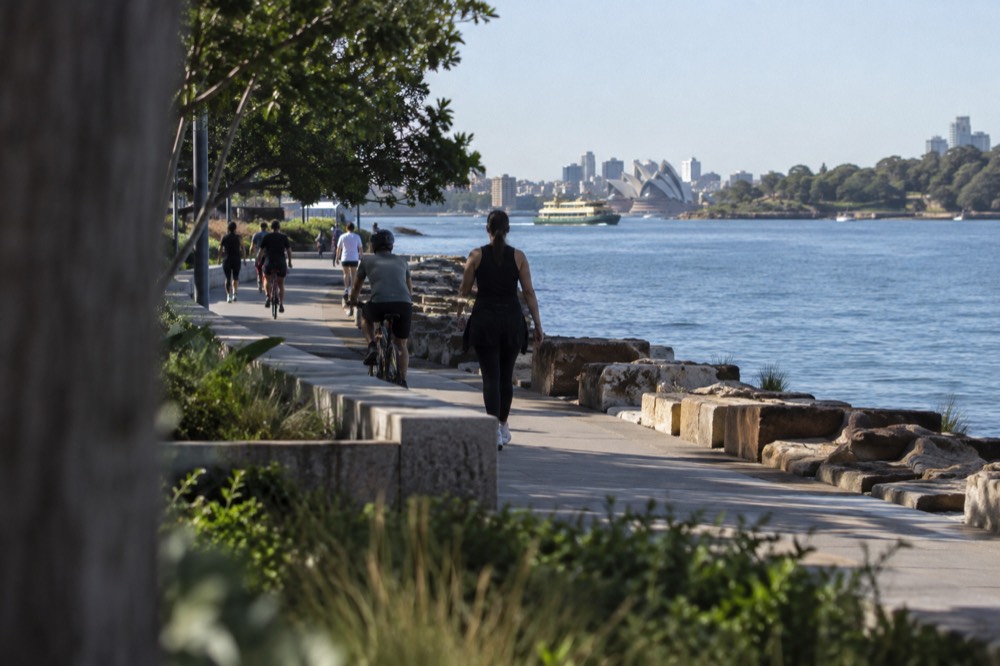
If you are arriving by cruise ship, Barangaroo is one of the closer precincts to the overseas passenger terminal at Circular Quay; the walk west along the foreshore is flat and signposted. And if Barangaroo is one stop on a bigger harbour day, the ferries that leave from Circular Quay pass right by the headland, which is a good way to see the precinct from the water before you walk it. The Manly ferry guide covers the classic route if you want to build a full harbour circuit.
What Are the Best Things to Do in Barangaroo?
Walk the headland loop in Barangaroo Reserve first, where the upper and lower walkways pass lookouts facing the Harbour Bridge, then visit the Cutaway, the vast cultural space built into the headland, and finish on the foreshore promenade south to the restaurant row, a satisfying half day that costs nothing, since the park, the lookouts and the promenade are all free. The reserve's upper and lower walkways form a loop with lookouts facing the Harbour Bridge and North Sydney, and the whole circuit takes under an hour at a stroll. Add the Cutaway, the vast cultural space built into the headland itself, and the southern restaurant row, and you have a satisfying half day that costs nothing to enter, since the park, the lookouts and the promenade are all free.
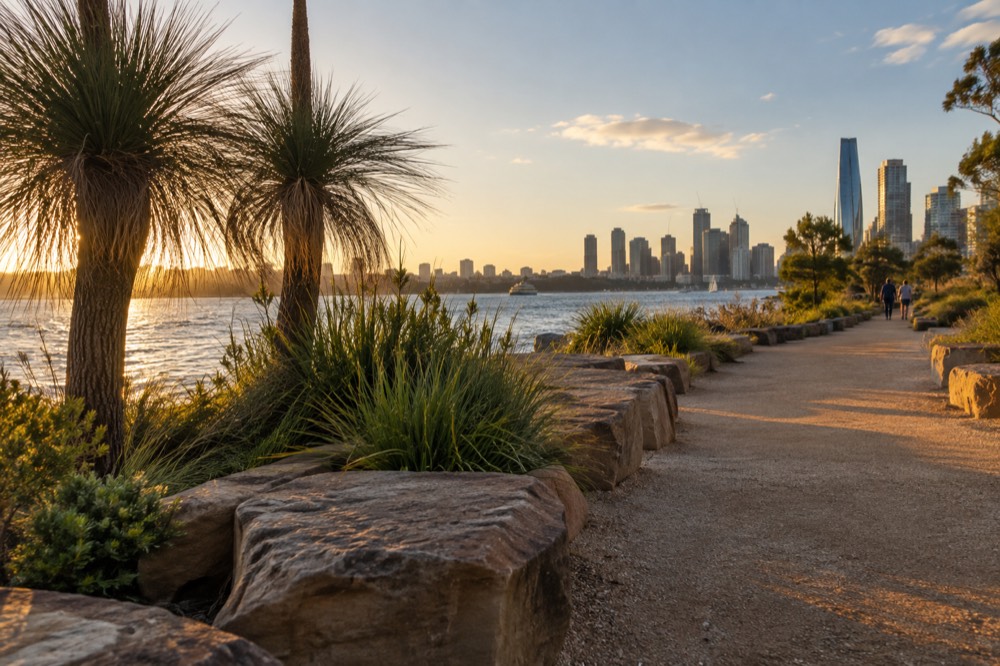
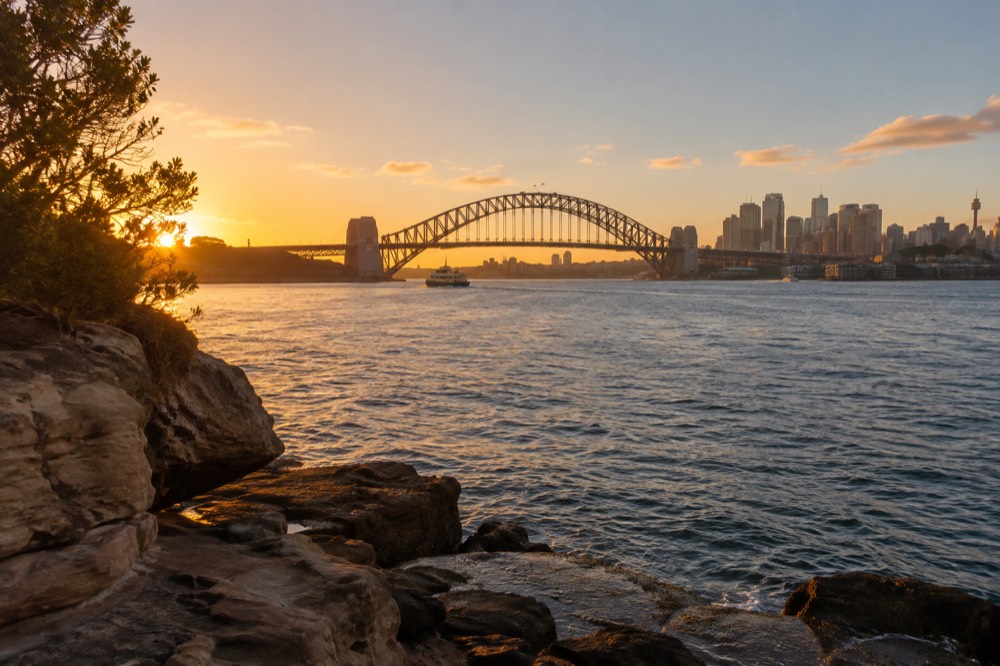
The reserve is the heart of the visit. Its lawns are genuinely usable: locals picnic on them, and the native planting, banksias and grass trees among them, gives the headland a texture most harbour parks lack. The lookouts along the northern edge give you the Harbour Bridge end-on, with the pylon lookout at Sydney Harbour Bridge visible across the water and Kirribilli beyond it. Photographers rate the late-afternoon light here among the best in the city for skyline shots, which is why the precinct features in our guide to Sydney's photography spots.
The Cutaway is the precinct's large cultural venue, carved into the base of the headland. It hosts exhibitions and events, and the surrounding precinct has been the subject of ongoing public-realm upgrades targeted through 2026, so check what is on before you visit rather than arriving expecting a standing attraction. The venue's program is the reason to go; the space alone, impressive as it is, is a short look.
The foreshore promenade south of the reserve is where the precinct turns contemporary. It runs past the towers and the restaurant row to King Street Wharf, where it joins the Darling Harbour boardwalk. Walk it in the other direction and you climb gently into Millers Point, one of the oldest residential neighbourhoods in the city, full of restored workers' cottages and lanes that feel a world away from the glass behind you. The whole stretch is flat, wide and stroller-friendly, which is why it also appears in our Sydney with kids itinerary.
Here is how the main things to do stack up against each other in time and cost.
| Activity | Where in the precinct | Time needed | Cost |
|---|---|---|---|
| Headland loop walk | Barangaroo Reserve | 45-60 minutes at a stroll | free |
| Lookouts and photography stops | Northern edge of the reserve | 15-30 minutes | free |
| The Cutaway cultural space | Inside the headland | Depends on the program; check listings | Varies by event |
| Foreshore promenade to Darling Harbour | Southern foreshore | 20-30 minutes one way | free |
| Millers Point lane walk | Northern boundary | 30-45 minutes | free |
| Dining strip | Southern end near King Street Wharf | As long as you like | Pay as you go |
Where Should You Eat and Drink in Barangaroo?
The dining strip along the southern foreshore is the precinct's second act: harbourside tables, a strong seafood bias and a mix of casual and fine dining within a few hundred metres of open parkland. Book ahead for waterfront tables, especially Friday through Sunday; bars fill quickly after work on weekdays. Cheaper casual options sit toward King Street Wharf, and the picnic lawns are free. Reservations matter at the better-known venues, particularly for weekend dinners and any table with a water view, and the after-work crowd fills the bars quickly on weekdays. For a cheaper alternative, the surrounding blocks toward King Street Wharf hold plenty of casual options, and the picnic lawns in the reserve are free for anyone who brings their own.
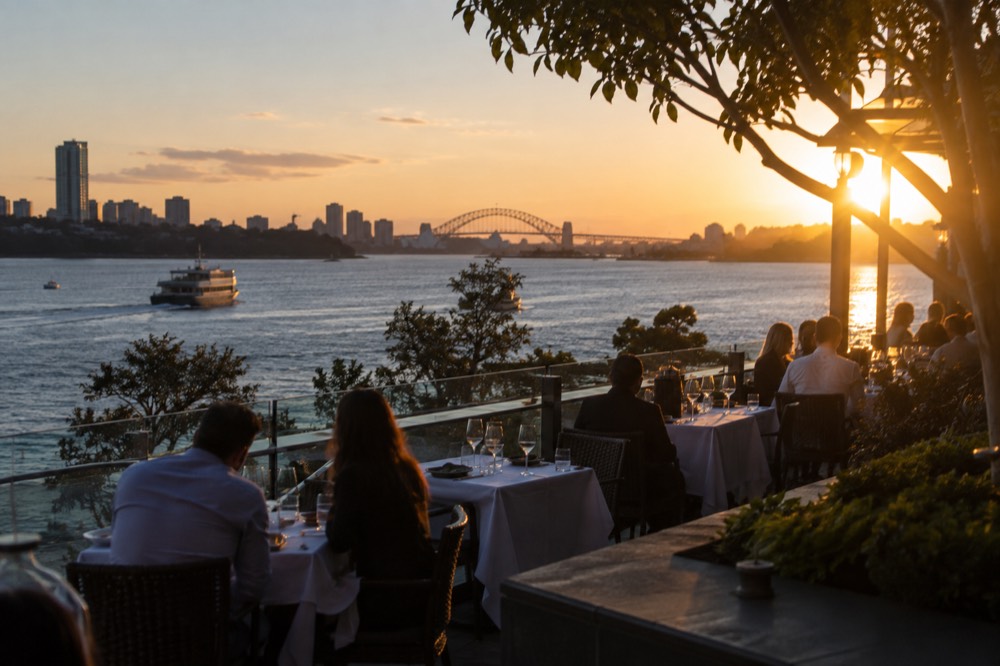
The precinct's food identity leans on two things: its position on the water and its proximity to the new Sydney Fish Market at Blackwattle Bay. The fish market moved into its new building and opened to the public in early 2026, with more than 40 retailers operating out of the Blackwattle Bay site, and the city's seafood supply chain now runs closer to Barangaroo than it did for decades. Our Sydney fish market guide covers the new site in detail; the short version for this precinct is that its restaurants sit in the city's best seafood catchment.
For a sit-down experience with the harbour doing the work behind you, the restaurant row is hard to beat at sunset. If you would rather eat on the water itself, the three-course early dinner cruise departs from Darling Harbour, one promenade walk to the south, and turns the meal into a circuit of the harbour.
Back on land, the practical advice is simple. Book the waterfront rooms ahead, especially Friday through Sunday. Arrive before 6pm if you want a table without one, and be aware that the precinct's bars fill quickly after work on weekdays, because the towers behind the restaurants empty straight into them. Our Sydney bars and pubs guide has the wider picture if you want to keep the night going elsewhere.
Is Barangaroo Good for Free Activities and Families?
Yes, Barangaroo is unusually good for a precinct with this much commercial weight behind it: the headland park, the lookouts, the promenade and the picnic lawns are all free, with no entry gate anywhere. Families get flat, wide paths, clean lawns and public toilets, and a harbor edge you can walk with a stroller for a long way in either direction. The reserve's design keeps the commercial strip to the south and gives the north over to open space, which means the best of the precinct costs nothing. Families get flat, wide paths, clean lawns, public toilets and a harbour edge you can walk with a stroller for a long way in either direction.
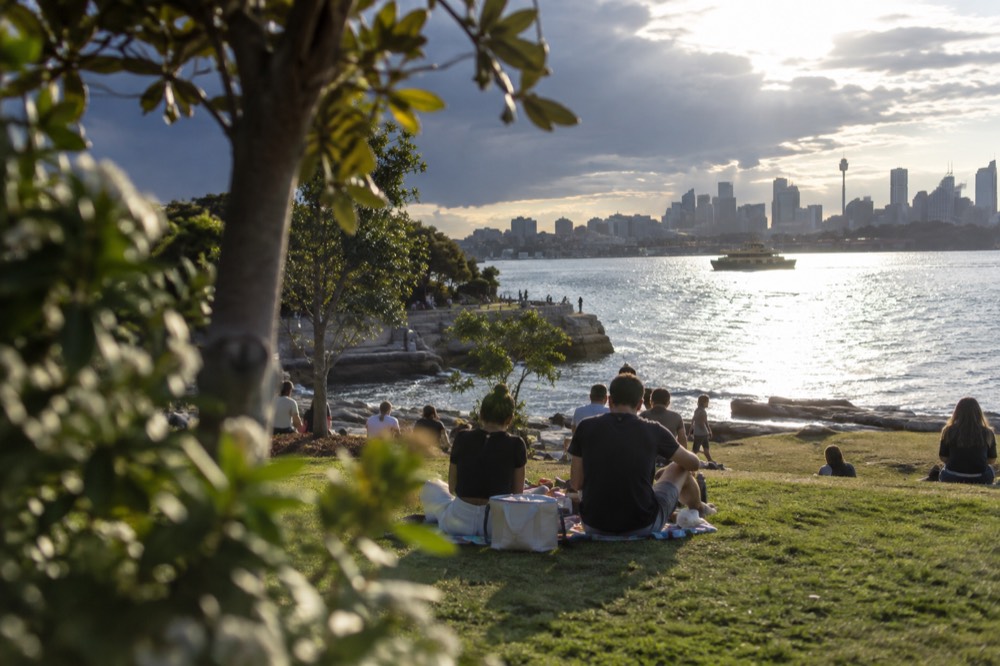
The free-versus-paid distinction runs through Sydney's harbour generally, and it is worth knowing where the lines sit. The Royal Botanic Garden Sydney is free to enter, as is general entry at the Australian Museum. Barangaroo's reserve belongs in that same category: the best of it costs nothing. What you pay for here is food and drink, and any event ticketed inside the Cutaway.
For a family itinerary, the natural loop is the reserve's headland path, a picnic on the lawns, and the promenade walk south to Darling Harbour, where the playgrounds and attractions continue. The whole route is under a couple of hours of easy walking. If the weather turns, the precinct's proximity to the city means you can bail into the Queen Victoria Building or the Art Gallery of New South Wales, both free to enter, in under half an hour; our Sydney rainy day itinerary maps the wet-weather options.
What Is Barangaroo Like at Night?
At night Barangaroo splits cleanly: the headland park goes quiet and dark, which is exactly its appeal, while the southern dining strip and bars fill with the after-work crowd. After dark the promenade is lit and patrolled, the restaurant row runs late into the evening, and sunset is the moment the precinct earns its keep, with lookouts facing west across the water. Sunset is the moment the whole precinct earns its keep, because the lookouts face west across the water and the harbour in front of you turns into the lit-up postcard version of itself. After dark, the promenade is lit and patrolled, and the restaurant row runs late into the evening.
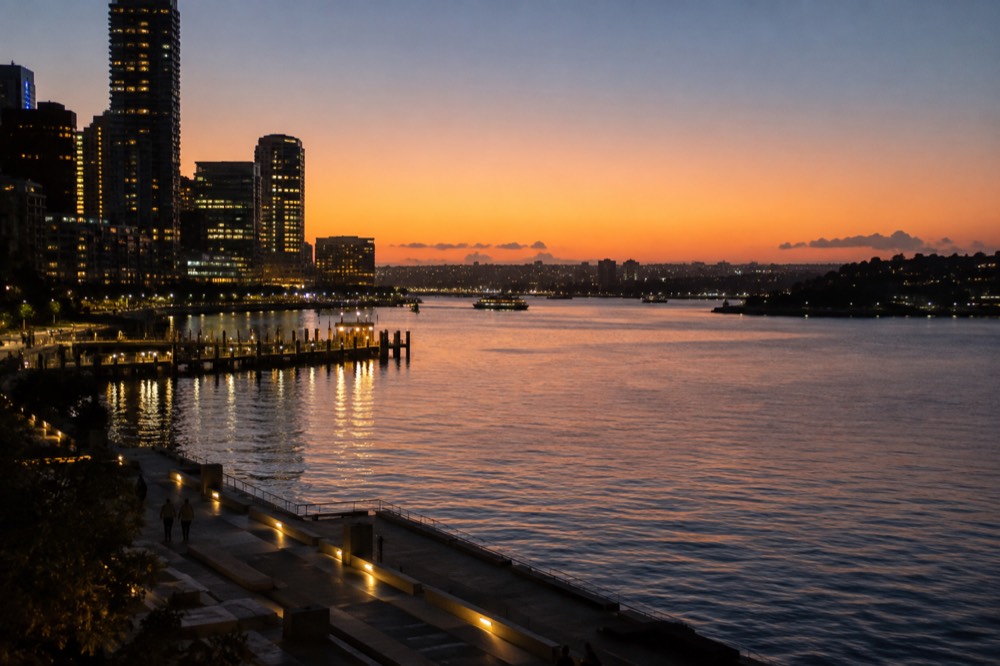
The classic night move is to watch sunset from the headland and then walk five minutes south to dinner. The sunset catamaran cruise does the same thing from the water: it departs from a nearby wharf and puts the whole western harbour, Barangaroo's headland included, in front of you as the light goes.
If you want the darker side of Sydney's colonial history after a harbour evening, The Rocks' ghost tour runs from the other end of the foreshore walk, among the sandstone lanes and basement vaults of Australia's oldest European settlement. It is a different register entirely from the harbour's polished night, and the walk between the two precincts is a pleasant 20 minutes along the water.
For the wider after-dark picture, our things to do in Sydney at night guide covers live music, late eats and the observatory. The short version for this precinct: come for sunset, stay for dinner, and let the headland be your quiet way out at the end of the night.
When Is the Best Time to Visit Barangaroo?
Late afternoon into sunset, any day of the week, is when Barangaroo performs best, and the calendar months matter less than the sky does. For a specific month, August is Sydney's clearest, averaging 13.4 clear days, while June is the wettest at 133.1 mm; peak tourist season is statistically the cloudiest time of year, with February averaging just 5.3 clear days. Sydney's long-run averages hold a surprise here: June is the city's wettest month at 133.1 mm on average, wetter than any summer month, while August is its clearest, averaging 13.4 clear days against February's 5.3. Peak tourist season, in other words, is statistically the cloudiest time of year, and late winter often delivers the better skies for a harbour lookout.
The Bureau of Meteorology's long-run normals for Sydney tell the story month by month.
| Month | Mean daily max | Mean rainfall | Mean clear days | What it means for Barangaroo |
|---|---|---|---|---|
| January | 26.0 °C | 101.2 mm | 6.8 | Hot and busy; lawns at their most crowded |
| February | 25.8 °C | 119.3 mm | 5.3 | The cloudiest month on average; humid |
| June | 17.0 °C | 133.1 mm | 9.1 | The wettest month; short days but often clear between showers |
| August | 17.9 °C | 80.2 mm | 13.4 | The clearest month on average; excellent for photography |
| October | 22.2 °C | 76.7 mm | 8.1 | Dry and warm; strong sunset season |
| December | 25.3 °C | 77.1 mm | 6.6 | Long evening light; NYE planning territory |
Two seasonal notes are worth carrying. Daylight saving in NSW runs from the first Sunday in October to the first Sunday in April, which stretches the sunset window for anyone planning a golden-hour visit in the warmer half of the year. And if you are chasing a specific event rather than a specific sky, Barangaroo appears on the official free vantage-point list for Sydney New Year's Eve, alongside sites such as Birchgrove Park and Circular Quay West; the official New Year's Eve vantage points page carries the capacities and opening times, which are reset every year. Free sites fill early, with the 9pm family fireworks and the midnight display drawing crowds in the hundreds of thousands across the foreshore.
How Does Barangaroo Fit Into a Bigger Sydney Day?
Barangaroo works best as the western anchor of a harbour walk: The Rocks and the Harbour Bridge to the north, the precinct in the middle, Darling Harbour and the fish market to the south. The route is flat, mostly waterside, and free except for whatever you eat, with most visitors covering it in half a day at a relaxed pace, or stretching it to a full day by adding a ferry leg or a harbour cruise from a nearby wharf. Done in that order, the route is flat, mostly waterside, and free except for whatever you eat. Most visitors can cover it in half a day at a relaxed pace, or stretch it to a full day by adding a ferry leg or a harbour cruise from one of the nearby wharves.
| Route option | Direction | Walking time | What you add |
|---|---|---|---|
| Bridge to Barangaroo | North to south | 20-25 minutes | Harbour Bridge walkway, Millers Point lanes, headland lookouts |
| Barangaroo to Darling Harbour | South along the foreshore | 20-30 minutes | King Street Wharf, boardwalk attractions |
| Barangaroo to the fish market | South past Darling Harbour | 45-60 minutes | The new Blackwattle Bay fish market building |
| Barangaroo to Circular Quay | East through the historic city | 25-30 minutes | The Rocks, Customs House, ferry connections |
The precinct also slots neatly into the standard first-timer circuit. If you are working from our one day in Sydney or weekend itinerary plans, Barangaroo is the natural late-afternoon stop: it sits between the bridge-side sights of the morning and the dinner options of the evening, and its lookouts give you the city's best free orientation point on the western side of the harbour.
One planning note on the water. The harbour cruise fleet departs from wharves within a short walk of the precinct, so booking a sunset or dinner cruise for the same evening is the most efficient way to combine the headland walk with a harbour experience. Our Sydney harbour cruises guide compares the formats, from short sightseeing runs to tall-ship dinners, and covers which departures suit which kind of evening.
Common Questions About Barangaroo
Is Barangaroo free to visit?
Yes. Barangaroo Reserve, the headland park at the northern end of the precinct, is free to enter with no gates or tickets, and the foreshore promenade is a free public walkway. You only pay for food, drinks and any ticketed events inside the Cutaway cultural space.
How do I get to Barangaroo from the city?
Walk from Wynyard station, which takes about 10 to 15 minutes via the direct pedestrian link. A train to Wynyard costs from $4.33 peak or $3.03 off-peak in the shortest distance band, and contactless cards are charged the same as an Opal card with all the same caps.
What is the best time of day to visit Barangaroo?
Late afternoon into sunset. The headland lookouts face the Harbour Bridge and the western harbour, so the golden-hour light hits the skyline at its best, and you can walk five minutes south to the dining strip once the sun is down.
Can you see the New Year's Eve fireworks from Barangaroo?
Yes. Barangaroo appears on the official list of free New Year's Eve vantage points for the 9pm family fireworks and the midnight display. Free sites fill early, some reach capacity hours before the first display, and the capacities and opening times are reset every year, so check the official vantage-point list before you go.
How far is Barangaroo from Darling Harbour?
The foreshore promenade connects the two directly, and the walk from the southern end of Barangaroo to the Darling Harbour boardwalk takes roughly 20 to 30 minutes. Continue past Darling Harbour and you reach the new Sydney Fish Market at Blackwattle Bay in about an hour from the reserve.
Is Barangaroo worth visiting with kids?
Yes. The reserve's paths are flat, wide and stroller-friendly, the lawns are made for picnics, and the promenade walk south to Darling Harbour continues into playgrounds and family attractions. The precinct's free open space is generous relative to how central it is.
Whether Barangaroo is your sunset stop on a bigger harbour day or the whole reason you came west of the city, the precinct rewards the slow version: one loop of the headland, one long look at the bridge, and one table by the water. The rest of the planning, from ferries to itineraries, is covered across this Sydney Travel Guide, precinct by precinct.