Sydney Sightseeing Buses: Routes, Costs and Whether They're Worth It
The Sydney sightseeing bus is one product, not a network: a hop-on hop-off double-decker loop run by Big Bus, connecting the CBD, Darling Harbour, Kings Cross and Bondi Beach. This guide explains what it covers, what it costs next to public transport, and when a ferry pass or an ordinary Opal day beats it.
Short answer
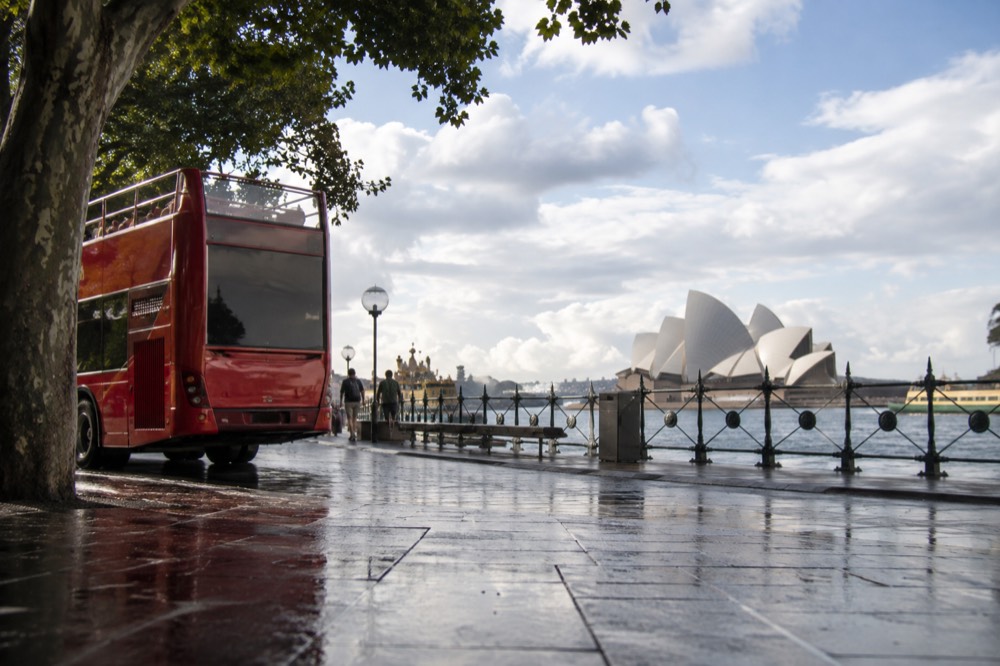
Sydney has one main sightseeing bus: the Big Bus hop-on hop-off tour, running two linked loops through the city, The Rocks, Darling Harbour, Kings Cross and Bondi Beach. A ticket buys unlimited reboarding and audio commentary. For comparison, a full day of public transport is capped at $19.30 midweek and $9.65 from Friday to Sunday, so the bus is a sightseeing premium rather than a transport bargain.
What Is the Sydney Sightseeing Bus, and What Does It Actually Cover?
There is one sightseeing bus product in Sydney: the Big Bus hop-on hop-off tour, an open-top double-decker running two interlocking loops, a city route through Circular Quay, The Rocks, Darling Harbour and Kings Cross, and a Bondi route out to the coast. One ticket covers both, with unlimited reboarding and recorded audio commentary in several languages. It is a guided loop, not a commuter timetable, built for orientation and photo stops rather than fast A-to-B travel.
That distinction matters more in Sydney than in most cities. The harbour does half the sightseeing work for free: ferries, the walkable CBD and a waterfront that delivers Opera House views from a dozen public vantage points. A sightseeing bus earns its keep in specific situations, mostly first-day orientation, travelling with children, limited mobility, or a short stay measured in hours rather than days.
The city loop is where the product shines. It stitches together the stops a first-time visitor actually wants: Circular Quay and the ferry terminals, The Rocks, Darling Harbour, Hyde Park, Woolloomooloo and the galleries along Art Gallery Road. The Bondi loop adds the eastern suburbs run through Paddington and the coast, finishing at Bondi Beach, which is otherwise a bus ride with no commentary at all.
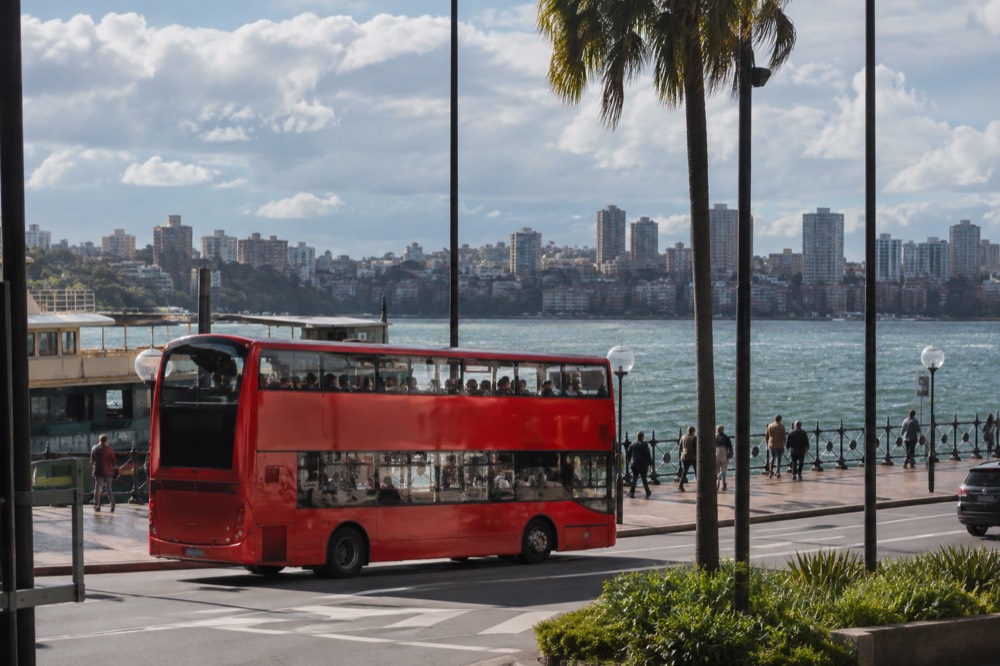
The commentary is pre-recorded rather than live, which divides opinion. On the plus side it is consistent and available in multiple languages. On the minus side it cannot answer a question or point out a passing whale. Treat it as an orientation layer on top of the route, not a substitute for a guided walk. If you want live interpretation, Sydney's walking tours around The Rocks and the city do that job better, and for less.
| Loop | Key stops | What it is good for |
|---|---|---|
| City route (red) | Circular Quay, The Rocks, Darling Harbour, Hyde Park, Kings Cross, Woolloomooloo | First-day orientation, museum and gallery hops |
| Bondi route (blue) | Paddington, Centennial Park area, Bondi Beach | Coastal photo stops, beach time without car hire |
| Both on one ticket | Interchange points between loops | Combining city and coast in a single day |
How Much Does a Sydney Sightseeing Bus Ticket Cost?
Pricing is dynamic, so the honest answer is the live from-price shown on the tour card below, which moves with season and demand. For context that actually helps: a full day of ordinary Sydney public transport is capped at $19.30 Monday to Thursday and $9.65 from Friday to Sunday, so the sightseeing bus is a deliberate premium over the Opal cap. You are paying for the loop, the commentary and the open top, not cheaper transport. Multi-day and family options sit on the tour card.
That comparison is the whole decision in one paragraph. Transport for NSW sets the daily caps across metro, train, bus, ferry and light rail alike, and a contactless card is charged exactly the same as an Opal card, caps included. If your day is "see the Opera House, ferry to Manly, walk back through the city", public transport will do all of it for the price of the cap, and the Opal card guide for visitors explains the tap-on, tap-off mechanics.
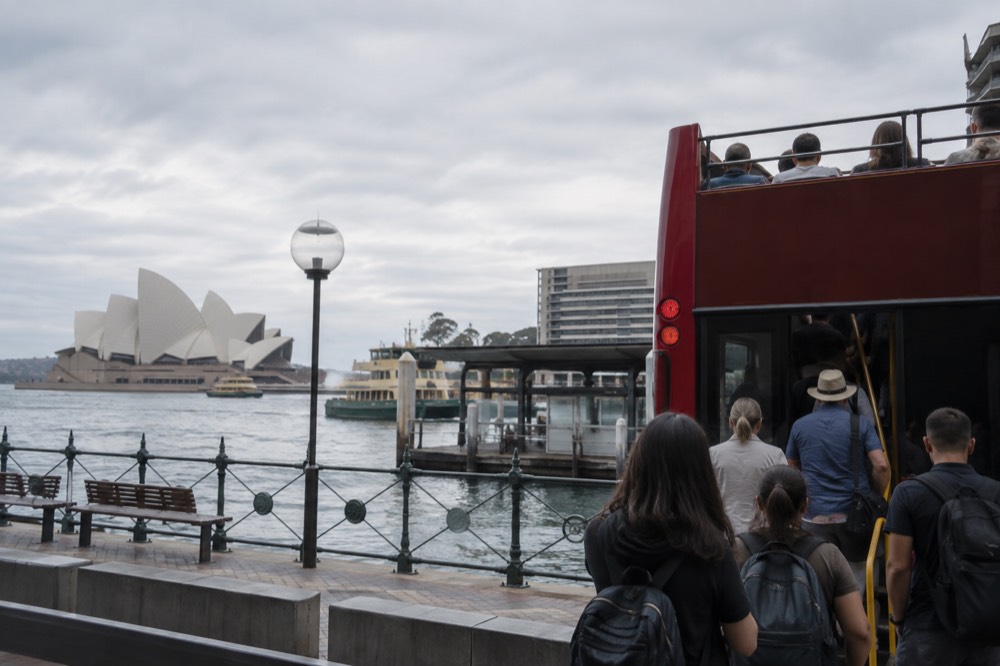
The sightseeing bus earns its premium on different days: the day you land jet-lagged and want the city explained from a seat, the day you have children in tow and cannot face a third change of vehicle, or the day you want Bondi and Darling Harbour and Kings Cross without studying a route map. Those are real use cases, and the product serves them well.
There is also a bundle angle. The Big Bus ticket is sold with an optional harbour cruise add-on, and the same operator family of combo products includes the four-attraction pass covering SEA LIFE Sydney Aquarium, the Sydney Tower Eye, WILD LIFE Sydney Zoo and Madame Tussauds. If your list is "bus plus two or three paid attractions", a pass can change the arithmetic, and Sydney's attraction passes compared breaks down when that pays off.
Which Stops Are Worth Getting Off At?
Do not ride the loop end to end. The stops that repay hopping off are Circular Quay for the ferries and Opera House, The Rocks for the heritage lanes, Darling Harbour for the aquarium and family attractions, and Bondi Beach at the end of the blue loop, walking distance from the sand. Kings Cross and Woolloomooloo are context stops, better seen from the top deck. Budget two to three hours at Bondi if you swim.
The single biggest planning error is treating the bus as a taxi between hotels and attractions. Hop-on hop-off works when each stop gets a real block of time, and the loop frequency sets your ceiling: if buses pass a stop roughly every half hour or so in season, a five-stop day with an hour at each is a full day, tight but doable. Check the current frequency on the tour card before planning a six-stop marathon.
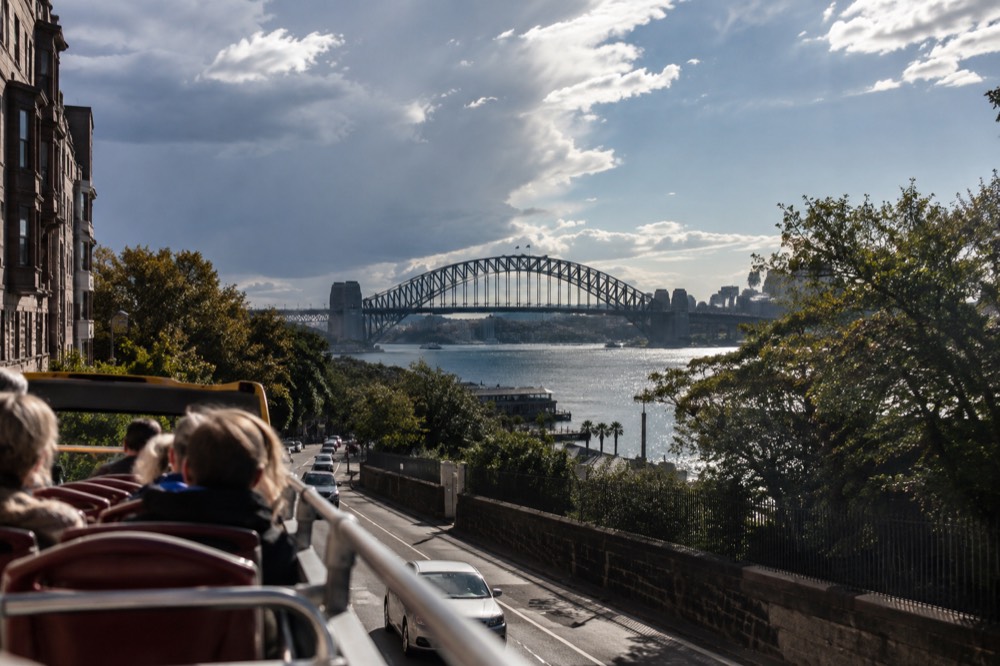
Two stops deserve more time than most itineraries give them. The Rocks rewards an aimless hour: sandstone laneways, the oldest pubs in the country, and weekend markets. And Circular Quay is not just a photo stop, it is the city's transport hub, where you can bolt a Manly ferry ride onto the middle of your bus day, since the ferry is ordinary Opal-charged public transport and runs alongside any sightseeing ticket.
If your day is mostly about the coast, consider flipping the plan: ride the bus out to Bondi, walk the Bondi to Coogee coastal walk in one direction, then return by ordinary bus or train. The sightseeing loop gets you there with commentary; ordinary transport gets you back flexibly, and the eastern suburbs guide covers the return options.
Is the Sightseeing Bus Worth It Compared with Public Transport?
For pure transport, no: Sydney's ordinary network is cheaper, faster and capped at $19.30 a day midweek or $9.65 from Friday to Sunday, and the sightseeing bus cannot compete on price. It becomes worth it when the commentary and the open-top loop are the product you are buying, typically on day one of a first visit, with kids, or on a tight schedule where orientation has real value. A traveller who already knows the city map gains little.
The maths is not close, and pretending otherwise would be dishonest. An ordinary bus to Bondi costs a couple of dollars on the Opal network. The ferry to Manly, one of the great harbour trips in the world, is a $9.20 one-way fare in the 9-plus-kilometre band. Against those numbers the sightseeing ticket is a multiple, paid entirely for experience: the commentary, the guaranteed seat, the route that has already been curated for you. The full index of guides sits on Sydney Travel Guide.
| Factor | Sightseeing bus | Ordinary public transport |
|---|---|---|
| Cost for a big sightseeing day | Tour from-price, dynamic | Capped at $19.30 midweek, $9.65 Fri-Sun |
| Speed between stops | Slower, loop-based | Faster, direct routes |
| Commentary | Recorded, multi-language | None |
| Bondi access | Dedicated loop stop | Frequent ordinary buses and trains |
| Ferry access | Not included, optional cruise add-on | F1 Manly and the full F1-F10 network on Opal |
| Best for | First-day orientation, families | Everyone with a map and a morning |
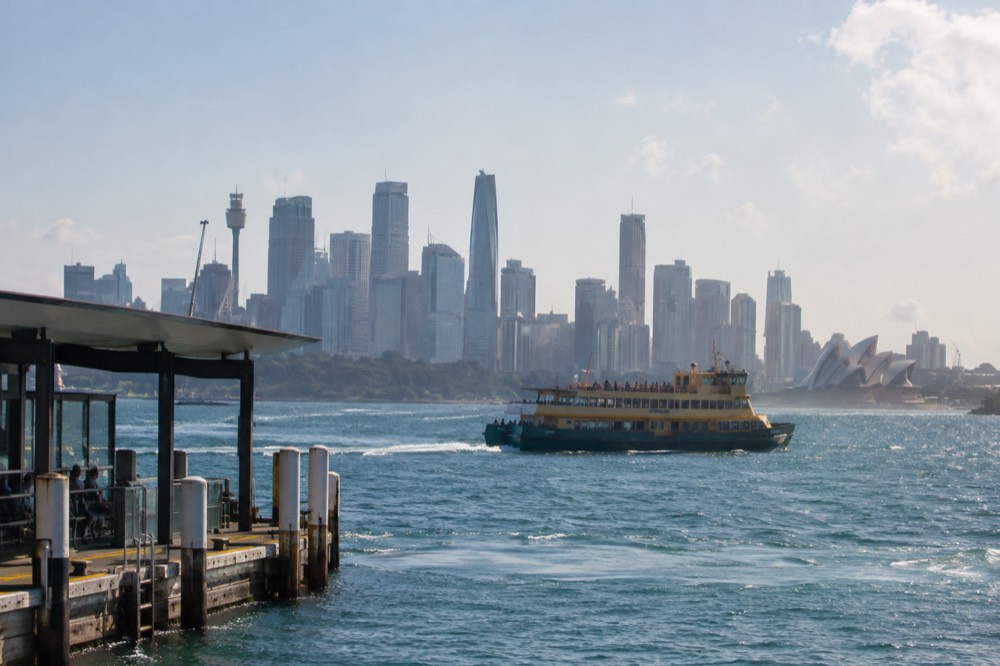
The honest middle path is a hybrid. Use the sightseeing bus for the day it helps most, then switch to Opal-charged transport, which is exactly the pattern the getting around Sydney guide recommends for longer stays. A contactless card pays identical fares to an Opal card with the same caps, so there is no paperwork barrier to switching mid-trip.
One more angle: if your reason for wanting the bus is "I want the attractions too", price the combo before the bus alone. The four-attraction pass covering the aquarium, the Tower Eye, WILD LIFE Sydney Zoo and Madame Tussauds sometimes changes the bundle maths in your favour, especially on a family trip where entry fees stack up fast.
The pass route suits families with children aged roughly four to twelve, who will tolerate a bus loop happily and queue for attractions eagerly. Solo travellers and couples who like walking tend to abandon the bus after day one, which is fine: book the shorter ticket option and treat it as an orientation session.
Sightseeing Bus or Harbour Ferry Pass?
If your sightseeing day is mostly about the harbour, the ferry pass wins. Sydney's hop-on hop-off ferry pass covers the harbour stops ordinary ferries serve, including Manly and Taronga Zoo wharf, and the harbour is the one part of Sydney where being on the water beats being on a road. The bus wins when your day is spread across inland stops like Darling Harbour, Hyde Park and Kings Cross, or when Bondi is the priority. Many visitors do one day of each.
The two products barely overlap, which is why the comparison is friendly rather than competitive. The bus covers the streets; the ferry pass covers the water. Sydney's ferries guide maps the full network, and the sightseeing ferry pass is a curated subset of it: a loop that stops at the wharves visitors actually use, with reboarding rights through the pass's validity.
| Factor | Sightseeing bus | Hop-on hop-off ferry pass |
|---|---|---|
| Territory | City streets and Bondi | Harbour wharves |
| Signature stops | The Rocks, Darling Harbour, Bondi Beach | Manly, Taronga Zoo wharf, harbour vantage points |
| Commentary | Recorded | Recorded or live depending on operator |
| Weather sensitivity | Runs in rain, views reduced | Runs in rain, swell can affect comfort |
| Best day | Cloudy or drizzly | Clear skies and calm water |
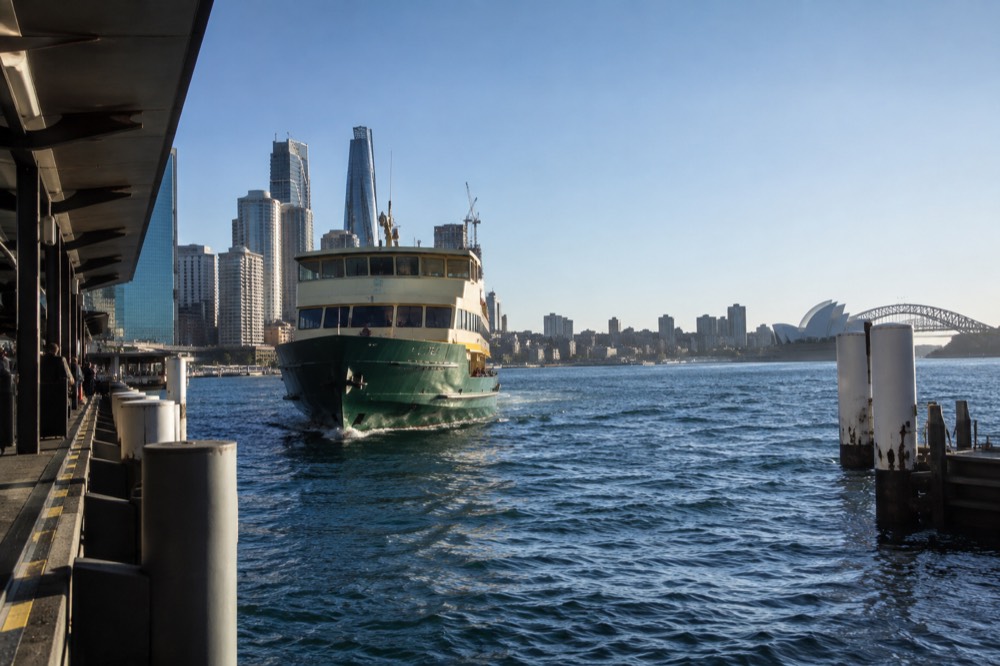
The zoo pairing is worth flagging. Taronga Zoo sits directly on its own wharf, so a ferry-pass day pairs naturally with Taronga Zoo, arriving by water with the skyline behind you, which is the arrival every guide photographs. The bus cannot replicate that. If the zoo is on your list, lean ferry.
When Is the Best Time of Year, and Time of Day, to Ride?
Ride in the morning: the light comes from the east over the harbour, the top deck is cooler, and the loop is less crowded before midday. For time of year, the counterintuitive answer is late winter and spring: August is Sydney's clearest month on the long-run record with 13.4 mean clear days, while February, the middle of peak season, is its cloudiest at 5.3. June is the wettest month of all, with 133.1 mm of mean rainfall, wetter than any summer month.
Those figures come from the Bureau of Meteorology's long-term averages for Sydney, and they upend the usual assumption that an Australian city is at its best in summer. The cloudiest skies of the year coincide with the peak tourist season, while the clearest fall in the months most visitors write off. The practical version: an open-top bus is a different product in August sunshine versus February haze, and the same ticket buys a better view in the off-season.
| Month | Mean clear days | Mean rainfall (mm) | What it means on the top deck |
|---|---|---|---|
| February | 5.3 | 119.3 | Cloudiest month, humid, peak crowds |
| June | 9.1 | 133.1 | Wettest month, short days |
| August | 13.4 | 80.2 | Clearest skies of the year |
| October | 8.1 | 76.7 | Warm, bright, good balance |
| December | 6.6 | 77.1 | Festive but hazy and busy |
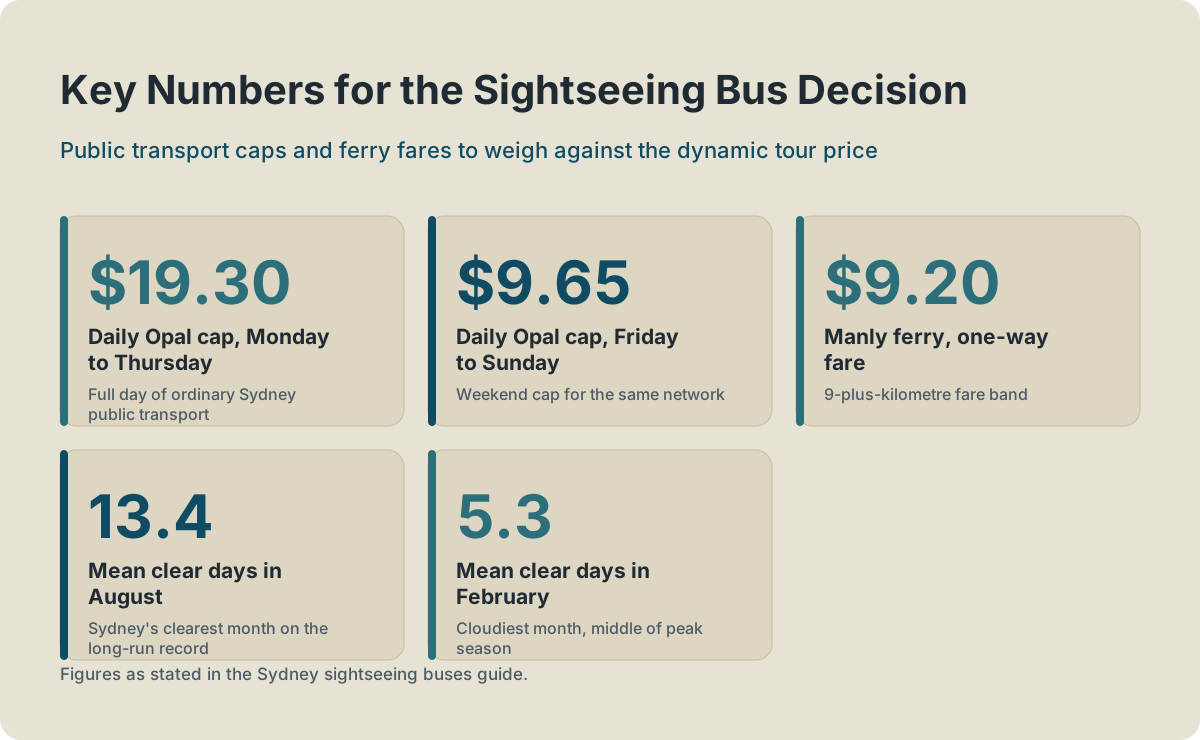
Time of day matters almost as much. Morning light flatters the harbour views on the eastern side of the loop, and afternoon heat can make the open top uncomfortable in the December-to-February summer. In the June-to-August winter the reverse applies: midday is the comfortable window, and the top deck wants a jacket in the morning. There is one more seasonal wrinkle worth planning around: whale watching runs May to November, and a clear August morning can pair a bus loop with a harbour whale cruise, since the season peaks around late June through July.
What Are the Alternatives If the Bus Is Not Right for You?
The strongest alternatives are the harbour ferry pass for water-based sightseeing, an ordinary Opal day for point-to-point travel at the capped fare, a guided walking tour for live interpretation in The Rocks and the city, and a full-day tour if your real goal is the Blue Mountains rather than the city loop. Each does a different job better than the bus: ferries for the harbour, feet for the historic quarters, and a day tour for distance.
The Blue Mountains point deserves its own sentence, because it is the most common confusion in Sydney planning. A sightseeing bus loops the city; the Blue Mountains are 90 minutes and a world away in Katoomba, and no city loop reaches them. If your heart is set on the Three Sisters, a dedicated Blue Mountains day trip is the product you want, and the train to Katoomba is a genuine budget alternative for confident travellers.
| Alternative | Best for | Rough commitment |
|---|---|---|
| Harbour ferry pass | Water sightseeing, Manly, Taronga Zoo | A full day on the harbour |
| Guided walking tour | The Rocks, history, live commentary | 1 hour 30 minutes to 2 hours 30 minutes |
| Opal-charged ordinary transport | Cheap, flexible point-to-point days | Capped daily fares |
| Blue Mountains day tour | The Three Sisters and Scenic World | Around 10 hours |
| Harbour sightseeing cruise | A short, cheap harbour loop | 1 hour 30 minutes |
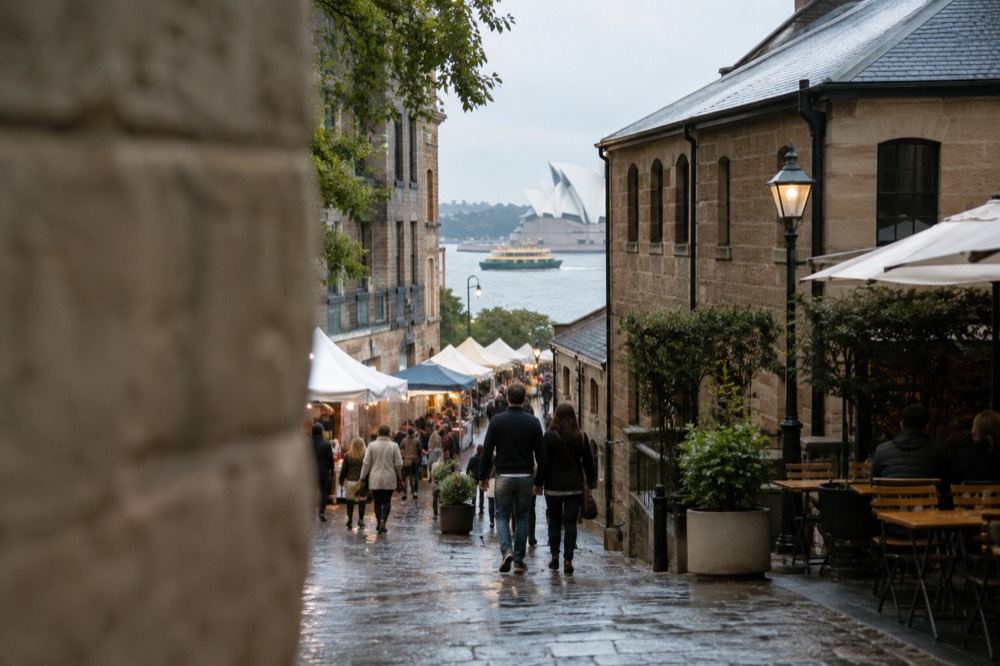
For the days you stay in the city, walking covers more of central Sydney than most visitors expect: the distance from Circular Quay to Darling Harbour is a pleasant 30-minute waterfront walk, and Sydney's CBD guide shows how compact the core really is. The bus earns its place on the days walking does not suit, and honesty about that boundary is what makes this whole decision easy.
If you want one compact taste of the harbour without committing a day, a short harbour sightseeing cruise from Circular Quay does the loop in about 90 minutes and costs less than a ferry pass. It is the single best-value sightseeing hour in the city for a tight schedule.
Whichever way you lean, book the products with fixed capacities ahead of your travel dates; Sydney's busy seasons fill the popular departures, and the from-prices on the cards below are the current live figures.
Common Questions About Sydney Sightseeing Buses
Is there more than one sightseeing bus in Sydney?
The main product is the Big Bus hop-on hop-off tour, which runs the city and Bondi loops described above. Sydney does not have a competing network of open-top sightseeing buses the way London or Barcelona does. Water-based sightseeing is covered instead by hop-on hop-off ferry passes and harbour cruises, which is fitting for a city whose best views are from the water.
Does the sightseeing bus go to Bondi Beach?
Yes. The Bondi loop runs from the city through the eastern suburbs to Bondi Beach, with commentary on the way. It is one of the few guided ways to reach Bondi, since the ordinary bus ride has no commentary. Allow a couple of hours at the beach stop if you plan to swim, and swim between the red and yellow flags during patrol hours.
Can I use the sightseeing bus instead of public transport?
You can, but you will pay a premium and move slower. Ordinary transport is capped at $19.30 a day Monday to Thursday and $9.65 from Friday to Sunday, while the sightseeing bus is priced as a tour. It suits orientation days, not commuting. Most visitors use the bus for one or two days, then switch to Opal-charged transport for the rest of the trip.
Is the sightseeing bus good for kids?
Generally yes. Children tolerate a loop well when the commentary is light and the stops are frequent, and the Bondi stop gives them a beach reward at the end. The open top is the attraction for many kids. Bring hats and sunscreen regardless of season, since UV levels in Sydney pass the protection threshold for most of the year and reach extreme levels in the December-to-February summer.
Does the sightseeing bus include the ferry to Manly?
No. The Manly ferry is ordinary public transport, charged on Opal or contactless at the 9-plus-kilometre ferry fare of $9.20 one way, and it is not part of the bus ticket. The bus ticket can be bought with an optional harbour cruise add-on, which is a separate sightseeing cruise rather than the commuter ferry network. The two systems run alongside each other happily.
What is the cheapest way to see Sydney if the bus is too much?
Walk the harbour edge from Circular Quay through the Royal Botanic Garden, which is free to enter, then catch the ferry to Manly and back for the price of two ordinary fares. Add the free-entry Australian Museum or Art Gallery of New South Wales if the weather turns. That is a full sightseeing day at a fraction of the bus price, and it is the pattern the budget guides recommend.