WILD LIFE Sydney Zoo: Tickets, Animals and How to Plan Your Visit
WILD LIFE Sydney Zoo sits right on the Darling Harbour waterfront, which makes it the easiest native-animal experience in central Sydney. This guide covers what a ticket includes, which animals live there, how to get there by light rail or ferry, and when a combo pass beats a single entry.
Short answer
WILD LIFE Sydney Zoo is a compact indoor-outdoor native wildlife park in Darling Harbour, walkable from the CBD in about 10 minutes. Expect koalas, kangaroos, a walk-through kangaroo enclosure, a large saltwater crocodile and a cassowary, all in roughly two hours. A single entry ticket covers all zones, and combo passes that bundle SEA LIFE Sydney Aquarium next door suit most visitors.
WILD LIFE Sydney Zoo occupies one of the most convenient wildlife-viewing addresses in Australia. It sits on the Darling Harbour waterfront, a short walk from the CBD, next door to SEA LIFE Sydney Aquarium and Madame Tussauds, which means you can see koalas and kangaroos before lunch without leaving the city. That positioning is the whole pitch: it is not a sprawling open-range zoo, it is a compact, mostly covered walk through Australia's native animals, built for visitors whose time in Sydney is short.
This guide walks through what the zoo actually contains, how tickets and combo passes work, how to reach it, and how it stacks up against Taronga Zoo and Sydney Zoo in Bungarribee. Everything here is drawn from the operators' own published details and official transport sources, and where a price is dynamic, this page says so rather than quoting a number that will be wrong next month.
What Is WILD LIFE Sydney Zoo?
WILD LIFE Sydney Zoo is a native-Australian wildlife park on the Darling Harbour waterfront, about a 10-minute walk from Town Hall station. It is deliberately compact: a single winding path takes you past koalas, kangaroos, wallabies, a cassowary, a large saltwater crocodile and a range of reptiles and nocturnal animals, and most visits run around two hours. Unlike an open-range zoo, most of it is under cover, which makes it one of the few animal attractions in Sydney that works in rain.
The park is organised as a journey through Australian habitats rather than as a grid of enclosures. You move from the rainforest and bushland zones through to a nocturnal area and an outback-style kangaroo walkabout, and the route is one-way for most of its length. That design has a practical consequence: it is easy to pace yourself, but it is harder to double back to something you skipped, so it pays to move slowly through the first half.
The audience is obvious once you are inside. Families with small children, visitors on a short stay, and people pairing the zoo with the aquarium next door make up most of the crowd. If your Sydney trip is four days or fewer and you want guaranteed koala and kangaroo sightings without a ferry ride or a day trip, this is the product built for exactly that. If you have a full day and want a big-zoo experience, the Taronga Zoo guide covers a very different proposition across the harbour.
Is WILD LIFE Sydney Zoo Worth Visiting?
For most short-stay visitors, yes, because it solves a specific problem: it delivers koalas, kangaroos and a saltwater crocodile in about two hours, in the middle of the city, in almost any weather. It is not worth it if you want wide-open enclosures, a full-day outing or the breadth of a major zoo, and it is priced accordingly as a city attraction rather than a full zoo day. The honest test is whether seeing native animals is a priority or a bonus on your itinerary.
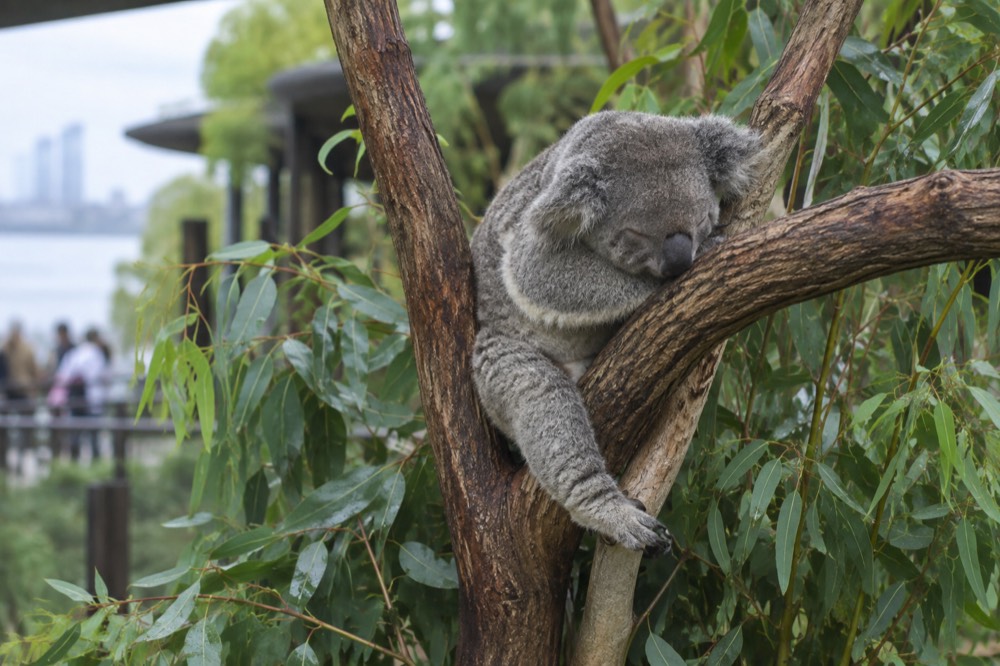
The case for it is reliability. Koalas sleep most of the day, but at WILD LIFE Sydney Zoo they are close and visible rather than somewhere up a distant tree, and the kangaroo walkabout puts you in the enclosure with the animals rather than at a fence. The crocodile, a large saltwater specimen, is one of the headline exhibits and reliably photogenic. For a traveller who has never seen these animals in the wild, two guaranteed hours beats a hopeful afternoon.
The case against is scale. If you are in Sydney for a week, have a car, or are willing to take a day trip, other options give you more. Featherdale Wildlife Park in Sydney's west has a much larger kangaroo and koala collection, and it is reachable inside a Blue Mountains day trip. Taronga Zoo adds the ferry journey, the harbour views and a far bigger animal collection. WILD LIFE Sydney Zoo wins only on convenience and time, so treat that as the deciding factor.
Weather is the hidden argument in its favour. Sydney's long-run averages show June as the wettest month of the year, wetter than any summer month, and February as its cloudiest. A mostly indoor wildlife park next to an indoor aquarium is a genuinely useful thing to have in a city whose peak tourist season is statistically its greyest. The Sydney rainy day itinerary exists for exactly this kind of pairing.
Tickets and Combo Passes: Which Should You Buy?
A standard entry ticket covers all zones in the park, including the kangaroo walkabout, and there is no separate charge inside for the main exhibits. The real decision is not whether to buy a ticket but whether to bundle: WILD LIFE Sydney Zoo sits directly beside SEA LIFE Sydney Aquarium, and a multi-attraction pass covering both, plus Sydney Tower Eye and Madame Tussauds, usually beats buying two or more tickets separately. Prices are dynamic, so compare the live figures at the point of booking.
The single ticket is simple: one price, everything inside included, timed entry on busy days. The operator does not publish a fixed public price list, and admission fluctuates with demand and date like most Merlin-run attractions, so the number you see on a given day is the number for that day. What the ticket includes does not change: all habitats, all daily talks and feeds, and the walkabout zones.
The bundling question matters more here than at almost any other Sydney attraction, because the neighbouring attractions are genuinely adjacent. SEA LIFE Sydney Aquarium is next door, Madame Tussauds is in the same precinct, and Sydney Tower Eye is a short walk up the road. If even two of those four interest you, the maths usually favours the pass. The Sydney [attraction passes](https://gocity.tpk.ro/rUvgw2vS) compared guide runs the full breakdown across every pass on sale in the city.
Before you settle on the pass, it is worth checking what the aquarium alone costs, because the pass only wins if you will actually use three or four of the components. SEA LIFE Sydney Aquarium is Darling Harbour's biggest single draw, with dugongs, sharks and a penguin colony, and plenty of visitors decide the aquarium alone is the better half of the pairing.
One more practical note on timing: buy online rather than at the door. Every major attraction in this precinct prices advance purchase below walk-up rates, and the same pattern applies right across Sydney's paid attractions. Booking also locks your entry window, which matters on weekends and school holidays when the Darling Harbour precinct is at its busiest.
Which Animals Will You Actually See?
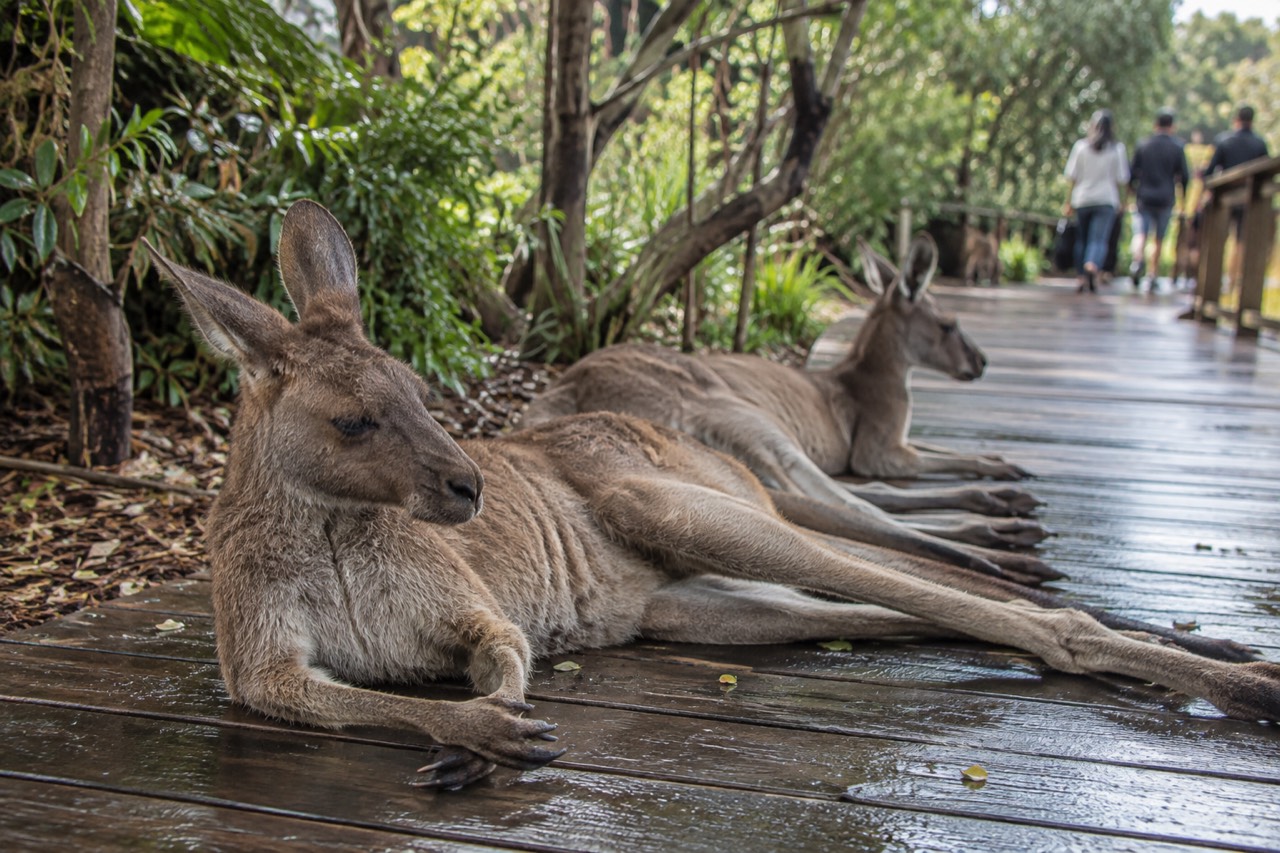
The collection is exclusively Australian native wildlife: koalas, kangaroos, wallabies, a southern cassowary, a large saltwater crocodile, Tasmanian devils, quolls, wombats, echidnas, pythons and a nocturnal zone with bilbies and sugar gliders. The kangaroo walkabout is the standout, letting you walk inside the enclosure with the animals, and the crocodile exhibit is the other headline. There are no lions, elephants or exotic species; that is not what this park is for.
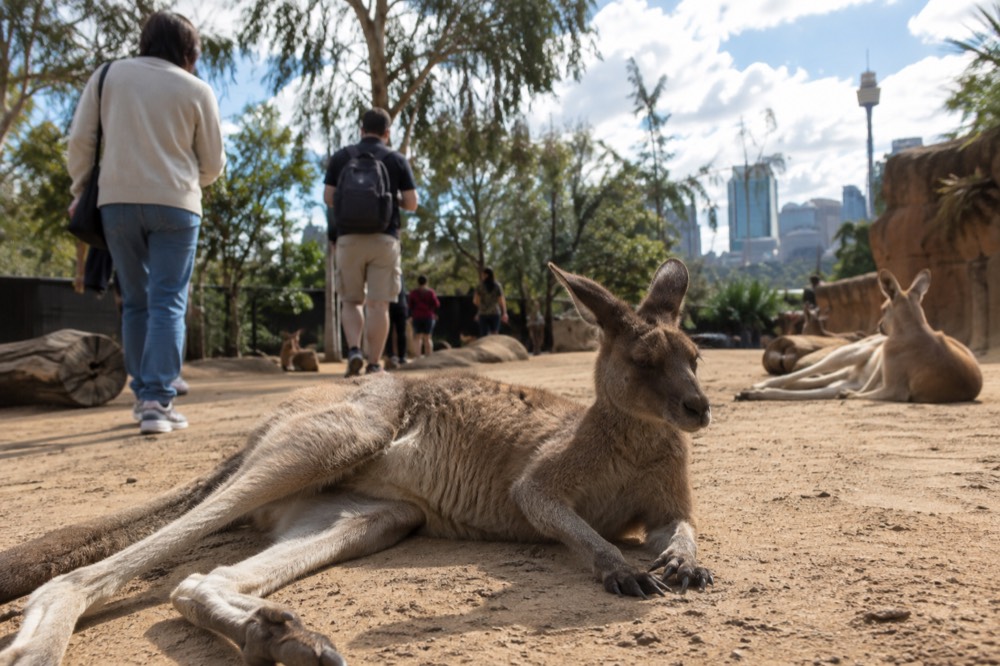
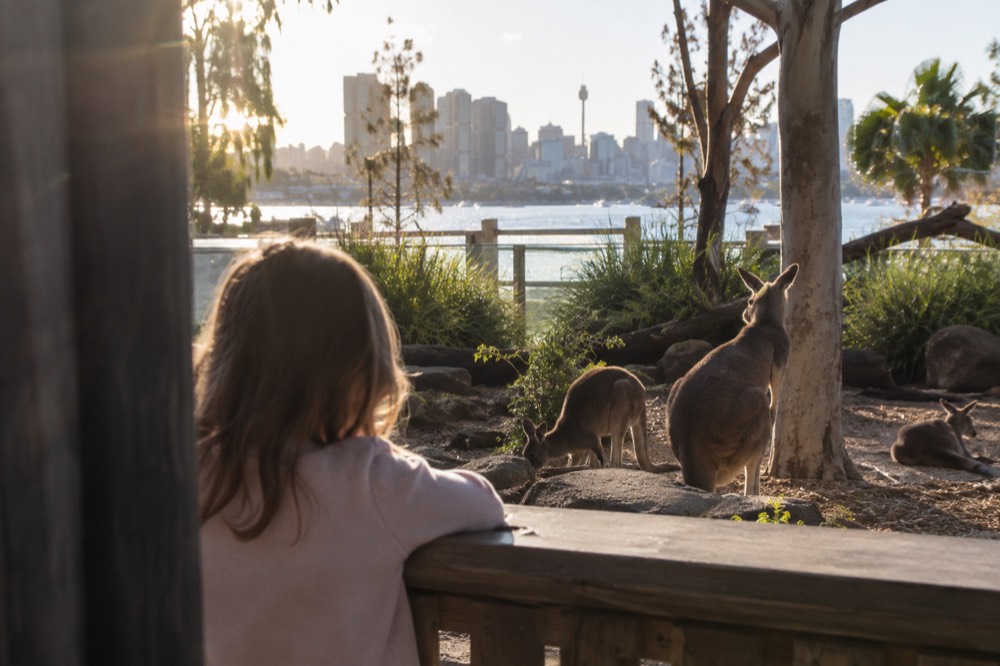
The koala zone is usually the first stop and the one most visitors come for. Koalas sleep for most of the day, so the realistic expectation is a resting koala at close range rather than an active one, and the keepers' talk times are the best window for movement. The kangaroo walkabout is the more interactive experience: you share the space with eastern grey kangaroos and wallabies, and the animals are habituated to people moving slowly and quietly through.
The crocodile is the park's biggest individual animal and the exhibit is built around how large saltwater crocodiles actually get. The cassowary, Australia's largest land bird and one of its most dangerous, is the other signature species, and the rainforest zone that houses it is one of the more atmospheric parts of the route. The nocturnal house solves the problem of seeing animals that are asleep whenever people visit, with reversed lighting that keeps bilbies and gliders active during opening hours.
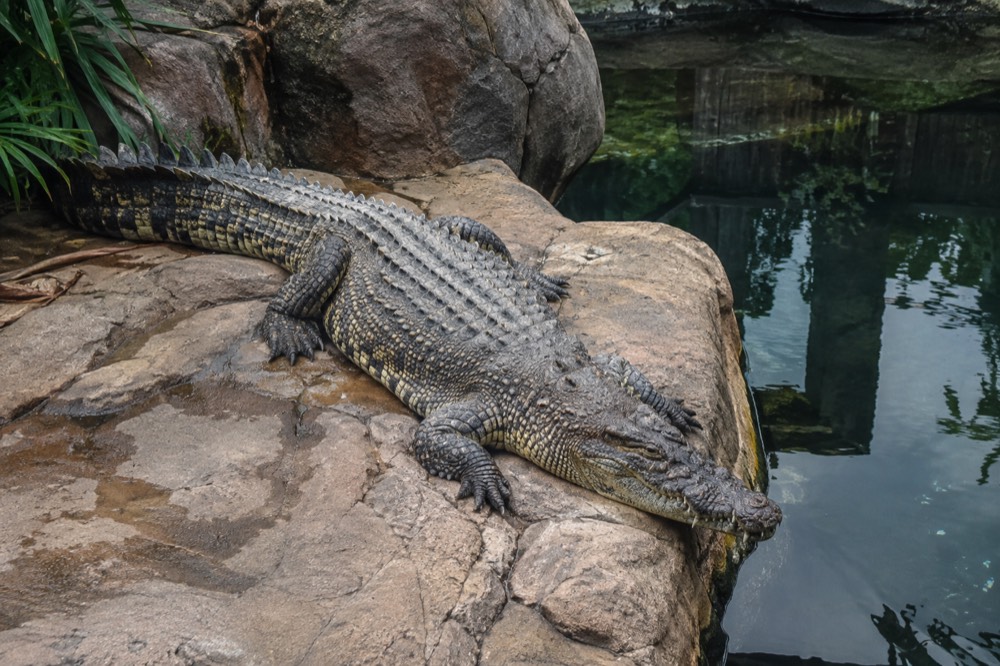
For visitors deciding between wildlife parks on the strength of specific animals, the table below sets out which Sydney option reliably delivers which species. Treat it as a planning tool rather than a guarantee: animal behaviour varies by day, season and temperature.
| Animal | WILD LIFE Sydney Zoo | Taronga Zoo | Featherdale (via Blue Mountains tour) |
|---|---|---|---|
| Koala at close range | Yes, dedicated zone | Yes, in a larger setting | Yes, close-up feeding area |
| Kangaroo walk-through | Yes, walkabout enclosure | Yes, walkabout in parts | Yes, large free-roaming area |
| Saltwater crocodile | Yes, headline exhibit | Yes | Yes |
| Cassowary | Yes, rainforest zone | Yes | Limited |
| Tasmanian devil | Yes, nocturnal zone | Yes | Yes |
| Native birds (lorikeets, cockatoos) | Yes, walk-through aviary | Yes, flight shows | Yes |
| Non-Australian species | No | Yes, large collection | No |
How Do You Get to WILD LIFE Sydney Zoo?
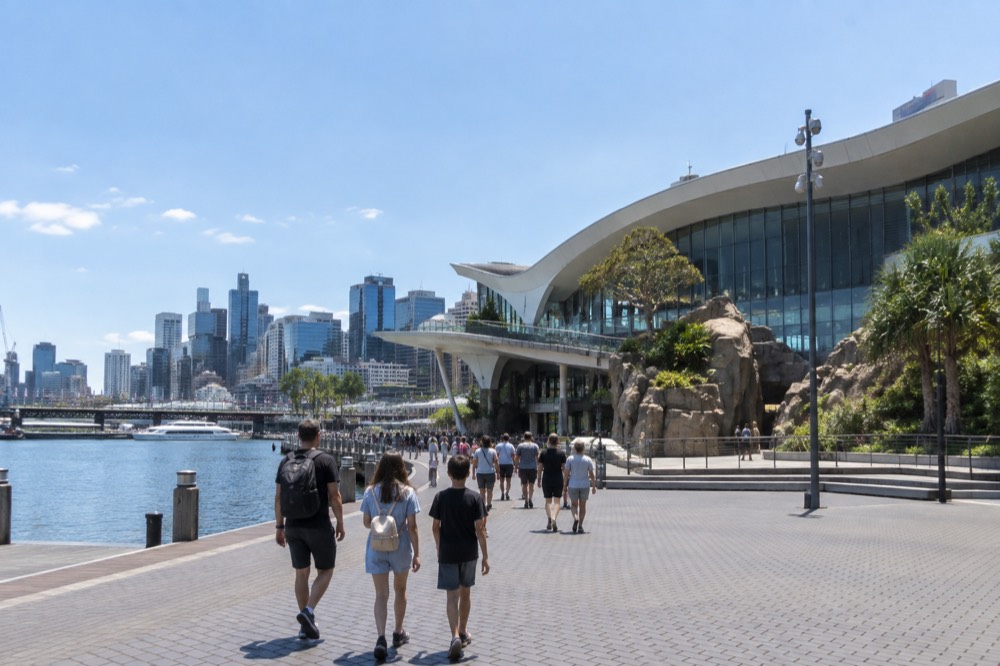
The zoo is on the western side of Darling Harbour, about a 10-minute walk from Town Hall station and about 15 minutes from Circular Quay. The L1 light rail stops at Convention and Pyrmont Bay, both a few minutes' walk away, and the ferry network reaches Pyrmont Bay and Barangaroo wharves nearby. Most visitors simply walk from the CBD, because the whole precinct is flat and well signposted.
Walking is the default and the best option from almost anywhere in the city centre. From Town Hall, head down Druitt Street towards Darling Harbour and the precinct opens out in front of you; the zoo, aquarium and Madame Tussauds sit together at the southern end of the harbour's western shore. The walk is flat, covered for part of its length by the Darling Harbour promenade, and takes under 15 minutes from anywhere in the southern CBD. Other pages covering the same trip are gathered on Sydney Travel Guide.
If you are coming from further out, the light rail is the cleanest option. The L1 Dulwich Hill line runs through the Darling Harbour precinct with stops at Convention, Exhibition and Pyrmont Bay, and an adult light rail fare for a short trip sits in the cheapest distance band. Full fare tables, including the off-peak discount that applies on light rail from Friday to Sunday, are published at Transport for NSW's adult fares page. A contactless credit card or phone works exactly like an Opal card, with the same fares and the same daily caps, so there is no need to buy a card for a single visit; the details are on Transport for NSW's visitor payment guide.
The ferry is the scenic alternative. Pyrmont Bay and Barangaroo wharves both sit within a short walk of the zoo, and the F3 Parramatta River service calls at Barangaroo from Circular Quay. It is not faster than walking, but arriving across the water is the more enjoyable way to do it, and the Sydney ferries guide covers routes and fares in detail. Note that ferry fares have no off-peak discount, unlike light rail.
How Does WILD LIFE Sydney Zoo Compare to Taronga and Sydney Zoo?
WILD LIFE Sydney Zoo is the smallest and most central of Sydney's three zoo experiences, and it wins only on location and time. Taronga Zoo is the full day out: a large, famous zoo reached by a scenic ferry, with a far wider animal collection and harbour views. Sydney Zoo at Bungarribee, in Sydney's west, is newer and more affordable but takes about an hour to reach. Choose on how much time you have, not on which is "best".
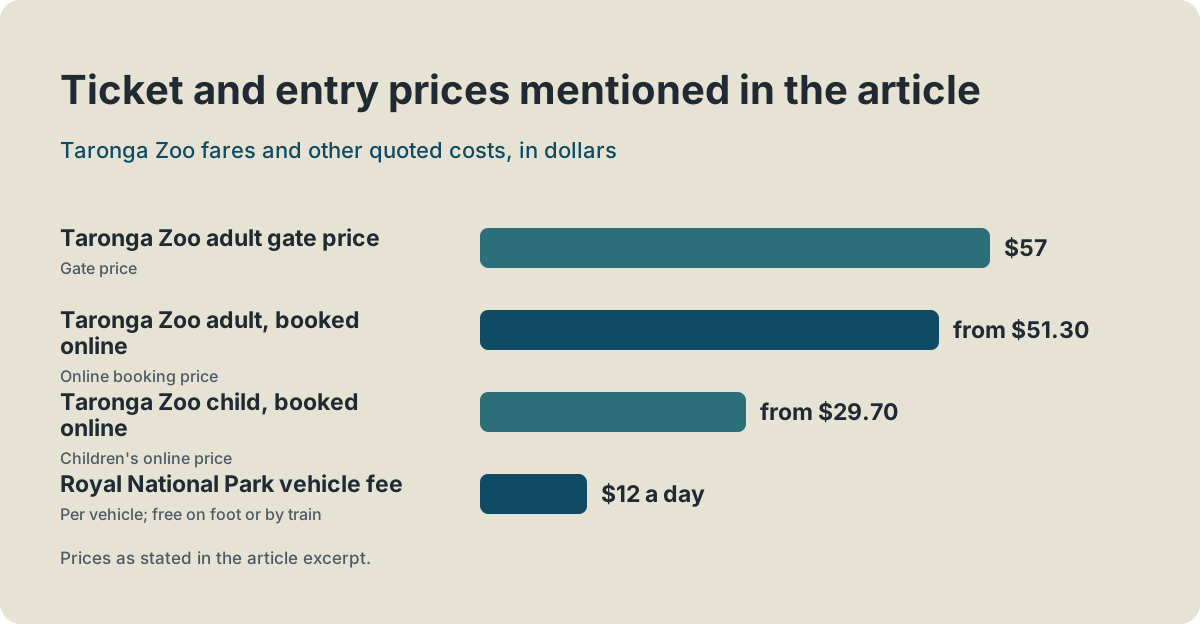
Taronga is the comparison most visitors need to make, because both parks sell koalas and kangaroos. The differences are structural. Taronga's adult gate price is $57, with online booking from $51.30, and children from $29.70 online, and it opens 9:30am to 5pm from September to April, 9:30am to 4:30pm from May to August. That is a half-day minimum, plus the ferry fare, and in exchange you get a zoo with hundreds of animals, a cable car, seal shows and one of the best harbour viewpoints in the city. WILD LIFE Sydney Zoo is a two-hour, walk-in, walk-out experience with native animals only.
Sydney Zoo at Bungarribee is the newest option and the least known to visitors. It is a purpose-built zoo in Western Sydney with a substantial Australian precinct and generally cheaper entry than Taronga, but it sits well outside the tourist core, so it only makes sense if you have a car or a spare half-day and a specific reason to go west. The Sydney Zoo at Bungarribee guide covers it in full.
| WILD LIFE Sydney Zoo | Taronga Zoo | Sydney Zoo (Bungarribee) | |
|---|---|---|---|
| Location | Darling Harbour, walk from CBD | Mosman, ferry from Circular Quay | Western Sydney, about 1 hour from CBD |
| Time needed | About 2 hours | Half day to full day | Half day |
| Native Australian focus | Exclusive | Strong, plus exotic collection | Strong, plus exotic collection |
| Adult ticket price | Dynamic, book online | $57 gate, from $51.30 online | Dynamic, book online |
| Getting there | Walk or light rail | Ferry F2, bus or car | Train to Blacktown plus bus, or car |
| Best for | Short stays, rain, families with small kids | First visit to Sydney, harbour views | Locals, car-based day out |
What Are the Best Tips for Visiting with Kids?
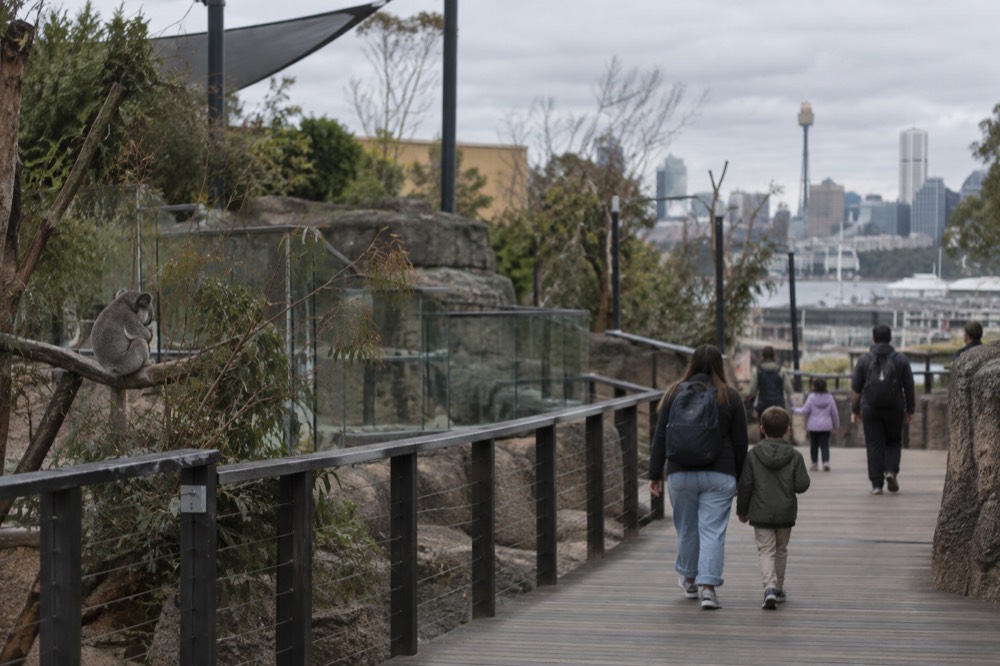
Go early or late in the day, aim for a keeper talk rather than a random arrival, and plan for about two hours rather than a full day. The park suits children from toddler age upward because the route is short, flat and mostly shaded or indoors, and the kangaroo walkabout is the one experience small children reliably remember. Weekday mornings are noticeably quieter than weekends and school holidays, when the whole Darling Harbour precinct gets congested.
Keeper talks and feeding times are the highest-value moments of a visit, because they are when the sleeping animals move. The schedule changes through the year, so check the day's timetable at the entrance and build your route around it rather than walking the path in order and hoping. Working backwards from the crocodile feed or the koala talk is a better plan than a steady circuit.
For toddlers, the scale of the park is the attraction: there is no exhausting distance between animals, and strollers handle the whole route. Pairing the visit with the aquarium next door makes a full morning of two attractions without any transport in between, which is the single most useful trick for families in this precinct. The Sydney with kids itinerary builds a whole day around exactly this pairing.
Weather planning matters more than most visitors expect. Sydney's summer, December through February, is statistically the cloudiest time of year, and June is the wettest month on the long-run record, so the "everything is indoors" character of this precinct is a genuine asset rather than a footnote. In high summer the covered zones also make the park more comfortable than a shadeless open-range zoo in the middle of the day.
| Situation | Best plan |
|---|---|
| Rainy day | WILD LIFE Sydney Zoo plus SEA LIFE Aquarium, both mostly indoors |
| Toddler in tow | Arrive at opening, two hours, skip the talks, let the walkabout run long |
| School-age kids | Time the visit around the crocodile feed and a keeper talk |
| Short city stay | Morning here, afternoon at the Queen Victoria Building or the aquarium |
| Cruise ship day | Walk from the Overseas Passenger Terminal in about 20 minutes; see the Sydney cruise ship day guide |
| Budget-conscious | Walk from the CBD, use the weekend Opal cap, book tickets online in advance |
What Else Is Around Darling Harbour?
The zoo sits inside Sydney's densest cluster of paid attractions: SEA LIFE Sydney Aquarium next door, Madame Tussauds in the same building complex, Sydney Tower Eye a short walk up Market Street, and the Darling Harbour promenade itself, which is free. Add the free-entry museums a little further afield, the Australian Museum near Hyde Park and the Art Gallery of New South Wales, and a whole day can be built in this one corner of the city without a single train trip.
The immediate precinct is the easiest part of Sydney to fill a day in. The aquarium is the natural pairing and the strongest one. Madame Tussauds divides opinion but keeps children happy on a hot afternoon. The Sydney Tower Eye observation deck gives the precinct a view from above, and the SEA LIFE Sydney Aquarium guide covers the aquarium in the depth this page does not.
The free options nearby are better than most visitors realise. The Royal Botanic Garden Sydney charges nothing for entry, the Australian Museum on William Street is free for general admission, and the Art Gallery of New South Wales is free too, staying open until 10pm on Wednesdays. If the weather is fine, the Darling Harbour promenade, playgrounds and evening light shows cost nothing at all.
Where Else Can You See Wildlife Around Sydney?
If WILD LIFE Sydney Zoo is your baseline, the upgrades are Featherdale Wildlife Park in Sydney's west, reached inside a Blue Mountains day tour; the wild kangaroo and wallaby populations of the Royal National Park and Ku-ring-gai Chase; and shore-based whale watching from headlands between May and November. None of these are guaranteed the way a zoo is, which is exactly why the zoo exists, but each gives you something a city park cannot.
Featherdale is the serious upgrade for animal interactions: it is smaller than Taronga but far more hands-on, with a large free-roaming kangaroo population and close-up koala viewing, and it sits on the standard route west towards the Blue Mountains. That makes it the natural add-on to a day trip, and the all-inclusive Blue Mountains tours that include Featherdale with a local guide are the way most visitors combine the two.
The wild options are free but conditional. Kangaroos and wallabies appear reliably at dawn and dusk in the Royal National Park and around the trails of Ku-ring-gai Chase National Park, and both parks charge only a per-vehicle fee, $12 a day at Royal, with no charge at all for arriving on foot or by train. Between May and November, humpbacks migrate along the coast and can be watched from headlands in Sydney Harbour National Park at no cost; the whale watching in Sydney guide covers the season, the vantage points and the boat options. An estimated 40,000-plus humpbacks migrate along the NSW coast each year, according to NSW National Parks, though sightings from any single headland on any single day are never assured.
For a structured comparison of every wildlife experience reachable from the city, from this zoo through to overnight options, the day trips from Sydney index is the practical starting point, and the can you see kangaroos near Sydney article answers the wild-sighting question directly.
Common Questions About WILD LIFE Sydney Zoo
How long should I spend at WILD LIFE Sydney Zoo?
Plan for about two hours. The route is a single winding path through all the habitats, and at a relaxed pace with a stop for the keeper talks, two hours covers everything. Visitors with small children or a strong interest in photography often stretch it to three, but it is not a full-day attraction, and it is designed to pair with the aquarium next door rather than fill a day alone.
Can you hold a koala at WILD LIFE Sydney Zoo?
No. Koala handling is heavily restricted in New South Wales, and the park offers close-up viewing and keeper talks rather than holding experiences. You can stand within a few metres of the koalas in their dedicated zone, and the keepers' talk is the best time to see them active, but picking one up is not part of any ticket here or at any NSW wildlife park.
Is WILD LIFE Sydney Zoo the same as Sydney Zoo?
No. Sydney Zoo is a separate, newer zoo at Bungarribee in Western Sydney, about an hour from the CBD by public transport. WILD LIFE Sydney Zoo is the compact native-wildlife park in Darling Harbour. The names are confusingly close, so check the address before booking: if it is not on Darling Harbour, it is the other one.
Can you buy a combined ticket for WILD LIFE Sydney Zoo and SEA LIFE Aquarium?
Yes, and it is usually the best-value option. The two attractions sit directly beside each other, and multi-attraction passes bundle WILD LIFE Sydney Zoo with SEA LIFE Sydney Aquarium, Sydney Tower Eye and Madame Tussauds. Prices are dynamic, so compare the live pass price against two single tickets at the point of booking, but for most visitors doing both, the bundle wins.
Is WILD LIFE Sydney Zoo good in the rain?
Yes, it is one of the better rainy-day attractions in Sydney. Much of the route is under cover, and the neighbouring aquarium is fully indoors, so the pair works in almost any weather. Given that June is Sydney's wettest month on the long-run record, wetter than any summer month, a covered wildlife park in the city centre is a genuinely useful backup rather than a consolation prize.
Do you need to book WILD LIFE Sydney Zoo tickets in advance?
It is strongly recommended. Advance online booking is cheaper than the walk-up rate, and entry is timed on busy days, particularly weekends, school holidays and wet days when the indoor attractions in the precinct absorb the crowds. Booking a window also lets you plan the keeper talk schedule around your arrival rather than walking in whenever you get there.