Kiama Blowhole and the South Coast: The Complete Day Trip Guide
The Kiama Blowhole is the South Coast's most famous natural spectacle, and it is one of the few headline Sydney day trips you can do entirely on a train ticket. This guide covers the fares, the timing, the stops on the way down, and the honest truth about when the blowhole actually performs.
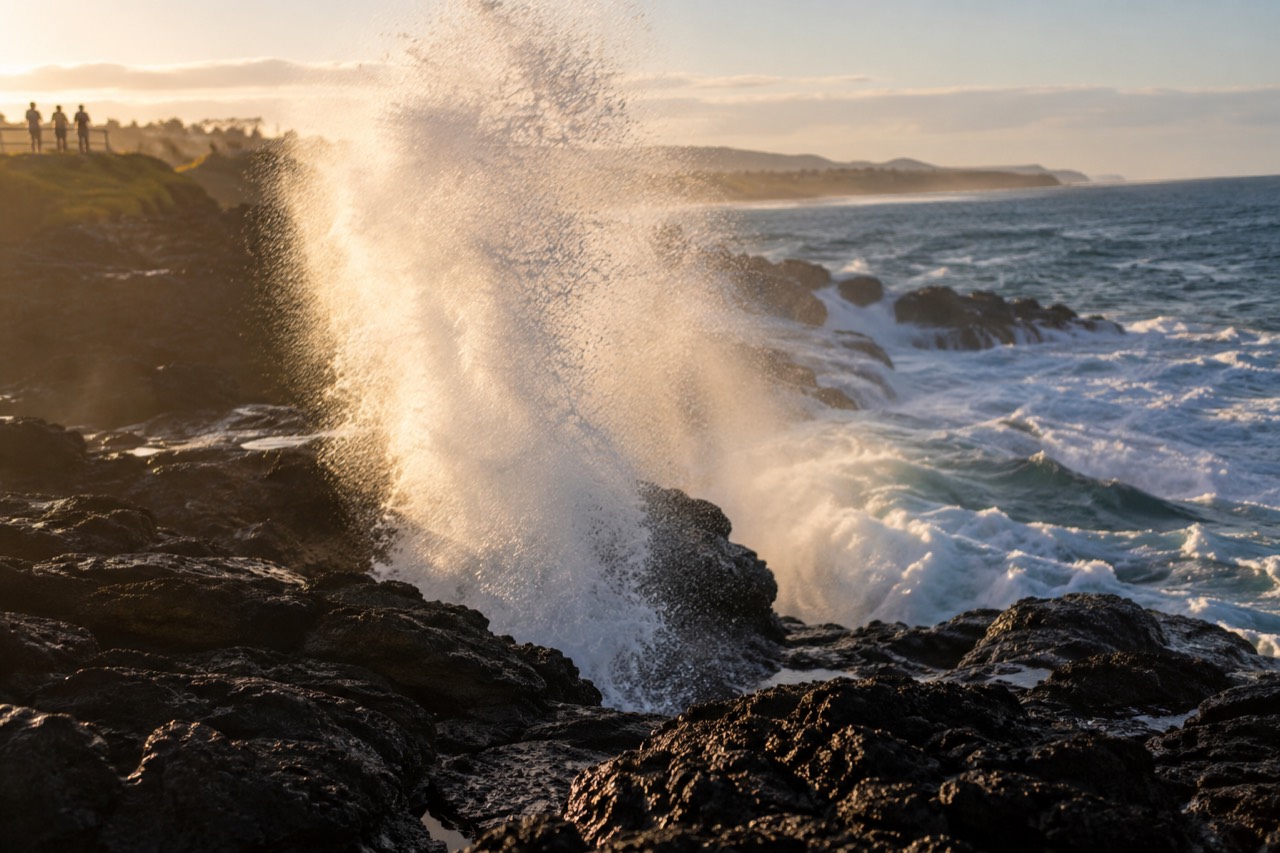
Short answer
Kiama sits about 120 km south of Sydney on the South Coast train line, reachable in roughly two hours from Central. The blowhole is free to visit and performs whenever the swell pushes water through its volcanic rock channel, best in a southerly swell. Day trip costs are low: the 65-plus km Opal fare band applies each way, and the town, the harbour and the coastal walks are all free.
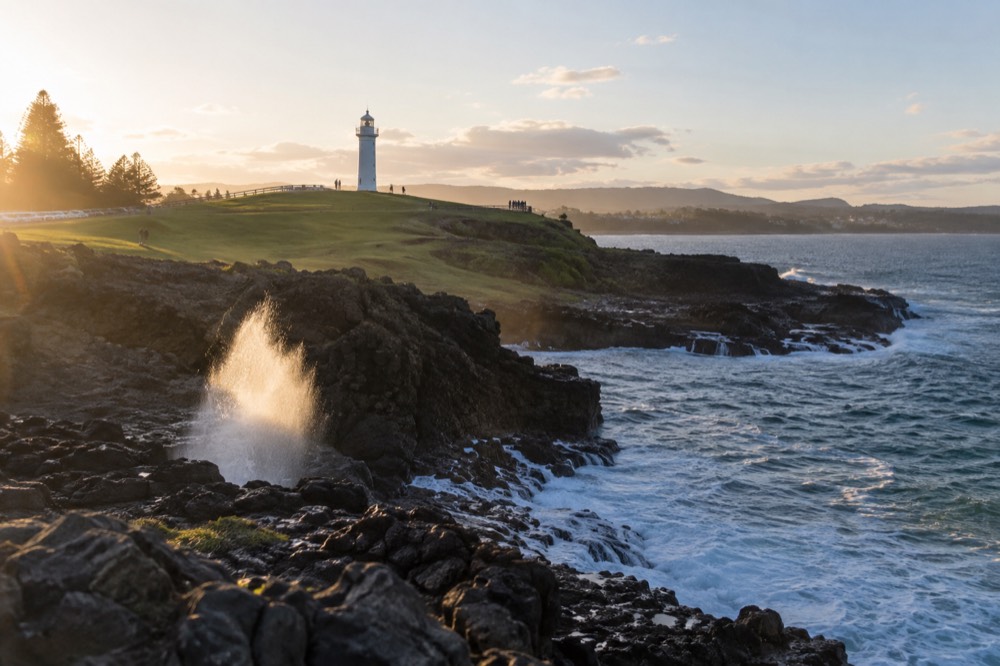
The Kiama Blowhole has been drawing crowds since the 19th century, and it still costs nothing to watch. When a southerly swell pushes into the basalt channel under the headland, the water erupts in a vertical column that can tower over the rocks, and when the conditions are wrong, it barely bubbles. That gamble is the whole appeal. This guide explains how to get there from Sydney, what the trip costs, when the swell and the whale season line up, and which stops along the Grand Pacific Drive make the journey as good as the destination.
How Do You Get to Kiama from Sydney?
Take the train from Central Station on the South Coast line. Trains run regularly through the day, stop at Wollongong, and reach Kiama in roughly two hours, making it the cheapest and calmest way down. An adult Opal or contactless fare costs $10.66 peak or $7.46 off-peak each way, and the off-peak discount applies on Fridays, weekends, public holidays and outside weekday peak times. Trains run regularly through the day and stop at Wollongong before continuing down the coast. An adult Opal or contactless fare in the 65-plus km distance band costs $10.66 peak or $7.46 off-peak each way, and the off-peak discount applies on Fridays, weekends, public holidays and outside weekday peak times. Tap on and tap off, or you are charged the default fare.
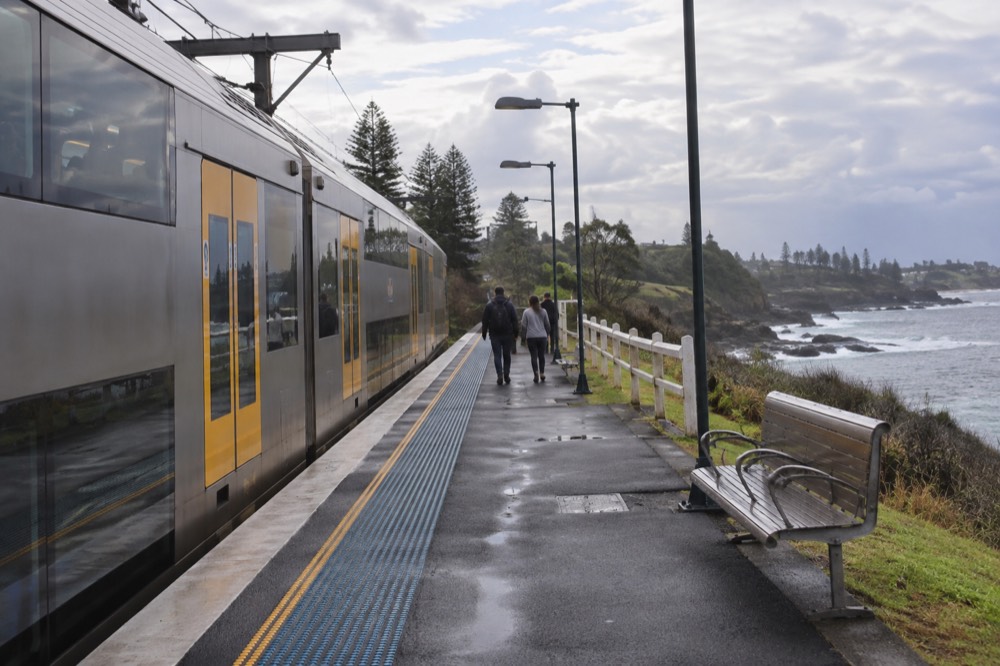
The walk from Kiama Station to the blowhole is short and flat, a few minutes on foot through the town centre and down to the harbour headland, so the station genuinely delivers you to the attraction. You do not need a car for the blowhole itself, which is why this trip works so well for visitors staying in the city without a vehicle. Our day trips from Sydney without a car guide lists other rail-friendly options in the same direction.
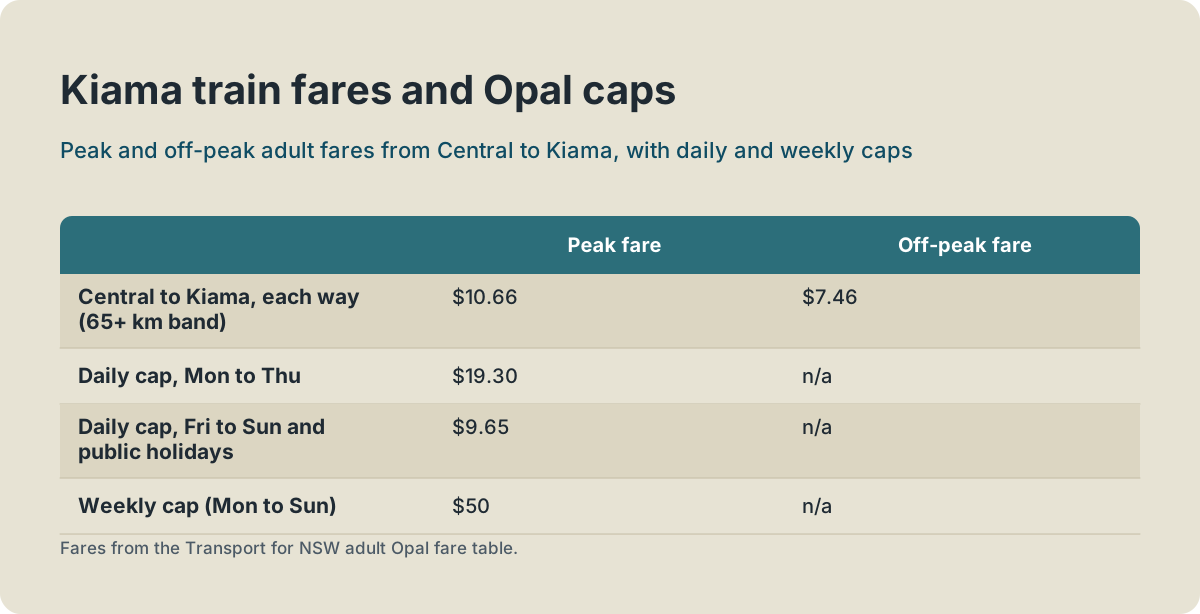
The fare mechanics matter more here than on most Sydney trips, because the distance is long enough that the caps start doing real work. Transport for NSW publishes the full distance-band fare table, and the daily caps still apply: $19.30 Monday to Thursday, $9.65 Friday to Sunday and on public holidays, and $50 across the Opal week. A Kiama return trip on a Sunday sits comfortably inside the $9.65 cap, which makes it one of the cheapest full-day outings from the city. A contactless credit card is charged exactly the same as an adult Opal card, so there is no need to buy a card for one trip.
| Leg | Peak fare | Off-peak fare |
|---|---|---|
| Central to Kiama, each way (65+ km band) | $10.66 | $7.46 |
| Daily cap, Mon–Thu | $19.30 | n/a |
| Daily cap, Fri–Sun and public holidays | $9.65 | n/a |
| Weekly cap (Mon–Sun) | $50 | n/a |
What Is the Kiama Blowhole, and When Does It Actually Perform?
The Kiama Blowhole is a sea cave roofed with volcanic rock: waves enter the cavity and compress, and the water exits upward through a shaft as a spray column. It performs best with a big southerly swell, when the spray can drench the viewing platform; on flat, calm days it does very little, so treat any eruption as a bonus rather than a guarantee. It performs best with a big southerly swell, and on those days the spray can rise high enough to drench the viewing platform. On flat, calm days it does very little, so check the marine forecast before you commit a whole day, and treat any eruption as a bonus rather than a guarantee. There is no entry fee, no ticket and no booking, just a headland that either performs or does not.
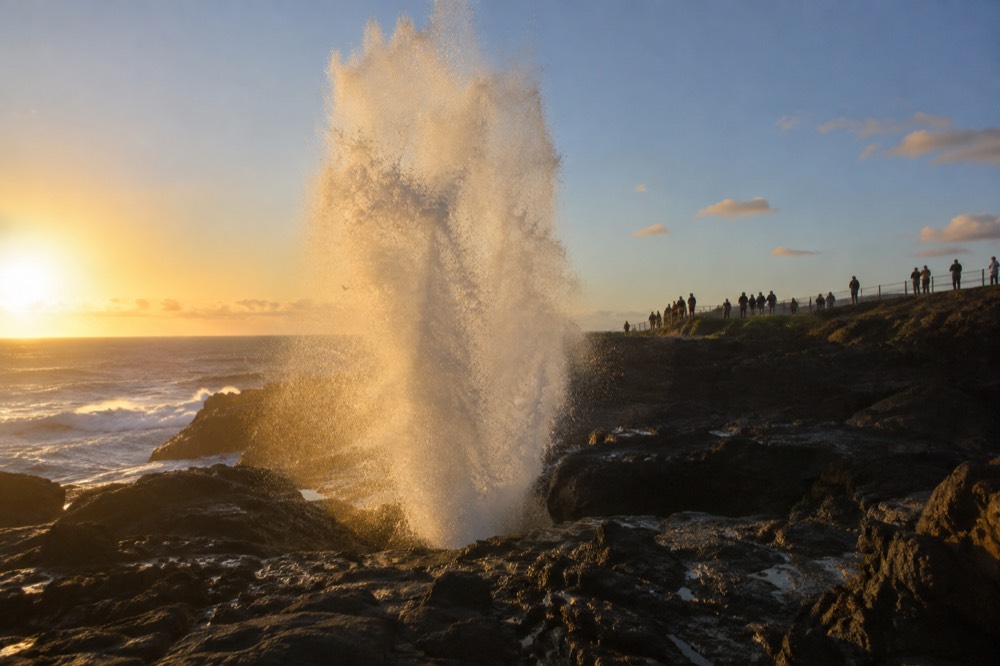
The blowhole sits beside Kiama Harbour, a working fishing port, and the whole precinct is free and open at all hours. There is a second, smaller blowhole a short walk north, nicknamed the "Little Blowhole", which performs on a different swell direction, so if the main event is quiet, the understudy is sometimes working. The headland walk between the two passes the lighthouse and gives long views up and down the coast. Local signage at the site explains the geology, and the visitor information point near the foreshore keeps walking maps.
Safety is worth a full paragraph rather than a clause. The rocks around both blowholes are wet, sloped and unpredictable in swell, and people have been swept off headlands along this coast. Stay behind the fences and on the formed paths, keep children close, and never turn your back on the water while taking photographs. The official rip-current and surf-safety guidance for NSW, published at beachsafe.org.au, applies to the ocean here as much as to any beach: the same swell that feeds the blowhole makes the surrounding rocks dangerous, so admire the spectacle from the designed viewing areas.
If a self-guided train day sounds appealing but you would rather have someone else handle the logistics, these three bookable options cover the spectrum from nature day trip to city classic.
What Else Is There to Do in Kiama?
Kiama rewards a half-day, not an hour: the blowhole, the harbor, the lighthouse and a short section of the Kiama Coast Walk toward the north beaches fill a morning easily, Cathedral Rocks sits within easy walking distance south of the harbor, and in whale season the headland becomes a land-based watching platform, with cafes in the town center for lunch. The Kiama Coast Walk runs for several kilometres north and south of the harbour, and you can sample a short section without committing to the whole thing. Cathedral Rocks, a basalt formation south of the harbour, is the most photographed stretch of coastline in town and sits within easy walking distance of the harbour precinct.
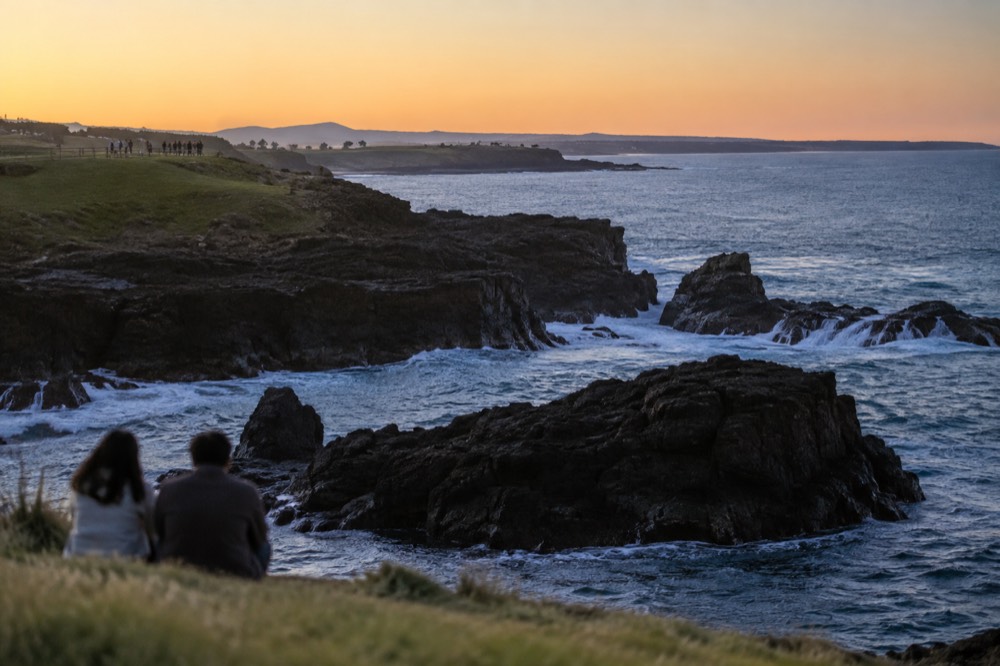
The town itself is small and pleasant rather than packed with attractions. The main street runs from the station to the harbour, and the visitor information point near the foreshore covers local walks and events. In whale season the headland becomes a land-based watching platform in its own right, which brings the trip into our whale watching in Sydney territory: NSW National Parks runs its Wild About Whales program along this whole coastline, and Kiama's headlands are part of that network of vantage points.
For a comparison point, the Wollongong and Sea Cliff Bridge guide covers the stretch of coast immediately north of Kiama, which is the natural stop on the drive down. Reading that guide alongside this one lets you plan a single continuous coastal day rather than two overlapping ones, and the Sea Cliff Bridge in particular deserves the stop even if you skip everything else on the route.
Is the Train or the Car Better for This Day Trip?
The train wins for a blowhole-only day: it costs $7.46 to $10.66 each way inside the daily cap, takes about two hours from Central, and drops you a short walk from the spray. The car wins for looping the Grand Pacific Drive, the Royal National Park, and the northern beaches of Kiama together, so decide based on how many stops you want. The car wins if you want to string together the Grand Pacific Drive, the Royal National Park and the northern beaches of Kiama in one loop, because the coastal stops between Sydney and Kiama are where a vehicle earns its keep. Decide based on how many stops you want along the way, not on the destination itself, because the blowhole is equally reachable either way.
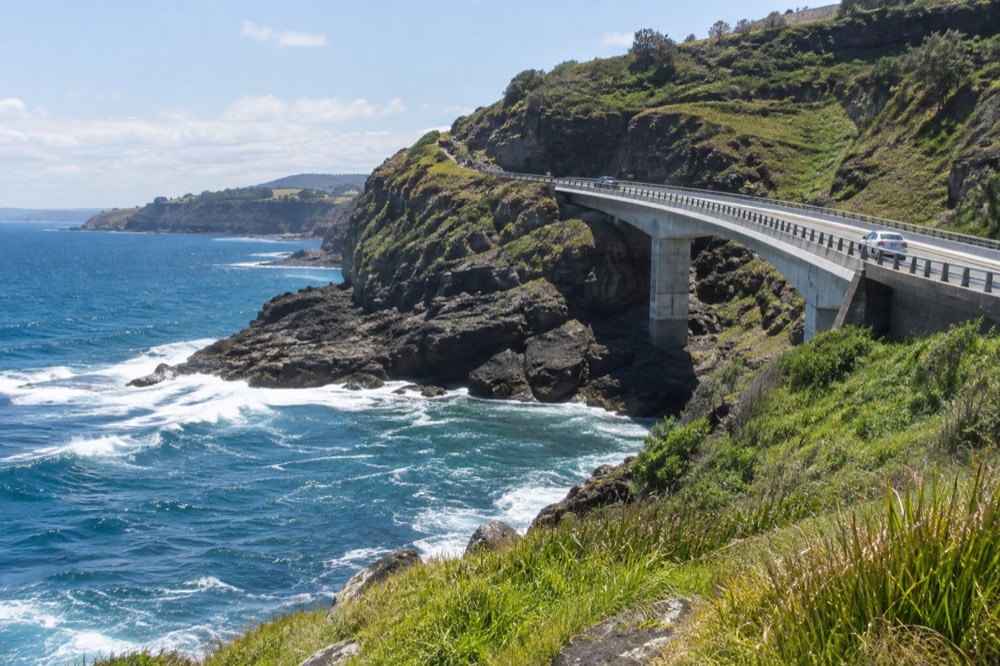
The drive is around 120 km each way and, outside peak hour, takes roughly 90 minutes to two hours via the Princes Motorway. The scenic alternative leaves the motorway at Waterfall and follows the Grand Pacific Drive through the Royal National Park and over the Sea Cliff Bridge, adding at least an hour but turning the journey into the highlight. Drivers should note the Royal National Park charges $12 per vehicle per day for entry, payable at stations or via the Park'nPay app, and foot and train passengers pay nothing, a distinction our Royal National Park guide covers in full.
Parking in Kiama is free but finite, and on summer weekends and holiday Mondays the harbour car parks fill by mid-morning. Train travellers skip that problem entirely. If you are weighing this trip against other coastal options, our best time to visit Sydney guide explains the seasonal logic, and the month-by-month climate table in our Sydney weather month by month guide is the reference for the numbers below.
| Option | Time each way | Cost | Best for |
|---|---|---|---|
| Train from Central | ~2 hours | $7.46–$10.66 each way, inside daily cap | The blowhole and the town only |
| Car via Princes Motorway | ~90 minutes to 2 hours | Fuel, plus $12 park fee if using Royal NP | Multiple stops, flexibility |
| Grand Pacific Drive route | 3+ hours with stops | Fuel plus park fees | Making the drive the point of the day |
When Is the Best Time of Year to Visit?
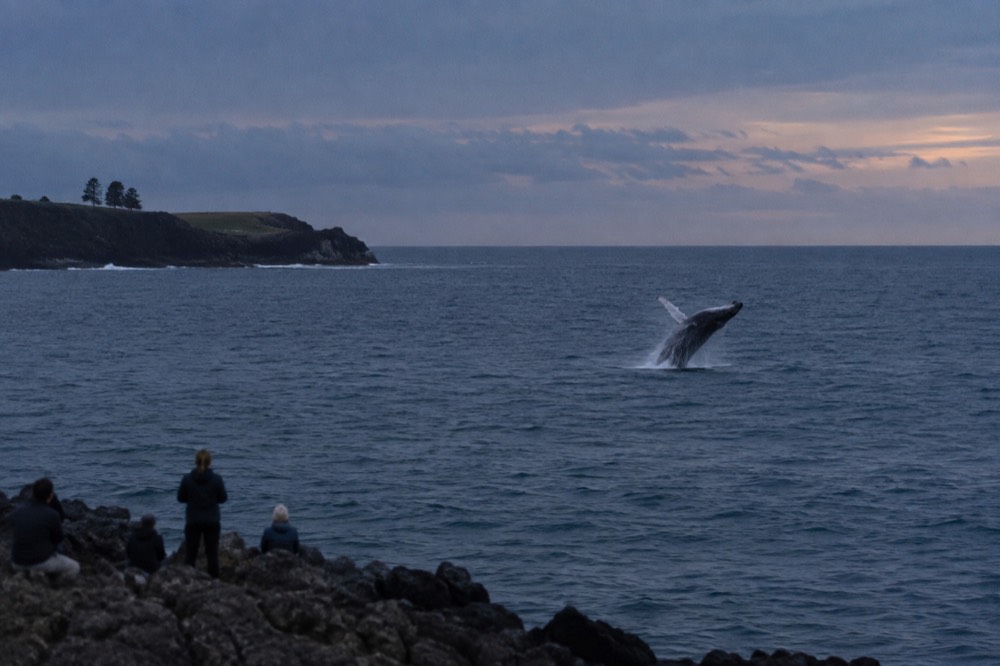
Whale season, May to November, is the best window, peaking late June through July: the northern migration runs roughly May to July, and the southern, when whales travel closer to shore with their calves, runs August to November, while winter also delivers a reliable swell, with an estimated 40,000-plus humpbacks passing this coast each year. NSW National Parks puts the northern migration at roughly May to July and the southern, when whales travel closer to shore with calves, at August to November, peaking late June through July. An estimated 40,000-plus humpbacks migrate along the NSW coast each year, so a headland vigil in those months has a real chance of a sighting, and the blowhole is a bonus on the same headland.
The climate logic is counterintuitive and worth knowing before you pick a date. Sydney's long-run Bureau of Meteorology normals show June as the wettest month of the year, 133.1 mm on average, wetter than any summer month, while August is the clearest, averaging 13.4 clear days, and February the cloudiest at 5.3. Peak tourist season is statistically the greyest time on this coast, and late winter delivers the best combination of clear skies, whale traffic and workable swell. The BOM publishes the full climate normals table behind those figures.
Daylight matters too. NSW observes daylight saving from the first Sunday in October to the first Sunday in April, which shifts sunset by an hour and changes how much coast you can walk after arriving on a mid-afternoon train. Winter visits give you a shorter day but clearer air, bigger swell and the whales. Summer visits give you swimming weather at Kiama's beaches, patrolled in the warmer months, but flatter seas and a quieter blowhole. Spring splits the difference, and the shoulder months either side of the whale season are the quietest of all.
How Much Does a Kiama Day Trip Cost?
A train-based Kiama day can be done for under A$40 per person: a capped return fare, breakfast or lunch in town, and nothing else, since the blowhole, harbor and coastal walk are free. A car day saves nothing on entry fees, its only compulsory charge a $12 Royal National Park vehicle fee if you enter. Guided tours run higher but bundle transport and food. A car-based day adds fuel and parking stress but saves nothing on entry fees, since the only compulsory charge on the scenic route is the $12 Royal National Park vehicle fee, and only if you enter. Guided day tours of the wider region run higher but bundle transport and food into one price.
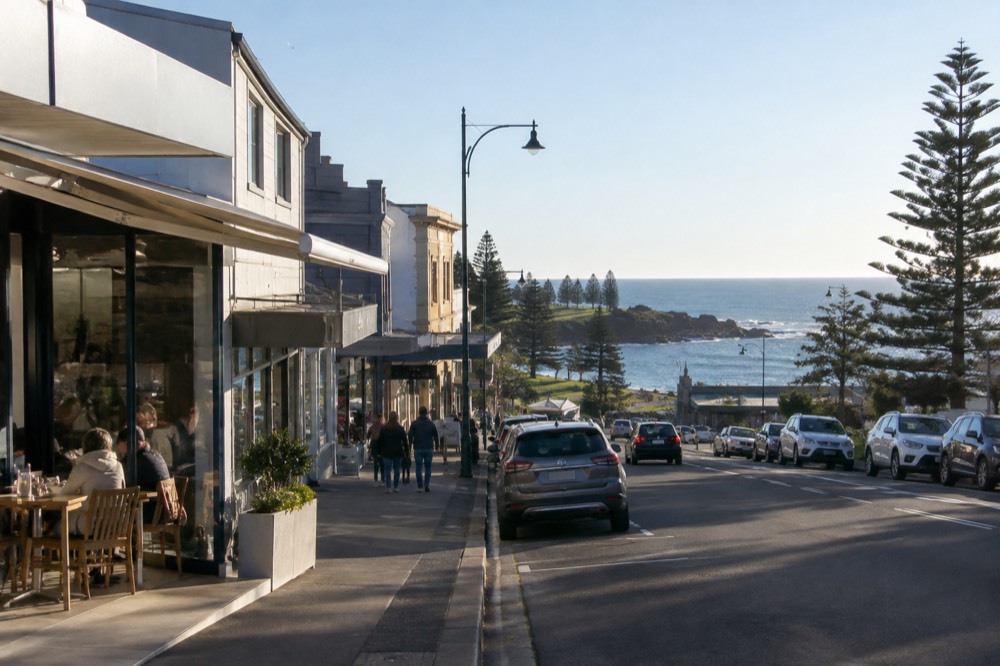
The honest budget picture is that Kiama is one of the cheapest headline day trips from Sydney. The expensive version of this coastline is the guided one: a naturalist-led day trip with wildlife stops and lunch runs from US$114.98 per person, while a longer wildlife, waterfalls and wine itinerary runs from US$281.63. Those prices buy a different product, a curated day with a driver and inclusions, not a better blowhole. The free version of this trip is genuinely excellent, and the paid versions simply cover ground you cannot reach on a train timetable.
If you like the idea of a guided nature day but the South Coast does not offer one that fits, the same logic applies inland. The Blue Mountains all-inclusive day trip below is the strongest guided-nature option from this roster, and it makes a good comparison against the DIY rail day described above.
For a coastal comparison, the Jervis Bay day trip heads further south to dolphins, kangaroos and white-sand beaches, a longer day at 12 hours but a different register of scenery, and it is the closest thing in the roster to a South Coast guided experience.
| Budget item | Train day | Car day | Guided nature day |
|---|---|---|---|
| Transport | $7.46–$10.66 each way, capped | Fuel for the full return drive | Included |
| Entry fees | None | $12 Royal NP vehicle fee (optional route) | Included |
| Blowhole and walks | Free | Free | Varies by itinerary |
| Meals | Buy in town, typically A$20–35 a head | Buy in town | Often included |
| Typical total per person | Under A$40 | Varies with passengers | From US$114.98 |
Where Should You Stop on the Way Back?
Work the coast northward on the return: Cathedral Rocks and Kiama's northern beaches first, then the Sea Cliff Bridge, the best single stop, then the Royal National Park, with its swimming holes and the start of the Coast Track, so each stop shortens the remaining drive. Train travelers can only do this in reverse order, hopping off at Wollongong or Stanwell Park. Train travellers can only do this in reverse order, hopping off at Wollongong or Stanwell Park, so check the timetable before assuming a mid-route stop is easy. The best single stop on the drive is the Sea Cliff Bridge, a road balanced on the cliff face above open ocean with a walkway beside it.
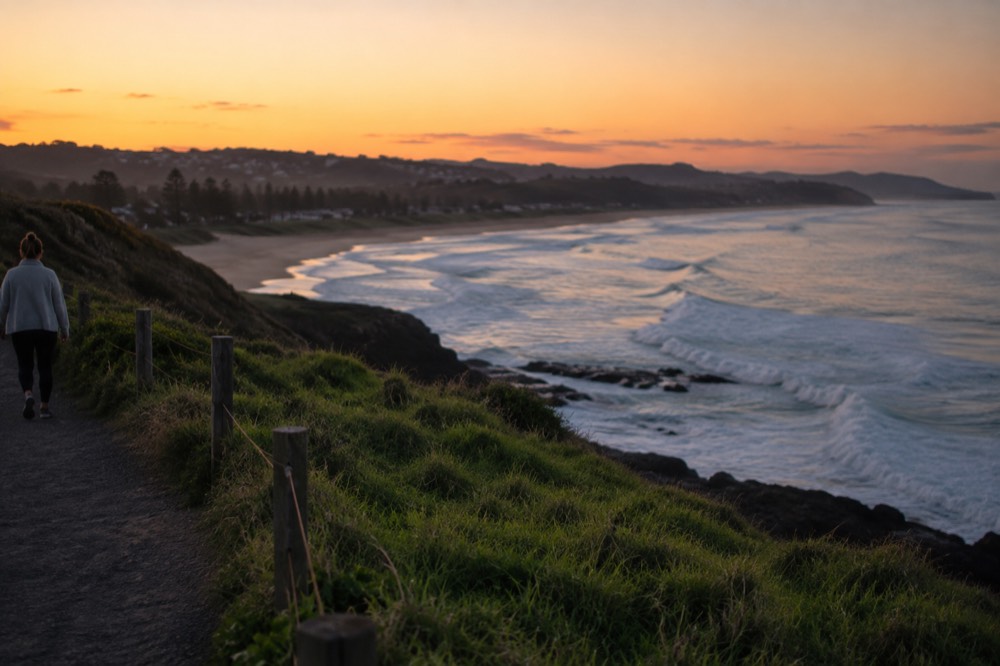
Wollongong, the largest city on the route, breaks the journey with a harbour, a lighthouse on a breakwater and a botanic garden. Stanwell Tops is the hang-gliding lookout where the escarpment meets the sea, and the park beyond it holds swimming holes and the start of the Coast Track. Give yourself daylight: in winter the sun sets early enough that a late start from Kiama means driving the cliff sections in the dark, which wastes the whole point of the scenic route. A morning start with a late-afternoon return is the pattern that works in every season.
One practical note for the drive: the Sydney public holidays and school holidays pattern matters here more than almost anywhere, because holiday weekends fill every coastal car park from Stanwell Park south. A public holiday also drops the Opal daily cap to $9.65, so the train version of this trip is actually cheapest on exactly the days the roads are worst. That inversion, cheap rail and jammed roads on the same dates, is the single most useful planning fact on this page.
Before you finalise the plan, these are the three bookable options most often compared against a DIY South Coast day.
Each of those three covers a different register of the same question: whether the day is about the mountains, the wildlife and wine country, or the city's most famous building. The wildlife, waterfalls and wine itinerary below is the one that most closely mirrors what a South Coast day tries to do, a full circuit through scenery and produce in a single guided day.
Common Questions About the Kiama Blowhole and the South Coast
Is the Kiama Blowhole free?
Yes. The blowhole, the headland walk, the lighthouse and the harbour precinct cost nothing and are open at all hours. The only money you need to spend is transport and food, which makes it one of the cheapest headline day trips from Sydney.
How long does the train from Sydney to Kiama take?
Roughly two hours from Central Station on the South Coast line, with trains running regularly through the day. The fare falls in the 65-plus km Opal band, $10.66 peak or $7.46 off-peak each way, and counts toward the daily cap like any other trip.
What is the best time of day to see the blowhole erupt?
There is no reliable time of day, because performance depends on swell, not tide alone. A big southerly swell produces the best eruptions at any hour. Check the marine forecast for the day, and if the main blowhole is quiet, walk north and check the Little Blowhole, which favours a different swell direction.
Can you see whales from Kiama?
Yes, in season. The NSW whale season runs May to November, with the southern migration from August to November bringing whales closer to shore with their calves. The headland near the lighthouse is a legitimate land-based watching point in those months.
Is Kiama worth visiting without a car?
Yes. The station is a short flat walk from the blowhole, the town, harbour and coastal walk are all walkable, and the whole day can run inside a capped Opal fare. A car only becomes useful if you want to string together multiple coastal stops each way.
How far is Kiama from Sydney?
About 120 km south of the city, roughly two hours by train from Central and 90 minutes to two hours by car via the Princes Motorway, longer if you take the scenic Grand Pacific Drive route through the Royal National Park.
The Kiama Blowhole is a gamble on the swell, and that is what keeps it honest: a free, spectacular natural show that sometimes refuses to perform. Plan around the swell forecast, pick a winter or spring weekend for the whales and the clear skies, take the train if the blowhole is your only target, and read more day trip options in our day trips from Sydney guide. For everything else about the city and its coast, start with the Sydney Travel Guide homepage.