Where to Go Within 2 Hours of Sydney?
Blue Mountains, Royal National Park, the Hunter Valley, Kiama and more: every worthwhile escape within two hours of Sydney, with train times, driving distances and costs.
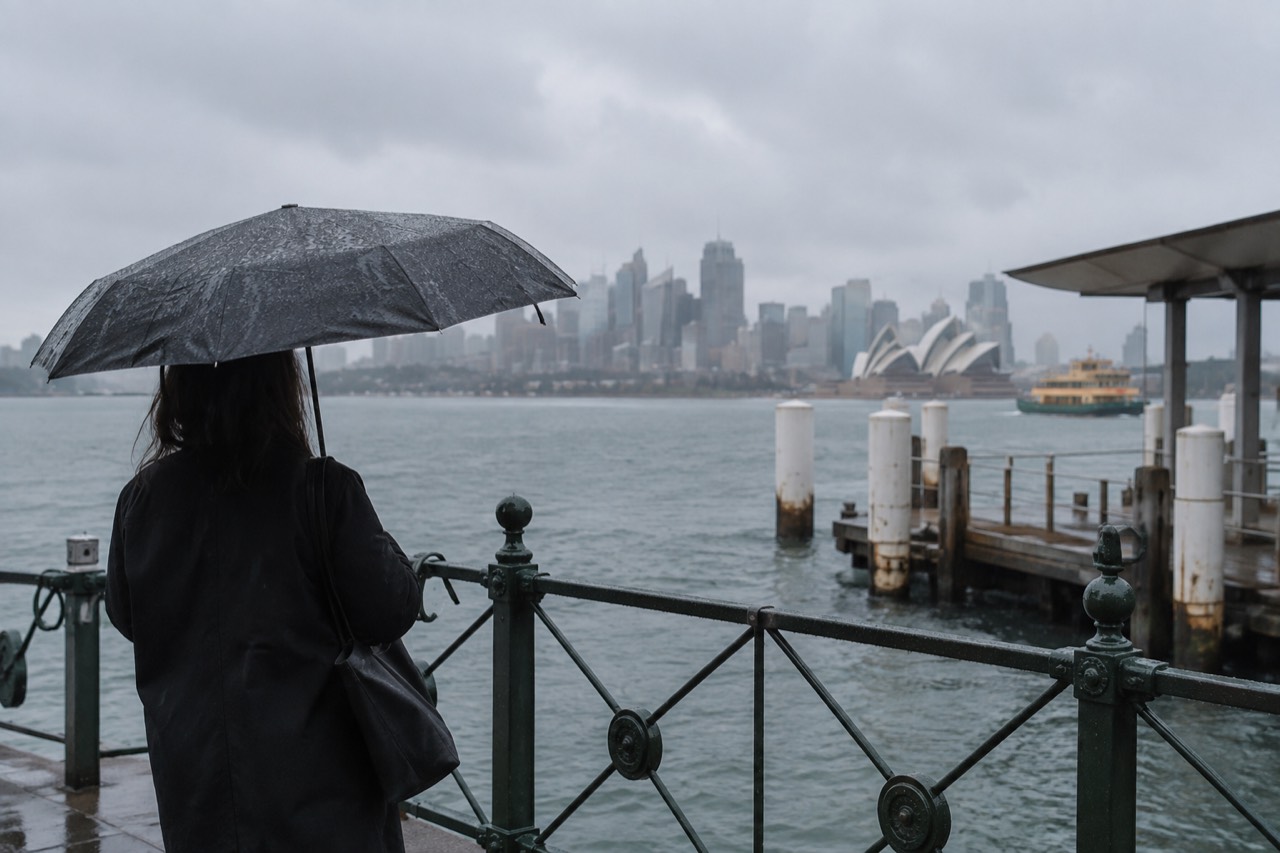
Sydney's own boundaries are tight, but its travel radius is enormous. Within two hours of Circular Quay you can stand above a sandstone canyon in the Blue Mountains, walk to a blowhole on the South Coast, taste wine in the Hunter Valley, or ride a ferry to a beach suburb that feels like a separate town. The Sydney Travel Guide desk has pulled together the destinations that genuinely fit inside that window, with the train times, driving distances and entry costs that decide which ones are realistic on any given day.
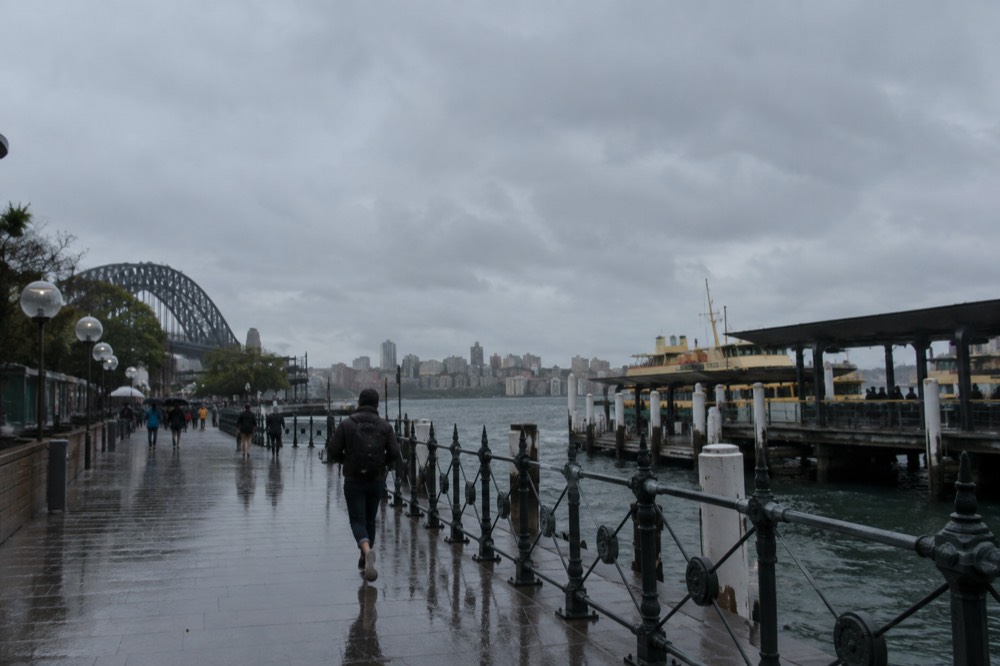
Where to Go Within 2 Hours of Sydney?
The best escapes within two hours of Sydney are the Blue Mountains (about two hours by train to Katoomba), the Royal National Park (roughly one hour by car or train to Cronulla plus a ferry), the Hunter Valley (about two hours by car), Kiama and Wollongong on the South Coast (90 minutes to two hours by train), and Manly or Palm Beach inside the harbour and Northern Beaches network. Each one is a genuine full-day trip, not a rushed detour.
The two-hour rule matters because it separates the trips that work from the ones that unravel. A destination 90 minutes away gives you a full day on the ground; anything past three hours each way eats the day alive. Everything below sits inside that practical ring, and most of it can be done without a car, which matters in a city where hiring one is often unnecessary.
What Can You Reach by Train in Under Two Hours?
Sydney Trains reaches the Blue Mountains, the South Coast, the Central Coast and the Southern Highlands inside two hours. Katoomba takes about two hours from Central, Kiama around two hours on the South Coast line, Wollongong about 90 minutes, and Bowral in the Southern Highlands roughly 90 minutes. Opal fares cover all of it, capped at $50 for the week, so a return regional train trip costs far less than a tour bus seat.
The train network is the quiet hero of Sydney day trips. The Blue Mountains line runs from Central through Parramatta and up into the mountains, and Katoomba and the Three Sisters are walkable from Katoomba station. The South Coast line hugs the water south of Waterfall and drops you in Wollongong, where the Sea Cliff Bridge drive begins, or further on at Kiama and its blowhole. The Southern Highlands line climbs to Bowral, a town of cool-climate gardens and antique shops.
Transport for NSW publishes the fare bands and caps on its adult Opal fares page, and the weekly $50 cap applies network-wide. A tap-on contactless card earns identical benefits to a physical Opal card, so there is no reason to queue for a ticket machine.
| Destination | Line from Central | Approximate train time | What it is known for |
|---|---|---|---|
| Katoomba | Blue Mountains line | ~2 hours | Three Sisters, Scenic World, lookouts |
| Wollongong | South Coast line | ~1 hour 30 minutes | Beaches, Sea Cliff Bridge nearby |
| Kiama | South Coast line | ~2 hours | Blowhole, coastal walk, harbour pools |
| Bowral | Southern Highlands line | ~1 hour 30 minutes | Gardens, wineries, cooler climate |
| Gosford | Central Coast line | ~1 hour 20 minutes | Waterfront, Brisbane Water, bushwalks |
For a fuller rundown of car-free options, the day trips from Sydney by train guide covers timetabling and the traps, including the fact that some mountain stations are a long walk from anything.
If you would rather have someone else handle the mountains, the all-inclusive Blue Mountains day trip below is the strongest option on the roster: it bundles transport, a local guide and the park's headline sights into a single booking.
Which Coastal Escapes Are Within Two Hours?
The Royal National Park, about an hour south of the city, is the standout coastal escape, followed by Wollongong, Kiama and the Northern Beaches. The Royal charges $12 per vehicle per day but is free if you arrive by train and ferry via Cronulla, and its Coast Track is one of the best walks in the country. Whale watching from headlands runs May to November, with the southern migration, mothers and calves close to shore, peaking from August to November.
The Royal National Park is the world's second-oldest national park, and Sydneysiders underuse it. The full park guide covers the Coast Track, Wattamolla and Garie Beach, but the headline fact for a two-hour trip is the cost: vehicle entry is $12 per day, and NSW National Parks confirms that fees are per vehicle, so arriving by train to Cronulla and ferry to Bundeena avoids them entirely.
Further south, the Wollongong and Sea Cliff Bridge run delivers one of the state's great drives, a bridge cantilevered over open ocean. The Central Coast to the north is the calmer, family-facing alternative.
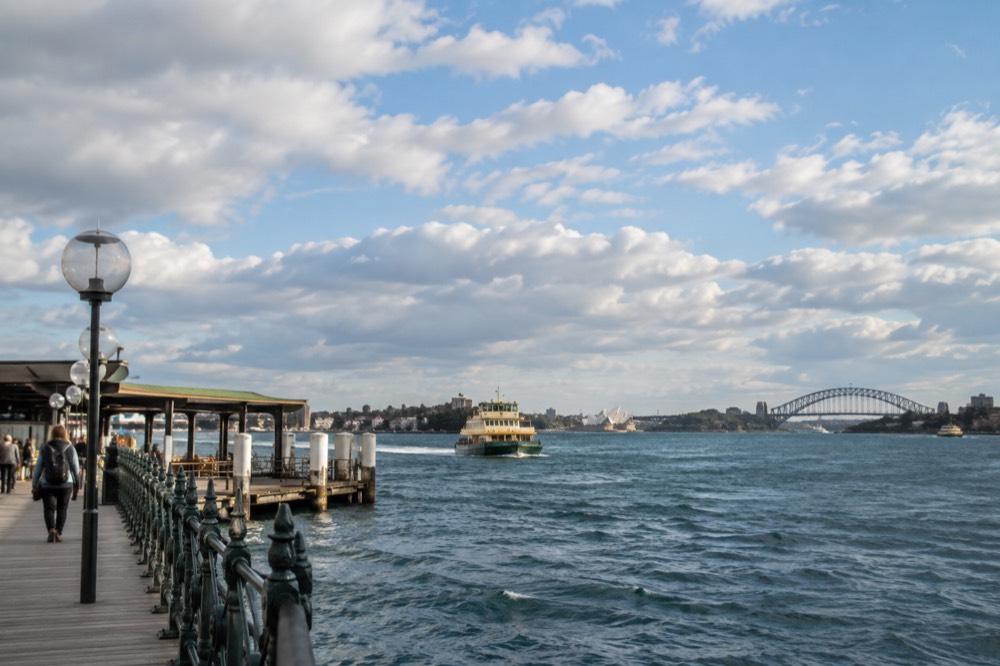
Before you lock in a coastal day, one safety note belongs here: swim between the red and yellow flags at patrolled beaches, and stay out of the water for up to one day after heavy rain at ocean beaches, or up to three days at harbour swim sites. Beachwatch publishes daily water quality grades, and its advice after rainfall is the single most useful swimming rule on the NSW coast.
What About Wine Country and the Inland Valleys?
The Hunter Valley sits about two hours north of Sydney by car and is the region's wine heartland; a premium guided tour with lunch runs a full 11-hour day. The Blue Mountains, inland west, need no car at all thanks to the train, and the Hawkesbury River towns sit under 90 minutes from the city. None of these are half-day trips: budget a full day for each.
The Hunter Valley is the classic Sydney wine escape, and the dedicated day trip guide explains why going with a tour beats driving: tastings add up, and the region's best cellar doors are spread across back roads. A guided option with a two-course lunch removes the designated-driver problem entirely.
The Hawkesbury River, less than 90 minutes out, is the under-visited alternative: sandstone gorges, river towns like Brooklyn, and houseboats that never made the influencer lists. The Hawkesbury guide covers access by train and riverboat.
One Blue Mountains fact most guides miss: the Blue Mountains National Park itself charges no entry fee except in the Glenbrook area, where it is $8 per vehicle per day. Katoomba, Blackheath and Wentworth Falls, the places almost everyone visits, cost nothing to enter. Scenic World is a separate private operator and is ticketed separately.
When Is the Best Time to Make These Trips?
Winter is the surprise winner. June is Sydney's wettest month on the long-run averages, at 133.1 mm, but August is its clearest, with 13.4 mean clear days against February's 5.3, so late winter delivers the most reliable views in the Blue Mountains. Whale season runs May to November, and the summer months of December to February bring crowds, cloud and the year's fewest clear days.
The Bureau of Meteorology's long-run averages for Sydney turn the usual advice on its head. Peak tourist season, the summer months, is statistically the cloudiest time of year, while July and August deliver the clearest skies. The days are shorter in winter, but if the point of your trip is a lookout view or a whale spout, the calendar flips.
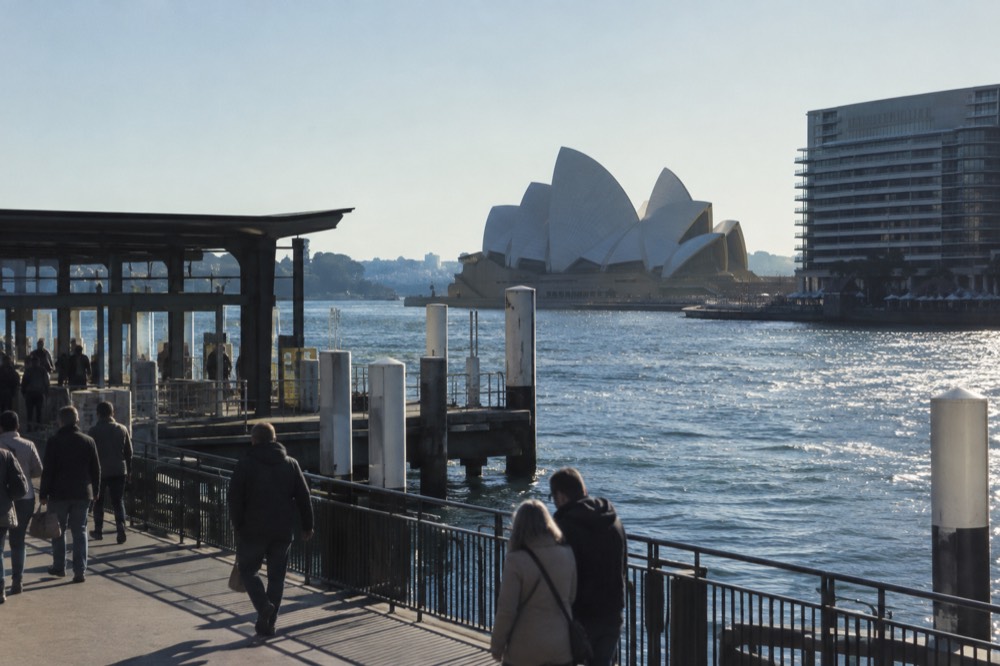
Seasonal closures matter too. Blue Mountains tracks and roads close for works through late 2026, including sections around Mount Hay Road and the Fern Bower track, so check the NPWS alerts page before you commit to a specific walk rather than trusting any fixed list.
How Do You Plan a Two-hour Day Trip Without a Car?
Pick a destination with a station at its centre: Katoomba, Kiama, Wollongong, Bowral or Bundeina via the Cronulla ferry. Leave before 9am, check the last return service, and cap your daily transport spend at the Opal limits of $19.30 Monday to Thursday or $9.65 on Fridays, weekends and public holidays. A guided day tour is the better call for the Hunter Valley and for the Blue Mountains if you want Scenic World included.
The planning sequence is simple. Choose rail-first destinations, because a station in the town centre removes the arrival problem entirely. Check the last train home the night before, not on the platform. Then let the fare caps do their work: a public holiday is the cheapest day to travel widely, because the daily cap drops to $9.65.
For the Hunter Valley, and for the Blue Mountains when you want the all-inclusive version with Scenic World and Featherdale, a booked tour is the practical answer. The all-inclusive Blue Mountains trip below handles the logistics in one booking.
And if the day trip idea appeals but the schedule is tight, remember that the city itself rewards a slower look. A guided bike ride covers the harbour foreshore and inner suburbs in a single morning, which pairs neatly with an afternoon train to the mountains on another day.
The short version: within two hours of Sydney you have a canyon system, a wine region, the world's second-oldest national park, a blowhole coast and a whale migration, and the train reaches most of it. Choose one, check the weather against the averages rather than the season, and keep the last train time in your pocket.
Common Questions About Trips Within Two Hours of Sydney
Where to go within 2 hours of Sydney?
The Blue Mountains, the Royal National Park, the Hunter Valley, Kiama and Wollongong on the South Coast, the Southern Highlands and the Central Coast all sit within two hours. Manly and Palm Beach are closer still, inside the ferry and bus network.
Can you do the Blue Mountains without a car?
Yes. The train from Central to Katoomba takes about two hours, and the town's lookouts, including the Three Sisters via the Echo Point walk, are reachable on foot or a short bus ride from the station.
Is the Royal National Park free to enter?
Entry costs $12 per vehicle per day, but the park is free if you arrive by train to Cronulla and take the ferry to Bundeena. There is no charge for pedestrians or cyclists at almost every Sydney park.
What is the best time of year for these day trips?
For lookouts and clear views, late winter: August averages the most clear days of any month in Sydney's long-run record. For whales, May to November, with the southern migration strongest from August. Summer brings the biggest crowds and the cloudiest skies.
Is the Hunter Valley doable as a day trip?
Yes, as a long one. It is about two hours each way by car, and most visitors book a guided tour with lunch included so nobody has to drive after tastings.