What Are the Best Things to Do in Sydney When It Rains?
Rainy-day Sydney answers: which attractions, museums and harbour experiences still work in wet weather, plus what the climate data says about Sydney rain.
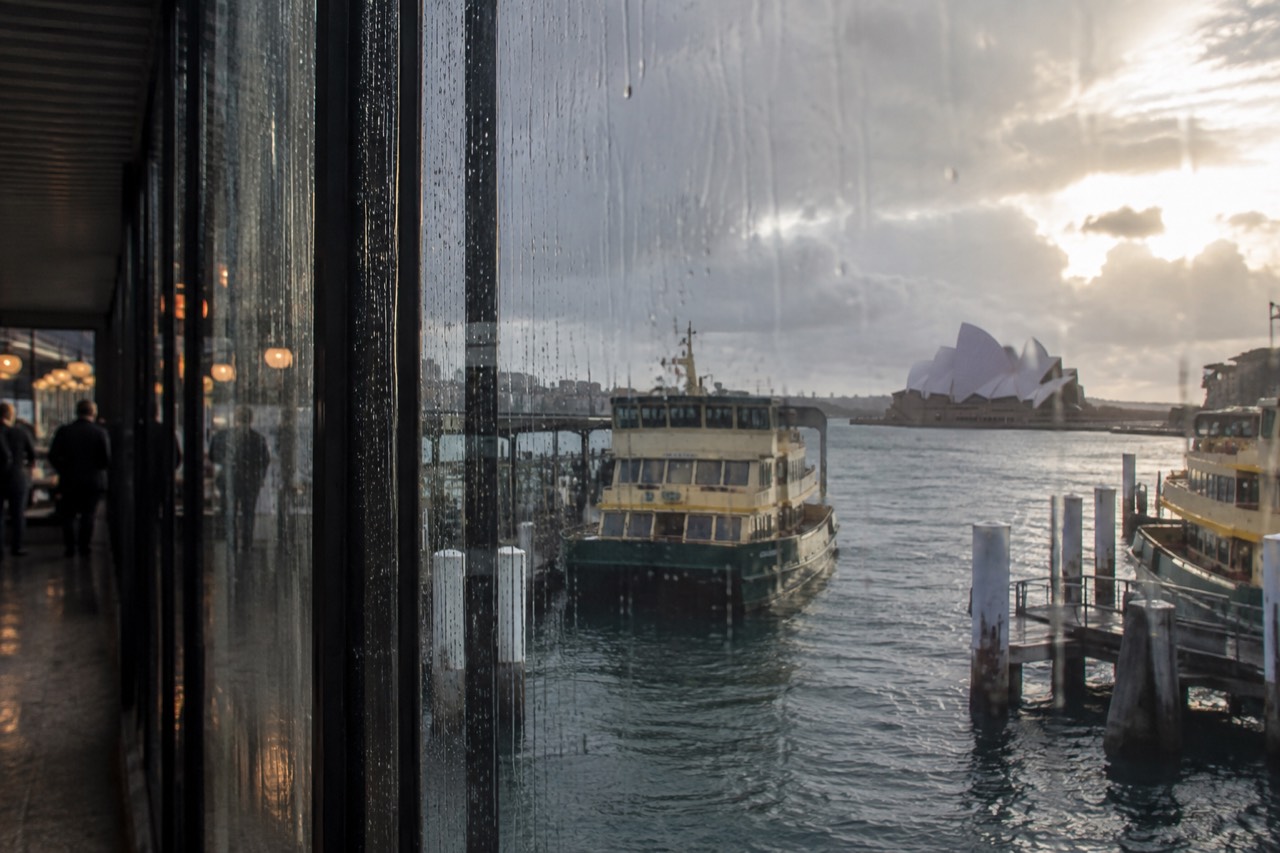
Rain in Sydney behaves differently from how most visitors expect. The Bureau of Meteorology's long-run record for the Observatory Hill station shows June is the city's wettest month, at 133.1 mm on average, wetter than any summer month, while August is its clearest. Peak tourist season is statistically the cloudiest time of year. So if you get a grey day, you are in normal territory, and the city has a deep bench of things that work regardless of the sky.
What Are the Best Things to Do in Sydney When It Rains?
The best things to do in Sydney when it rains are the city's major indoor attractions and its covered harbour experiences: the Australian Museum and Art Gallery of New South Wales, both free to enter, the Sydney Tower Eye observation deck, SEA LIFE Sydney Aquarium, an Opera House tour, and a Taronga Zoo and ferry day in light drizzle. Sydney averages about 99.5 rain days a year, roughly one day in four, so the city is built for this.
That answer splits into two kinds of rainy day. Heavy, persistent rain is a museum and aquarium day, and Sydney's big cultural institutions are clustered close enough that you can walk or hop a short train between them without ever needing an umbrella for long. Light drizzle, which is far more common in the long-run record than a proper downpour, opens up more options: the ferries still run, the zoo is still pleasant, and the harbour often looks better under cloud than it does under a harsh midday sun.
The mistake most visitors make is treating rain as a reason to stay near the hotel. Sydney's wettest months are autumn and early winter, which are also the months with the fewest crowds at the major attractions. A rainy June Tuesday at the aquarium is a very different experience from a sunny January weekend.
Which Sydney Attractions Work Best on a Wet Day?
Sydney's best wet-weather attractions are the free museums and galleries, the indoor observation deck, the aquarium, and the Opera House tours, all of which sit within a short walk or one train leg of each other. General entry to the Australian Museum and the Art Gallery of New South Wales costs nothing, and the gallery stays open until 10pm on Wednesdays, which turns a washed-out afternoon into a full evening.
Start with the free ones, because they cost you nothing but time. The Australian Museum opposite Hyde Park is open daily 10am to 5pm, closed Christmas Day, and its permanent galleries alone can absorb half a day. The Art Gallery of New South Wales is also free for general entry, open daily 10am to 5pm and until 10pm on Wednesdays. Only its major temporary exhibitions carry a ticket. Both are a short walk from Museum or St James stations, so the rain exposure between train and door is minimal.
One closure worth knowing: the Powerhouse Museum in Ultimo has been closed to the public since February 2024 for a major redevelopment and is not expected back until around 2029. Its new Parramatta building is scheduled to open in November 2026, but until then, do not plan around the Ultimo site, however many older guides still list it.
For ticketed indoor options, the Sydney Tower Eye observation deck is the classic wet-day pick, partly because low cloud is a real risk at the top. Check the visibility before you go up. The SEA LIFE Sydney Aquarium in Darling Harbour is fully indoors and needs roughly two hours. The Sydney Opera House runs guided tours roughly 9am to 5pm daily, about an hour long, and the building is genuinely better understood from inside than photographed from outside.
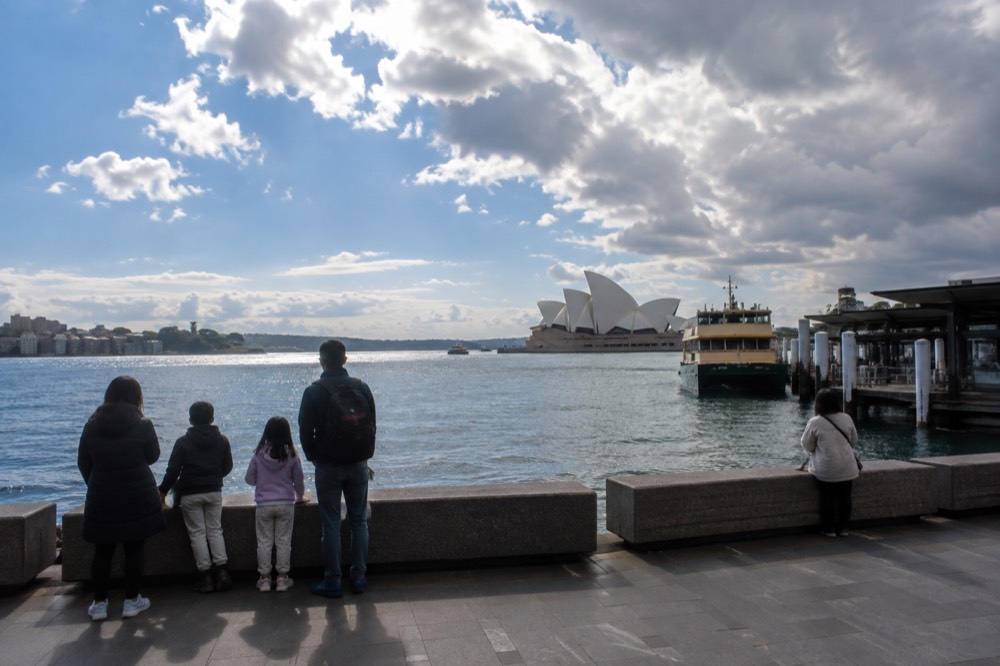
Here is how the main indoor options stack up on a wet day:
| Attraction | Entry cost | Time needed | Wet-day notes |
|---|---|---|---|
| Australian Museum | Free general entry | 2-3 hours | Daily 10am-5pm, closed Christmas Day |
| Art Gallery of NSW | Free general entry | 1-3 hours | Open until 10pm Wednesdays |
| Sydney Tower Eye | Ticketed, dynamic pricing | 1-1.5 hours | Check cloud cover before going up |
| SEA LIFE Sydney Aquarium | Ticketed, dynamic pricing | About 2 hours | Fully indoors, Darling Harbour |
| Sydney Opera House tours | Varies by date and session | About 1 hour | Runs roughly 9am-5pm daily |
| Queen Victoria Building | Free to browse | 1-2 hours | Covered 19th-century shopping arcade |
The Queen Victoria Building deserves its place on that list. It is a covered, ornate shopping arcade in the middle of the CBD, and wandering it costs nothing, which makes it the perfect filler between two museums.
If you are planning two or more ticketed indoor attractions, the four-attraction combo pass covering the aquarium, the Tower Eye, WILD LIFE Sydney Zoo and Madame Tussauds is worth comparing against individual tickets before you commit.
Is Rain in Sydney Actually a Big Deal?
No, and the data says so. Sydney averages 21.8 °C as a yearly mean maximum, and its rain typically arrives as 99.5 days a year of scattered showers rather than monsoon-style downpours. June is the wettest month at 133.1 mm on average, yet it also records more clear days than January. The practical takeaway: pack a light rain jacket, not a full storm plan.
The full climate picture is worth a look before you let weather shape your itinerary. The Bureau of Meteorology publishes long-run averages for the Sydney Observatory Hill station stretching back over 160 years, and the pattern is consistent: rainfall peaks in autumn and early winter, June leading at 133.1 mm, while February, the middle of summer, is the cloudiest month on the clear-days measure at 5.3. August is the clearest month of the entire year at 13.4 mean clear days. You can read the full monthly table on the Bureau of Meteorology's climate averages page.
There is a transport silver lining too. Opal and contactless fares cap at $9.65 a day on Fridays, Saturdays, Sundays and public holidays, against $19.30 Monday to Thursday, so a rainy weekend is actually the cheapest time to hop between museums by train, bus and ferry. The off-peak discount on metro, train, bus and light rail also applies across weekends.
Can You Still Enjoy the Harbour in the Rain?
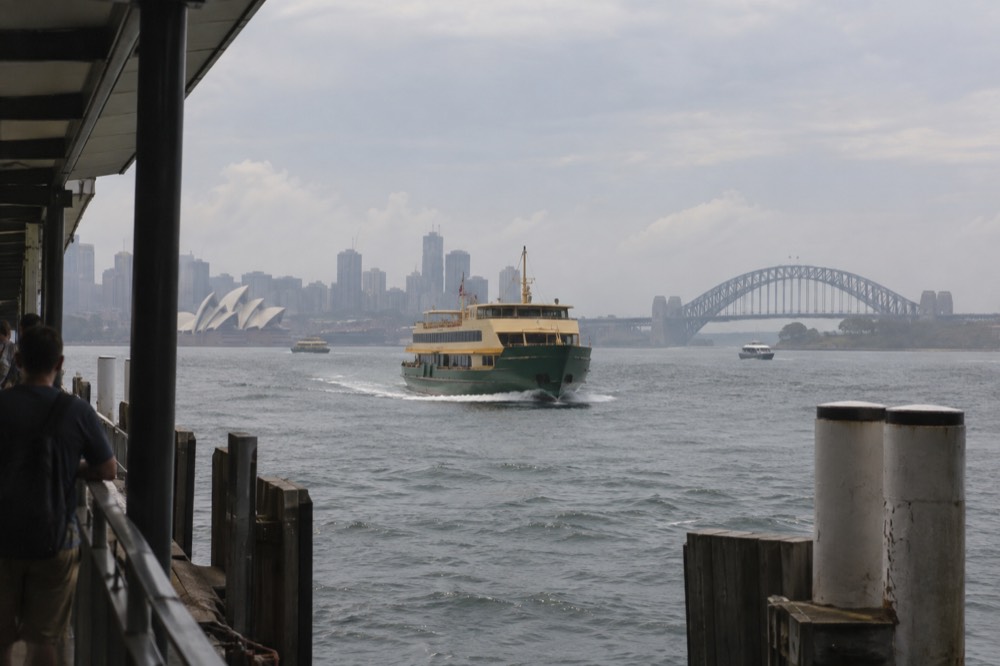
Yes, and often better. Sydney Harbour under grey skies loses the glare and the crowds, ferries run in all normal weather, and a light-drizzle day is a good day for the Taronga Zoo and ferry combination, since the crossing from Circular Quay is short and the zoo's covered exhibits and rainforest walkways hold up in showers. Only a heavy-rain day should push you fully indoors.
The Taronga Zoo bundle is the standout here because it solves two problems at once: the ferry ride from Circular Quay is a genuine harbour cruise in its own right, and the zoo is open 365 days a year with seasonal hours, 9:30am to 5pm from September to April and 9:30am to 4:30pm from May to August. A drizzly weekday means shorter queues at the koala walk and the seal show. Booking online is roughly 10% cheaper at every ticket tier than paying at the gate, according to the zoo's own published price table.
The same logic applies to the public ferry network. The F1 Manly ferry runs in ordinary rain and the crossing takes about half an hour, and the Manly ferry is far more atmospheric with cloud on the water than it is packed with summer day-trippers. The Sydney ferries guide covers the routes in detail. If the rain is genuinely heavy, swap the open decks for the enclosed cabin and treat it as a sightseeing cruise that happens to be public transport.
One safety note that matters in rain: swimming is the one thing to genuinely postpone. The official Beachwatch advice is to stay out of the water while it is raining and for up to one day after heavy rain at ocean beaches, and for up to three days at harbour and estuarine swim sites, because stormwater runoff degrades water quality. The Sydney rainy day itinerary has a full walkable plan if you want the sequencing done for you.
What Should You Skip or Reschedule When It Rains?
Skip the coastal walks, the beach days and the lookouts, and reschedule the Blue Mountains. The Bondi to Coogee walk loses its whole point in rain, beach water quality suffers for up to a day after heavy rain, and Blue Mountains viewpoints are worthless in low cloud, which is common in wet weather. Whale watching, in season from May to November, is also poor value in heavy rain, so keep that booking flexible.
The Blue Mountains deserves special mention because it is the single most commonly rescheduled day trip. The entire appeal is the view from the escarpment, and rain in Sydney very often means cloud sitting in the Jamison Valley, which hides the Three Sisters completely. If your Blue Mountains day turns wet, swap it with a city day and go west when the sky clears. The Blue Mountains day trip guide covers the alternatives, and note that several tracks and roads in the park have staged closures into late 2026, so check the National Parks alerts before any walk.
Here is a quick triage table for a wet morning:
| Plan | Keep, change or skip | Why |
|---|---|---|
| Museums and galleries | Keep | Free or ticketed, fully indoors |
| Aquarium and Tower Eye | Keep | Fully indoors |
| Opera House tour | Keep | Indoors, runs daily |
| Taronga Zoo and ferry | Keep in light rain | Short crossings, covered exhibits |
| Bondi to Coogee walk | Skip | Exposed cliff path, no shelter |
| Swimming at any beach | Skip | Stay out during and 1 day after heavy rain |
| Blue Mountains day trip | Reschedule | Views hidden by valley cloud |
| Whale watching cruise | Reschedule if heavy | Seasonal May-November, rough in storms |
The pattern across all of this is simple: Sydney's rain is mostly a scheduling problem, not a trip-ruining one. The city's best indoor attractions are free, its ferries run regardless, and the months with the most rain are also the months with the fewest people in front of you at every counter. This site, Sydney Travel Guide, keeps a full month-by-month climate breakdown in the Sydney weather month by month guide if you want to plan around the numbers rather than react to the forecast.
Common Questions About Sydney in the Rain
What are the best things to do in Sydney when it rains?
The free museums and galleries, the aquarium, the Sydney Tower Eye, an Opera House tour, and a Taronga Zoo and ferry day in light drizzle. Sydney's wettest month is June, not summer, so rain is a normal part of visiting rather than bad luck.
Is rain common in Sydney?
Yes. The long-run record shows rain on about 99.5 days a year, roughly one day in four, with June the wettest month at 133.1 mm on average. Showers are often brief rather than all-day.
Can you swim at Sydney beaches in the rain?
No. Official Beachwatch advice is to stay out of the water while it is raining and for up to one day after heavy rain at ocean beaches, and up to three days at harbour and estuarine swim sites, because stormwater affects water quality.
Do Sydney ferries run in the rain?
Yes, in all ordinary weather. The F1 Manly ferry and the Taronga Zoo ferry run year-round, and a grey-sky harbour crossing is often calmer and less crowded than a summer one.
Is the Blue Mountains worth visiting on a rainy day?
Usually not. Rain in Sydney often means cloud filling the valleys, which hides the very views the trip exists for. Reschedule it for a clear day and keep your city day for the wet one.