What to Do in Sydney for First Timers?
A first-timer's plan for Sydney: the harbour icons to see, what to book ahead, how to get around on Opal, and the timing mistakes new visitors make.
What to Do in Sydney for First Timers?
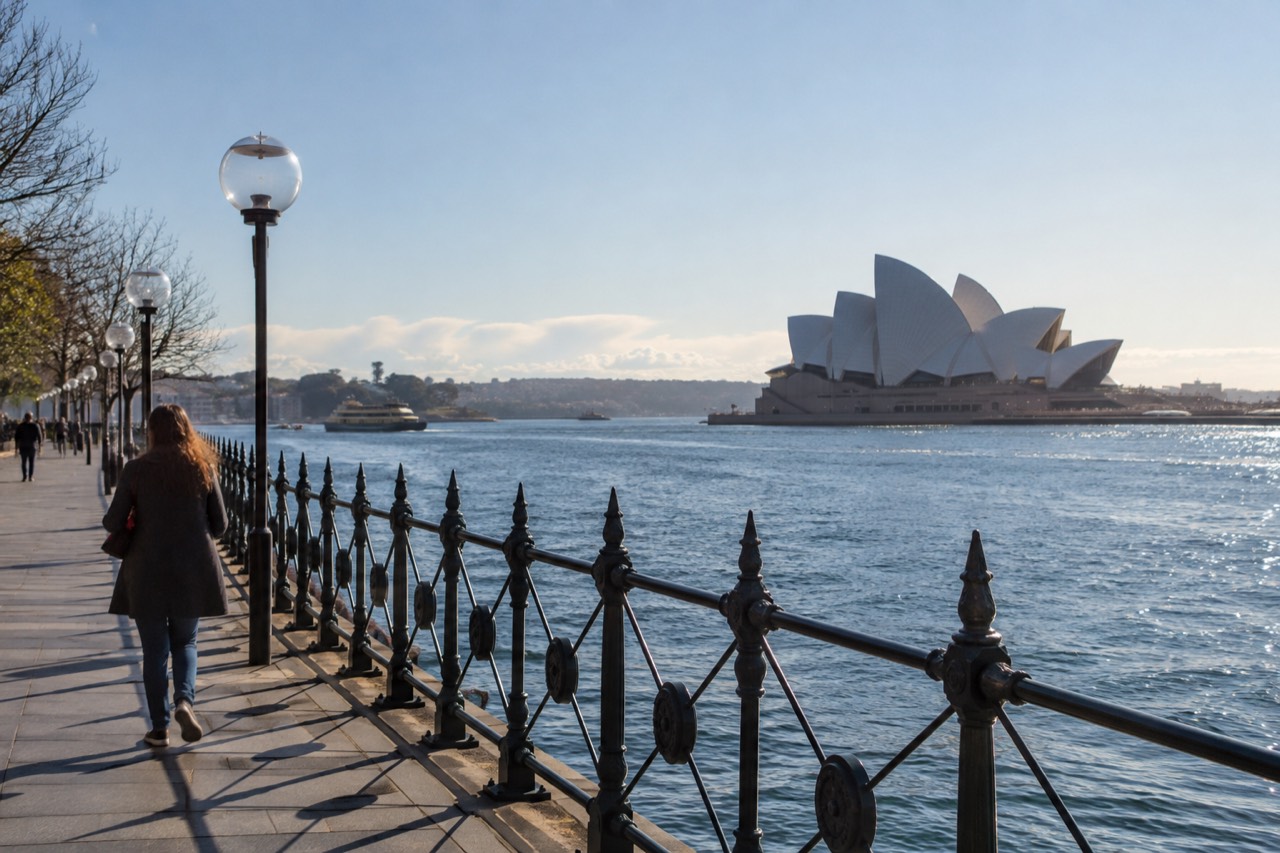
First-timers should build a Sydney trip around the harbour: see the Sydney Opera House and Sydney Harbour Bridge from Circular Quay, walk The Rocks and the Royal Botanic Garden, catch a ferry to Manly, and spend at least half a day at Bondi Beach. Book only two or three things ahead, an Opera House tour, a harbour cruise and a BridgeClimb if the budget allows, and leave the rest loose, because Sydney rewards wandering more than it rewards schedules.
That is the short version. The longer version is that Sydney is a city organised around water, and almost everything a first-time visitor actually enjoys sits on or near it. The Opera House, the ferry network, the coastal walk, the beaches: all of it is harbour-and-ocean geography. Get that one idea into your head and the city stops being a list of attractions and starts being a place you can read.
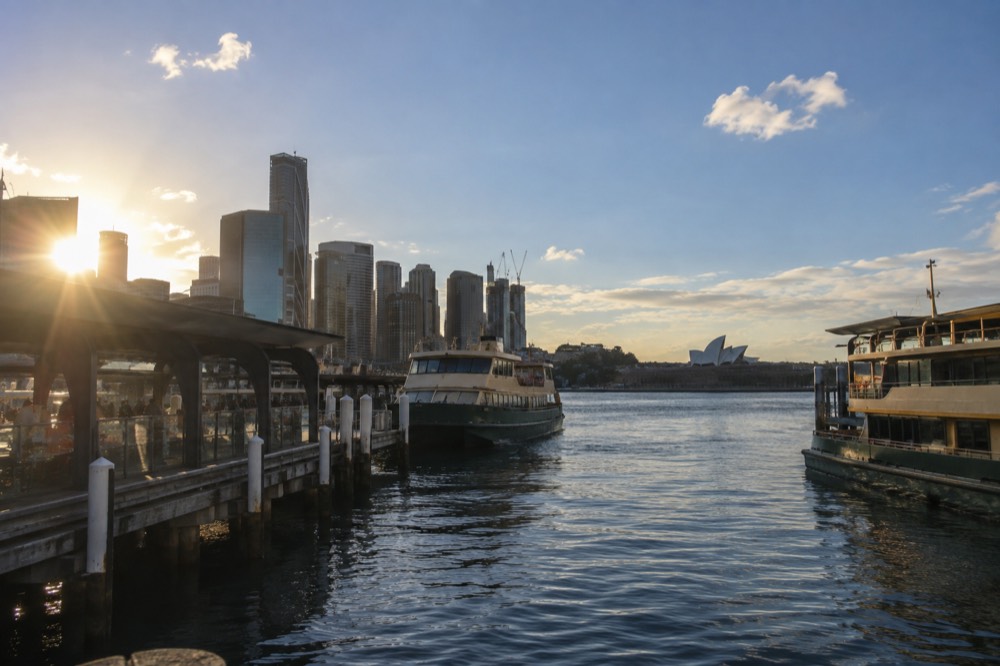
A first visit also rewards doing less than the guidebooks suggest. Sydney is spread out, the light is strong, and the walking adds up. Two anchor sights a day, one of them near water, is a better rhythm than four. If you want a fuller framework, our Sydney for first-timers guide breaks the city into a day-by-day plan, and the things to do in Sydney page covers the full range when you are ready to go deeper.
How Should a First-timer Spend Day One?
Day one belongs to the harbour. Start at Circular Quay early, before the crowds, walk west through The Rocks, then east along the Opera House forecourt into the Royal Botanic Garden, which is free to enter and open from 7am to sunset. Finish at Mrs Macquarie's Point for the classic view of the Opera House against the bridge, then catch an afternoon ferry to Manly. That single day gives you the three postcard views without a single ticketed attraction.
The reason this route works is geometry. Circular Quay sits at the bottom of the city's main street grid, The Rocks is immediately west, the Opera House immediately east, and the garden runs from there along the water to Mrs Macquarie's Point. It is roughly two kilometres of walking, almost all of it flat, almost all of it with the harbour in view.
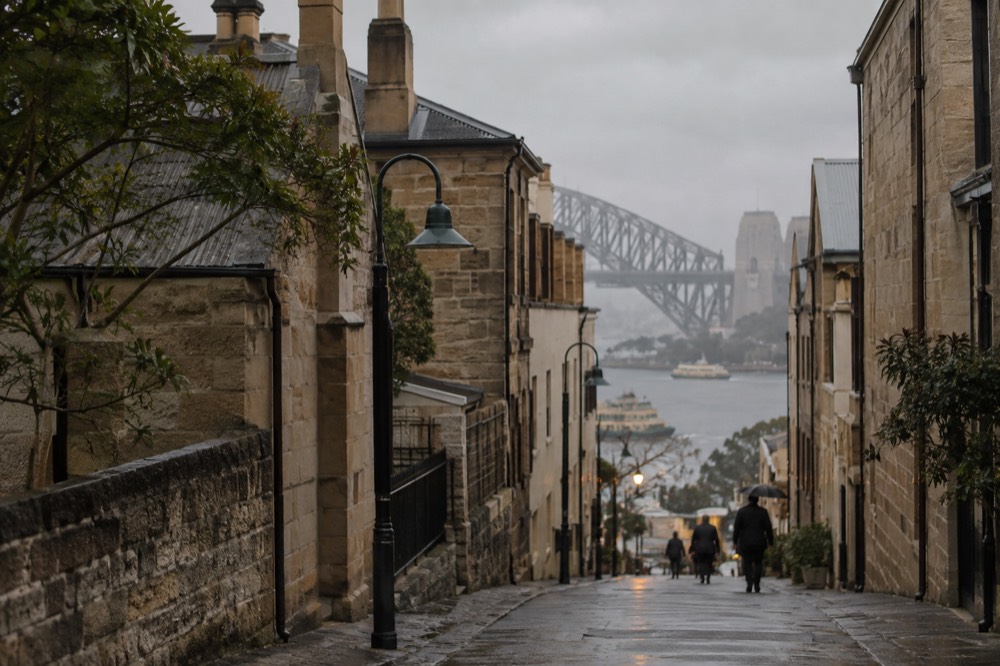
The Rocks is worth more than a walk-through. It is the oldest European-settled part of the city, and a guided walking tour of The Rocks or a simple wander through its laneways fills an hour easily. The weekend markets are good; the weekday mornings are quieter.
Here is how a sensible first day stacks up:
| Time | Where | What you are doing |
|---|---|---|
| 8-9:30am | Circular Quay and The Rocks | Coffee, laneways, harbour views before the crowds |
| 9:30-11am | Opera House forecourt | Photos, exterior, optional interior tour |
| 11am-1pm | Royal Botanic Garden to Mrs Macquarie's Point | Free entry, waterfront walk, the classic view |
| 1-2pm | Lunch near the Quay or in the garden | Picnic or casual counter food |
| 2:30-4:30pm | Ferry to Manly and back | The cheapest sightseeing in Sydney |
| Evening | Dinner in the city or by the water | Recover, plan day two |
If a first day on foot sounds like too much structure, the hop-on hop-off bus covers the same ground with commentary, and it is the one product we would point a nervous first-timer at.
Which Sydney Attractions Should You Actually Book?
Book three things at most, and book the Opera House tour, a harbour cruise and BridgeClimb in that order of value. The Opera House tour runs about an hour and explains a building you otherwise only photograph; the cruise gives you the skyline from the water; BridgeClimb is a splurge at around three hours total. Almost everything else a first-timer wants, the garden, the Australian Museum, the Art Gallery of New South Wales, the ferry rides, is free or cheap and needs no booking at all.
The free list is genuinely strong. The Royal Botanic Garden charges nothing, the Australian Museum's general entry is free, and the Art Gallery of New South Wales is free too, open daily 10am to 5pm and until 10pm on Wednesdays, which is an under-used evening option. A first-timer who books nothing at all still gets a full city.
The bus option deserves a specific word. The Sydney and Bondi hop-on hop-off bus links Circular Quay, Darling Harbour, Kings Cross and Bondi with running commentary, and for a first day or two it doubles as transport and orientation. It does not replace the ferries, which are better value per dollar, but it explains the city's shape faster than a map does.
For the paid attractions, the practical split looks like this:
| Attraction | Book ahead? | Why |
|---|---|---|
| Opera House tour | Yes | Sessions fill; pricing is dynamic by date |
| Harbour cruise | Yes for sunset | Sunset sessions sell out first |
| BridgeClimb | Yes, well ahead | Limited climb times, weather-dependent |
| Taronga Zoo | Online, not at the gate | Online tickets are roughly 10% cheaper |
| Garden, museums, galleries | No | Free general entry, no timed ticket |
Should You Climb the Bridge or Just Walk Across It?
Walk across first, climb only if the budget allows. The pedestrian walkway on the eastern side of the Sydney Harbour Bridge is free and gives you the height, the harbour and the Opera House view for nothing. BridgeClimb adds a guided ascent over the arch, about three hours all up, and it is superb, but it costs serious money. A first-timer on a normal budget gets 90% of the experience from the free walk and the Pylon Lookout.
The free walkway is entered from near The Rocks on the city side and from Milsons Point on the North Shore, and the whole crossing is about 1.5 kilometres. Most people turn around at the southern pylon. If you keep going you land at Kirribilli, where the view back at the city skyline from Luna Park's waterfront is one of Sydney's quietest payoffs.
What Is the Best Way to Get Around Sydney?
Use an Opal card or contactless bank card on trains, ferries, buses, light rail and the metro, and never buy single-trip tickets. Contactless payment is charged exactly the same as an adult Opal card and earns the same caps: A$19.30 a day Monday to Thursday, A$9.65 a day Friday to Sunday and public holidays, and A$50 a week. The one trap is the airport: the station access fee sits outside every cap and is charged on top of the fare.
That is the whole system in one paragraph. Tap on, tap off, and the caps do the accounting. Public holidays are the cheapest days to travel widely because they get the A$9.65 cap, the same as a weekend. Transport for NSW publishes the full adult fare and cap details, and it is the one transport page worth bookmarking before you arrive.
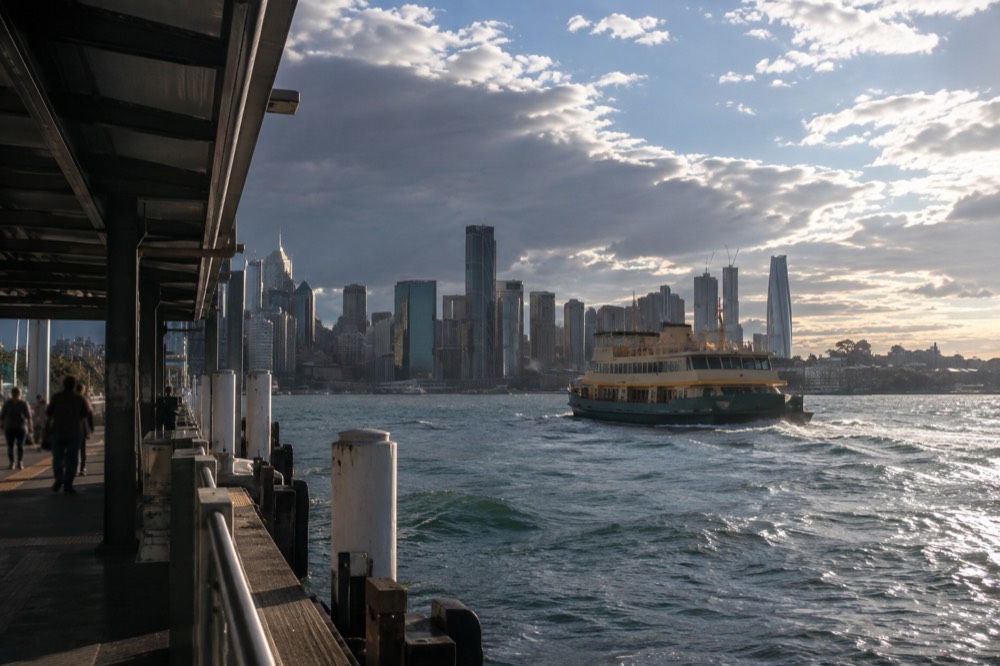
The ferries are the part first-timers underuse. The F1 to Manly is a 30-minute crossing that doubles as a harbour cruise, and the Manly ferry guide covers the routes and timing in detail. One warning from the verified fare rules: the privately run Manly Fast Ferry accepts Opal through OpalPay but does not honour the caps or transfer discounts, so check which vessel you are boarding.
You do not need a car in the city, and parking is expensive enough that a hire car actively hurts a first visit. If day trips are on your list, the train reaches the Blue Mountains, and our guide to day trips from Sydney without a car lists what is realistic on rail.
When Is the Best Time of Year for a First Visit?
Sydney is visitable year-round, but the sweet spots are October to November and March to April, when the weather is warm, the crowds are thinner and the water is still swimmable. Summer, December to February, is peak season and statistically the cloudiest time of year, which surprises almost everyone. Winter, June to August, is mild by northern standards, with mean maximums around 16 to 18 degrees Celsius, and it is the clearest-skied season of all.
That last point is the one worth planning around. The Bureau of Meteorology's long-term record for Sydney shows June as the city's wettest month, 133.1 mm on average, wetter than any summer month, while August has the most clear days of the year, 13.4 on average, and February the fewest, 5.3. The full climate normals table is published station by station, and Sydney's numbers upend the "endless summer" assumption.
| Period | Feel | First-timer verdict |
|---|---|---|
| Dec-Feb | Hot, humid, peak crowds, cloudiest skies | Great energy, book everything early |
| Mar-Apr | Warm, calmer, water still swimmable | Best overall balance |
| May-Jul | Mild, wettest in June, quietest | Cheapest, pack a rain layer |
| Aug-Sep | Coolest but clearest skies | Underrated for photography |
| Oct-Nov | Warm and lively, pre-peak | Second-best window |
If whales are on the list, the season runs May to November along the NSW coast, with the southern migration, mothers and calves closer to shore, peaking from August. The whale watching in Sydney guide covers vantage points from land, which cost nothing.
What Mistakes Do First-timers Make in Sydney?
The big five: staying only in the CBD and never taking a ferry, assuming summer is the best season, swimming outside the red and yellow flags, listing the August Bank Holiday as a public holiday when it is not, and showing up to Bondi at midday in high summer expecting space. Each of these is avoidable with one piece of local knowledge, and each one is documented in official sources rather than traveller folklore.
The flags matter most. Surf Life Saving Australia's own safety reporting records that every coastal drowning in its most recent national report occurred outside the flags, outside patrol hours, or at unpatrolled beaches. Bondi, Bronte, Tamarama, Coogee and Manly are patrolled year-round by council lifeguards, which most visitors assume never happens outside summer. Swim between the flags, during patrol hours, and the ocean is a different proposition. The official rip advice is to stay calm, raise an arm and call for help, and float with the current rather than fighting it.
The Bank Holiday point sounds trivial until it costs you a plan. The first Monday in August is listed on the NSW public holidays page but applies only to banks and certain financial institutions. Shops, attractions and transport run normally, so do not build a "public holiday" around it.
And Bondi at midday in January is a crush. Go early, or go in the afternoon, or take the coastal walk towards Bronte and Tamarama and let the Bondi Beach guide steer you to the quieter edges.
The last mistake is treating Sydney as a checklist. The city's best hours are the unstructured ones: a ferry with no destination, the garden at 7am, a long breakfast in Surry Hills or Newtown. Book the three things worth booking, then let the harbour do the rest. That is the whole strategy behind Sydney Travel Guide: fewer fixed plans, better ones.
Common Questions About Sydney for First Timers
What to do in Sydney for first timers?
Build the trip around the harbour: Circular Quay, The Rocks, the Opera House, the Royal Botanic Garden, a ferry to Manly and half a day at Bondi. Book an Opera House tour, a harbour cruise and BridgeClimb ahead, and leave the rest of each day open.
How many days does a first-timer need in Sydney?
Four days is the comfortable minimum: one for the harbour core, one for beaches and the coastal walk, one for a ferry-and-zoo or Manly day, and one spare for weather or a day trip. Three days works if you are disciplined; two is rushed.
Is Sydney expensive for first-time visitors?
The transport is cheap thanks to Opal caps, and the headline free list is strong: the Royal Botanic Garden, the Australian Museum's general entry and the Art Gallery of New South Wales all cost nothing. Paid tours and BridgeClimb are where the budget goes.
Do first-timers need a car in Sydney?
No. Trains, ferries, buses, light rail and the metro cover the city, and the caps keep costs predictable. A car adds parking costs and CBD congestion. Hire one only for specific regional day trips.
Can you swim at Sydney beaches in winter?
Yes, but cold water and limited patrols apply. Bondi, Bronte, Tamarama, Coogee and Manly keep year-round council lifeguards, and the ocean pools at Bronte and North Bondi are free alternatives. Always swim between the red and yellow flags during patrol hours.