What Is the Best Day Trip from Sydney?
The Blue Mountains is the best day trip from Sydney for most visitors, and here is how it compares against the Hunter Valley, Port Stephens, Jervis Bay and the Royal National Park.
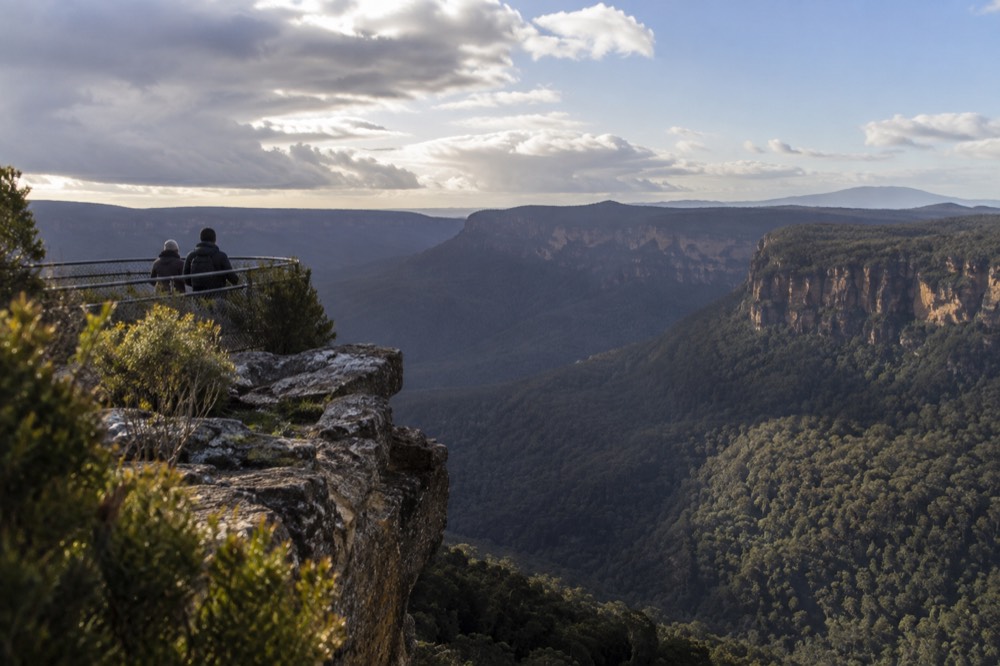
Sydney sits inside a ring of world-class day trips: sandstone escarpments, wine country, dolphin water and a national park that predates the word "national". The problem is never finding something to do with a spare day. It is choosing.
What Is the Best Day Trip from Sydney?
For most visitors, the Blue Mountains is the best day trip from Sydney. It packs the continent's most accessible wilderness, a private scenic railway, wildlife parks and the Three Sisters into a single, well-serviced day, and the national park itself charges no entry fee outside the Glenbrook area. A guided all-inclusive tour from the city runs about 10 hours and removes the need for a car entirely.
The case is partly logistics. Katoomba is on the suburban train network, so the mountains work whether you drive, ride a tour coach or catch a train from Central. The Blue Mountains day trip guide covers the full mechanics, but the short version is this: no other Sydney day trip combines scenery of this calibre with transport this simple.
The other contenders are strong, and one of them may genuinely suit you better. The Hunter Valley is the pick for food and wine, Port Stephens for dolphins and sand dunes, Jervis Bay for a white-sand beach day, and the Royal National Park for a cheaper, quieter, self-guided escape. This article compares all five honestly, then tells you what the best version of the winning trip actually includes.
Why the Blue Mountains Beats the Alternatives for One Day
The Blue Mountains wins on density: lookouts, waterfalls, a scenic railway and a wildlife park all sit within about 20 minutes of each other around Katoomba, so a single day can hold four or five genuinely different experiences. Rivals spread their highlights across wider areas, which means more driving and less doing. It is also the only headline trip where the park entry itself costs nothing outside Glenbrook.
Consider what a day actually looks like. In the mountains you can stand at a clifftop lookout in the morning, ride the world's steepest passenger railway at Scenic World before lunch, hand-feed a kangaroo at Featherdale in the afternoon and still be back at Circular Quay for dinner. The Scenic World guide explains what a ticket includes; note that Scenic World is a separate private operator and is ticketed, while the surrounding national park is not.
The counterargument is crowds. Katoomba is the most visited corner of the mountains, and Echo Point can feel like a coach park by late morning. The fix is timing: go early, go with a guide who knows the quieter lookouts, or base yourself in Leura, which the Leura or Katoomba comparison covers in detail. A good tour earns its price here precisely because it routes you around the bottlenecks.
There is also a seasonal wrinkle most guides miss. The Blue Mountains sits roughly 1,000 metres above sea level, so winter mornings are genuinely cold and summer days are cooler than the coast. That cuts both ways: December heat that makes coastal trips oppressive is comfortable up top, while an unprepared June visit in a T-shirt is miserable. Check the forecast for the mountains, not for Sydney.
How the Other Big Day Trips Compare
The Hunter Valley suits food and wine lovers, Port Stephens suits families chasing dolphins, Jervis Bay suits beach purists, and the Royal National Park suits walkers and budget travellers. None of them matches the Blue Mountains for variety in one day, but each is the better choice for a specific kind of traveller, and two of them are effectively unworkable without a car or tour.
| Day trip | Best for | Getting there | The honest catch |
|---|---|---|---|
| Blue Mountains | Scenery, lookouts, wildlife, all weathers | Train to Katoomba, coach tour, or drive | Crowds at Echo Point mid-morning |
| Hunter Valley | Wine, food, couples | Tour or drive; no direct train | Tasting means someone else drives |
| Port Stephens | Dolphins, sand dunes, families | Tour or drive, about half a day each way | Longest transit of the group |
| Jervis Bay | White sand, clear water, snorkelling | Tour or drive; a long day at 12 hours | Beach weather dependent |
| Royal National Park | Coastal walks, budget day, swimming | Train plus ferry link, or drive | Fewer headline sights |
The Royal National Park is the sleeper pick. It is the second-oldest national park in the world, entry costs $12 per vehicle per day, and walkers arriving on foot or by train pay no vehicle fee at all. The Figure Eight Pool and Wattamolla are the highlights, but the park's coastal track is a full-day walk, so it rewards a different kind of visitor than the mountains do.
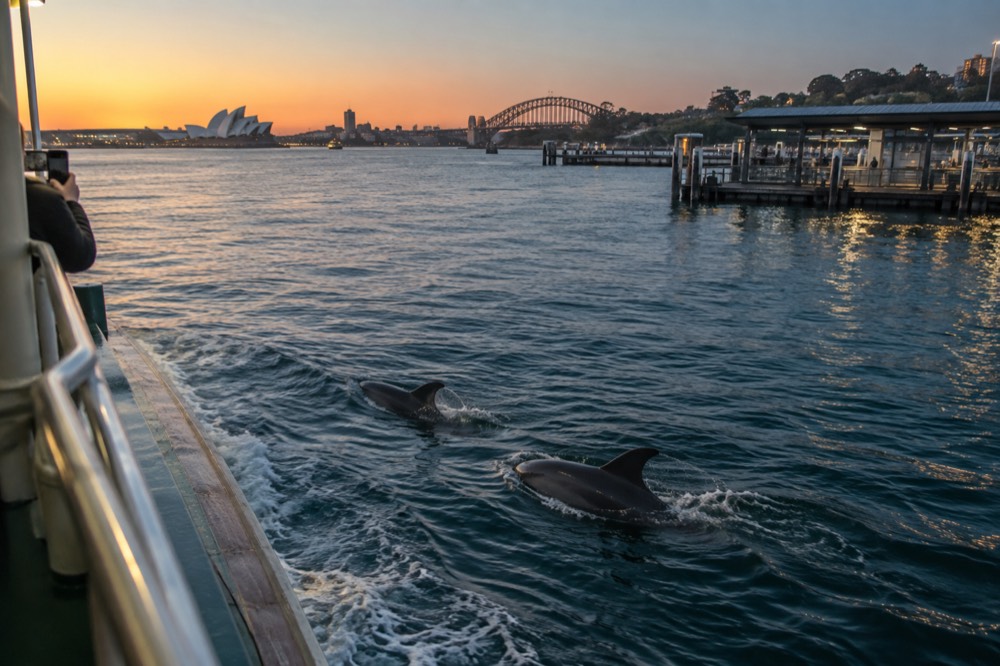
Port Stephens and Jervis Bay share one problem: distance. Both are 12-hour days by tour, which some travellers love and others regret. The Port Stephens day trip guide and the Jervis Bay day trip guide break down what those long transit hours buy you. If dolphins are the goal, the Port Stephens cruise is the more reliable sighting; if the beach is the goal, Jervis Bay's sand is the one people fly across the world for.
What the Best Blue Mountains Tour Actually Includes
The strongest single-day option is an all-inclusive small-group tour with a local guide, which bundles transport, lookout stops, Scenic World and Featherdale Wildlife Park into one booking of about 10 hours. All-inclusive matters here: the mountains' headline experiences are separately ticketed, and a "cheap" tour that excludes them can end up costing more once you buy every entry yourself.
The Blue Mountains Best All Inclusive day trip is the roster's flagship for this route, and its review base is one of the largest of any Sydney product. A local guide changes the day more than most visitors expect: the mountains' best lookouts are the ones a coach cannot reach, and the guide's commentary on bushfire, ecology and the region's walking-track history is the difference between seeing the Blue Mountains and understanding them.
Two practical notes from the verified facts file. First, the Blue Mountains National Park charges a vehicle fee only in the Glenbrook area, $8 per day; Katoomba, Blackheath, Wentworth Falls and the Three Sisters carry no park entry fee at all, so a tour's headline price is not hiding a park charge. Second, the mountains have active track and road closures into late 2026, including Mount Hay Road and the Jenolan Karst Conservation Reserve, so check the NPWS alerts before planning any [self-drive](https://discovercars.tpk.ro/FvKIyzXW) add-on like Jenolan Caves.
If you would rather not pay for a guide at all, the train-and-DIY version works: the Blue Mountains by train question covers the rail option, and the half-day feasibility question answers whether a compressed visit is realistic. It is, but you trade away most of the waterfalls and all of the wildlife stops.
How Much Does a Day Trip from Sydney Cost?
A self-guided Blue Mountains day by train is the cheapest headline trip: park entry is free outside Glenbrook, and contactless card fares on Sydney trains earn the same caps and discounts as an Opal card, with a weekly cap of $50. Guided all-inclusive tours cost more up front but pre-pay the Scenic World and wildlife entries that a cheap day would otherwise add separately.
| Cost item | Typical figure | Notes |
|---|---|---|
| Blue Mountains NP vehicle entry | $8 per day | Glenbrook area only; free elsewhere |
| Royal National Park vehicle entry | $12 per day | Free on foot, by bike or by train |
| Opal/contactless daily cap | $9.65 Fri-Sun and public holidays | $19.30 Mon-Thu; $50 weekly cap |
| Off-peak train discount | 30% | Fridays, weekends, public holidays, off-peak weekdays |
| Scenic World entry | Dynamic pricing | Separate private operator, ticketed separately |
The transport arithmetic favours Fridays, weekends and public holidays, when the 30% off-peak discount applies and the daily cap drops to $9.65. A public holiday is quietly the cheapest day to travel widely in Sydney, and Transport for NSW publishes the full fare and cap details if you want to run the numbers for your exact dates.
One trap worth naming: the ferry network is where visitors most often misjudge costs. Public Sydney Ferries accept Opal with full benefits, but the privately operated Manly Fast Ferry accepts the card through OpalPay, where fares differ and the caps do not apply. The Opal card guide covers this in full, and it matters if your day trip starts with a harbour crossing.
When Each Day Trip Is at Its Best
The Blue Mountains works year-round but is at its best in autumn and spring; whale-based trips only exist from May to November; the Hunter Valley peaks in harvest season; and the coastal walks are best avoided on days after heavy rain, when Beachwatch advises staying out of ocean water for up to a day and harbour sites for up to three. Match the month to the trip and the ranking changes.
Seasonality is where bad recommendations come from. A February visitor sent to a Katoomba lookout is standing in Sydney's statistically cloudiest month, with a long-run average of just 5.3 clear days, while an August visitor gets the clearest skies of the entire year at 13.4 clear days on average. The Bureau of Meteorology's Sydney climate normals hold this counterintuitive pattern: peak summer is the cloudiest time of year in Sydney.
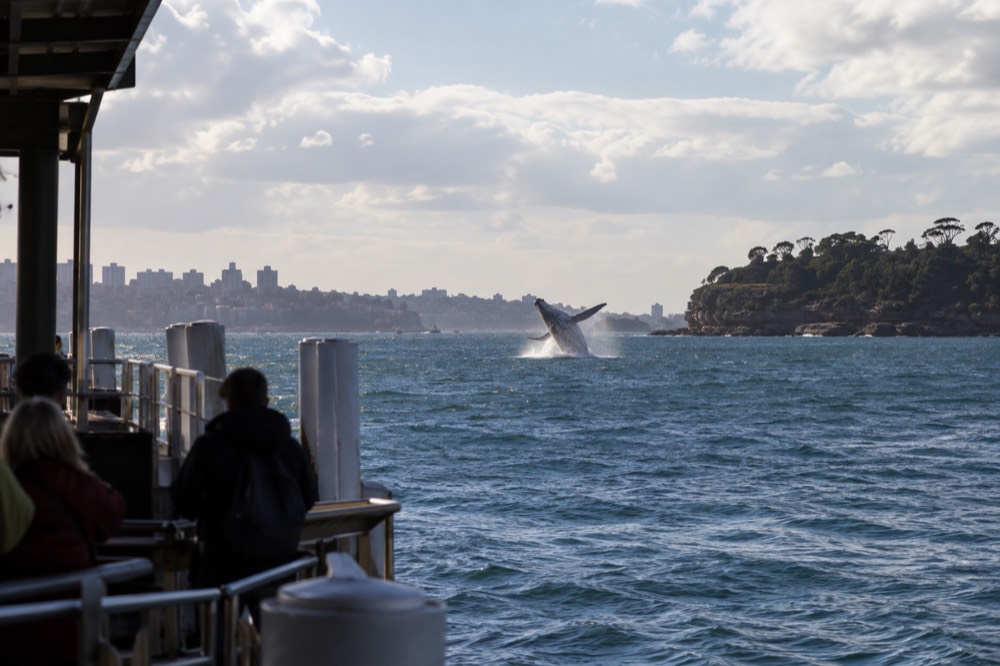
For whale-focused trips the calendar is non-negotiable. The NSW whale season runs May to November, with the northern migration roughly May to July and the southern migration, when mothers and calves travel closer to shore, from August to November. No whale product should be booked outside that window, and no sighting is ever guaranteed. The whale watching guide covers the land-based vantage points too, which cost nothing.
Beach days have their own rule. The official Beachwatch advice is to stay out of the water while it rains and for up to one day after heavy rain at ocean beaches, and up to three days at harbour and estuarine swim sites, because stormwater runoff degrades water quality. A Jervis Bay day booked blindly for a random summer Saturday can be a wasted 12 hours; check the live Beachwatch grades before you commit.
The Verdict, by Traveller Type
Pick the Blue Mountains if you want the most memorable single day, the Hunter Valley if the day is about lunch, Port Stephens for dolphins with kids, Jervis Bay for the beach itself, and the Royal National Park if you are walking or on a tight budget. If you only get one day trip from Sydney, make it the mountains, and make it an all-inclusive tour unless you specifically enjoy logistics.
The deciding factors are simple. Travellers without a car should rule out Port Stephens and Jervis Bay as self-guided options and lean on tours. Travellers visiting December to February should weigh the cloud statistics against their itinerary. Travellers with children should weigh the wildlife stops of a mountains tour against the dolphin cruise. And travellers on a strict budget should look at the Royal National Park by train, which delivers a national-park day for the price of a train fare.
For everything else, the full day trips from Sydney index covers more than a dozen options, including the car-free and train-only variations. This site, Sydney Travel Guide, keeps the cost and closure details on every one of those pages current.
Common Questions About the Best Day Trip from Sydney
What is the best day trip from Sydney?
The Blue Mountains, for most visitors. It combines lookouts, Scenic World, a wildlife park and easy train access in a single day, and the national park charges no entry fee outside the Glenbrook area. An all-inclusive guided tour runs about 10 hours from the city.
Can you do the Blue Mountains as a day trip without a tour?
Yes. Trains run to Katoomba, the lookouts around Echo Point and Leura are walkable or a short bus ride apart, and park entry is free outside Glenbrook. You trade away the wildlife park and some waterfalls unless you move fast, and you should check NPWS alerts for track closures before you go.
Is the Hunter Valley or the Blue Mountains better for one day?
The Blue Mountains for scenery and variety, the Hunter Valley if the day is really about food and wine. The Hunter Valley has no direct train line, so it is a tour-or-drive destination, and tasting means someone else should be driving.
What is the cheapest day trip from Sydney?
The Royal National Park by train. Vehicle entry is $12 per day but free for walkers and train arrivals, and contactless train fares earn the same caps as an Opal card, with a $9.65 daily cap on Fridays, weekends and public holidays.
Which day trips from Sydney need a car?
Port Stephens and Jervis Bay are effectively car-or-tour destinations; both are roughly 12-hour tour days. The Blue Mountains, the Royal National Park and the Central Coast all have workable train alternatives, and the car-free day trips guide lists more.
What is the best day trip from Sydney in winter?
The Blue Mountains, with a coat. August is Sydney's clearest month on the long-run record, winter is whale season for the coastal trips, and the mountains' cold mornings are a feature rather than a flaw if you dress for them.