Is It Better to Stay in Leura or Katoomba?
Leura or Katoomba: which Blue Mountains town should you book a bed in? A plain comparison of atmosphere, transport, food and walking access for overnight visitors.
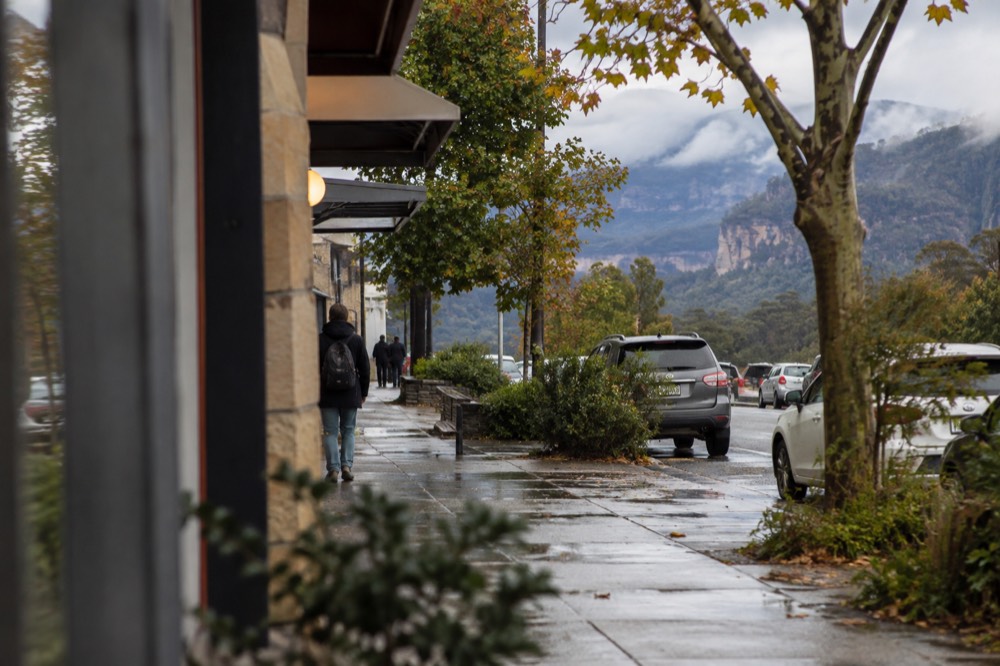
Most visitors to the Blue Mountains arrive, look, and leave the same day. The ones who stay overnight face the first real decision of the trip: Leura or Katoomba. The two towns are neighbours on the same railway line, roughly ten minutes apart, and both sit on the edge of the same sandstone plateau. But they feel different after dark, and the difference matters more on a two-night stay than a two-hour stop.
Is It Better to Stay in Leura or Katoomba?
Katoomba is the better base if you want the famous sights, the train station and the widest choice of places to eat within walking distance. Leura is better if you want a quieter village atmosphere, prettier gardens and a slower pace, at the cost of fewer dinner options. Many travellers split the difference: sleep in Leura, spend the day in Katoomba, and ride the train between them.
The honest answer depends on one thing above all: whether you have a car. Both towns sit on the Blue Mountains Line out of Central, so neither is hard to reach without one. But Katoomba's attraction cluster, the Three Sisters lookout at Echo Point, Scenic World, and the start of several walking tracks, is denser around its town centre. Leura spreads its charms out along a longer, leafier main street.
What's the Difference Between the Two Towns?
Katoomba is the Blue Mountains' service hub: the biggest town, the most accommodation, the tour departures, and the lookouts everyone photographs. Leura is the garden village one stop down the line, smaller and quieter, with antique shops, a famous sweet shop and cottage-style B&Bs. Katoomba has grit and scale; Leura has polish and calm.
Katoomba grew around coal and tourism in the nineteenth century, and it still carries both legacies. The town centre has a rough-edged charm: op shops, a cinema that has run for decades, pubs with open fires, and a food scene that punches above its size. Echo Point, the Three Sisters viewing platform, sits about two kilometres south of the station, walkable in half an hour or reachable on the town's bus loop. Scenic World, with its cableway and railway down into the Jamison Valley, is a separate private attraction in the same area, and it is ticketed separately from anything the national park charges.
Leura, by contrast, feels curated. Its mall is lined with cherry trees that flower in spring, its side streets hide heritage cottages, and its gardens, several of which open to the public in season, are a genuine draw. Leura Cascades, a short drive or a stiff walk from the village, gives you water and fern gullies without the crowds at Echo Point. The trade-off is simple: fewer restaurants, earlier closing times, and a shorter list of things to do once the day-trippers have gone home.
Here is how the practical details stack up:
| Factor | Katoomba | Leura |
|---|---|---|
| Train station | Major stop, most services | Smaller stop, all-stations services |
| Marquee sights | Three Sisters, Echo Point, Scenic World | Leura Cascades, gardens, village mall |
| Eating out | Widest range, including late options | Cafes and a handful of restaurants, earlier close |
| Nightlife | Pubs with fireplaces, a cinema | Very quiet after dark |
| Accommodation | Large supply, all budgets | B&Bs, guesthouses, cottages |
| Overall feel | Busy, functional, sight-focused | Village calm, garden-focused |
If your Blue Mountains plan is built around the postcard sights, Katoomba keeps your walking and transit time short. If it is built around unwinding, Leura wins on atmosphere. Our Katoomba and the Three Sisters guide covers the sight cluster in detail, and the Blue Mountains day trip from Sydney page shows what the standard visit looks like.
If you would rather not choose a base at all, a guided day trip covers both towns and the valley views in one long day:
Where Should You Stay Without a Car?
Stay in Katoomba if you are car-free. It has the denser bus network, the tour pick-up points, and the walkable cluster of lookouts, and most organised Blue Mountains experiences depart from there. Leura is workable without a car, and its station puts you on the same line, but you will lean harder on taxis and your own feet.
The Blue Mountains Line is the spine of car-free travel in the region, and Transport NSW's trip planner is the reliable way to check times and fares for the run up from Central. Both towns sit on it, so neither strands you. The difference is what happens after you step off the train. Katoomba's attractions cluster close enough to the station that a visitor on foot can reach Echo Point, the cliff-top Prince Henry Cliff walk toward Leura, and a full dinner circuit without ever needing a vehicle.
Leura's highlights sit further apart. The village mall is a short walk from the station, but Leura Cascades and the gardens are not, and the local bus coverage is thinner. A car-free traveller in Leura either books [accommodation](https://booking.tpk.ro/ndznHj9h) within walking distance of the mall or budgets for taxis.
One quiet advantage Leura does hold: the Prince Henry Cliff walk links the two towns along the escarpment, so a fit walker can sleep in either and reach the other on foot in a couple of hours with valley views the whole way. Our day trips from Sydney without a car guide places the whole region in that context.
For travellers who want the mountains handled end to end, the all-inclusive guided day trip is the strongest car-free option, since it removes the timetable question entirely:
That same tour also solves the other problem an overnight stay creates: what to do with your luggage and your last morning. Check-out times in mountain guesthouses tend to sit around 10am, while the comfortable train back to Central leaves you with several hours to fill. A guided departure from Sydney flips the whole structure, putting you back in the city by evening with the escarpment, the waterfalls and the valley lookouts already covered.
Which Town Is Better in Winter?
Both are genuine winter towns, and Katoomba is the better winter base because its pubs, restaurants and indoor options cluster around the station, which matters when the temperature drops and the fog rolls in. Leura in winter is beautiful but sleepy, and its smaller dining scene closes earlier on cold weeknights.
The Blue Mountains sit roughly a thousand metres above sea level, which is why winter here feels like a different country from Sydney's coast. Fires in pubs, mist through the valley, and the chance of frost on the cottage lawns are the appeal. Katoomba serves that mood better simply because it has more warm rooms to be in. The town's older pubs trade heavily on the winter trade, and the cinema gives you a wet-weather option Leura lacks.
Winter is also, counterintuitively, a strong season for views. The long-term climate record for the region's nearest Sydney station shows August with the most clear days of any month on the books, and July ranks second. The mountains' famous fog is real, but the idea that winter means grey skies every day is not supported by the data. June is the wettest month in the long-run averages, so pack for rain in early winter and expect crisper, clearer air as August arrives.
Can You See Both Towns in One Stay?
Yes, easily. The train between Katoomba and Leura takes a few minutes, the cliff walk links them on foot, and most overnight visitors end up seeing both regardless of where they sleep. Book whichever town has the accommodation you like and treat the other as a short excursion rather than a separate trip.
The practical pattern most travellers land on: one or two nights in either town, with the first day given to Katoomba's lookouts and Scenic World, and a slower second morning in Leura's mall, cafes and gardens before the train home. Direction matters little; the line runs through both. If you are walking the cliff track between them, the Katoomba-to-Leura direction puts the valley on your left the whole way, which most photographers prefer for morning light.
A note on the national park itself: there is no entry fee for the walking tracks, lookouts and picnic areas around either town, so the only costs you cannot avoid are transport, food and bed. The one exception for drivers is the Glenbrook entrance at the bottom of the mountains, at $8 per vehicle, which the NSW National Parks fee page documents alongside every other fee-collecting park in the state. Track and road closures do shift through the year, so it is worth checking live alerts before locking in a walking plan.
If a single day is all you have, the guided all-inclusive option remains the most efficient way to see the region's highlights without any of the timetable arithmetic:
Planning a wider NSW trip? The team behind this Sydney Travel Guide covers the coast, the city and the mountains in separate guides.
Common Questions About Staying in Leura or Katoomba
Is it better to stay in Leura or Katoomba?
Stay in Katoomba for the sights, the station and the food choice; stay in Leura for a quieter, prettier village base. The train between them takes minutes, so the decision is about mood and accommodation rather than access.
Is Leura walkable from the train station?
The village mall and its cafes are a short walk from Leura station. The cascades and the gardens are further out, so a car-free visitor should either book near the mall or plan on taxis.
Do you need a car to stay overnight in the Blue Mountains?
No. Both towns sit on the Blue Mountains Line from Central, and Katoomba in particular clusters its lookouts, walks and dining within reach of the station. A car adds flexibility at Leura but is not required.
Is there an entry fee for Blue Mountains National Park?
Not around Katoomba or Leura. The only place a vehicle pays is the Glenbrook area, at $8 per vehicle per day. Scenic World, inside Katoomba, is a separate private attraction with its own ticketing.
Which town has better restaurants?
Katoomba, on range and opening hours alone. Leura's dining is lovely but smaller and closes earlier, especially midweek and in the cooler months.