What Is 1 Hour Away from Sydney?
Places within about an hour of Sydney: harbour beaches, national parks, the Blue Mountains edge and the Northern Beaches, with fares, entry fees and how to reach each without a car.
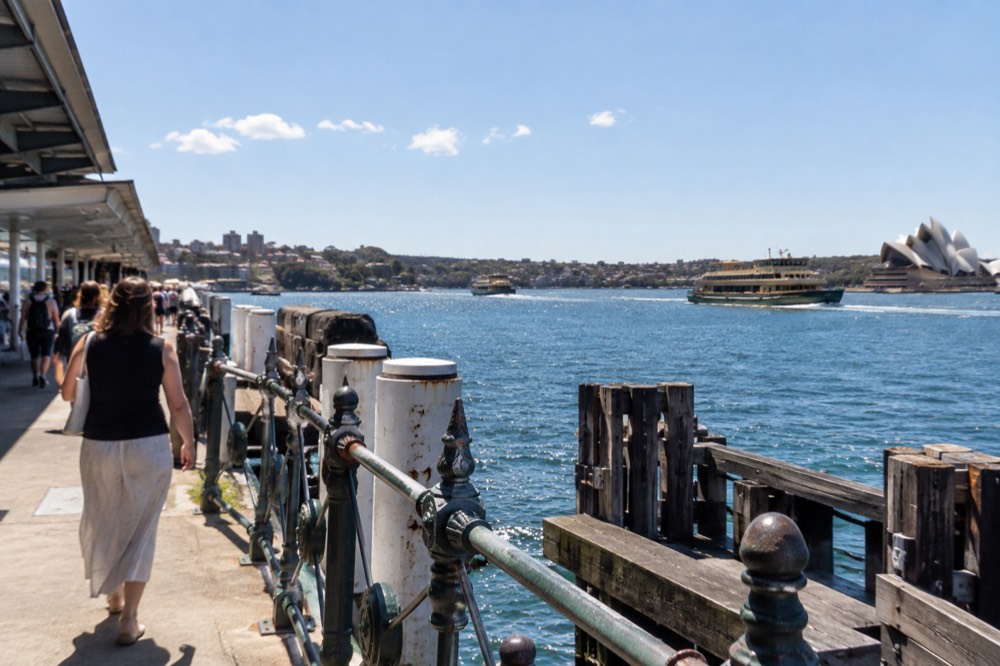
Sydney is unusual among big cities in how quickly the built-up part of it gives way to ocean, bush and sandstone country. Within about an hour of the CBD you can stand on a patrolled surf beach, walk through a Royal National Park rainforest gully, ride a ferry across open harbour water, or watch the sun drop behind the Blue Mountains escarpment. The city's own transport network, Opal, covers most of it, which means a day out an hour from town often costs less than a dinner back in it.
What Is 1 Hour Away from Sydney?
Within about an hour of Sydney you can reach Manly and Palm Beach to the north, Bondi, Coogee and Cronulla along the coast, the Royal National Park and Ku-ring-gai Chase National Park on either side of the city, and the foothills of the Blue Mountains to the west. Most of these sit on the Opal network, so a train or ferry, capped at $19.30 a day on weekdays and $9.65 from Friday to Sunday, gets you there without a car.
That answer covers a lot of ground, so the rest of this page breaks it into the three directions people actually travel: the water, the bush, and the mountains. Each section lists what is genuinely there, what it costs to enter where an entry cost exists, and the transport fact that matters most for that trip.
One framing note before the detail. "One hour" is a rough promise, not a guarantee. Peak traffic on a Friday afternoon can double a drive time, and some of the places below are an hour by train but forty minutes by car, or the reverse. Where a hard, sourced figure exists, such as an Opal fare or a park entry fee, it is given plainly. Where it does not, the honest answer is to plan against the timetable rather than the map.
Which Beaches and Ferry Destinations Are About an Hour Out?
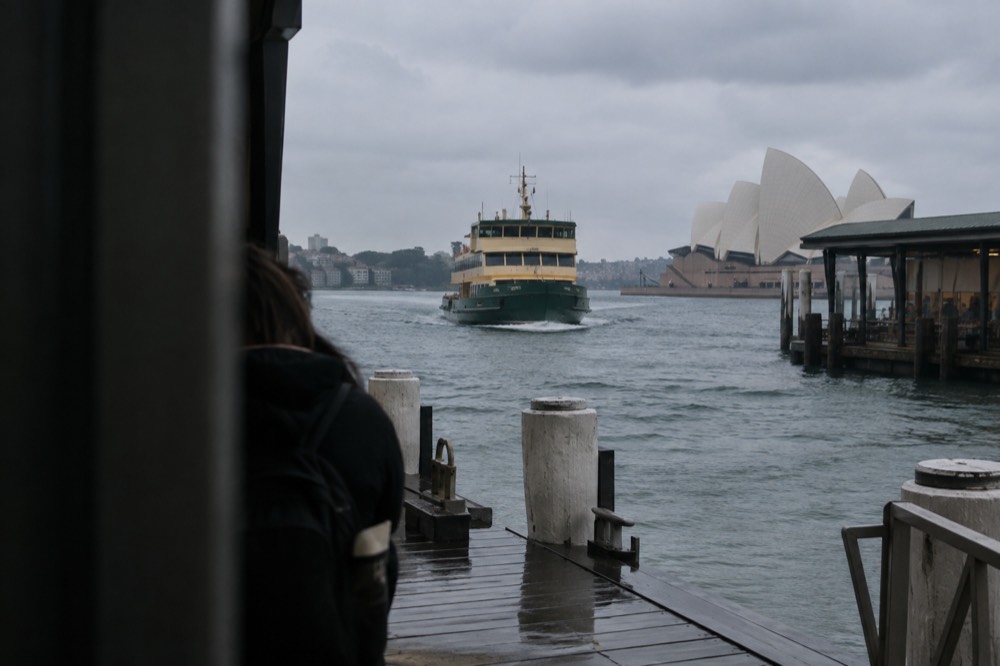
Manly, Palm Beach, Bondi, Coogee and Cronulla are the headline coastal destinations within roughly an hour of central Sydney, and every one of them is reachable by public transport. The Manly ferry is the best known of the lot: a one-way adult fare of $9.20 on the Opal network, crossing open harbour water to a beach the council lifeguards patrol all year. Bondi and Coogee sit on train and bus corridors and are likewise patrolled year-round.
The ferry to Manly deserves its reputation. It is a genuine harbour crossing rather than a harbour lap, and the F1 route charges the 9 km-plus ferry band fare of $9.20 one way for an adult, with no off-peak discount on ferries. Once you are there, Manly is one of the small number of Sydney beaches patrolled by council lifeguards every day of the year, along with Bondi, Bronte, Tamarama, Coogee and, since around May 2026, Dee Why. If you are swimming anywhere on this coast, the rule that matters is the one Surf Life Saving repeats constantly: swim between the red and yellow flags, during patrol hours. The official advice on rips, published at beachsafe.org.au, is to stay calm, raise an arm and call for help, and float with the current rather than fighting it.
Palm Beach, at the top of the Northern Beaches peninsula, is the classic "hour out of town" destination: a thin spit of sand between the ocean and Pittwater, with a lighthouse walk above it. Most Northern Beaches beyond Manly run volunteer and council patrols from late September to late April, so outside those months the flags are not necessarily up. The council's own beach pages are the place to check before you swim.
Cronulla, to the south, is the only Sydney surf beach with a train station essentially on the sand, which makes it the easiest beach day trip of all for a visitor without a car. Professional lifeguards patrol the main Cronulla beaches roughly September to April.
For a swim with far less to think about, the coast's ocean pools are the safer alternative. Waverley Council maintains two free ones, the Bronte Ocean Pool and the North Bondi Children's Pool. Bondi Icebergs, the famous 50-metre pool at the south end of Bondi, is a separate club-run pool and is not free. All ocean pools can close in big swell.
If the harbour itself is the destination rather than the road to one, a sunset cruise is the simplest way to see the whole city frame in a single hour. The Sydney Harbour sunset catamaran cruise is a one-hour run that fits neatly at the end of a day spent further afield, and the sightseeing version, the Sydney Harbour Sightseeing Cruise, runs morning and afternoon departures at a lower entry price.
Between them those three options bracket the whole "hour from Sydney" idea: a one-hour harbour cruise that never leaves the water, a full-day Blue Mountains tour for the biggest scenery within reach, and an Opera House tour for the day you stay in town. Most visitors end up doing some mix of all three.
The fare side of the beach question is worth a table, because the Opal system is distance-banded and the bands make more sense laid out than described.
| Opal adult fare | Peak | Off-peak |
|---|---|---|
| Train/metro, 0-10 km | $4.33 | $3.03 |
| Train/metro, 10-20 km | $5.38 | $3.76 |
| Train/metro, 20-35 km | $6.20 | $4.34 |
| Bus/light rail, 0-3 km | $3.30 | $2.31 |
| Bus/light rail, 3-8 km | $4.49 | $3.14 |
| Ferry, 0-9 km | $7.35 | no off-peak discount |
| Ferry, 9 km and over | $9.20 | no off-peak discount |
Fares and caps are set by the annual NSW fare determination, so treat these as the 2026 fare year's figures rather than permanent prices. The daily cap, $19.30 Monday to Thursday and $9.65 Friday to Sunday, is the number that matters most on a big day out: once you hit it, further trips that day are free. Full band tables are published by Transport for NSW.
What National Parks Can You Reach Within the Hour?
The Royal National Park to the south and Ku-ring-gai Chase National Park to the north are both within about an hour of the Sydney CBD, and vehicle entry costs $12 per day at each. Sydney Harbour National Park sits even closer, with small site fees of $5 to $8 at North Head and Bradleys Head. Arriving by train or on foot avoids the vehicle fee at almost every one of them.
The Royal National Park is the one most visitors mean when they talk about an hour out of Sydney. It holds the Coast Track, Wattamolla's lagoon-and-surf combination, and the Audley boatsheds on the Hacking River. The park charges $12 per vehicle per day, a figure confirmed on the National Parks and Wildlife Service fee page, and vehicles over eight seats pay $4.40 per adult and $2.20 per child instead. The detail that saves most visitors money: the fee is per vehicle, so a train to Otford or Waterfall and a walk in from the station costs nothing at the gate.
Ku-ring-gai Chase, on the northern side, is the quieter sibling: sandstone bays on West Head, Aboriginal engravings, and the ferry-friendly access points around Bobbin Head. It carries the same $12 per vehicle per day fee. Land-based whale watching between May and November is possible from headlands in both parks, and NSW National Parks publishes the migration detail: humpbacks head north roughly May to July and return with calves roughly August to November, with the peak around late June and July.
Sydney Harbour National Park is the one you can reach without really travelling at all. North Head charges $5 per vehicle per day and Bradleys Head $8, both confirmed on the NPWS fee-collecting parks page linked from nationalparks.nsw.gov.au. Chowder Bay is charged hourly between 8am and 10pm.
| Park | Vehicle entry fee | Notes |
|---|---|---|
| Royal National Park | $12 per day | $4.40/adult for 8+ seat vehicles |
| Ku-ring-gai Chase National Park | $12 per day | Free on foot or by train |
| Sydney Harbour NP: North Head | $5 per day | Closest to the CBD |
| Sydney Harbour NP: Bradleys Head | $8 per day | Harbour-side picnic areas |
| Blue Mountains NP (Glenbrook only) | $8 per day | Free everywhere else in the park |
That last row is the surprise worth flagging. The Blue Mountains National Park charges a vehicle fee only in the Glenbrook area, at the eastern foot of the mountains. Katoomba, Blackheath, Wentworth Falls and the Three Sisters carry no park entry fee at all, a fact that catches out visitors who budget for one. If you want the full picture of the mountains, the Blue Mountains day trip guide covers the train option, the lookouts and the tour comparison in detail.
Is the Blue Mountains Within an Hour of Sydney?
The foothills of the Blue Mountains are within about an hour of Sydney by car, but the main sightseeing towns of Katoomba and Leura sit a little beyond that, and the train from Central takes longer again. The payoff is the biggest scenery within day-trip range of the city: the Three Sisters, the Scenic World rides and the Jamison Valley lookouts. A day tour with a local guide is the simplest way to compress all of it into one outing.
The honest version of this answer is that the Blue Mountains is a "one hour" destination only at its eastern edge. Glenbrook and Blaxland are genuinely close, but the escarpment views everyone comes for are further up. That does not make it a bad day trip; it makes it a full-day one. The all-inclusive Blue Mountains tour with a local guide runs about ten hours door to door and carries one of the strongest review bases on the whole Sydney roster, which tells you the long day is not a deterrent. Everything else covered here is indexed on Sydney Travel Guide.
Two closures matter if you are planning a [self-drive](https://discovercars.tpk.ro/FvKIyzXW) version into late 2026: Mount Hay Road is closed for upgrades until around mid-December 2026, and the Jenolan Karst Conservation Reserve is closed until 31 December 2026. The live NPWS alerts page is the only reliable source for track and road status, because the list moves.
If a ten-hour mountain day sounds like more than your trip has room for, the middle option is to keep the hour honest and stay on the water instead. The sunset catamaran cruise below is a one-hour sail that gives you the harbour, the Bridge and the Opera House silhouette without leaving town at all.
Between the mountains and the harbour there is a third direction worth a paragraph: the west. Parramatta is within the hour by train or ferry, and the F3 Parramatta River route is one of the most under-rated ferry rides in the network, trading the open harbour for mangrove-lined riverbanks. The Parramatta guide covers what is there once you arrive, including the new Powerhouse precinct.
What About the Weather When You Head Out?
Check the month before you commit to a day an hour out, because Sydney's rainfall pattern is the opposite of what most visitors expect: June is the wettest month on the long-run averages at 133.1 mm, wetter than any summer month, while August has the most clear days of the year. The Bureau of Meteorology's Observatory Hill record shows the annual mean maximum at 21.8 °C, and rain on about 99.5 days a year.
That June figure is the single most useful planning fact on this page. Peak tourist season, December through February, is statistically the cloudiest stretch of the Sydney year, with February averaging just 5.3 clear days, while the middle of winter, July and August, averages 12.0 and 13.4 clear days respectively. Winter days are shorter, with June down at 5.5 hours of mean daily sunshine, but the skies themselves are clearer. A Blue Mountains lookout day in August has a better clear-sky chance than the same day in February, and the Sydney weather month by month guide lays out the full table.
The other weather fact that changes a beach day: after heavy rain, stay out of the water for up to one day at ocean beaches and up to three days at harbour and estuarine swim sites. That is the official Beachwatch advice, and it is the difference between a good swim and a bad one after a storm.
UV is the year-round one. Protection is advised whenever the index hits 3 or above, Sydney passes that threshold for most of the year, and summer readings reach extreme levels. A hat and sunscreen belong in the bag in every season, including a winter bushwalk.
How Do You Choose Between the Directions?
Pick the water if you want the cheapest and easiest day, the bush if you want the quietest one, and the mountains if you want the biggest scenery and can give it a full day. Ferry and train destinations cap your transport cost at the Opal daily cap, the national parks cost $12 per vehicle or nothing on foot, and the mountains are free to enter outside Glenbrook. The only genuinely expensive option is a guided tour, and even those are priced from, not fixed.
A rough decision rule by traveller type: families tend to do best on the ferry-and-beach combination, because Manly or Cronulla delivers surf, sand and a boat ride in one capped-fare day. Walkers get more from the Royal National Park or the Bondi to Coogee stretch, both of which are free to walk and patrolled at the swimming end. Photographers and first-timers get the most from either the mountains or a sunset harbour sail, because both deliver the postcard view with almost no planning load.
The day trips from Sydney without a car guide is the natural next read if transport is your constraint, and the whale watching guide matters if your trip falls between May and November.
However you split the day, the pattern that works is the same: use the capped fare network to get out, keep the swimming between the flags, and save the paid tour for the one thing you most want done properly. The trio below covers all three of those jobs at once.
Common Questions About Places 1 Hour from Sydney
What is 1 hour away from Sydney?
Manly, Palm Beach, Bondi, Coogee, Cronulla, the Royal National Park, Ku-ring-gai Chase National Park, Parramatta and the foothills of the Blue Mountains all sit within roughly an hour of the CBD. Most are on the Opal network, with daily fares capped at $19.30 Monday to Thursday and $9.65 Friday to Sunday.
Can you do a day trip without a car?
Yes. The Manly ferry, the Cronulla train, the F3 Parramatta River ferry and the trains to the Royal National Park's edge stations all run on Opal, and a contactless bank card is charged exactly the same as an Adult Opal card with the same caps. Only the Blue Mountains and Ku-ring-gai's remoter trailheads really reward driving.
Is the Blue Mountains free to enter?
The national park itself charges a vehicle fee only in the Glenbrook area, at $8 per day. Katoomba, Blackheath, Wentworth Falls and the Three Sisters carry no park entry fee. Scenic World is a separate private attraction and is ticketed separately.
Which beaches near Sydney are patrolled in winter?
Bondi, Bronte, Tamarama, Coogee and Manly are patrolled year-round by council lifeguards, and Dee Why moved to year-round patrol from around May 2026. Most other Sydney beaches patrol from late September to late April. Always swim between the red and yellow flags during patrol hours.
What is the best month for a day trip out of the city?
On the long-run averages, August is Sydney's clearest month, with 13.4 mean clear days, while June is its wettest, with 133.1 mm of mean rainfall. If your trip falls between May and November, the whale migration adds a reason to pick a coastal headland.