Madame Tussauds Sydney: Wax Museum Guide, Tickets and Tips
Madame Tussauds Sydney sits on the Darling Harbour foreshore, part of a run of Merlin attractions beside SEA LIFE Sydney Aquarium and WILD LIFE Sydney Zoo. Here is what a visit involves, how to get there, and how to decide between a single ticket and the four-attraction pass.
Short answer
Madame Tussauds Sydney is a wax figure museum on the Darling Harbour waterfront, open daily and covered by the four-attraction Sydney combo pass alongside SEA LIFE Aquarium, Sydney Tower Eye and WILD LIFE Zoo. Most visits run one to two hours. It sits next to other Darling Harbour attractions, so it works best as part of a half-day around the harbour rather than a destination on its own.
Madame Tussauds Sydney has stood on the Darling Harbour foreshore for years, one of a cluster of Merlin-owned attractions squeezed between the aquarium and the zoo on the western edge of the city. It is the sort of place that divides travellers sharply: some rank it as a fun, air-conditioned hour of photos with recognisable faces, while others walk out wondering what they just paid for. Both reactions are legitimate, and which one you have depends almost entirely on expectations and on how you buy the ticket. This guide covers what is actually inside, how long a visit takes, how the [multi-attraction pass](https://gocity.tpk.ro/rUvgw2vS) changes the maths, and how to fold the visit into a bigger day around Darling Harbour. For wider planning, the Sydney Travel Guide homepage collects the city's main itineraries and transport explainers in one place.
What Is Madame Tussauds Sydney and Where Exactly Is It?
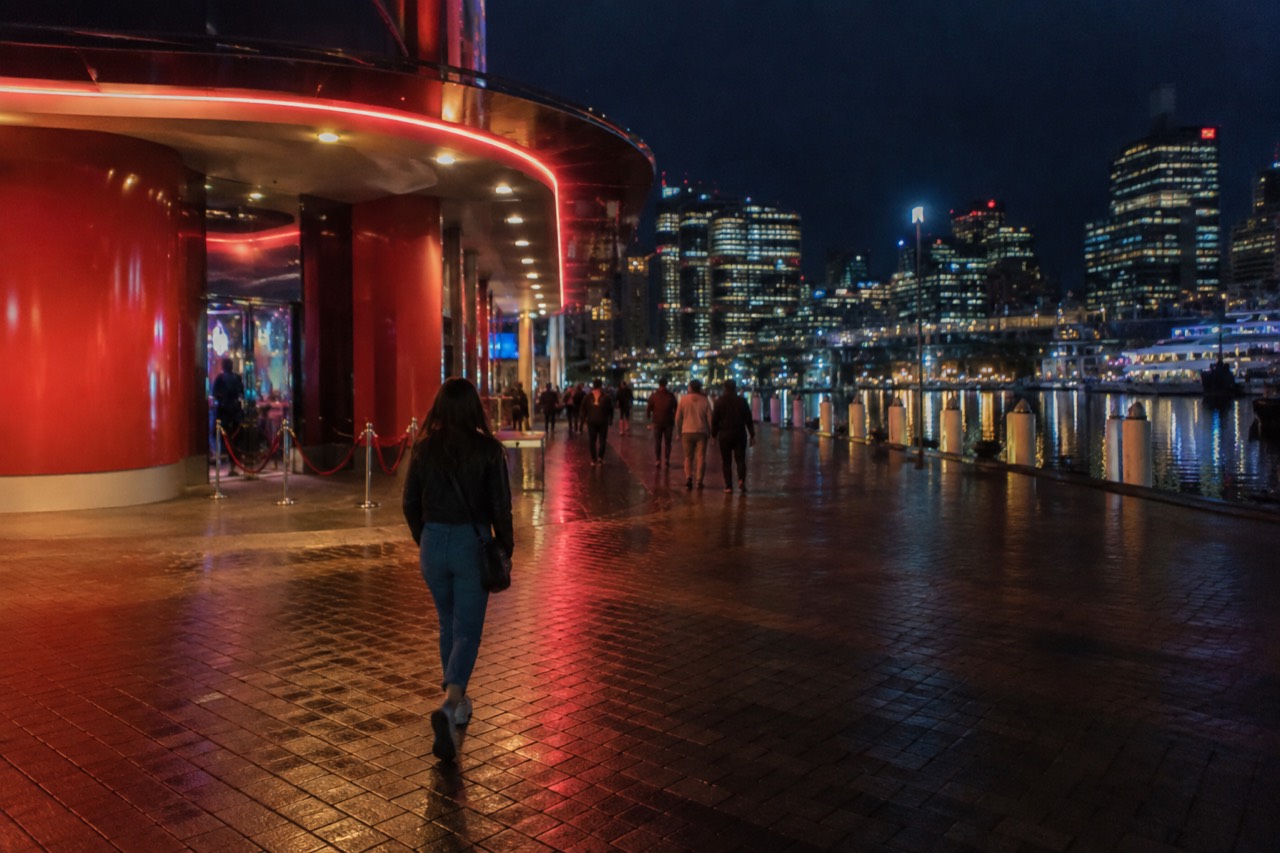
Madame Tussauds Sydney is a wax figure museum at Darling Harbour, on Aquarium Pier between SEA LIFE Sydney Aquarium and WILD LIFE Sydney Zoo. It is part of the global Madame Tussauds chain and was the first of its locations in the southern hemisphere. The museum is organised into themed zones of lifelike wax figures spanning Australian icons, film, music, sport and world history. A typical visit is short, roughly one to two hours, and it is fully indoors.
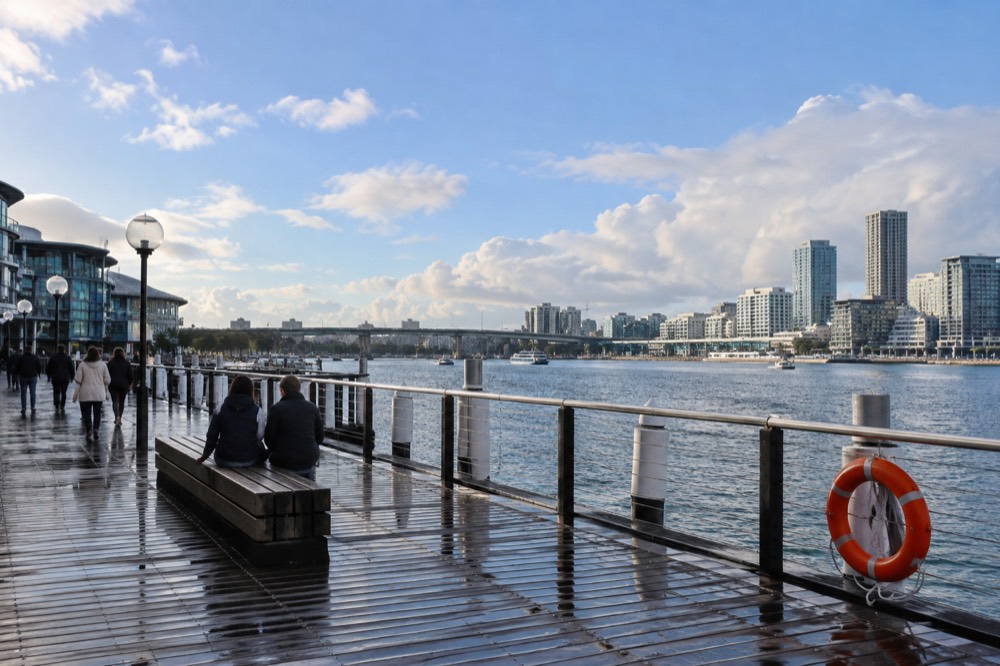
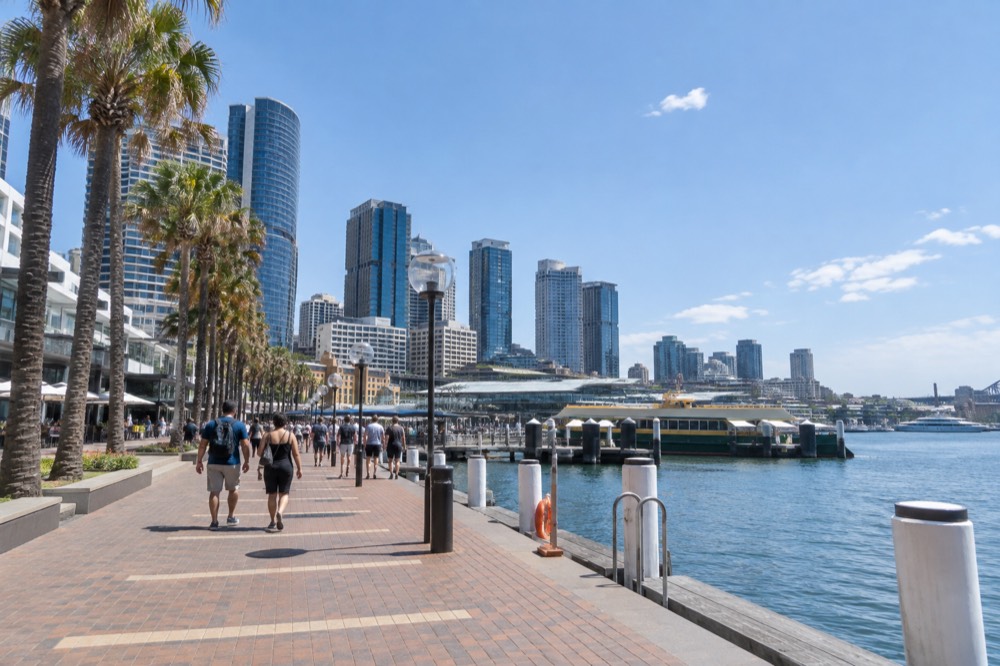
The location is the single best thing going for it. Aquarium Pier is one of the most walkable corners of Sydney: the Darling Harbour precinct wraps around it with playgrounds, water features, ferry wharves and the Chinese Garden of Friendship a few minutes away. You are a ten minute walk from Circular Quay through the Barangaroo headland park, and the Sydney CBD core sits just across the pedestrian Pyrmont Bridge. Very few Sydney attractions offer this density of neighbours.
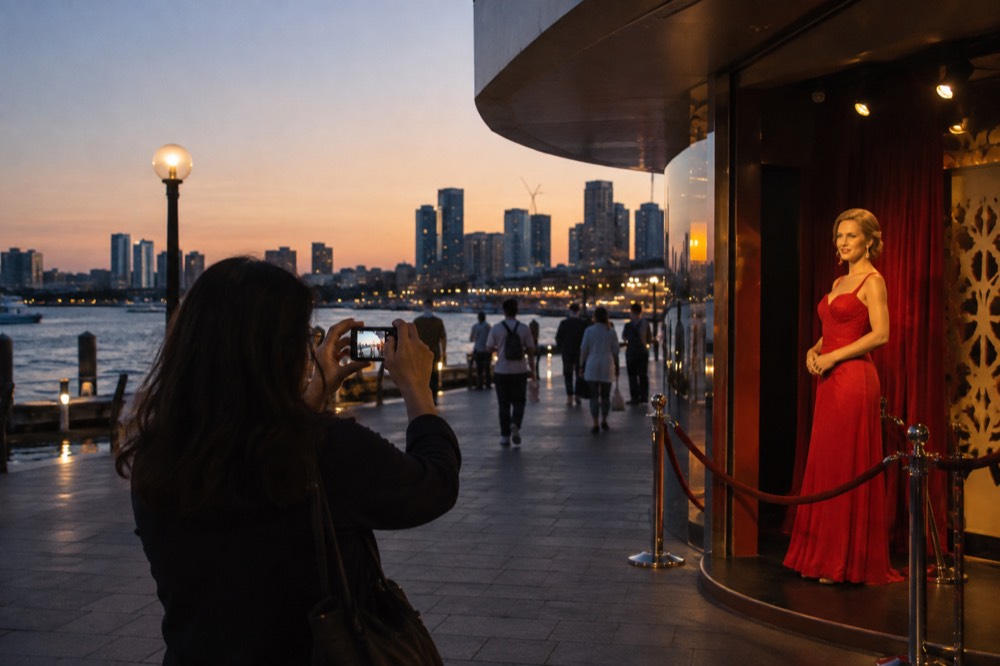
The museum itself follows the standard Madame Tussauds formula that runs from London to Singapore. Wax figures are arranged in themed zones, and unlike a traditional museum almost everything is designed to be touched, stood beside and photographed. There are no ropes keeping you a metre away from the figures; the whole point is the photo. Staff move through the rooms and will usually take a photo for you if you hand over a phone.
What Will You Actually See Inside?
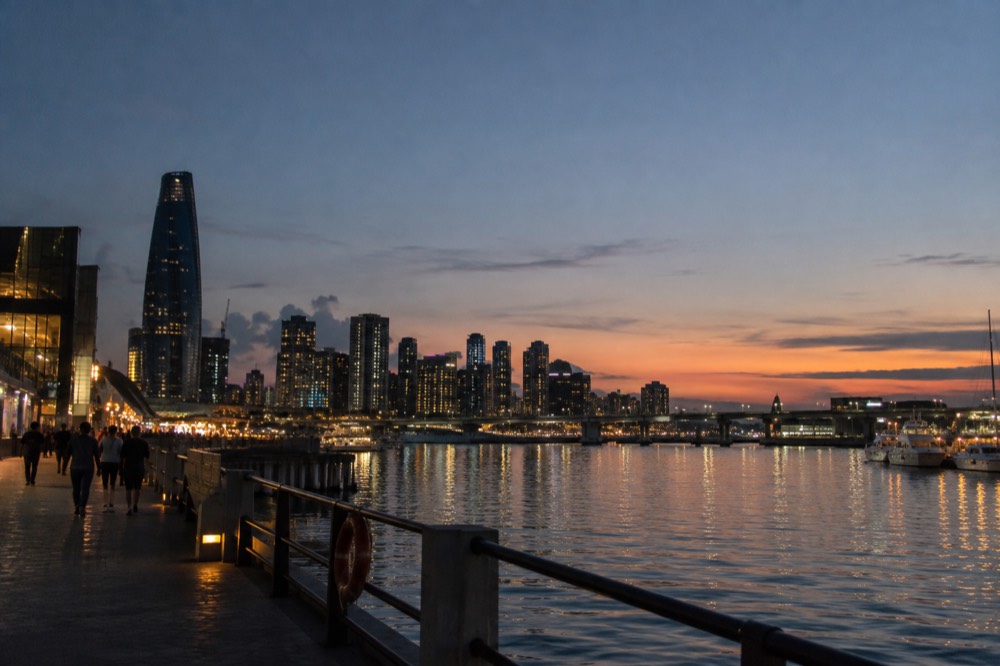
The interior is a series of themed zones of wax figures: Australian personalities and historical figures, Hollywood film characters, music stars, sportspeople and world leaders. Figures are posed without barriers so visitors can pose beside them for photos. There is also a small section on the wax sculpting process itself, showing how a figure is built from clay mould to finished head. Expect photo opportunities rather than a conventional museum experience.
The zones rotate their line-up over time, so a guide that names specific figures ages quickly and often names someone who has already been retired to storage. What stays constant is the format: a red carpet-style entrance, a run of film and music sets, an Australian-focused section that leans on the country's own public figures, and a sport zone that reliably draws the biggest queues because the poses are the most fun to copy. If you want to know who is currently on the floor, the museum's own site lists the current figure line-up, and that is the only source worth checking before you visit.
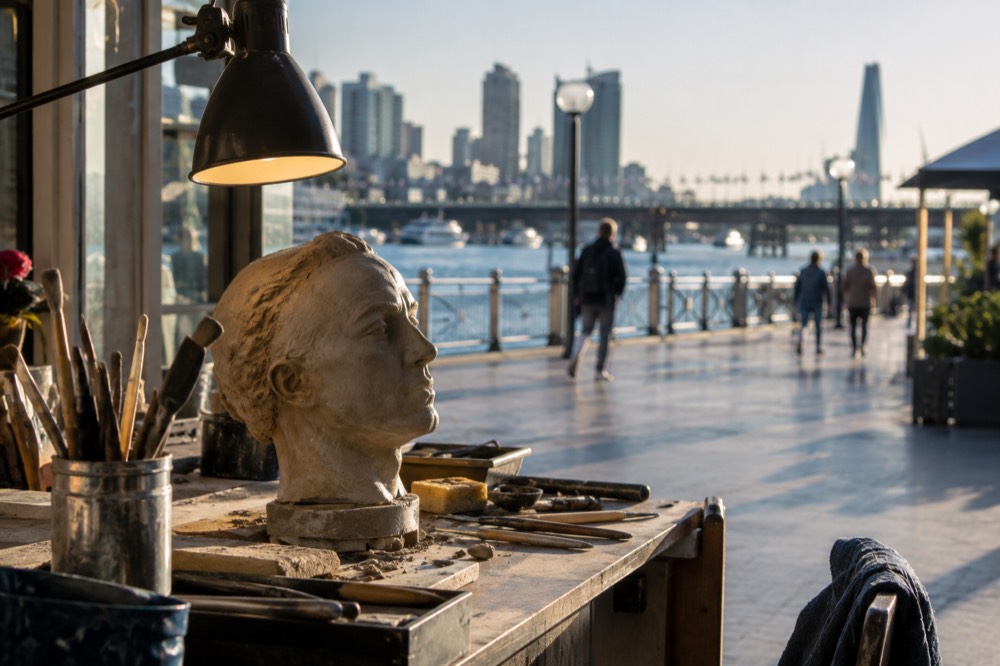
The sculpting display is the part most visitors walk past and shouldn't. It shows the stages of making a single figure: the sitting sessions where a subject's measurements are taken, the clay head, the glass eyes, the hair inserted strand by strand. A figure reportedly takes months to complete, and seeing the craft up close is what separates the museum from a simple selfie backdrop.
| Zone | What it holds | Photo appeal |
|---|---|---|
| Australian figures | Homegrown personalities, historical and current | Strongest for local visitors and overseas fans of Australian culture |
| Film and Hollywood | Movie characters on themed sets | High; the sets are built for posing |
| Music | Musicians and performers | High; instrument props often available |
| Sport | Athletes in action poses | Highest; the poses invite imitation |
| World history and leaders | Global figures across eras | Milder; more portrait-style than playful |
Families should note the content is mild. There is nothing frightening in the main zones, though younger children sometimes find the uncanny stillness of the figures unsettling for the first few minutes. Most kids adapt fast once they work out the figures are there to be posed with.
How Long Does a Visit Take, and When Is It Quiet?
Plan on 60 to 90 minutes inside, longer if everyone in your group wants a photo with every figure. The museum is open daily, and the quietest windows are weekday mornings shortly after opening and mid-afternoon on school days. Weekends, school holidays and rainy days are the busiest, and rain in particular pushes Darling Harbour's indoor attractions to capacity quickly.
Sydney's school holiday calendar matters more here than for almost any other attraction in the city, because the museum is small, indoors and aimed squarely at families. NSW school holidays run in four blocks across the year, roughly April, July, September to October and December to January, and every indoor family attraction in the city gets noticeably busier in those windows. The Sydney public holidays and school holidays guide has the current term dates if you are scheduling around them.
Rain is the other variable. June is Sydney's wettest month on average, with 133.1 mm of rain across the month according to Bureau of Meteorology normals, and a wet Saturday in any month sends families indoors en masse. If the sky is threatening, arrive at opening time or expect a queue.
How Much Do Tickets Cost, and Is the Four-attraction Pass Worth It?
Madame Tussauds Sydney uses dynamic pricing, so there is no fixed published door price: the figure depends on the date and how far ahead you book. The four-attraction combo pass bundles Madame Tussauds with SEA LIFE Sydney Aquarium, Sydney Tower Eye and WILD LIFE Sydney Zoo, and it is valid over a 30 to 60 day window rather than a single day. If you plan to visit two or more of those four, the pass is almost always the cheaper route.
That 30 to 60 day validity is the detail most visitors miss. You do not have to cram all four attractions into one exhausting day; you can do Madame Tussauds and the aquarium on a rainy Tuesday, then take the Tower Eye on a clear Thursday evening later in the same trip. That flexibility is what turns the pass from a gimmick into a genuine saving for anyone staying more than a couple of nights.
The single-ticket route suits a different traveller: someone with half a free hour at Darling Harbour, no plans for the other three sites, and no interest in a viewpoint or an aquarium. For that person the pass buys two attractions they will never use. Everyone else should run the numbers against their own itinerary, and the Sydney attraction passes compared guide does exactly that across the city's full range of passes and combo deals.
| Option | What it includes | Best for |
|---|---|---|
| Single entry, Madame Tussauds | One visit, dynamic price by date | Travellers with a spare hour at Darling Harbour only |
| Four-attraction combo pass | Madame Tussauds, SEA LIFE Sydney Aquarium, Sydney Tower Eye, WILD LIFE Sydney Zoo, valid 30 to 60 days | Anyone visiting two or more of the four sites |
| Walk-up on the day | Same entry, usually the most expensive price | Last-minute decisions only |
If the pass fits your plans, it is worth locking in before you arrive rather than at the counter, since advance pricing across Sydney's Merlin attractions is consistently lower than the walk-up rate. The Sydney Tower Eye's own pricing page states this plainly: advance adult tickets start from $29 against $39 on the day, and the same dynamic structure applies across the group's Sydney sites.
How Do You Get to Madame Tussauds Sydney?
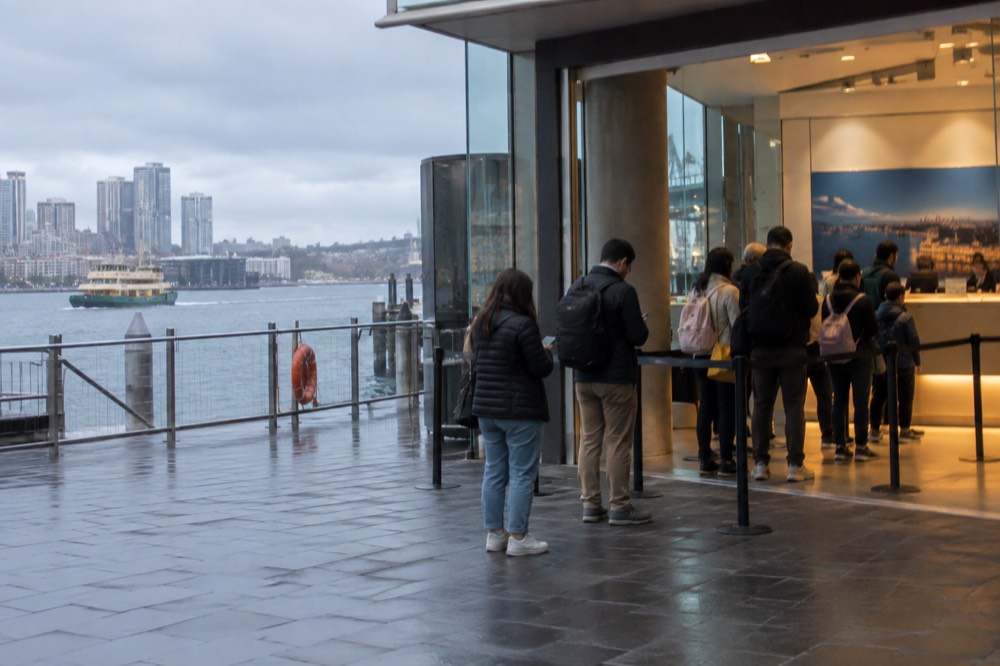
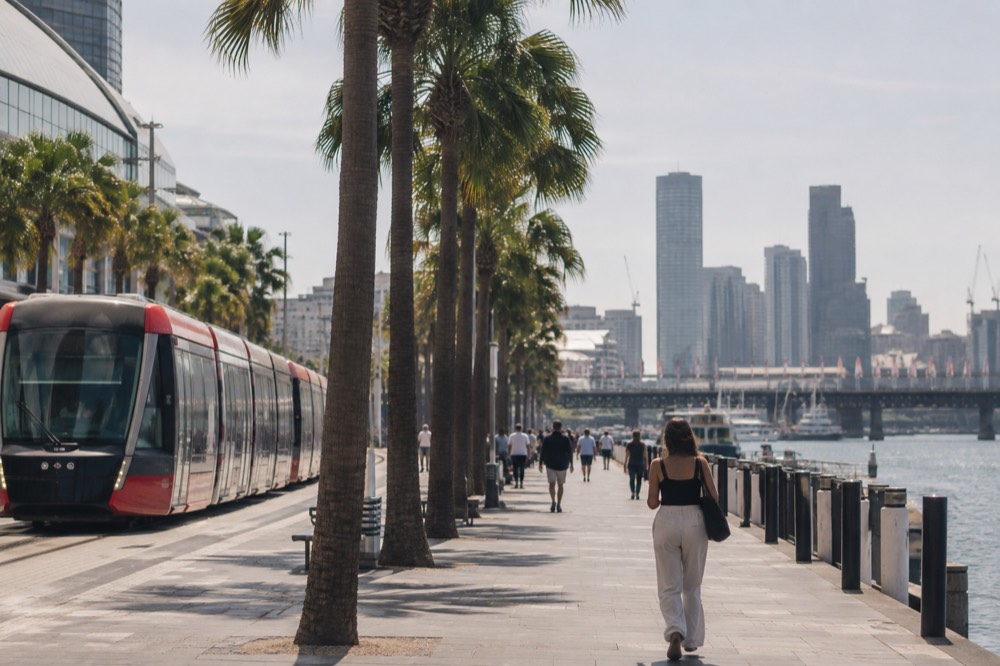
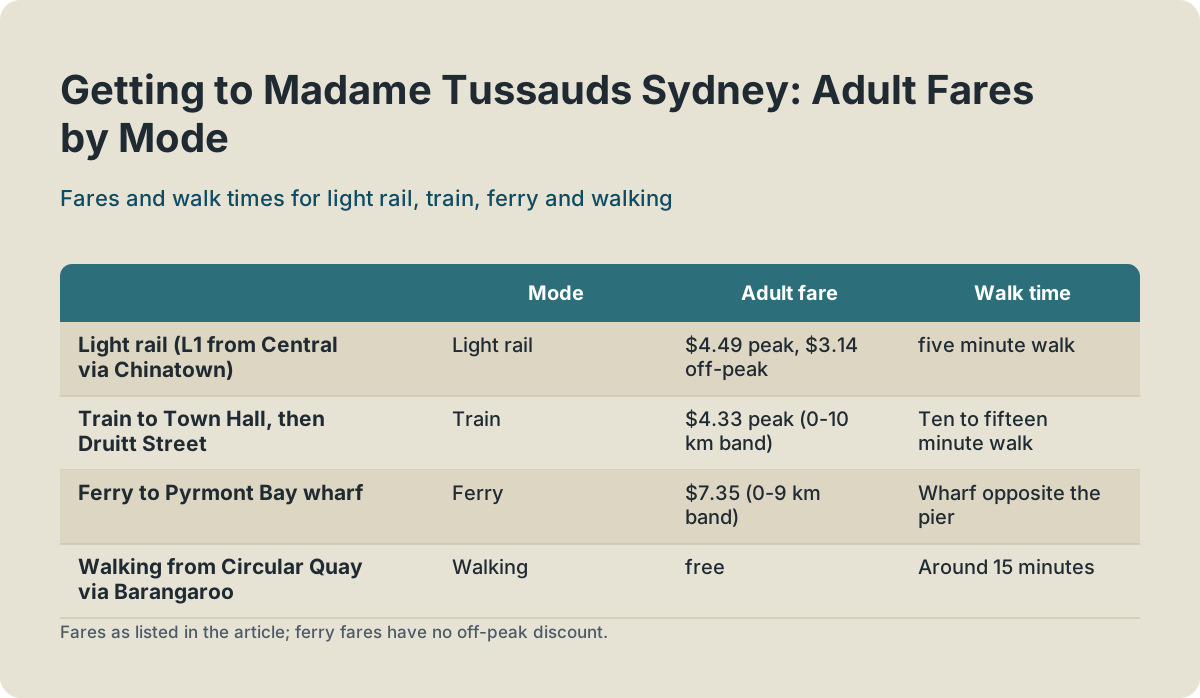
The museum is a five minute walk from the Darling Harbour light rail stops and roughly ten minutes from Town Hall station. The L1 light rail runs from Central through Chinatown to the Darling Harbour stops, the ferry network serves Pyrmont Bay and Darling Harbour wharves, and an adult light rail fare in the 3 to 8 km band costs $4.49 peak or $3.14 off-peak. Walking from the CBD is free and takes ten to fifteen minutes.
Public transport beats driving here without exception. Darling Harbour's car parks fill early on weekends and cost more than a full day of Opal-capped travel. The Sydney light rail guide covers the routes in detail, but the short version is that the L1 Dulwich Hill line stops at Convention, Exhibition and Pyrmont Bay, all within a short walk of Aquarium Pier. Tap on with a contactless card or an Opal card and you are charged the same adult fare either way, with the same daily caps; Transport for NSW's fares page publishes the current bands.
The ferry is the scenic option. Pyrmont Bay wharf sits directly opposite the museum, and the harbour ferry network connects it to Circular Quay, where the F3 Parramatta River services call in. An adult ferry fare in the 0 to 9 km band is $7.35, with no off-peak discount on ferries. It costs more than the light rail but the arrival is a great deal better looking.
| Mode | Route | Adult fare | Notes |
|---|---|---|---|
| Light rail | L1 from Central via Chinatown to Pyrmont Bay or Convention | $4.49 peak, $3.14 off-peak | Closest stops, five minute walk |
| Train | To Town Hall, then walk down Druitt Street | $4.33 peak (0-10 km band) | Ten to fifteen minute walk |
| Ferry | To Pyrmont Bay wharf | $7.35 (0-9 km band) | Wharf directly opposite the pier |
| Walking | From Circular Quay via Barangaroo | free | Around 15 minutes, harbour views the whole way |
Fares sit inside the Opal caps, so a heavy sightseeing day still tops out at $19.30 Monday to Thursday or $9.65 from Friday to Sunday. If you are only in town over a weekend, that cheaper cap applies automatically. The one trap worth knowing is spelled out in Transport for NSW's visitor payment guide: single-trip tickets bought at machines cost more and earn none of the caps or discounts, so a contactless bank card is the simplest option for a visitor who does not want to think about it.
Is Madame Tussauds Sydney Good for Kids and Families?
Yes, with caveats. The museum is aimed squarely at families: figures are touchable, poses are encouraged, and there is nothing scary in the main zones. Children under about five tend to enjoy it in short bursts, while ages six to twelve get the most out of it because they recognise the figures. The surrounding precinct is the real family win, with a free water playground, carousel and wide promenades all within two hundred metres.
The pier itself is close to a half-day family outing on its own. The Darling Harbour children's playground is one of the largest in the city, the carousel runs most days, and the Sydney with kids itinerary builds a full day around the precinct if you want a ready-made plan. In summer the water play area means packing swimmers; in winter the indoor attractions carry the day.
One honest note for parents of sensitive kids: wax figures are uncanny, and a small minority of toddlers find them genuinely distressing for the first ten minutes. The effect fades once a child touches a figure and realises it is a static object, but if your child is prone to that reaction, prep them at the entrance rather than inside the first dark zone.
Accessibility is good. The museum is on one level with lift access from the pier, wide doorways throughout and accessible toilets in the precinct immediately outside. The accessible Sydney guide covers the wider picture, but this specific site is one of the easier ones in the city for wheelchair users and prams alike.
What Else Can You Do Around Darling Harbour on the Same Day?
Plenty, and this is the strongest argument for visiting at all. Within a ten minute walk you have SEA LIFE Sydney Aquarium, WILD LIFE Sydney Zoo, the Chinese Garden of Friendship, the Maritime Museum, Pyrmont Bridge and the Barangaroo foreshore park. The Sydney Fish Market at Blackwattle Bay is a short ferry or light rail hop away. A half-day around the pier easily fills a morning and an afternoon without repeating yourself.
Pairing suggestions depend on the weather. On a clear day, walk the Barangaroo headland to Circular Quay and finish at the Sydney Opera House; on a grey one, stay indoors and let the combo pass carry you from the wax figures to the aquarium next door. The Sydney rainy day itinerary is built around exactly this precinct for that reason.
The Sydney Tower Eye is the pass's fourth leg and pairs well on a clear evening, when the observation deck's view west over the Blue Mountains is at its best. Its hours vary by season and event, so check the Sydney Tower Eye guide's linked official hours page before committing to a sunset slot.
For a bigger contrast, the all-inclusive Blue Mountains day trip is the most popular full-day tour out of the city, and it makes a natural second half of a Sydney week after the harbour-side attractions are done. It runs about ten hours with a local guide, and the Blue Mountains day trip guide covers the independent train alternative if you would rather not be on a schedule.
What Are the Best Tips for Photos and Avoiding the Queues?
Go early, go on a weekday, and let the staff take your photos. The figures are lit for cameras, so phone shots work well if you get close and shoot from the figure's eye level rather than from above. The busiest photo spots are in the sport and film zones; work the rooms in reverse order from the entrance flow and you will usually have the far zones to yourself. Weekday mornings within the first hour of opening are the reliable quiet window.
A few practical notes make a real difference to the results. The lighting in each zone is designed to flatter the figure, which means it can also flatten you: standing slightly to the side of a figure rather than square-on usually looks more natural. The glass eyes catch light, so avoid firing a flash straight into a face at close range. And the poses are half the fun; a stiff "standing next to a celebrity" shot wastes the whole premise when the set is inviting you to copy the figure's stance.
If you are visiting with the combo pass, do Madame Tussauds first on a quiet morning and save the aquarium for the busier middle of the day, since the aquarium's dark walk-through galleries absorb crowds better than the wax museum's open rooms do.
Is Madame Tussauds Sydney Worth It in the End?
It is worth it as part of a Darling Harbour half-day or with the four-attraction pass, and weaker as a standalone destination. As a single full-price ticket with a queue, it is an expensive 90 minutes. Bundled with the aquarium, the Tower Eye and WILD LIFE Zoo over a longer window, or folded into a family morning with the playground and the ferry, it earns its place. Set expectations correctly: this is a photo attraction, not a museum.
The honest summary is that the museum is exactly what it claims to be and nothing more. Travellers who enjoy it arrive knowing it is 90 minutes of posing with wax figures, budget for that, and leave with a camera roll full of jokes. Travellers who leave disappointed usually expected a deeper experience, or paid a walk-up price for a visit that took less time than the journey there. Buy it as part of a plan, not as an impulse, and the plan holds up.
For a first visit to the city with limited time, the 1 day in Sydney and 2 days in Sydney itineraries place Darling Harbour in context against the Opera House, the Harbour Bridge and the beaches, which is the right way to decide how much of your trip this precinct deserves.
Common Questions About Madame Tussauds Sydney
How long does Madame Tussauds Sydney take?
Plan on 60 to 90 minutes for a relaxed visit with photos. If everyone in your group wants a picture with every figure, budget closer to two hours. It is a compact single-level museum, so there is no way to stretch it much beyond that.
Is Madame Tussauds Sydney included in the Sydney attractions pass?
Yes. The four-attraction combo pass covers Madame Tussauds, SEA LIFE Sydney Aquarium, Sydney Tower Eye and WILD LIFE Sydney Zoo, and it is valid over a 30 to 60 day window rather than a single day, so you can spread the four visits across your trip.
Where is Madame Tussauds Sydney located?
On Aquarium Pier at Darling Harbour, between SEA LIFE Sydney Aquarium and WILD LIFE Sydney Zoo. It is a five minute walk from the Pyrmont Bay or Convention light rail stops, ten minutes from Town Hall station, and directly opposite Pyrmont Bay ferry wharf.
Can you touch the wax figures at Madame Tussauds Sydney?
Yes, posing with and touching the figures is the whole design of the museum. There are no ropes around the displays. Staff circulate through the zones and will usually take a photo on your phone if you ask.
Is Madame Tussauds Sydney good for young children?
Generally yes. Children from around six to twelve get the most out of it because they recognise the figures. A small minority of toddlers find the lifelike stillness unsettling at first, so it helps to prepare them at the entrance before the first dark zone.
When is Madame Tussauds Sydney busiest?
Weekends, NSW school holidays and rainy days. June is Sydney's wettest month on average and rainy weekends push Darling Harbour's indoor attractions to capacity quickly. Weekday mornings within the first hour of opening are the reliable quiet window.