What to Do in Sydney Not Touristy?
A local-leaning answer to what to do in Sydney not touristy: the neighbourhoods, free harbourside spots, quiet swim sites and day trips most visitors never reach.
What to Do in Sydney Not Touristy?
The honest answer is to trade the postcard strip for the neighbourhoods around it: spend a morning in the Royal Botanic Garden Sydney, which is free, walk Glebe or Newtown instead of the CBD, swim at an ocean pool rather than the most photographed beach, and use the ferry network as your sightseeing. Sydney's most rewarding experiences, its gardens, coastal paths and village streets, cost little or nothing and sit within 30 minutes of Circular Quay.
Sydney's visitor trail is short: the Opera House, the Harbour Bridge, Bondi, The Rocks, Darling Harbour. All of them deserve a visit. The mistake is treating that list as the whole city when it barely scratches the eastern and inner-western suburbs where most Sydneysiders live, eat and swim. This article is the alternative itinerary: places with locals in the majority, prices aimed at residents rather than visitors, and views that do not require a queue.
A useful framing for the whole page: in Sydney, the touristy version of a thing and the local version are usually the same activity in a different postcode. Locals do not skip the harbour, they just approach it from Woolloomooloo or Kirribilli rather than Circular Quay. They do not skip the beach, they just pick Bronte or Clovelly over the most famous stretch of sand. Every suggestion below follows that logic.
Which Neighbourhoods Do Sydneysiders Actually Spend Time In?
Newtown, Glebe, Surry Hills, Balmain and Parramatta are the everyday Sydney most visitors never see. Newtown runs on vintage shops and cheap eats along King Street, Glebe centres on a Saturday market and a bookshop-heavy main road, Surry Hills packs small bars and brunch spots into terrace-lined streets, and Balmain is a historic pub-and-harbour peninsula. Parramatta, 25 minutes west by train, is Sydney's second CBD with its own food scene and river life.
Newtown is the easiest starting point. Take a train to Newtown station and walk King Street end to end: second-hand record stores, a century-old theatre, and some of the cheapest and best food in the city, from Thai to vegan bakeries. The side streets, Enmore especially, hold the live music venues that give the suburb its identity. Nothing here is arranged for visitors, which is exactly the point.
Glebe sits one suburb closer to town and runs at a slower pace. Glebe Point Road ends at a harbourside park with water views that cost nothing, and the Saturday markets are a genuine local institution rather than a tourist attraction. Balmain, a short ferry ride across from the CBD, is the pick for pub history: its sandstone hotels are among the oldest licence premises in the country, and the weekend streets belong to families and dog walkers.
For a longer excursion, Parramatta rewards a half day. It has its own food precincts, a river ferry that doubles as a scenic ride, and a growing museum and events calendar. Pairing it with the Sydney Travel Guide overview of the city's layout is a good way to plan which of these neighbourhoods fits your available days.
| Neighbourhood | What it is known for | Getting there from the CBD |
|---|---|---|
| Newtown | Live music, vintage shops, cheap eats on King Street | Train to Newtown, about 10 minutes |
| Glebe | Saturday markets, bookshops, harbourside park | Bus from Central, about 15 minutes |
| Surry Hills | Small bars, brunch spots, terrace streets | Walkable from Central Station |
| Balmain | Historic sandstone pubs, quiet harbour foreshore | Ferry or bus from Circular Quay |
| Parramatta | Second CBD, river ferry, food precincts | Train or river ferry, about 30 minutes |
If you want a deeper cut of the same idea, our piece on hidden places to visit in Sydney lists specific spots that never appear on a standard itinerary.
What Free Things in Sydney Are Not on the Tourist Trail?
Three free experiences anchor a non-touristy day: the Royal Botanic Garden Sydney, which charges no entry fee and opens from 7am to sunset, the Art Gallery of New South Wales, free general entry and open until 10pm on Wednesdays, and the coastal walking paths at places like Clovelly and the Spit to Manly route. Add free ocean pools at Bronte and North Bondi, and a full non-touristy day in Sydney can cost nothing at all.
The garden is the surprise for most visitors, who assume a harbourside showpiece must be ticketed. It is not: entry to the Royal Botanic Garden Sydney is free, it opens daily at 7am, and the farm cove foreshore walk inside it delivers Opera House and Harbour Bridge views without a single queue. Locals use it as a running track and a lunch spot, which is the highest compliment a park can earn.
The gallery and the Australian Museum follow the same pattern. The Australian Museum offers free general entry, open 10am to 5pm daily except Christmas Day, and the Art Gallery of New South Wales keeps its permanent collections free with a late Wednesday night. These are not second-tier attractions being recommended out of contrariness; they are genuinely excellent institutions that happen to cost nothing.
Ocean pools are the swimmer's version of the same idea. Bronte Ocean Pool and the North Bondi Children's Pool are free, council-maintained pools cleaned weekly, and Bondi Icebergs, the famous one, is a separate club-managed pool with access fees. If your non-touristy day needs a swim, an ocean pool gives you salt water, a defined lap of it, and none of the rip-current decisions an open beach demands. For more on that trade-off, see our guide to the best beaches in Sydney, which separates the swimming beaches from the scenery beaches.
How Do You See the Harbour Without the Cruise-ship Crowds?
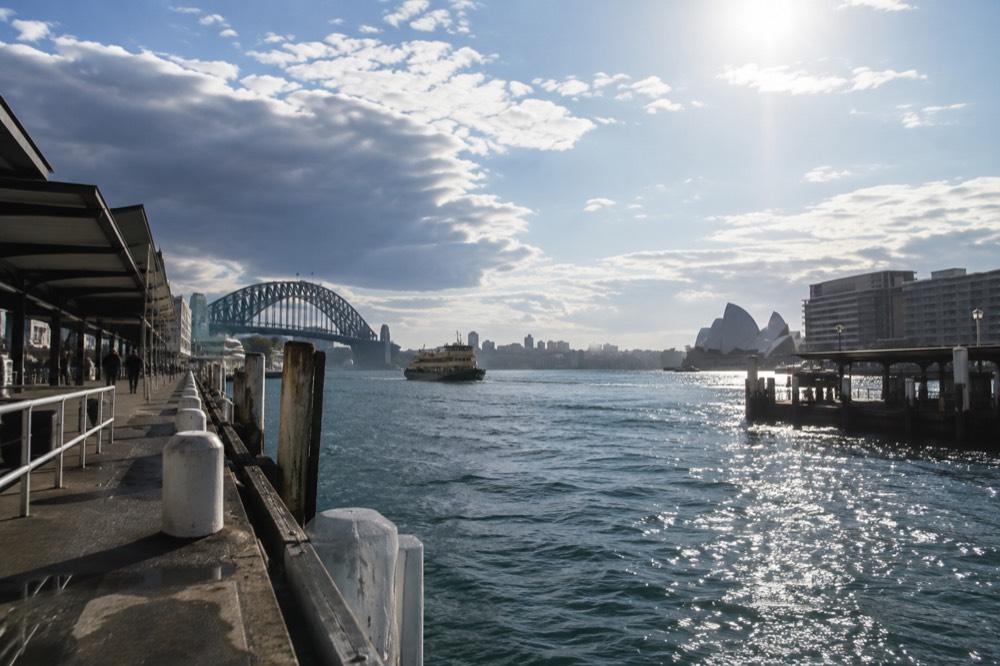
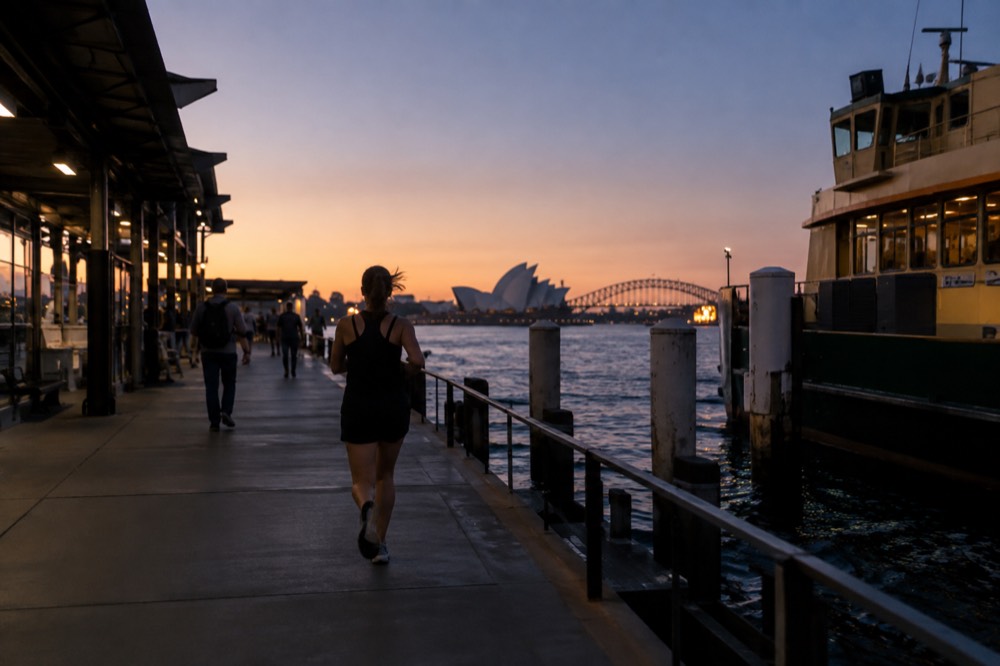
Get on the water from a local wharf rather than a tourist terminal, and pick the quiet hours. The public ferries to neutral corners of the harbour, Woolloomooloo, Balmain, Watsons Bay outside lunchtime, give you the same water for the price of an Opal fare. A morning or afternoon sightseeing cruise is the one tourist-format experience worth keeping, because it teaches you the harbour's geography fast, and the rest of your water time can be spent like a local.
The ferry network is Sydney's secret transit system and its best-value sightseeing. An Opal card or a contactless card covers it, the same daily caps apply as on trains and buses, and routes like the run to Watsons Bay pass harbour-side mansions and naval bases with commentary from the water itself. Riding the F1 to Manly is famous, and justly so, but the smaller routes are where you will be the only visitor aboard. Our Sydney ferries guide breaks down which routes earn their fare.
If you want a structured hour on the water first, the sightseeing cruise below is the gentlest way to get oriented, with departures in both the morning and the afternoon so you can slot it around everything else.
One planning note that most itineraries miss: Sydney's harbour swim sites carry a longer post-rain caution than its ocean beaches. The official Beachwatch advice is to stay out of the water while it rains and for up to one day after heavy rain at ocean beaches, but up to three days at harbour and estuarine swim sites. Check the live grades at beachwatch.nsw.gov.au before you swim anywhere on the harbour side of the heads.
Where Do Locals Eat, Drink and Shop?
Away from the visitor strips, Sydney's food identity lives in its suburbs: Newtown's cheap and varied King Street, Surry Hills' brunch and small-bar scene, the fish-market lunch run at Blackwattle Bay, and the weekly farmers' markets in Glebe and Orange Grove. Coffee is the city's genuine obsession, and the best examples sit in residential streets, not hotel lobbies. Eat where the queue is locals in activewear, not visitors with cameras.
The Sydney Fish Market moved to its new Blackwattle Bay building in January 2026, and it remains a working market rather than a curated attraction: wholesale trade in the small hours, retail and dining through the day. Go for a lunch of oysters and sashimi at a fraction of restaurant prices. Our Sydney food guide covers what the city is actually known for eating.
Coffee deserves its own sentence. Sydney runs on independent espresso, and a flat white from a suburban roaster is a cultural experience in the most literal sense. If you only do one non-touristy thing on this list, make it breakfast at a neighbourhood cafe in Surry Hills or Paddington on a weekend morning, because that is where you will see the city as it actually lives.
What Day Trips Do Most Visitors Skip?
The Royal National Park, the Hawkesbury River and the Northern Beaches beyond Manly are the local day trips that rarely appear on visitor itineraries. The Royal, the oldest national park of its kind in the country, charges A$12 per vehicle per day and nothing at all if you arrive by train and foot, and its Coast Track is one of the great walks within reach of a capital city. The Hawkesbury offers river towns and oyster shacks, and the beaches north of Manly get quieter the further you go.
The Royal National Park is the standout. Train to Cronulla, ferry to Bundeena, and you are inside a coastal wilderness with sandstone cliffs and swimming beaches, no car required. Entry fees are per vehicle, so arriving by public transport avoids them entirely at almost every Sydney park, a detail that surprises even locals. Our Royal National Park guide covers the walks and the access in detail.
North of the harbour, the Northern Beaches ramp down in crowds the further you travel from the Manly ferry wharf. Avalon and Palm Beach, at the end of the line, are weekend destinations for Sydneysiders rather than international visitors, and the coastal walks between them are free and largely empty on weekdays.
What Should You Not Bother with, Honestly?
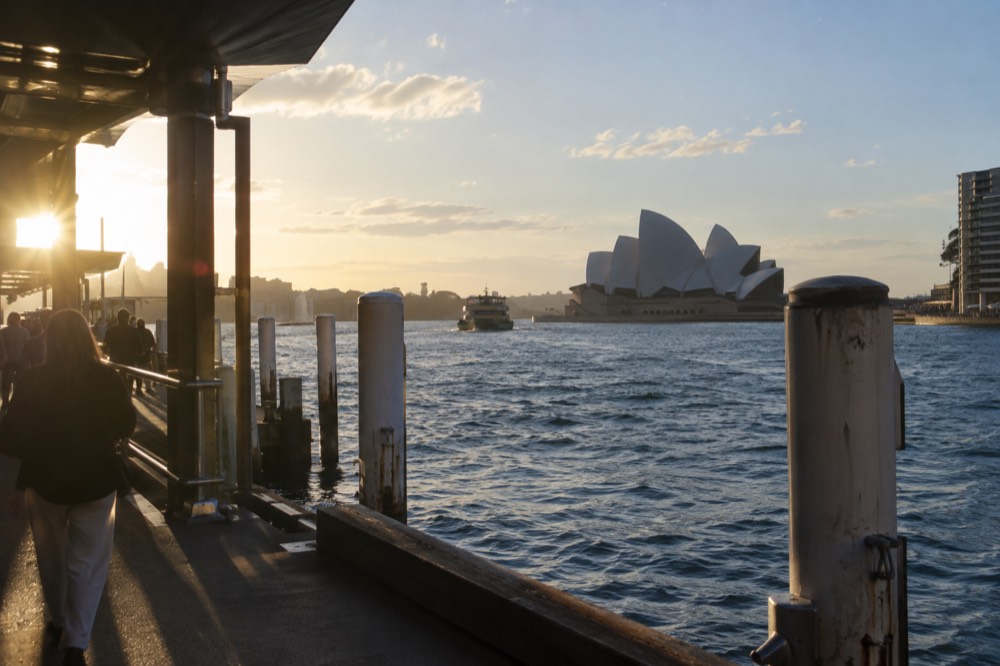
Skip the peak-hour Opera House forecourt photos, the most crowded stretch of Bondi on a weekend afternoon, and any attraction that exists mainly to be photographed. Also skip Darling Harbour at dinner time and the CBD on a Sunday, when the centre empties out and the suburbs fill up. Sydney rewards you for moving two suburbs away from wherever the crowds are standing, and almost nothing on the famous list is improved by doing it at the busiest hour.
Timing matters as much as location. February, the middle of the peak tourist season, is statistically Sydney's cloudiest month on the long-run record, averaging 5.3 clear days, while August, deep in winter, averages 13.4, the most of any month. A visitor chasing "sunny Sydney" in summer is often standing under cloud that a winter traveller would not see. The practical lesson: do not over-schedule around a summer assumption, and do not write off winter, which delivers the clearest skies of the year.
The same logic applies within a single day. Bondi at 7am on a weekday is a local's beach, quiet and patrolled by professional lifeguards year-round, while the same sand at 3pm on a Saturday belongs to the crowd. The Rocks on a weekday morning is a genuine historic neighbourhood; the same lanes on a Saturday night are a party precinct. Nothing on this list requires avoiding Sydney's famous sights entirely, only approaching them when the city itself is using them.
Common Questions About What to Do in Sydney Not Touristy
What to do in Sydney not touristy?
Spend your time in the neighbourhoods locals use: Newtown, Glebe, Surry Hills and Balmain, plus free institutions like the Royal Botanic Garden Sydney and the Art Gallery of New South Wales. Swim at an ocean pool, ride the smaller ferry routes, and take a day trip to the Royal National Park. The famous sights are worth seeing, just at off-peak hours.
What are some quirky things to do in Sydney?
Take a true-crime or ghost walk through the historic lanes, browse the second-hand shops along King Street in Newtown, and visit a suburban weekend market. Our piece on quirky things to do in Sydney lists the specific experiences worth booking.
Is Bondi Beach too touristy?
Bondi is busy but not ruined. Visit before 9am on a weekday and you will share it mostly with locals, swimmers and surfers. The coastal walk south from Bondi to Bronte and Coogee is free and, outside peak hours, feels like a local ritual rather than a tourist conveyor.
Can you enjoy Sydney without spending much money?
Yes, easily. Garden entry, gallery and museum general entry, the coastal walks, the ocean pools at Bronte and North Bondi, and the ferry rides under the Opal daily cap can fill several days for the cost of meals alone. Our Sydney on a budget guide has the full breakdown.
What is the best non-touristy day trip from Sydney?
The Royal National Park, reached by train and ferry with no car and no park entry fee. Bundeona's ferry from Cronulla, the Coast Track's sandstone cliffs, and a swim at a quiet beach make a full day that many Sydneysiders have never done themselves.