What Should I Not Miss in Sydney?
The Sydney essentials no first visit should skip: the harbour, the Opera House, the Rocks, Bondi, the coastal walk and the free sights most visitors walk straight past.
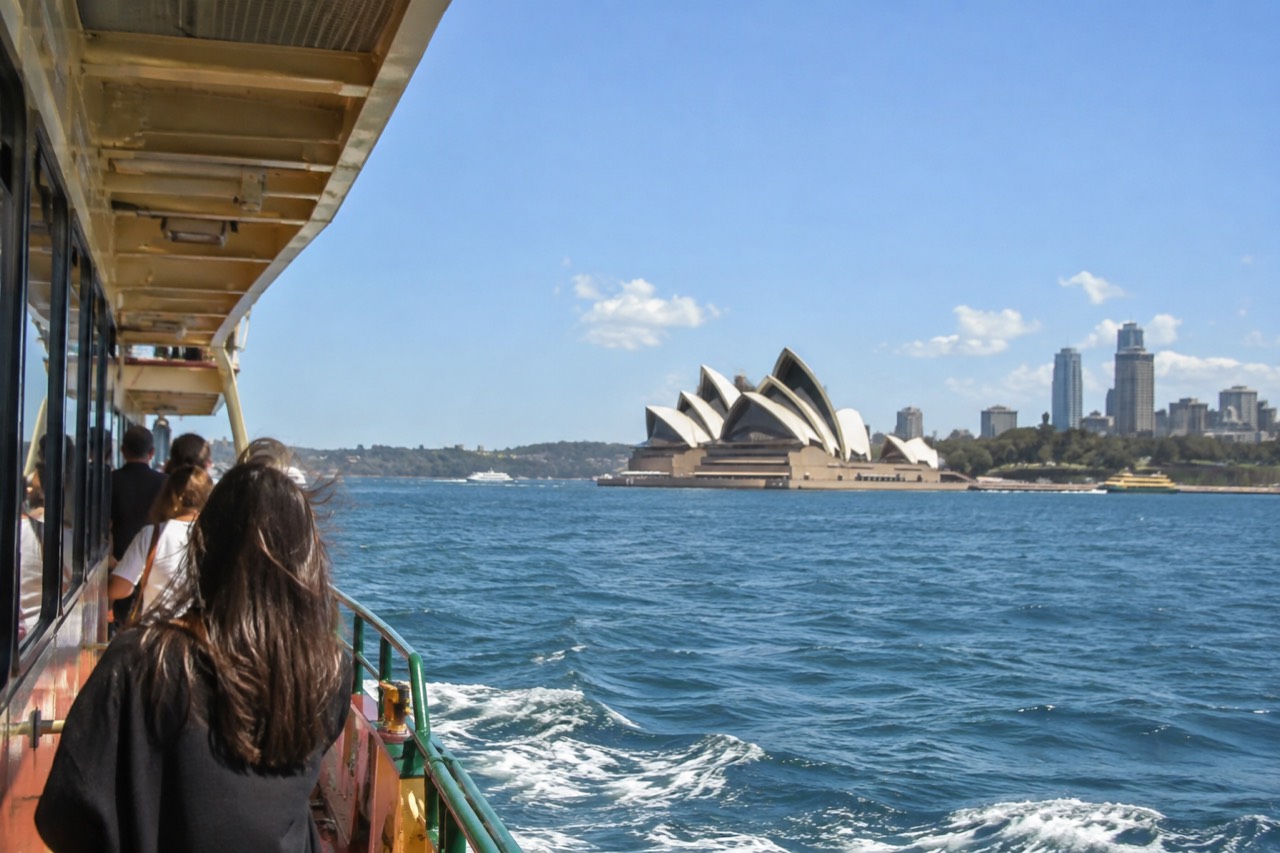
Sydney runs on a simple geography: nearly everything a first-time visitor is told not to miss sits on, beside, or looking across its harbour. That is genuinely useful for planning, because it means the headline sights cluster together and the city rewards walking far more than it rewards racing. The Opera House, the Harbour Bridge, the Rocks, Circular Quay, the Royal Botanic Garden Sydney and the ferry terminals all sit within about two kilometres of one another.
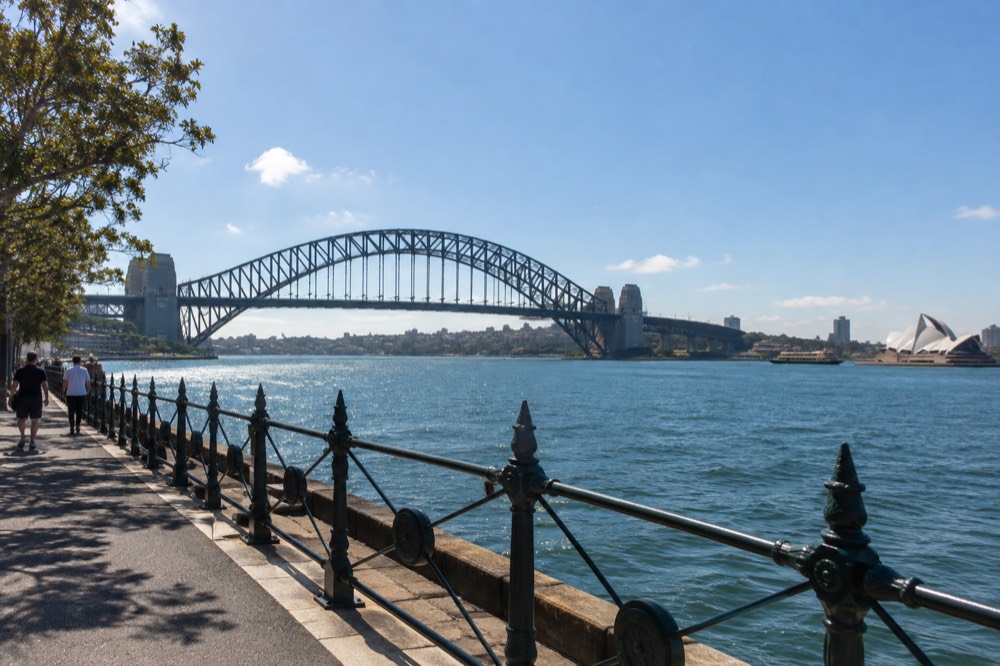
What you should not miss is also a question with a budget attached. Some of Sydney's best experiences cost nothing at all: the garden is free, the ferry ride to Manly is a regular public transport fare, and the Bondi to Coogee walk is free. Others, such as the BridgeClimb Sydney experience, sit at the other end of the price range. This guide separates the genuinely unmissable from the merely famous, and tells you what each one costs.
What Should I Not Miss in Sydney?
Do not miss the harbour itself, seen from the water; the Sydney Opera House, toured from inside if you can; the Rocks; the Bondi to Coogee coastal walk; and a ferry ride to Manly. Those five experiences define the city, and three of them are free or cost a public transport fare. Everything else, from the Tower Eye to Taronga Zoo, is a strong add-on rather than a core requirement.
That list is deliberately short. Sydney's problem is not a shortage of sights, it is that visitors try to see all of them in three days and end up exhausted in queues. The harbour is the spine of the city: the Opera House and the bridge sit at its head, the Rocks hugs its western shore, and the ferry network turns the water itself into a moving viewing platform. If you do nothing else, ride a ferry east of the bridge at least once, ideally in the late afternoon.
The order matters less than the geography. Circular Quay is the natural base: from its promenade you can walk to the Opera House in five minutes, into the Rocks in ten, and around the harbour farm into the Royal Botanic Garden Sydney in fifteen. A single well-planned day there covers the first three items on the list above. Bondi and Manly each need a half day of their own.
The Harbour: Sydney's One True Non-negotiable
If you only do one thing in Sydney, see the harbour from the water. The public ferry to Manly costs a regular Opal fare and passes the Opera House, the bridge and the heads; a dedicated sightseeing cruise from Circular Quay does the same loop with commentary for from US$28.53. Every other Sydney sight is improved by having done this first, because the harbour is the reference point for all of them.
The Manly ferry is the locals' version of a harbour cruise. It runs from Circular Quay, takes about half an hour, and the F1 route sits in the 9+ km ferry band, which is $9.20 one way for an adult with an Opal card or a contactless card. You get the Opera House from the water, the Eastern Suburbs shoreline, and the open water of the heads, all for the price of a commute. Our guide to Sydney ferries covers the routes in detail, and the fare bands and daily caps are published by Transport for NSW.
If you would rather have a commentary and a guaranteed seat, the dedicated sightseeing cruise runs morning and afternoon departures from Circular Quay, lasts 90 minutes, and carries a 4.7 rating across 863 reviews on the live listing. It is the cheapest of the paid harbour experiences and the one most worth it, because the harbour is the sight.
One honest note on timing: Sydney's weather does not behave the way northern-hemisphere visitors expect. February averages 119.3 mm of rain and only 5.3 clear days, while August averages 13.4 clear days, the most of any month. Peak season is statistically the cloudiest time of year, so if your dates are flexible, a late-winter or spring visit can give you better harbour light than the middle of summer.
The Icons: Opera House, Harbour Bridge and the Rocks
Do not leave Sydney without going inside the Opera House on a guided tour, walking at least partway across the Harbour Bridge, and spending an hour or two wandering the Rocks. The Opera House tour runs about an hour and costs from US$35.79 through the tour listing; the bridge walkway is free; the Rocks is free to explore, with a guided walking tour from US$36.57 if you want the stories.
The Opera House is the one Sydney sight where the inside genuinely competes with the outside. The standard guided tour runs roughly 9am to 5pm daily and lasts about an hour, taking in the theatres and the stories behind the building. Prices vary by date and session on the official site, so treat the listing price as the reliable figure. Our full Sydney Opera House guide covers tour types, dress codes and whether you can just walk in.
The Harbour Bridge gives you a choice of three budgets. Walking the pedestrian path across it is free and takes about 20 minutes each way from the Rocks side. The Pylon Lookout, partway up the south-east pylon, charges a small admission for a view from above the deck. And the full BridgeClimb, three hours with about two hours on the bridge itself, is the premium option; the operator's indicative rates for the 2026-27 period put the Summit Day climb at around $375 adult on a weekday, dynamic by date and demand.
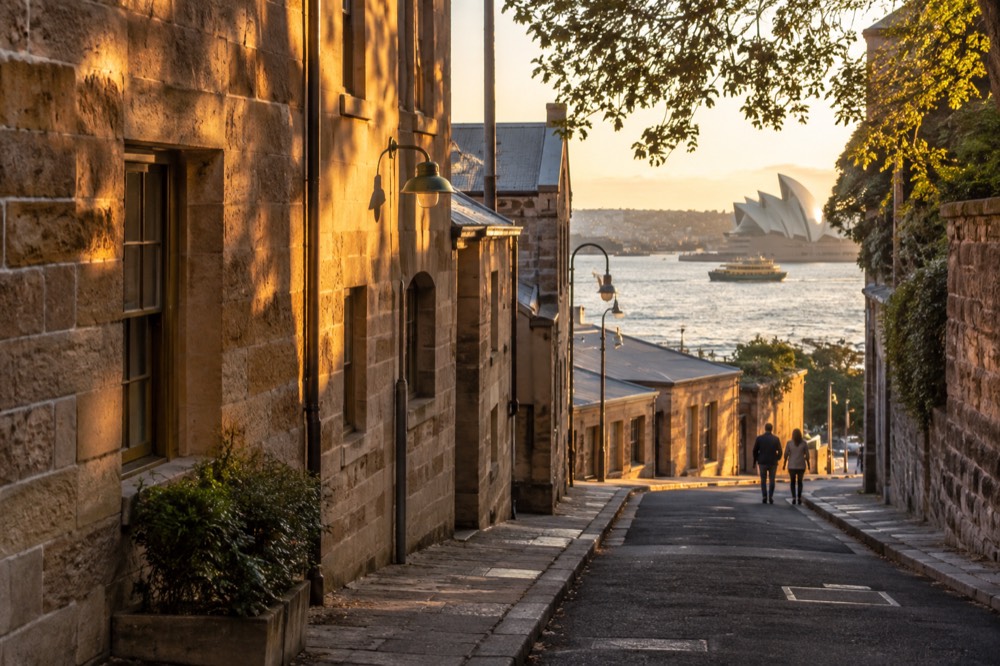
The Rocks, the sand-and-cobble precinct at the bridge's feet, is where Sydney began, and it is small enough to see in a long morning. A guided walk adds the convict-era history that the buildings alone do not explain. The Tower Eye, the third option in the trio above, is the city's observation deck: adult admission is $39 on the day or from $29 in advance, and it makes a good bad-weather fallback when the harbour views from ground level disappear.
Beaches and the Coastal Walk
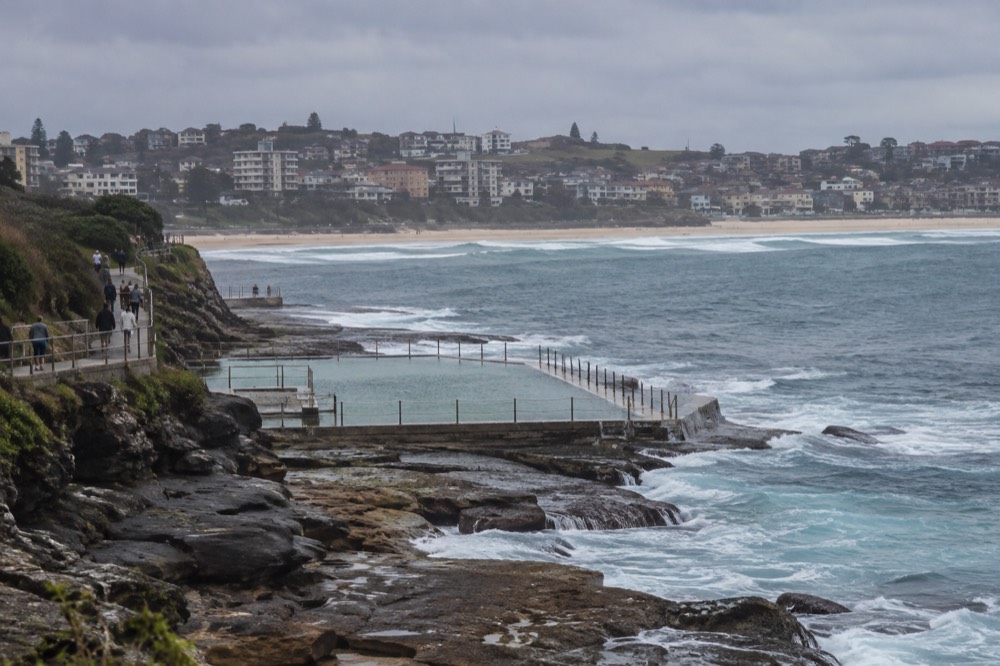
Do not miss the Bondi to Coogee coastal walk, which is free, about 6 km one way, and passes four beaches and two ocean pools; and do not miss swimming somewhere, which in Sydney means a patrolled beach between the red and yellow flags. Bondi itself is worth a visit, but the walk between Bondi and Coogee is the part visitors consistently underestimate.
The walk takes most people two to three hours without rushing, and the middle section through Bronte and the cemetery headland is arguably better than Bondi itself. Our Bondi to Coogee coastal walk guide has the full route and directions. There is no guided version as a standard bookable product; the walk is free and self-guided, which is part of its appeal.
On swimming, the safety message is not negotiable: swim at a patrolled beach, between the red and yellow flags, during patrol hours. Bondi, Bronte, Tamarama, Coogee, Manly and, since around May 2026, Dee Why are patrolled year-round by council lifeguards, which is more than most visitors assume. Most other Northern Beaches run patrols from late September to late April. The official rip-current advice from Surf Life Saving Australia's Beachsafe service is to stay calm, raise an arm and call for help, float with the current, or swim parallel to the beach toward breaking waves.
Ocean pools are the safer alternative when the surf is up or patrols are off. Bronte Ocean Pool and the North Bondi Children's Pool are free and council-maintained; Bondi Icebergs, the famous 50-metre pool at the south end of Bondi, is club-managed and charges an access fee. All of them can close in big swell.
If surfing rather than swimming is the draw, Bondi runs two-hour surf lessons for any level from US$70.86 with board included, and the waves there suit beginners more than the guidebooks suggest. Manly's Shelly Beach side is the calmer option and also the main snorkelling spot close to the city.
Free Things Most Visitors Walk Straight Past
Do not miss the free ones: entry to the Royal Botanic Garden Sydney costs nothing and opens at 7am daily, the Australian Museum's general entry is free, and the Art Gallery of New South Wales is free and stays open until 10pm on Wednesdays. Add the Manly ferry as a paid fare, and you have a full excellent day for under $20 in transport.
The garden is the surprise. Visitors routinely assume Sydney's headline harbourside garden is ticketed; it is not, and it is the best free Opera House photo location in the city, looking back across Farm Cove. It opens daily at 7am and closes at sunset, so the closing time moves with the seasons. The Australian Museum, opposite Hyde Park, is free for general entry and open 10am to 5pm daily except Christmas Day, with only major temporary exhibitions ticketed.
| Experience | Cost | Notes |
|---|---|---|
| Royal Botanic Garden Sydney | Free | Open 7am to sunset daily |
| Australian Museum general entry | Free | 10am-5pm daily, closed Christmas Day |
| Art Gallery of New South Wales | Free | Open until 10pm Wednesdays |
| Harbour Bridge walkway | Free | About 20 minutes each way |
| Bondi to Coogee walk | Free | About 6 km, 2-3 hours |
| Manly ferry (F1, adult) | $9.20 one way | Opal or contactless, 9+ km band |
| Opera House guided tour | From US$35.79 | About 1 hour, daily |
The Wednesday late opening at the Art Gallery is one of the city's under-published details, and it pairs well with a harbour dinner afterwards. For a fuller list of no-cost sights, see our free things to do in Sydney guide.
Day Trips Worth Planning Around
If you have four days or more, do not miss the Blue Mountains, which is a workable day trip by train or tour, and consider the Hunter Valley if wine matters to you. The Blue Mountains National Park charges no entry fee except in the Glenbrook area, so a train trip to Katoomba costs only the fare. Whale watching, from May to November, is the seasonal wildcard.
The Blue Mountains is the one excursion that consistently justifies the travel time. An all-inclusive small-group day trip with a local guide runs about 10 hours from US$190.19, and the train to Katoomba is the budget alternative, taking about two hours from Central. Either way, the Three Sisters and the valley lookouts deliver the one view in New South Wales that competes with the harbour. Our Blue Mountains day trip guide compares the options.
The Hunter Valley, Australia's oldest wine region, sits about two hours north and works as a day trip with a premium tour from US$218.72 including a two-course lunch, or better as an overnight. Whale watching runs May to November along the coast, peaking late June through July, with cruises from US$56.69; it is seasonal by nature and no sighting is ever guaranteed, though an estimated 40,000-plus humpbacks migrate along the NSW coast each year according to NSW National Parks.
Taronga Zoo deserves a mention here rather than in the icons, because its real value is the combination: the zoo itself, plus the ferry across the harbour to reach it. Adult admission is $57 at the gate or from $51.30 online, roughly a 10% saving published on Taronga's own pricing page, and a bundled ticket with the return ferry is available from US$57.19. See our Taronga Zoo guide for the full comparison.
Common Questions About What Not to Miss in Sydney
What should I not miss in Sydney?
See the harbour from the water, tour the Opera House, walk across the Harbour Bridge, wander the Rocks, and do the Bondi to Coogee coastal walk. Add a ferry to Manly and, with four or more days, a Blue Mountains day trip. Three of those experiences are free and two more cost only a public transport fare.
How many days do you need for Sydney's unmissables?
Three days covers the core list comfortably: one for the harbour and Opera House precinct, one for Bondi and the coastal walk, and one for Manly or a ferry day. Four days lets you add the Blue Mountains without rushing. Our how-many-days guide covers the trade-offs in detail.
Is Bondi worth visiting, or is the walk better?
Both, but if time forces a choice, take the walk. The 6 km Bondi to Coogee route passes Bronte, Tamarama and two ocean pools, and most visitors rate the middle sections above Bondi Beach itself. Bondi is still worth a swim if you stay between the flags at a patrolled time.
What is the best free thing not to miss in Sydney?
The Royal Botanic Garden Sydney, which is free to enter and opens at 7am daily, combined with the Opera House view across Farm Cove. The Harbour Bridge walkway and the Bondi to Coogee walk are also free, and the Manly ferry is a regular Opal fare rather than a tour price.
Should I book Sydney tours in advance?
Book the Opera House tour and any harbour cruise ahead of your travel dates, since sessions fill in peak season. The BridgeClimb should be booked well in advance for summer. Walking tours and the zoo can usually be arranged a day or two ahead, and the free sights need no booking at all.
What not to miss in Sydney if it rains?
The Opera House tour, the Australian Museum, the Art Gallery of New South Wales and the Tower Eye observation deck are the indoor core. The Art Gallery stays open until 10pm on Wednesdays, and the museum's general entry is free, so a wet day can be one of the cheapest days of your trip.
Sydney rewards a short list done properly. Pick the harbour first, let the icons orbit it, and save the beaches and day trips for the days the weather cooperates. The rest of this site, starting from Sydney Travel Guide, breaks each of these down in the depth a real plan needs.