Is the Rocks Sydney Worth Visiting?
A straight answer on whether The Rocks is worth your time in Sydney, what to actually do there, how long to allow, and which tours earn their money.
Is the Rocks Sydney Worth Visiting?
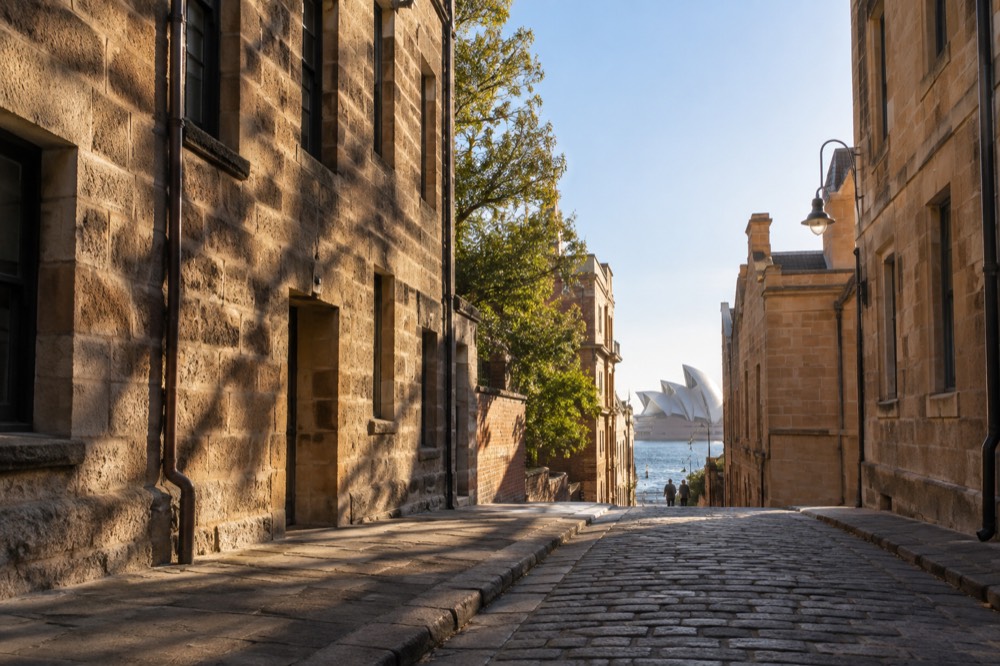
Yes, for almost every visitor The Rocks is worth visiting, and the reason is simple: it is the oldest European settlement area in Australia, it sits directly under the Sydney Harbour Bridge, and you can walk its entire historic core in under two hours at no cost. The main trade-off is that parts of it are openly touristy, with souvenir shops and higher cafe prices near Circular Quay. Walk two blocks uphill and the laneways quieten down considerably.
The Rocks occupies the finger of land west of Circular Quay, between the harbour foreshore and the approaches to the bridge. For a first-time visitor working through the classic Sydney circuit, it is not a detour: it sits between two things you are almost certainly already doing, the Sydney Opera House precinct on one side of the quay and the Sydney Harbour Bridge on the other. You will pass through its edges whether you plan to or not, so the real question is whether to stop, and the honest answer is that an hour or two here is one of the better-value hours in central Sydney.
What makes the area genuinely worth it rather than merely convenient is the physical fabric. This is where the British colony's first permanent settlement took root, and unlike most of Sydney's CBD, the neighbourhood kept a visible stock of early sandstone buildings, narrow stairways and cobbled lanes. The convict-built Argyle Cut, a passage sliced through solid sandstone to link the harbour to Millers Point, is still there and still the most direct route uphill. The Circular Quay transport hub puts all of this within roughly 400 metres of a ferry wharf, a train station and half a dozen bus routes, which is why the neighbourhood works as a first or last stop on almost any city day.
What Is Actually in the Rocks?
The Rocks holds three things worth a visitor's time: a compact heritage precinct of sandstone buildings and lanes, a cluster of historic pubs that includes some of the oldest licensed premises in the country, and weekend markets plus a string of small museums and galleries. Most of the lanes themselves cost nothing to wander. The paid items are tours, a couple of museums and whatever you eat and drink, and a visit can be structured entirely around free wandering if budget matters.
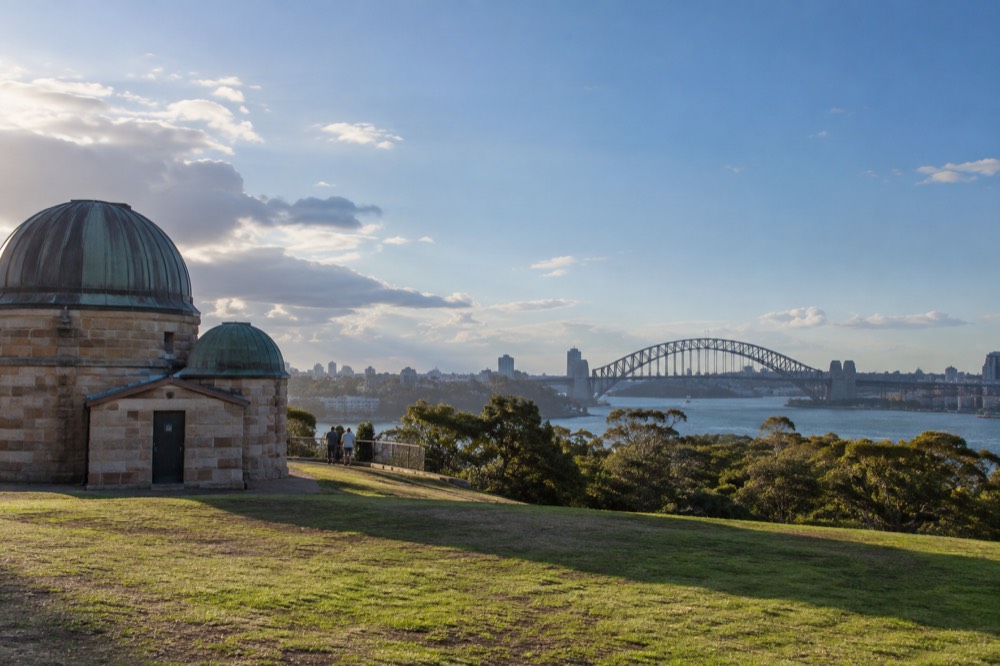
Start at Circular Quay and walk west along George Street, the colony's original main street. Within a few hundred metres you pass the Museum of Contemporary Art Australia at the quay's edge, then the Argyle Stores and Cadmans Cottage, one of the oldest surviving residential buildings in Sydney, near the water. Uphill, the laneways of Harrington, Essex and Gloucester streets carry the heritage atmosphere, and Nurses Walk connects the old hospital site through to the market end of the neighbourhood. The museum of contemporary art australia is worth its own stop rather than a glance, and the observatory hill park above the precinct gives one of the better free views of the bridge.
| Stop | What it is | Cost | Time to allow |
|---|---|---|---|
| Argyle Cut and Argyle Stairs | Convict-cut sandstone passage and stairway | Free | 15 minutes |
| Cadmans Cottage | 1816 sandstone cottage, heritage site | Free to view exterior | 10 minutes |
| The Rocks weekend markets | Stall market, Saturday and Sunday | Free entry | 30-60 minutes |
| Museum of Contemporary Art Australia | Modern art museum at the quay | Free general entry | 60-90 minutes |
| Observatory Hill park | Grassed hilltop with bridge and harbour views | Free | 20 minutes |
| Historic pubs circuit | Heritage hotel bars, some dating to the 1840s | Pay as you drink | 60 minutes |
The weekend markets deserve a specific mention because they change the character of the place. On Saturdays and Sundays the northern end of George Street fills with stalls selling prints, jewellery and food, and the laneways get a crowd that makes the precinct feel lived-in rather than preserved. Midweek, the same streets are quieter, which suits photography and unhurried wandering but means fewer things are open. If your Sydney itinerary only allows one weekend, put The Rocks on the Saturday morning side of it.
If you want a guided introduction rather than self-navigation, the neighbourhood has one of the better tour line-ups in the city, from a standard heritage walk to after-dark options.
How Much Time Do You Need in the Rocks?
Two to three hours covers a first visit well: about 90 minutes to wander the core lanes, Argyle Cut and harbour edge, plus time for a market or a drink in a historic pub. Add a fourth hour if you take a guided walking tour, and a full evening if you stay for a ghost tour or dinner. Anyone trying to see it in under an hour will manage the foreshore strip but will miss the laneways uphill, which is where the neighbourhood's character actually lives.
The precinct is small by Australian city standards. The walk from Circular Quay ferry wharves to the Argyle Cut is under 400 metres, and the full historic core, from the quay to Observatory Hill, fits inside a rectangle roughly 600 metres by 300 metres. That compactness is the reason it pairs so easily with other plans. A common pattern is to arrive on a ferry, wander for an hour, and finish at the bridge's southern approach for the walk across to Kirribilli, or to slot The Rocks between an Opera House morning and a harbour cruise afternoon.
Families and slower walkers should budget toward the higher end. The lanes involve short but steep stairways, particularly the Argyle Stairs and the climbs toward Observatory Hill, and the sandstone surfaces are uneven in places. There is no need to rush, since almost nothing here runs on a timed entry except the tours and the MCA's ticketed exhibitions.
The one timing decision that genuinely changes the visit is day versus night. Daylight suits the heritage architecture, the markets and photography, and it is when the walking tours run. After dark the neighbourhood empties, the pubs take over, and the ghost tour becomes the main structured activity. A visitor with two evenings in Sydney could reasonably do both: a daylight wander on one day and the night tour on another.
What Are the Best Tours in the Rocks?
The Rocks has three tour types worth considering: a daytime guided walking tour covering the heritage precinct, an evening ghost tour through the same lanes after dark, and an Aboriginal cultural cruise that departs from the nearby harbour and includes Clark Island. All three take under three hours, and the walking tour and ghost tour overlap in ground covered, so most visitors should pick one or the other rather than both.
The daytime option, the Rocks Guided Walking Tour, runs about an hour and a half and covers the colonial history, the buildings and the stories the plaques do not tell you. It suits a first morning in the city, since it ends with your bearings set for the rest of the precinct.
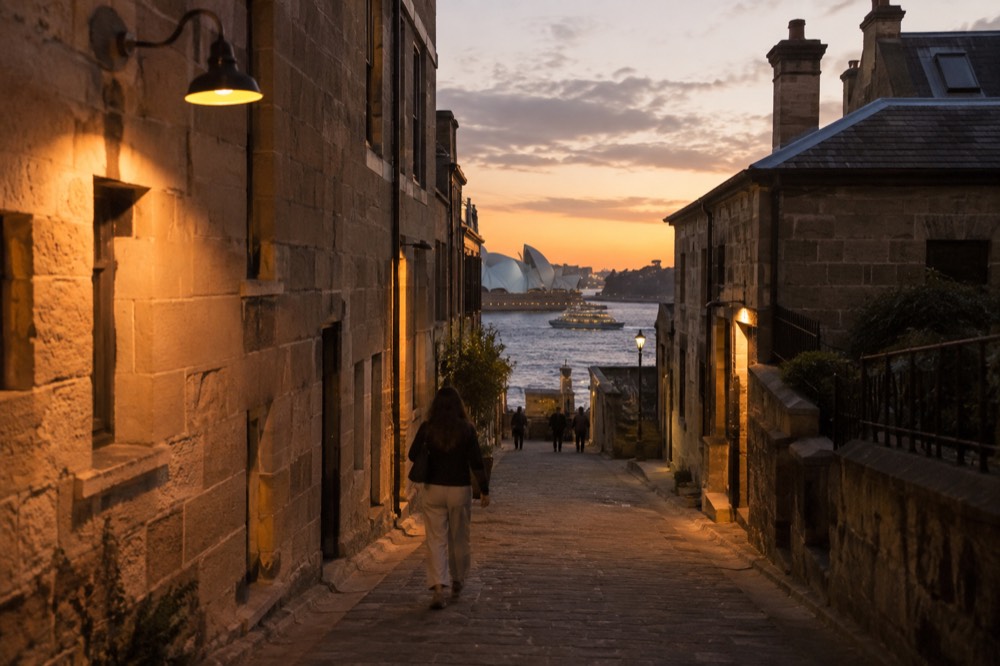
The after-dark option is the Rocks Haunted Ghost Tour, a two-hour walk built around the neighbourhood's darker history, from colonial-era crime to the plague-era demolitions that nearly erased the whole area. The tour's real value is access to the lanes at night with a storyteller, and it is one of the few structured evening activities in this part of the city that does not revolve around drinking.
The third option heads onto the water. The Aboriginal Cultural Cruise with Clark Island Tour is a two-hour harbour cruise that includes a landing on Clark Island, just off the eastern shore of the quay, and it covers the Gadigal history of the harbour that a colonial precinct walk cannot. It is the only indigenous-led product on this part of the harbour, and it makes a strong pairing with a morning in The Rocks precisely because the two experiences tell opposite halves of the same story. It also connects naturally to the broader question of what the harbour itself means, which our Sydney harbour cruises guide covers in detail.
A practical note on choosing: the walking tour and the ghost tour cover much of the same physical ground, so take one, not both. The cruise is complementary to either, because it leaves the land behind entirely. And if your interest is history rather than performance, the free option remains real: the precinct's lanes, the Argyle Cut and Cadmans Cottage can be read [at your own pace](https://wegotrip.tpk.ro/bdXsJ4s3) with a map, and the paid tours are an enhancement rather than a requirement.
How Do You Get to the Rocks?
The Rocks is reached in under ten minutes on foot from Circular Quay station and ferry wharves, which sit roughly 400 metres from the precinct's centre, and no visitor needs a car or a taxi to reach it. Trains on the T2, T3 and T8 lines, ferries on the F1 to F10 routes and numerous buses all converge at the quay, and the Opal daily cap means a day of hopping around Sydney by public transport costs no more than the cap.
Circular Quay is the closest station, and the walk from its exits to the Argyle Cut takes about five minutes along George Street. Wynyard station is the alternative, roughly 800 metres away through the city end of the precinct, and it is often the better approach if you are coming from the north or west on a train that does not stop at the quay. Ferries are the most enjoyable approach of all: arriving across the water gives you the harbour skyline first and the heritage lanes second, which is the sequence the neighbourhood deserves.
| Approach | Route | Approximate cost | Notes |
|---|---|---|---|
| Train | Any line to Circular Quay or Wynyard | From A$3.03 off-peak, A$4.33 peak, 0-10 km band | Quay is closer, about 5 minutes' walk |
| Ferry | F1-F10 routes to Circular Quay | A$7.35 for 0-9 km, A$9.20 beyond | Best arrival, harbour view first |
| Bus | Multiple routes to Circular Quay stops | From A$2.31 off-peak, A$3.30 peak, 0-3 km band | Stops sit above the wharves |
| Light rail | L2/L3 to Wynyard, then walk | From A$2.31 off-peak | Adds about 800 metres on foot |
| On foot | From the CBD via George Street | Free | Under 15 minutes from Town Hall |
Fares and caps are set by Transport for NSW and reset each fare year; the current figures are published on the adult Opal fares page. A contactless card is charged exactly the same as an adult Opal card and earns the same caps, so there is no need to buy a card for a short stay. The one fare trap in the area is the privately operated Manly Fast Ferry, which accepts OpalPay but does not honour the caps, unlike the public F1 ferry.
When Is the Best Time to Visit the Rocks?
Any time of year works, since the precinct is outdoors but compact and its lanes are pleasant in every season, but Saturday or Sunday morning is the single best slot because the weekend markets are running and the cruise-ship crowds have not yet peaked. Winter, from June to August, is an underrated window: Sydney's clearest skies of the year fall in August, and the neighbourhood is quieter outside peak season.
The counterintuitive weather fact worth knowing is that Sydney's rainfall peaks in winter, not summer. June averages 133.1 mm of rain across the long-term record, more than any summer month, yet August averages the most clear days of the year at 13.4, and February, in the middle of peak season, averages the fewest at 5.3. In practical terms, a winter visit risks a wet day but delivers the sharpest light for photography of the sandstone and the bridge, while a February visit is statistically the cloudiest time to be here. Daylight saving, from October to April, extends evening light past 7pm, which matters if you are pairing a daylight wander with a later ghost tour.
One more seasonal note for evening visitors: the ghost tour runs after dark year-round, but the hour it starts shifts with sunset, so winter bookings begin earlier and finish in time for dinner, while summer ones start late. If Vivid Sydney is on, from late May into June, the light installations along the harbour edge make an excellent free warm-up act before a night tour, and the whole foreshore stays busy until the lights switch off at 11pm.
To sum up the verdict: The Rocks earns its place on a Sydney itinerary for its heritage, its position on the harbour and its after-dark options, and its compact size means the cost in time is small. The Sydney Travel Guide covers the rest of the neighbourhood's context, from the best lookouts in Sydney to the full things to do in Sydney roster, if you are building a longer plan around it.
Common Questions About Visiting the Rocks
Is The Rocks Sydney worth visiting?
Yes. It is the oldest European settlement area in Australia, it sits directly under the Harbour Bridge beside Circular Quay, and its heritage lanes, markets and pubs can be enjoyed free of charge in two to three hours. The touristy strip near the quay is a small part of it; the laneways uphill carry the real character.
How long should I spend in The Rocks?
Two to three hours covers the core precinct well: the Argyle Cut, the harbour edge, a market or a pub stop. Add an hour for a guided walking tour, or a full evening if you take the ghost tour after dark.
Is The Rocks free to visit?
Yes, wandering the precinct costs nothing. The lanes, the Argyle Cut, Cadmans Cottage's exterior, Observatory Hill and the weekend markets are all free. You pay only for tours, the ticketed exhibitions at the Museum of Contemporary Art Australia, and anything you eat or drink.
What is the best day of the week to visit The Rocks?
Saturday or Sunday morning. The weekend markets are running, the laneways feel lived-in, and you can finish before the midday peak. Midweek is quieter and better for photography, but fewer stalls and venues are open.
Can you walk from The Rocks to the Harbour Bridge?
Yes, the bridge's southern pedestrian approach is at the northern edge of the precinct, a few minutes' walk from the Argyle Cut. The walkway across to Kirribilli takes about 20 minutes and is free; the elevated BridgeClimb and the Pylon Lookout are the paid options.
Is The Rocks good at night?
Yes, though the character changes. The historic pubs stay busy into the evening, and the ghost tour runs the lanes after dark with a storyteller. Outside the pubs and the tour, the precinct itself quietens considerably, which is part of the tour's appeal.