How Long Does It Take to Climb the Sydney Harbour Bridge?
The Sydney Harbour Bridge climb takes about three hours from check-in to touchdown, with roughly two hours spent on the bridge itself. Here is how the time breaks down.
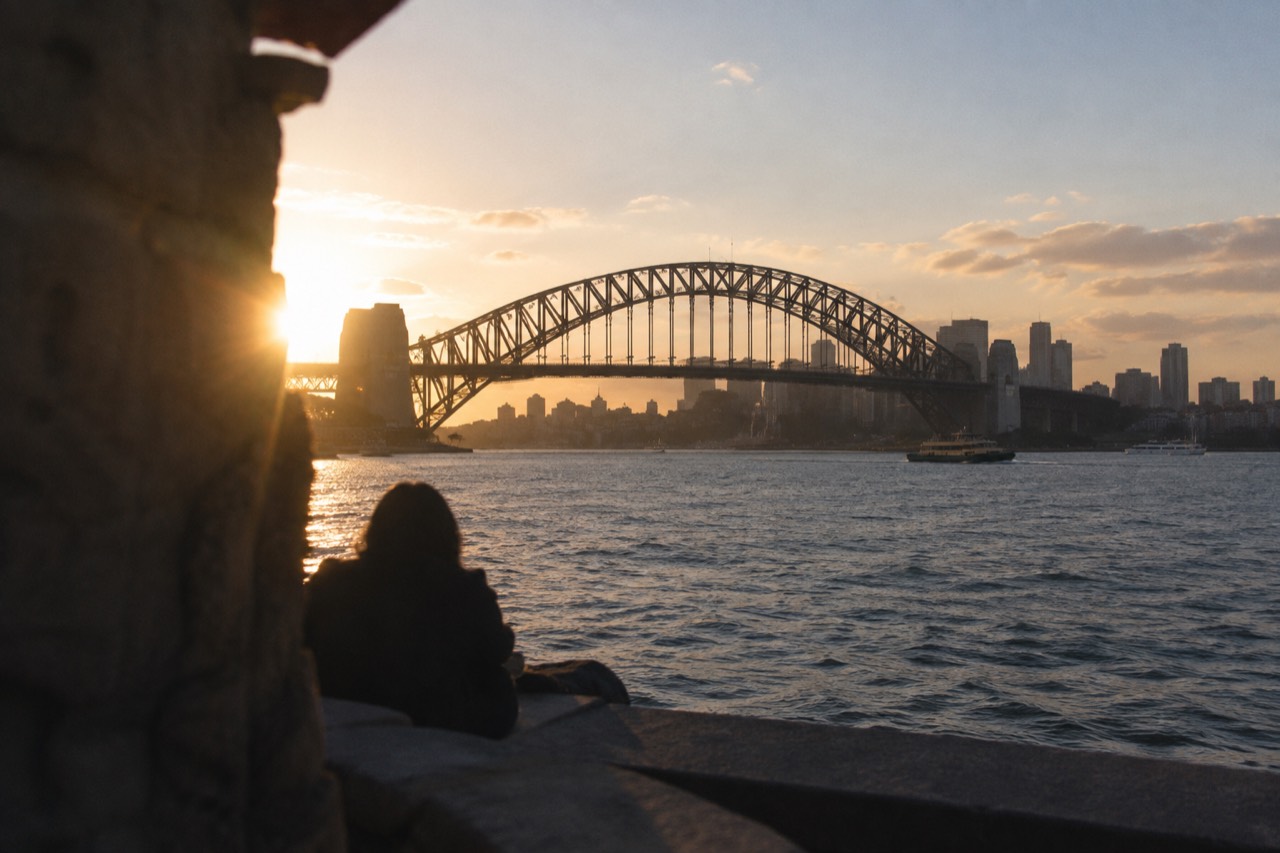
The Sydney Harbour Bridge climb takes about three hours from the moment you check in to the moment you step back onto the street, and roughly two of those hours are spent actually on the bridge. Most first-time visitors budget for the walk itself and forget the safety briefing, the gear fitting and the practice ladder, which together eat close to an hour before your group sets foot on the arch. If you are building a day plan around the climb, block out half a day to be safe.
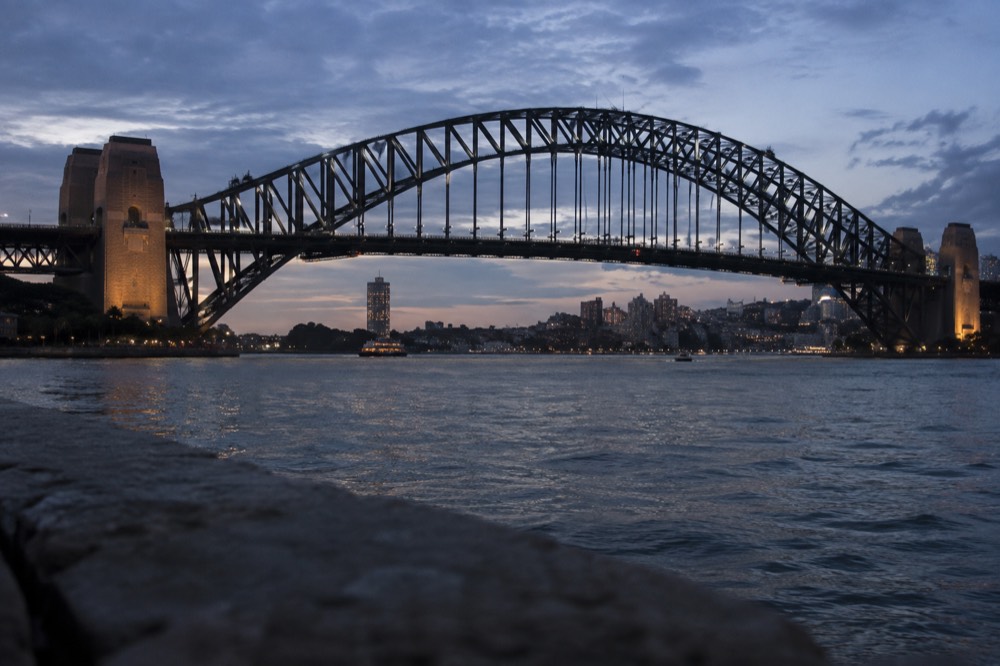
How Long Does It Take to Climb the Sydney Harbour Bridge?
Plan on roughly three hours in total for the standard Summit climb, of which about two hours are spent climbing on the bridge structure itself. The remaining time covers check-in, a breath test and gear fitting, a safety briefing and a practice ascent before your group leaves the departure lounge. Other climb products run shorter or longer, from about two and a half to three and a half hours end to end.
Those figures come from the operator's own rate card and experience descriptions, which break the Summit climb into roughly two hours on the bridge inside a three-hour total experience. The climb is not a race and not a free-form wander: you move as a small group, tethered to a fixed line the whole way, at a pace set by your lead climb guide. Groups pause at staged photo points, and the descent is deliberately slower than the climb up.
The timing surprises people in both directions. Some expect a full-day expedition, when in reality you are back on the ground with time to spare before dinner. Others book a climb at 4pm and discover they are still in the briefing room when the sun drops behind the western towers, which matters if you specifically wanted a daylight view from the top. If you want the full picture of the experience beyond the clock, our BridgeClimb guide covers what the climb itself is like.
How Long Is Each Climb Option?
The standard Summit climb runs about three hours total, with roughly two hours on the bridge. Shorter and cheaper products exist, and the operator's rate card prices children from 8 to 15, which tells you the minimum climbing age. Dawn, Day, Twilight and Night departures all take broadly the same time; what changes is the light, not the duration.
The operator offers several products at different price points and durations, and the difference between them is mostly how high you go and how much of the bridge you traverse. The full Summit climb reaches the top of the arch above the harbour. Cheaper options stay lower on the structure or take a shorter route, and they shave both time and cost accordingly.
| Climb experience | Total time | Time on the bridge | What you reach |
|---|---|---|---|
| Summit (Dawn, Day, Twilight, Night) | About 3 hours | About 2 hours | The top of the outer arch |
| Shorter and lower options | 2.5 to 3.5 hours | Varies by product | Lower sections of the structure |
Pricing is dynamic, moves with demand and the calendar, and carries a peak surcharge from late December into early January, so treat any quoted figure as indicative rather than fixed. If the full climb does not fit your budget or your knees, the Pylon Lookout inside the bridge's south-east pier gives you a high harbour view for a fraction of the cost, and walking across the bridge deck itself is free, a point we cover in detail in is it free to climb the Sydney Harbour Bridge.
What Happens During the Three Hours?
The experience splits into three blocks: about an hour of preparation on the ground, then roughly two hours moving up, along and down the arch as a guided group. You are tethered to a fixed safety line for the entire bridge portion, and the pace is set by your guide, with pauses at photo points. Nothing in the preparation block can be skipped or shortened.
The ground hour is the part people forget to plan for. You arrive at the Climber Departure Lounge in the Rocks, check in, pass a breath alcohol test, and are fitted with a climbsuit, harness, headset and all-weather gear. Then comes a safety briefing and a practice run on a simulated ladder section, where your guide checks that every climber can manage the ladder climb before the group heads out. Only after all of that does your group walk through the airlock and onto the bridge approach.
Once on the structure, the rhythm is steady rather than strenuous. Ladders take you up through the inner south-east pylon to the lower chord, then catwalks and open stairways carry you toward the outer arch. The final ladder section to the summit is the steepest part. Your guide controls the pace, stops the group at set viewing points, and photographs you at the top, since personal cameras are not allowed on the climb. The descent retraces the route at a gentler speed, and you are back in the lounge unclipping harnesses before you know it.
If you are wondering whether your fitness will hold up that long on ladders and stairways, the honest answer is that the climb is more about steady stamina than strength, and we break the requirements down in how fit do you need to be to climb Sydney Harbour Bridge.
How Much Time Should You Allow on the Day?
Allow half a day door to door: the climb experience itself is about three hours, but you should add travel to and from the Rocks, arrival buffer time and the post-climb photo collection. Booking a morning or late-afternoon departure leaves the rest of the day free, and public transport to the area is fast and capped.
The departure lounge sits in the Rocks, a few minutes' walk from Circular Quay, which is one of the best-connected transport hubs in the city. Trains, ferries and light rail all converge there, and adult Opal fares are distance-based with daily caps, per the official fare tables. If you are staying in the city centre, budget 15 to 20 minutes of travel each way; from the beach suburbs, allow closer to 45.
| Stage of your visit | Typical time |
|---|---|
| Travel to the Rocks | 15 to 45 minutes depending on where you stay |
| Arrival and check-in buffer | 15 to 30 minutes before your departure |
| Preparation: gear, briefing, practice | About 1 hour |
| On the bridge | About 2 hours |
| Photo collection and departure | 15 to 20 minutes |
One planning trap: do not stack a climb directly against another fixed booking. If your climb runs long, a group member moves slowly, or weather forces a short hold, you want slack in the schedule. Climbs depart on schedule in almost all weather, since the operator supplies all-weather gear, but the operator can delay a departure for safety reasons, and a tight downstream booking is how a great afternoon turns stressful.
The night departure deserves a special mention, because it is the version of this climb that turns the timing into the point. You spend the two bridge hours watching the city switch on beneath you, and the three-hour block lands you back at street level right as the evening begins. If you are pairing the climb with a broader first visit, our Sydney for first-timers guide shows where a climb slots into a wider itinerary.
For anyone whose three hours need to justify themselves against the price, the night Summit is the strongest version of the experience, and it is worth seeing what the live listing offers for your dates before you commit to a slot.
Does the Time of Day Change the Experience?
No, the duration stays close to three hours regardless of departure, but the light changes everything else. Dawn, Day, Twilight and Night departures all follow the same route at the same pace, so choosing a slot is about what you want to see from the top, not how long you will be up there.
Twilight and night are the most popular slots for obvious reasons, and that popularity is exactly why you should book them furthest in advance. Daytime climbs are the easiest to get and give you the clearest long views west along the harbour. Dawn climbs are limited in number and, in a city on daylight saving from the first Sunday of October to the first Sunday of April, per the NSW Government's published dates, an early start means a very early alarm in summer.
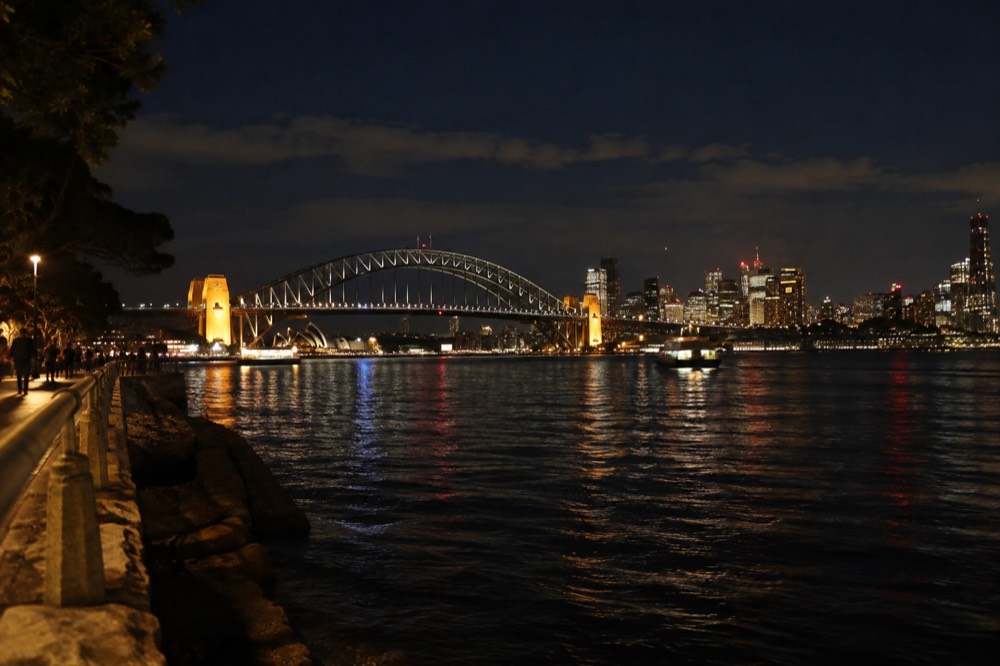
If you are torn between slots, our breakdown of what time of day is best for Sydney BridgeClimb compares them properly. The short version: first-timers usually want Twilight for the transition from daylight to city lights, while anyone who has already seen the bridge from the water or the harbour bridge walking deck often picks Night for the atmosphere.
Common Questions About Climbing the Sydney Harbour Bridge
How long does it take to climb the Sydney Harbour Bridge?
About three hours in total for the standard Summit climb, with roughly two of those hours spent on the bridge structure. The remaining hour covers check-in, gear fitting, the safety briefing and a practice ladder ascent before your group steps out.
How long are you actually on the bridge?
Roughly two hours for the Summit climb. That includes the ladders up through the pylon, the walk along the arch to the summit, photo stops and the descent back down.
Is the climb physically hard for three hours?
The pace is steady and guide-controlled, with frequent stops, so it is closer to a long stair session than a workout. The steepest section is the final ladder to the summit. Children from 8 can climb, per the operator's rate card.
How far in advance should you book?
Twilight and night slots fill first, especially in the December to February summer, so book those as early as you can. Daytime climbs are more available, but the operator's dynamic pricing means earlier booking is usually cheaper too.
Can you climb the bridge without paying?
Not the arch, no. The paid climb is the only way onto the upper structure. Walking across the bridge deck at deck level is free, and the Pylon Lookout offers a high view for a small fee.
Does the climb get cancelled in bad weather?
Climbs run in rain and wind, with all-weather gear provided by the operator. Departures can be delayed or rescheduled for safety reasons, which is one more reason not to schedule a hard commitment immediately after your climb.
Three hours is the honest number to plan around: two on the steel, one on the ground. Build the rest of your day around that, and the climb fits comfortably into a morning or an evening without eating your whole itinerary. For everything else about the experience, from pricing to fitness to the best departure slot, the climbing coverage here at Sydney Travel Guide has the details.