What Time of Day Is Best for Sydney BridgeClimb?
Dawn, day, twilight or night: how to pick the best BridgeClimb departure time, with seasonal daylight, weather and booking advice for Sydney Harbour Bridge.
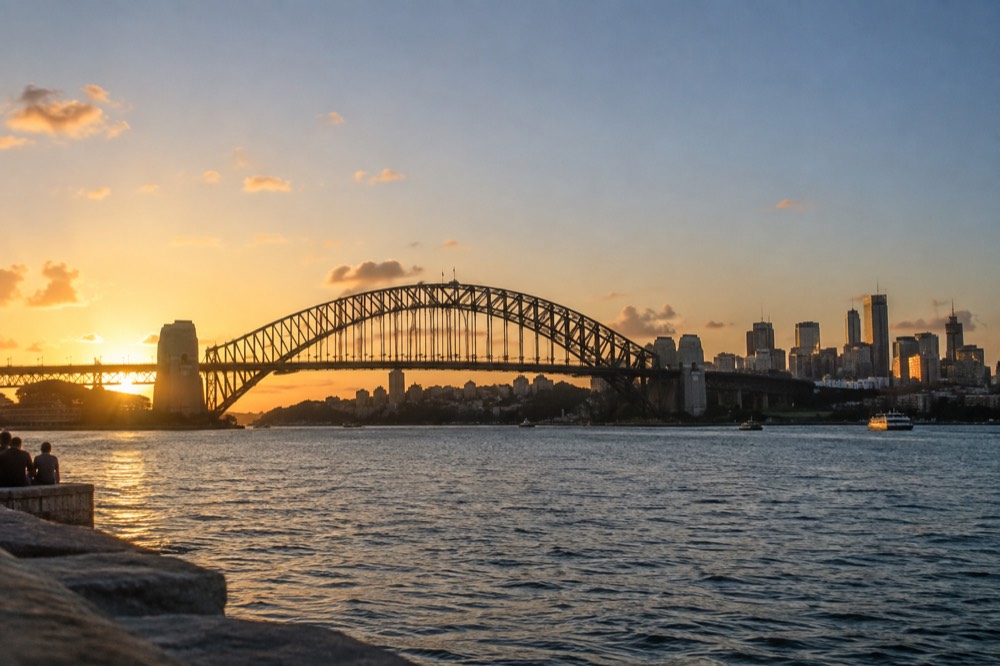
BridgeClimb sells the same bridge four different ways. A dawn departure, a day climb, a twilight climb and a night climb all take you over the Sydney Harbour Bridge arch on the same ladders and catwalks, roughly three hours all up with about two hours on the bridge itself. What changes is the light on the harbour, the temperature on the steel, the crowd noise below and, in several cases, the price. Picking the window is genuinely part of planning the experience, not an afterthought.
What Time of Day Is Best for Sydney BridgeClimb?
Twilight is the best time of day for most climbers: you start in daylight, watch the sun go down over the harbour and finish with the city lights on, all inside one climb. Dawn suits photographers and anyone who wants the quietest deck and the softest light. Night is the cheapest-feeling, most atmospheric window and a strong pick from November through February, when a night climb still runs in warm air. Day climbs are the fallback: reliable, easy to book, and the least memorable of the four.
That ranking is not universal. The right window depends on the month you visit, whether sunset itself or the lit-up skyline is the picture you want, and how sensitive you are to heat, wind and crowds. The rest of this page breaks each window down so you can match one to your trip rather than accept whatever slot is left.
Sydney's seasons are inverted, which matters more here than most visitors expect. December, January and February are summer with a long-run average maximum of 25-26 °C; June, July and August are winter with average maxima of 16-18 °C. The steel of the bridge holds that heat in summer and sheds it in winter, and the light changes with it.
How Do the Four Climb Windows Compare?
There are four departure windows: Dawn, Day, Twilight and Night, each a roughly three-hour experience with about two hours on the bridge. Dawn is limited and books out first; twilight is the most popular for its light transition; night is often the calmest on the deck; day has the widest availability. Indicative operator rates put a Summit Day adult climb from around A$375 on a weekday, with a A$35 per-person peak surcharge from 25 December to 4 January.
Prices are dynamic by date and demand, so treat every figure as a starting point.
The operator, BridgeClimb, runs the Summit experience at roughly three hours door to door, with the on-bridge portion around two hours. Dawn departures are limited, which is worth knowing early: if a sunrise climb is the goal, that slot disappears weeks ahead in peak season. Twilight and night have the widest schedules in the warmer months.
| Window | Typical feel | Best for | Watch out for |
|---|---|---|---|
| Dawn | Soft light, near-empty deck, quiet city | Photographers, early risers, avoiding crowds | Limited departures, colder steel in winter |
| Day | Bright, busy, everything visible | First-time visitors, families, easy booking | Harsh midday light, hotter deck in summer |
| Twilight | Sunset transition into city lights | Most visitors, photographers, couples | Books out earliest in summer |
| Night | Lit skyline, cooler air, atmospheric | Budget-conscious climbers, summer visits, romantics | Opera House interior lights off, darker photos |
One structural point: a twilight climb is the only window that hands you two experiences in one. You get the harbour in daylight from the top, the sunset itself, and the switch to the illuminated skyline before you descend. Nobody who has stood up there at that moment argues for day.
If the bridge climb is the anchor of your Sydney trip, it is worth reading the fuller BridgeClimb Sydney planning guide alongside this page, and the Sydney Harbour Bridge guide covers the free walkway and Pylon Lookout alternatives for anyone in your group who would rather not climb.
And if you are building the whole Sydney stay rather than one day, the itineraries on Sydney Travel Guide slot a climb into every length of trip from one day to a week.
Which Climb Time Gives the Best Photos?
Twilight gives the best overall photos because the harbour still has colour while the city lights come on, and the low sun flatters both the Opera House and the skyline. Dawn is the best pure-photography window if you want clean, soft light and no other climbers in frame; night photos are dramatic but harder, since you are shooting a lit city from a dark platform with hands clipped to the line.
A few practical notes from how the climb actually works. You climb in a suit, tethered to a fixed line, and you cannot carry a phone or camera; the operator's own photographer shoots the deck, and you buy images afterward. So the "best photos" question is really about the light you are standing in, not the gear you brought.
In summer, twilight climbs catch a late sunset, which in December and January means the sky still has colour well into the evening. In winter the same window is short and cold: the sun sets early, and the last hour on the bridge can be bleak in a westerly wind. The Bureau of Meteorology's long-run averages for Sydney show winter months with fewer sunshine hours but more clear days than midsummer, so a winter twilight climb is often crisp and bright rather than grey.
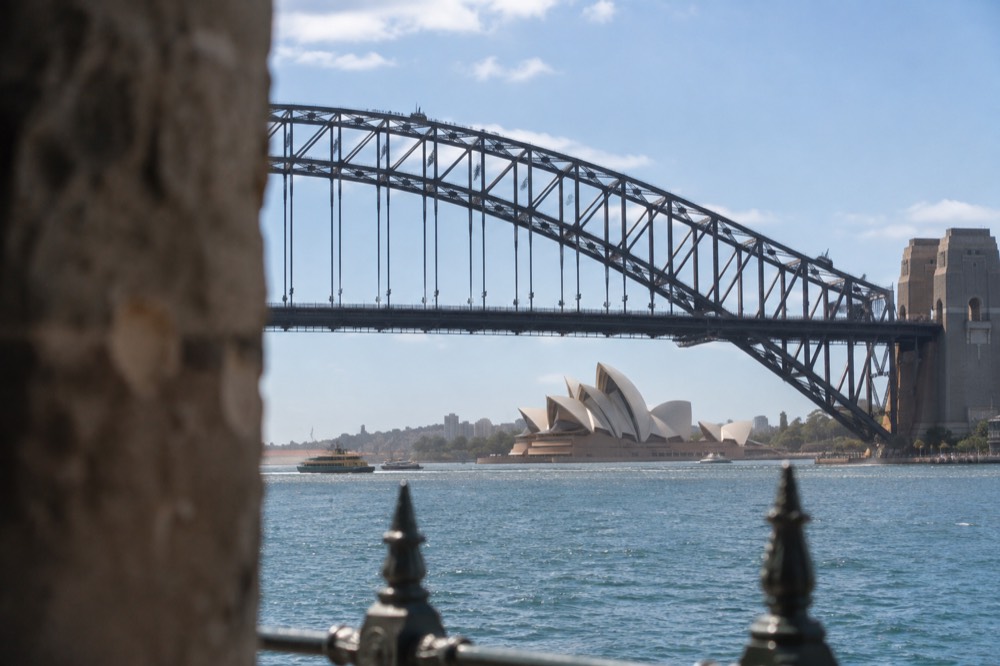
For framing, the Opera House sits best in shots from the eastern side of the arch, and the western side gives you the Harbour Bridge's own structure against Darling Harbour and the western skyline. Your guide pauses at set photo points; the timing of your window decides what those points look like.
Does the Season Change the Answer?
Yes, significantly. In summer, December to February, night and twilight climbs are comfortable and the sunset is late, so both are excellent. In winter, June to August, dawn and day climbs are the safer bet: twilight arrives early and cold, and the deck temperature drops fast once the sun is gone. Spring and autumn are the compromise seasons where every window works, with twilight still the pick.
Sydney observes daylight saving, which shifts the whole schedule. Under NSW rules, daylight saving runs from the first Sunday in October to the first Sunday in April, so a twilight climb in January starts hours later than the same climb in July. Check the official NSW daylight saving dates when you book a shoulder-season slot, because the sunset you are chasing moves week to week.
| Season | Months | Average max temp | Best windows | Worst window |
|---|---|---|---|---|
| Summer | Dec-Feb | 25-26 °C | Twilight, night | Midday day-climb in a heatwave |
| Autumn | Mar-May | 19-25 °C | Twilight, dawn | None, all work |
| Winter | Jun-Aug | 16-18 °C | Day, dawn | Late twilight in wind |
| Spring | Sep-Nov | 20-24 °C | Twilight, dawn | None, all work |
Those temperatures are long-run averages from the Bureau of Meteorology's Sydney climate normals, not a forecast; a February day can still hit 35 °C and a July morning can be 8 °C on the steel. Dress in layers that fit under the climb suit, which the operator provides along with all the gear.
One counterintuitive fact worth knowing: June is Sydney's wettest month on the long-run averages, wetter than any summer month, while August is its clearest. A winter climb booked for August is statistically a better sky bet than a February one, even though February is peak tourist season. Climbs run in light rain, with gear provided, but heavy weather can cancel departures, so keep a spare day in your itinerary if the climb matters.
How Far Ahead Should You Book a Climb Time?
Book a twilight or dawn climb three to six weeks ahead, and earlier across late December and January when the peak surcharge window and school holidays stack up. Night and day climbs can often be booked one to two weeks out, though summer weekends still fill. The slot you want, not the date, is what sells out, so decide the window first and be flexible on which day it falls.
The peak surcharge of A$35 per person applies from 25 December to 4 January, and that fortnight is also when dawn and twilight departures vanish first. If your dates are locked to that period, book as early as the calendar opens. Outside it, midweek departures are easier and often cheaper than weekend ones under the operator's dynamic pricing.
If a night climb is on your list, pair it with something earlier in the day rather than treating the evening as dead time. Sydney has a full things to do at night scene, but the reverse also works: a day trip out of the city followed by a night climb back in town is a genuinely good structure.
What If the Weather Turns on Your Climb Day?
Climbs run in light rain and wind, with all-weather gear provided, and the operator reschedules or refunds fully cancelled departures, so you do not lose your money to weather. The window most affected is twilight in winter, when a front moving through can strip the sunset out of the climb. If the forecast looks bad, a morning slot is the safer booking, since sea breezes and afternoon change-ups build through the day.
Sydney's weather has a rhythm: mornings are more often settled, and summer afternoons can swing to thunderstorms, then clear again by evening. A dawn or early-day climb statistically faces calmer air than a late-afternoon one in the warmer months. In winter the pattern is duller, with June the wettest month on average, so a July or August booking benefits from the clearer skies those months bring.
If your climb is cancelled, you will be offered a reschedule first, and the experience is short enough at roughly three hours that most itineraries can absorb a move to the next morning. That is another quiet argument for not booking your climb on your departure day: leave a buffer.
Common Questions About Sydney BridgeClimb Timing
What time of day is best for Sydney BridgeClimb?
Twilight is the best window for most climbers, because one climb covers daylight, sunset and the lit-up skyline. Dawn suits photographers and anyone wanting the quietest deck. Night is atmospheric and works especially well in summer; day climbs are reliable and easiest to book.
Is the night BridgeClimb worth it?
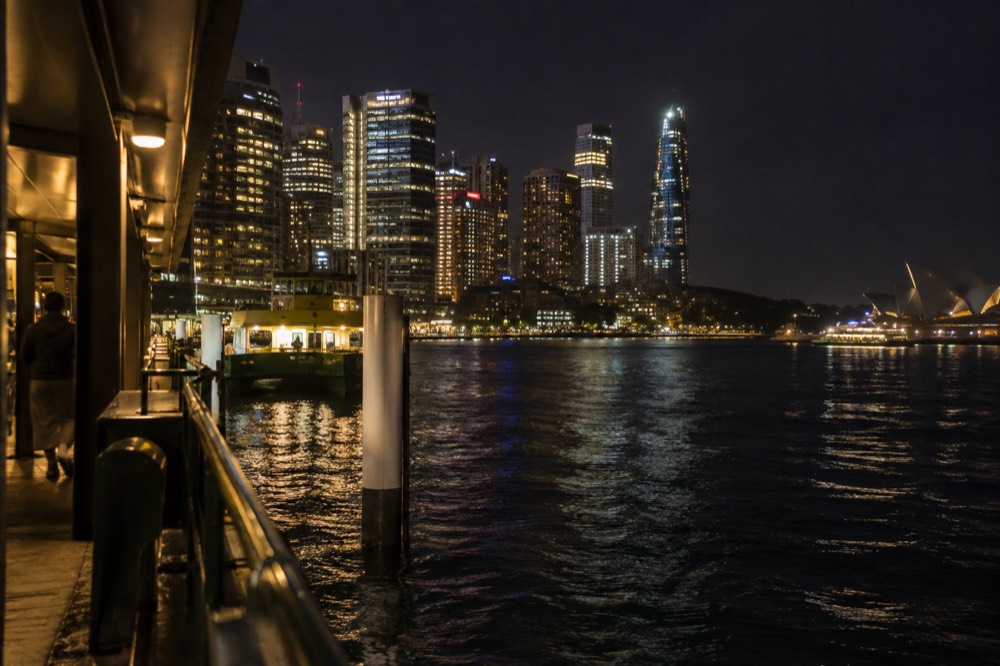
Yes, especially from November to February when the night air is warm. You see the illuminated Opera House and skyline from the top of the arch, the deck is calmer, and night departures are often easier to book than twilight. Photos are harder in the dark, so go for the experience rather than the pictures.
How long does a BridgeClimb take?
The Summit experience runs roughly three hours in total, with about two hours actually on the bridge. Allow time either side for check-in, the safety briefing and suiting up, which is included in that window.
Does the season change which climb time is best?
It does. In summer, December to February, twilight and night are comfortable and the sunset is late. In winter, June to August, dawn and day climbs are warmer and twilight ends in the dark and cold. Spring and autumn suit every window.
Do BridgeClimb prices change by time of day?
Yes. Pricing is dynamic by date, time and demand. Indicative operator rates put a Summit Day adult climb from around A$375 on a weekday, with night and some off-peak slots cheaper and a A$35 per-person surcharge from 25 December to 4 January. Treat all figures as starting points and check the live listing when you book.
What happens if it rains on my climb?
Climbs run in light rain with all-weather gear provided. If the operator cancels a departure for heavy weather, you are offered a reschedule or a refund, so weather does not cost you the fare. Morning slots face calmer conditions more often than late-afternoon ones in the warmer months.