Is Sydney Worth Visiting?
An honest, numbers-based answer to whether Sydney is worth visiting, covering costs, weather, beaches, transport and what the city actually does best.
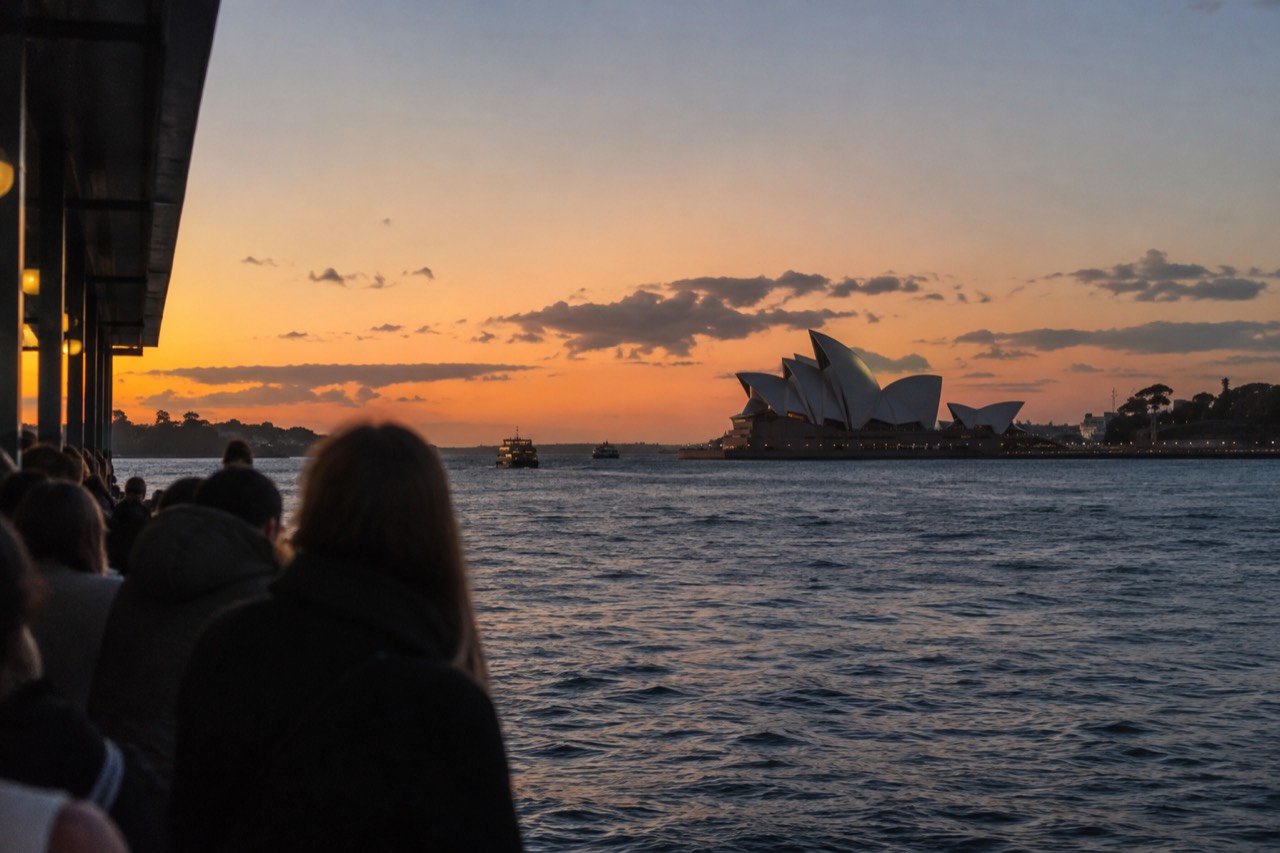
Sydney receives 67.5 million visitors a year ending March 2026, according to Destination NSW, and 3.9 million of them came from overseas. Those people are not all wrong. But a city that expensive and that far from Europe and North America deserves a straight answer rather than a brochure, so this page works through the actual case: what Sydney is genuinely good at, what it is mediocre at, and who should spend their money somewhere else.
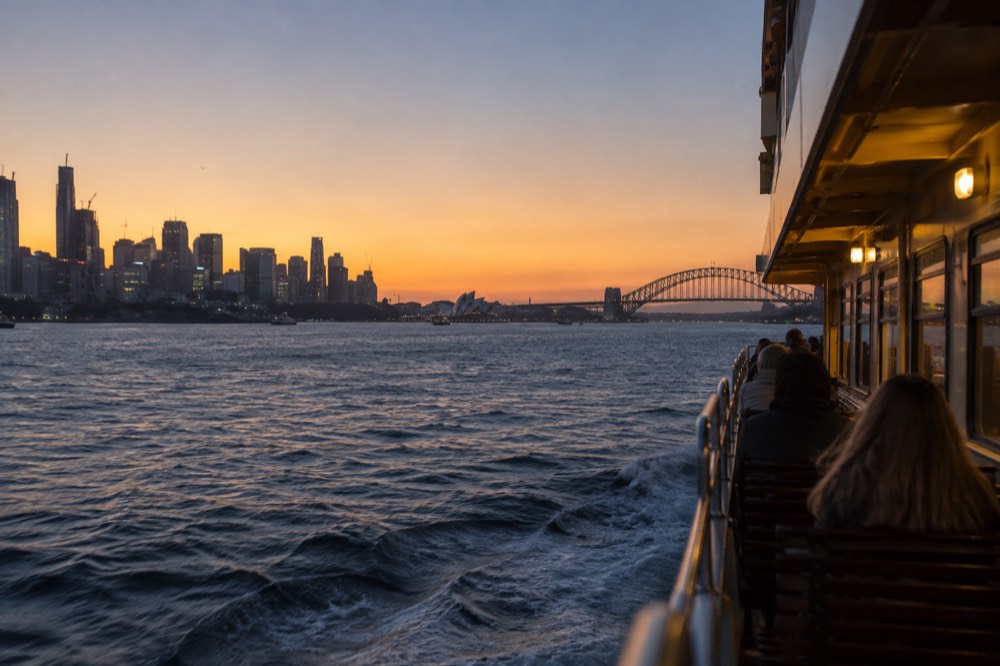
Is Sydney Worth Visiting?
Yes, for most travellers Sydney is worth visiting, and the reason is specific: it is one of very few major cities where the headline attractions are free or near-free and involve no queue. The harbour itself, the coastal walks, the ferry rides and the beaches cost almost nothing, and the long-run average maximum temperature is 21.8 °C. Where Sydney falls down is cost, and a mid-range day here can easily run past A$200 before a single ticketed attraction.
The case for Sydney rests on geography rather than monuments. The city is built around a drowned river valley that produces one of the great natural harbours, and the ordinary infrastructure of the place, its ferries, its foreshore paths, its ocean beaches, doubles as its sightseeing. In most world cities you walk or ride between attractions. In Sydney the walk and the ride are the attraction.
That has a practical consequence for how you should plan. The expensive, ticketed items here, the BridgeClimb, the tall-ship dinners, the helicopter flights, are enhancements layered on top of a free product. If your budget is thin, you lose remarkably little by skipping them. The budget guide to Sydney covers how much of the city you can see for almost nothing, and the answer is most of it.
The case against is honest too. Sydney is one of the most expensive cities most visitors will ever sleep in, it is a minimum of several hours' flight from anywhere that is not Australia or New Zealand, and its most famous beach, Bondi, is smaller and busier than the photographs suggest. If your trip is short and your interests run to museums and medieval streets rather than water and light, Melbourne or even a European city will give you more per day and per dollar.
What Does Sydney Actually Do Better Than Anywhere Else?
Sydney's unfair advantages are its harbour transport, its ocean-pool-and-beach combination, and its winter clarity. The public ferry to Manly costs A$9.20 one way on an Opal card and is routinely described by visitors as better value than any cruise they have paid for. Add the fact that August, mid-winter, averages 13.4 clear days, the most of any month, and the city outperforms its own postcard in the season nobody expects.
Start with the ferries, because they are the single best-value experience in the city and most visitors never realise it. Sydney Ferries runs routes F1 to F10 with full Opal benefits, and the F1 to Manly crosses the entire harbour, past the Opera House, the bridge and the heads, in about half an hour. The guide to Sydney's ferries breaks down every useful route, but the short version is that a day of ferry hopping sits inside the Opal daily cap and delivers the views a paid harbour cruise sells.
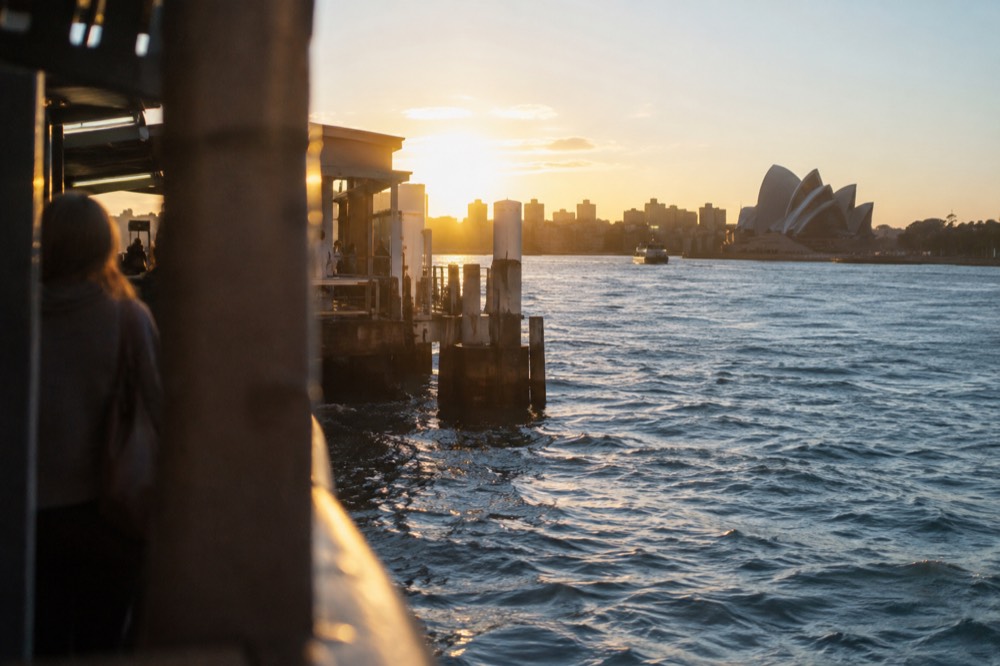
Then the coast. Sydney is one of the few cities in the world where a genuine ocean beach with a surf patrol sits on a train or bus line from the central business district, and where historic ocean pools, some free, some club-run, sit at the southern end of several of them. The Bondi to Coogee walk is free, takes most people two to three hours with stops, and passes four beaches, a cemetery and two ocean pools. The Bondi to Coogee coastal walk guide maps it properly.
The winter clarity point deserves its own paragraph because almost no international visitor arrives knowing it. The Bureau of Meteorology's long-run normals for Sydney, station 066062, show August with 13.4 mean clear days, ahead of every summer month, and February, the middle of peak season, with just 5.3, the fewest of the year. June is the wettest month at 133.1 mm on average, wetter than any summer month. Peak season here is statistically the cloudiest time of year, and late winter is the clearest. That inverts almost every northern-hemisphere instinct about when to go.
If you want the harbour view without piloting your own ferry day, a dedicated sightseeing cruise is the straightforward option. The morning and afternoon harbour sightseeing cruise from Circular Quay runs 90 minutes on a proper commentary circuit, and it pairs naturally with an observation deck ticket or a walking tour of The Rocks, the two other items in the trio above. Between them they cover the three angles the city is actually about: the water, the height and the history at ground level.
How Expensive Is Sydney Really?
Budget realistically for A$150 to A$250 per person per day in Sydney including accommodation, and more in December and January. A flat white costs a few dollars, a mid-range dinner main runs A$30 to A$45, and the Opal daily cap keeps all public transport under A$19.30 a day Monday to Thursday and A$9.65 from Friday to Sunday. Sydney is not worth visiting if that daily number breaks your trip budget, because the city does not have a cheap workaround for accommodation.
The transport numbers are the good news and they are worth knowing precisely. Transport for NSW publishes the adult Opal fares, and the caps are the figure that matters to a visitor: A$19.30 a day Monday to Thursday, A$9.65 a day on Fridays, weekends and public holidays, and A$50 across a Monday-to-Sunday week, network-wide. A contactless credit or debit card is charged exactly the same as an Opal card, so you never need to buy or top up a card. The one trap is the airport: the station access fee at the airport, currently A$18.61 for an adult, sits outside both caps, charged on top of the train fare.
| Cost item | Typical range | Notes |
|---|---|---|
| Hostel bed | A$45-80 per night | Central and Kings Cross areas |
| Mid-range hotel room | A$180-320 per night | Peaks in December and January |
| Flat white coffee | A$4.50-6 | Cafe standard across the city |
| Mid-range dinner main | A$30-45 | The Rocks and Surry Hills skew higher |
| Opal daily cap | A$9.65-19.30 | Cheaper cap on Fri-Sun and public holidays |
| Airport station access fee | A$18.61 adult | On top of the fare, outside all caps |
| Bondi to Coogee walk | Free | About 6 km of coastline |
| Royal Botanic Garden entry | Free | Open 7am to sunset daily |
Food and drink are where budgets quietly die. A casual brunch is A$25 to A$35 a head before coffee, and a pint in a harbour-view pub is comfortably into the teens. The Sydney trip cost breakdown does this arithmetic day by day, and the rainy day itinerary is worth a look too, because June, the wettest month, is exactly when the indoor options earn their keep.
There are real freebies, and they are not consolation prizes. Entry to the Royal Botanic Garden Sydney is free, the Art Gallery of New South Wales is free general entry and open until 10pm on Wednesdays, and the Australian Museum on William Street is free for general admission. The free things to do in Sydney guide lists the full set, and it is long enough that a budget traveller can build a genuinely good two-day plan from it.
When Is Sydney Worth the Trip, and When Is It Not?
Sydney is at its best in October, November, March and April, when the weather is warm, the crowds are thinner and the daylight is long. It is at its statistical worst in February, the cloudiest month, and most crowded through late December and January. It is worth visiting in winter too, June to August, if you accept cooler temperatures, because August is the city's clearest month and everything is cheaper.
The month-by-month logic comes straight from the climate record. Summer, December through February, means mean maximums of 25.3 to 26.0 °C, the biggest crowds, the highest [accommodation](https://booking.tpk.ro/ndznHj9h) prices and, counterintuitively, the cloudiest skies of the year. Autumn, March to May, keeps maximums in the low twenties and carries the year's wettest individual months, March at 131.6 mm and April at 126.5 mm, so pack for showers rather than avoiding the season. Spring, September to November, is the most reliable balance of warmth and clarity.
Winter is the insider's season. The mean maximum in July is 16.4 °C, which is mild by almost any northern standard, and the skies in July and August are clearer than any summer month. Whale watching runs May to November along this coast, with the southern migration, mothers and calves closer to shore, peaking from August. The best time to visit Sydney guide works through all twelve months with the actual normals rather than the folklore.
Who Should Skip Sydney?
Skip Sydney if your trip is under three days, if your budget cannot absorb A$200-plus a day, or if your interests are mainly indoor culture, because the city's museums are good but not its core strength. Also consider skipping it if you are visiting Australia solely for the Outback or the Great Barrier Reef, which are both a long and expensive flight or drive away from here. Sydney rewards travellers who want a city built around water and walking.
The honest failure mode is the short stopover. Sydney's attractions are spread along a coastline and a harbour, not stacked in one walkable core, and the best of them, a coastal walk, a ferry to Manly, an afternoon at Bondi, take half a day each. Two days is enough to see the postcard. Four or five is enough to understand why locals think this is the best city in the country. The how many days do you need in Sydney guide settles that question with a real itinerary for each length.
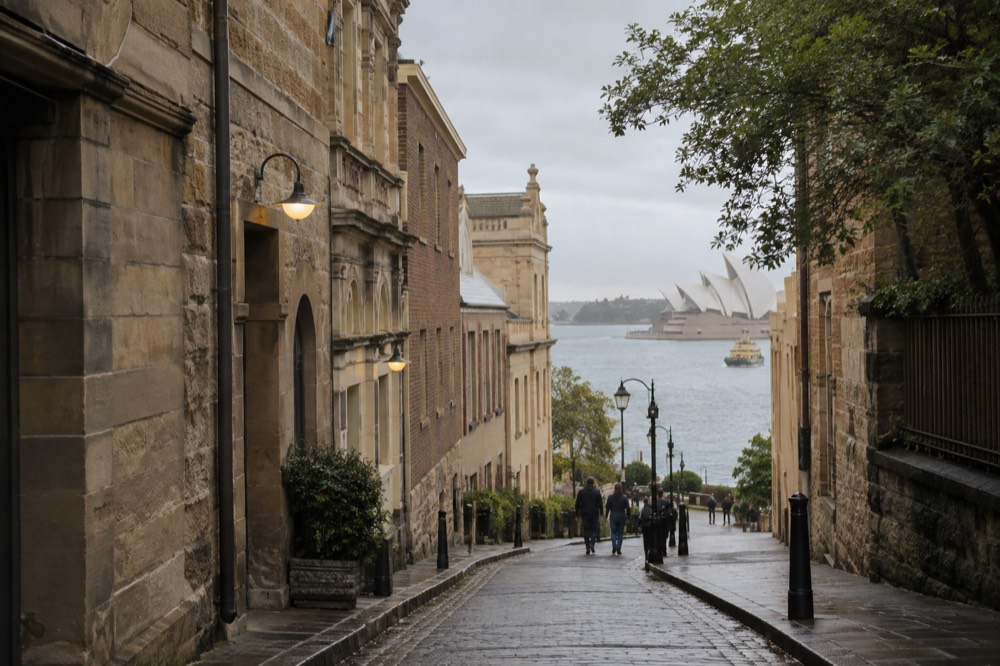
The other honest failure mode is expecting Europe. Sydney is a young city, and its historic quarter, The Rocks, is genuinely atmospheric but small. Its strengths are natural setting, beaches, food and climate, and its indoor cultural institutions, while several are free, would not alone justify the [airfare](https://aviasales.tpk.ro/Kg1hHgcX) from anywhere. If that profile does not appeal, the money is better spent in Melbourne for culture, or in Queensland for the reef.
For everyone else the verdict is straightforward. Sydney is worth the flight, it rewards a slower plan over a checklist, and its best experiences are either free or cost less than a lunch. This site, Sydney Travel Guide, exists because the city repays the effort of planning it properly, and the numbers above are the reason the answer is yes.
Common Questions About Is Sydney Worth Visiting?
Is Sydney worth visiting?
Yes, for most travellers. The harbour, the coastal walks, the ferries and the beaches are world-class and mostly free or near-free, and the long-run average maximum temperature is 21.8 °C. The trade-offs are high costs and long flight times, so it suits travellers with at least three or four days and a budget that can absorb A$150 to A$250 a day.
Is Sydney or Melbourne better to visit?
They suit different trips. Sydney wins on natural setting, beaches, harbour views and winter clarity, while Melbourne wins on museums, live music, laneway culture and food density. The full comparison, including costs and climate month by month, is in the Sydney versus Melbourne guide on this site.
What is the best month to visit Sydney?
October and November, followed by March and April. These months combine warm temperatures, clearer skies and thinner crowds than the December-January peak. August is the statistically clearest month of the year and is worth considering for a cheaper, cooler visit.
Is Sydney too expensive to be worth it?
It is expensive but not prohibitive. Public transport is capped at A$9.65 to A$19.30 a day, the Royal Botanic Garden, the Art Gallery of NSW and the Australian Museum have free general entry, and the best experiences, the ferry to Manly and the Bondi to Coogee walk, cost a few dollars or nothing. Accommodation is where the budget strains.
How many days do you need in Sydney?
Four days is the sweet spot. Two covers the Opera House, The Rocks, a ferry ride and Bondi; four adds the coastal walk, Manly, a harbour cruise and a Blue Mountains day trip. Fewer than three days and the city's spread-out geography works against you.