Is Sydney or Melbourne Better for a Short Trip?
A practical comparison of Sydney and Melbourne for a short trip, covering sights, weather, transport and what each city does best in two or three days.
Is Sydney or Melbourne Better for a Short Trip?
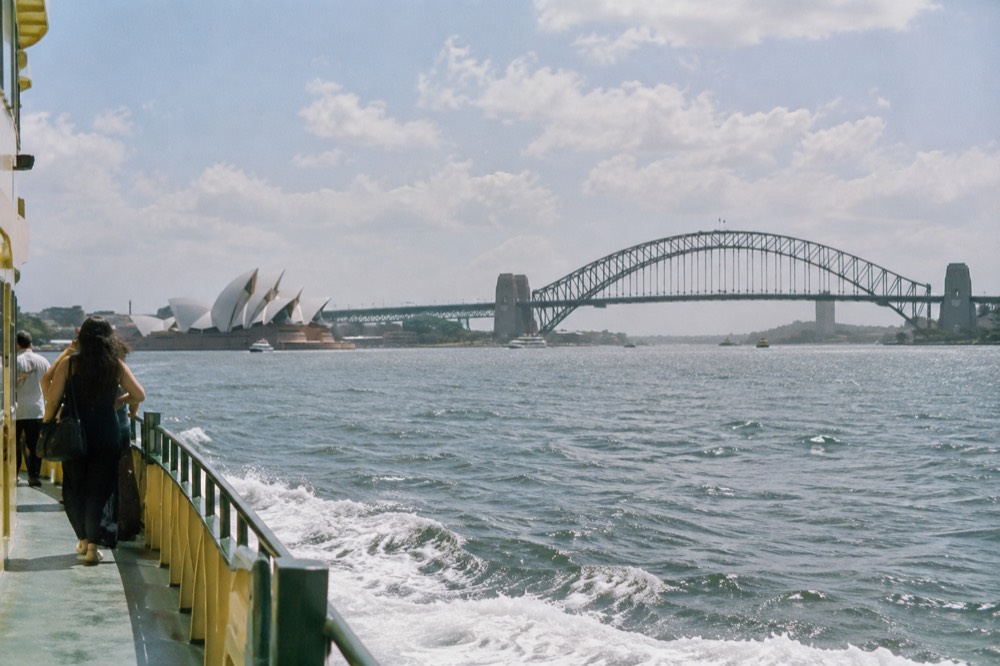
For a trip of two or three days, Sydney is the safer choice for most first-time visitors, because its headline sights sit within walking distance of each other around the harbour, and the ferry network turns transport into part of the experience. Melbourne suits travellers who prefer food, laneways, coffee and culture over big views, and it rewards a slower, wandering pace. If this is your only short visit to Australia, most itineraries start in Sydney.
The honest answer depends on what you want from a short trip, and on the season you arrive. Sydney's advantages are physical: a harbour that ranks among the most recognisable cityscapes on earth, beaches reachable by public transport, and a compact cluster of sights around Circular Quay, The Rocks and the Royal Botanic Garden. Melbourne's advantages are atmospheric: a dense grid of laneways, a food and coffee scene locals treat as a civic institution, and a cultural calendar that fills the calendar year-round. Neither city can be "done" in a weekend, but both deliver a satisfying slice in three days.
This site covers Sydney, so it is worth saying plainly: we are not pretending to be neutral about the destination. But the comparison is a real question travellers ask, and it deserves a real answer rather than a cheerleading one. If you are planning a longer Australian itinerary, our Sydney versus Melbourne comparison guide goes deeper on cost, lifestyle and the arguments locals actually have.
How Do the Two Cities Compare on a Short Itinerary?
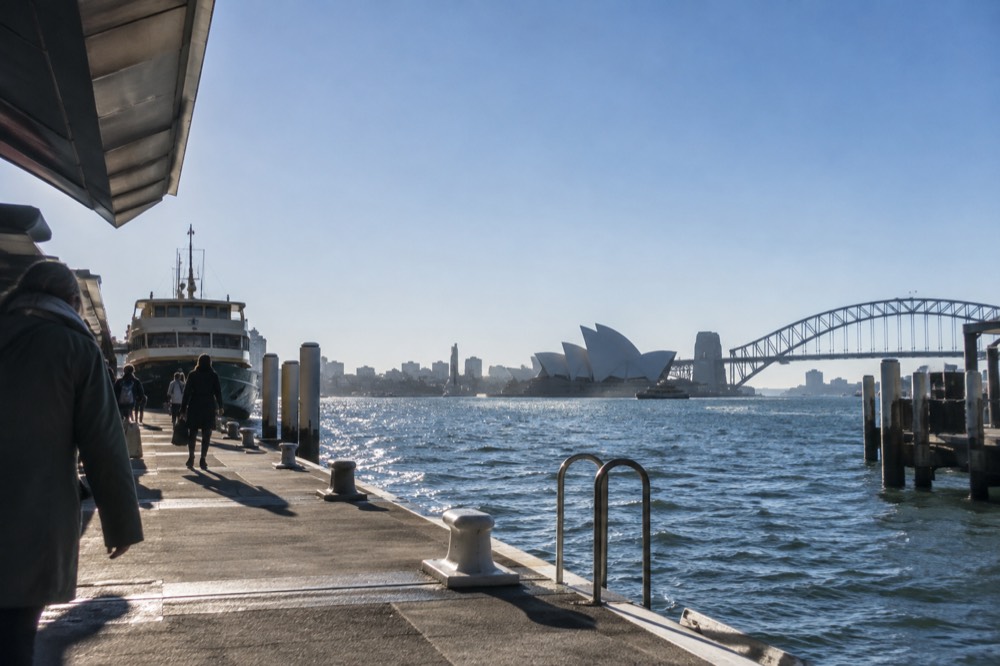
Sydney packs its best-known sights into a walkable harbour core: the Opera House, Harbour Bridge, The Rocks, the Royal Botanic Garden and Circular Quay are all within about two kilometres of each other, and a ferry ride to Manly doubles as a sightseeing trip. Melbourne's centre is smaller on the map but denser in experience, and its famous attractions, street art, markets and museums, reveal themselves over days rather than in one postcard view. Sydney shows you its best face in a morning; Melbourne earns it.
A short trip is really a question of geography. In Sydney you can walk from the Opera House through the Royal Botanic Garden to Darling Harbour in a single morning, and the walk itself passes the best views in the city. Melbourne's CBD rewards a different technique: pick a laneway, wander, double back, find the coffee. Both work, but the Sydney approach is easier to plan from home, which matters when you only have 60 hours.
Here is how the two compare on the things a short-trip traveller actually weighs:
| Factor | Sydney | Melbourne |
|---|---|---|
| Signature sight | Sydney Opera House and Harbour Bridge, seen from the water | Flinders Street Station, laneways and street art |
| Best short-trip activity | A ferry across the harbour | A laneway food and coffee walk |
| Walking core | Harbour foreshore, about 2 km end to end | CBD grid, compact and flat |
| Beach access by train or bus | Bondi and Manly, under an hour | St Kilda, about 30 minutes from the city |
| Pace that suits it | Sights first, then relax | Wander first, let the city reveal itself |
| Weather character | Sunnier and warmer on average | Changeable, "four seasons in one day" |
If you choose Sydney, the fastest way to lock in the harbour experience is a sightseeing cruise: the Sydney Harbour Sightseeing Cruise runs 90 minutes from Circular Quay with morning and afternoon departures, and it puts the Opera House and the bridge in one frame without eating a whole day. For a first evening, a guided walk through The Rocks covers the oldest streets in the city, and the Sydney Tower Eye deck gives you the layout from above before you explore at ground level.
What Does Sydney Do Better for a Short Visit?
Sydney wins on views, water and weather confidence. The harbour gives the city a natural structure that a short itinerary can follow, the beaches are genuinely reachable without a car, and its summer, December through February, is reliably warm. The Bureau of Meteorology's long-run averages put Sydney's annual mean maximum at 21.8 degrees, and August, late winter, is statistically its clearest month, with 13.4 mean clear days against February's 5.3.
That last figure surprises people, and it is one of the most useful facts in this comparison. Peak tourist season in Sydney, the middle of summer, is statistically the cloudiest time of year, while late winter delivers the clearest skies. Melbourne, by contrast, is famous for weather that changes by the hour, which matters more on a short trip than on a long one, because you have fewer days to absorb a washout. Neither city is a bad weather bet, but Sydney's averages are steadier.
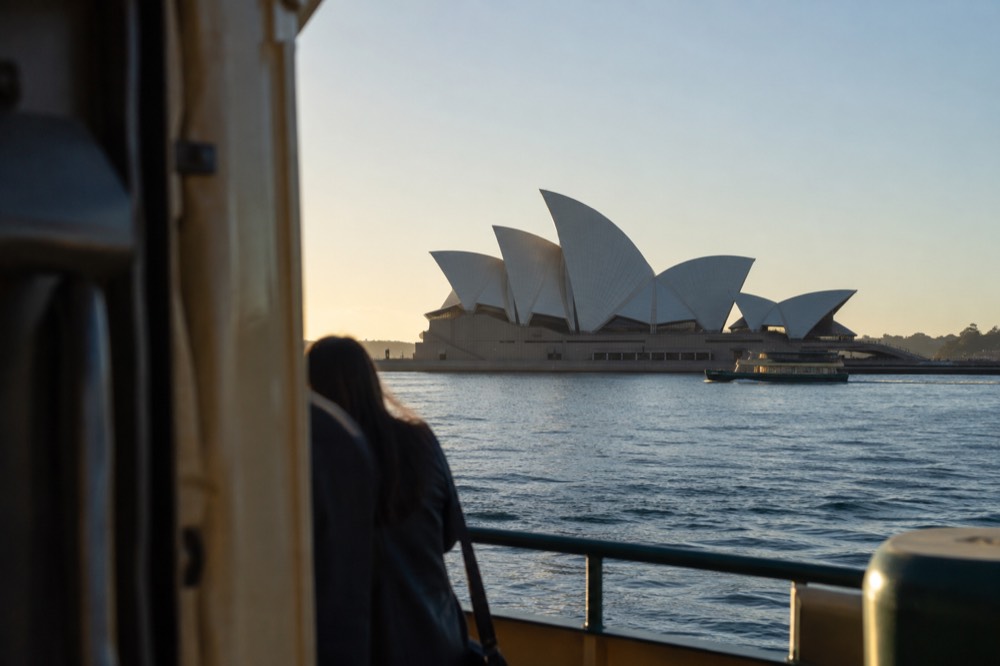
Sydney's other short-trip strength is that its transport doubles as sightseeing. The public ferry network accepts the same Opal card as trains and buses, and the Manly ferry crossing is a harbour tour at the price of a commute, as our guide to Sydney ferries explains in detail. Transport for NSW publishes the full fare and route detail on its official ferry pages. Melbourne's trams are charming, and the city circle tram is free, but the view from a Sydney ferry is a different class of experience.
If your short trip lands in whale season, May to November, Sydney adds another string: humpbacks migrate along the NSW coast, with the southern migration, when cows and calves travel closer to shore, running roughly August to November. NSW National Parks publishes the migration facts and viewing guidance on its own site. Melbourne has no equivalent on its doorstep.
What Does Melbourne Do Better?
Melbourne wins on food, coffee, culture and the density of things to find on foot. Its laneway bars, markets and street art sit inside a compact grid you can cross in 20 minutes, and the city's restaurant scene is the one Sydneysiders concede without much of a fight. For a traveller who measures a city by what they ate and drank in it, Melbourne is the better short trip, and its gallery and theatre calendar is deeper per square kilometre.
If your idea of a good trip is a long lunch, a rooftop bar and an art gallery, Melbourne will not disappoint. The city's coffee culture is not a cliché invented for tourists; it is a genuine local institution, and a laneway walk with stops along the way is the single best three hours the city offers. Melbourne also hosts major events through the year, and its sports precinct is a real draw for visitors with tickets.
The counterargument for a short trip is pace. Melbourne rewards wandering, and wandering needs time. On a two-day visit you can easily spend half a day in the laneways and still feel you have missed the city, whereas Sydney's harbour gives you a spine to hang a short itinerary on. Our how many days do you need in Sydney guide covers that planning question in detail, and the same logic applies in reverse: Melbourne is a city where the third and fourth days pay off most.
Which City Is Easier to Arrive Into and Get Around?
Both are easy, but Sydney's airport connection is simpler for a short trip. The train from either Sydney Airport station to the city centre takes about 13 minutes and runs frequently, though a separate station access fee applies on top of the fare, while Melbourne's SkyBus runs a similar door-to-door job into its CBD. Inside both cities you can rely on one contactless tap: Sydney's Opal system and Melbourne's myki both accept credit cards and devices, so no visitor needs to buy a transit card for a weekend.
Sydney's contactless payments work across metro, train, bus, ferry and light rail with the same caps and discounts as the Opal card, and Transport for NSW explains the best ways for visitors to pay on its official fares pages. The one trap worth knowing is the airport station access fee, which sits outside the daily fare caps. Melbourne's myki system is similar in principle, and its free city circle tram covers the CBD grid at no cost at all.
For a short trip, the practical difference is small. Both cities are walkable in the centre, both have good rail links from the airport, and both punish the traveller who tries to drive and park in the CBD. Choose the city on its character, not its logistics.
So Which Should You Choose for a Short Trip?
Choose Sydney if this is your first or only short trip to Australia, if you want the views, the water and the beaches, or if you are visiting between May and November and want the whale season. Choose Melbourne if you have been to Sydney before, if food and coffee are the point of travel for you, or if you prefer a city you discover on foot rather than one that announces itself. Two days or less favours Sydney; three days or more starts to favour Melbourne.
There is also a cheat answer that many travellers take: fly into one and out of the other. The flight between the two takes about 90 minutes, and the corridor between them is one of the busiest air routes in the country, so a split trip costs you little more than a single-city one. If you can stretch to five or six days, two or three in each city is a genuinely good use of the time.
Whichever you pick, book the two or three things that matter most before you arrive. Short trips have no slack for a sold-out harbour cruise or a full walking tour, and the operators with the best reviews fill first. Our Sydney Travel Guide hub covers the planning basics if Sydney wins your coin toss.
Common Questions About Sydney Versus Melbourne for a Short Trip
Is Sydney or Melbourne better for a short trip?
Sydney is better for most first-time short trips, because its harbour sights cluster together and the ferries make transport part of the fun. Melbourne is better if food, coffee and laneway culture matter more to you than views, and it rewards three days or more.
Is Sydney or Melbourne more expensive for a short visit?
The two cities cost broadly similar amounts for [accommodation](https://booking.tpk.ro/ndznHj9h), food and transport, and neither carries a visitor levy or tourist tax. Melbourne's dining can run slightly cheaper at the casual end, while Sydney's harbour activities, such as cruises and the BridgeClimb, are the biggest optional spends.
Which city has better weather for a short trip?
Sydney is warmer and steadier on average, with an annual mean maximum of 21.8 degrees, and it is statistically clearest in August, late winter. Melbourne is changeable at any time of year, so pack layers there regardless of season.
Can you do both Sydney and Melbourne on one short trip?
Yes, if the trip is five days or more. The flight between them takes about 90 minutes and runs constantly, so two or three days in each city works well. On a trip of two or three days total, pick one city and enjoy it properly.
Is Sydney or Melbourne better for beaches?
Sydney, comfortably. Bondi, Manly and Coogee are reachable by train, bus or ferry from the city centre, and the ocean pools along the coast give you a swim even when the surf is rough. Melbourne's bay beaches are pleasant but not in the same class.