Can You See Kangaroos Near Sydney?
Yes, you can see kangaroos near Sydney: in zoos and wildlife parks minutes from the city, and wild mobs in the national parks and farmland on the city's fringe. Here is where and when.
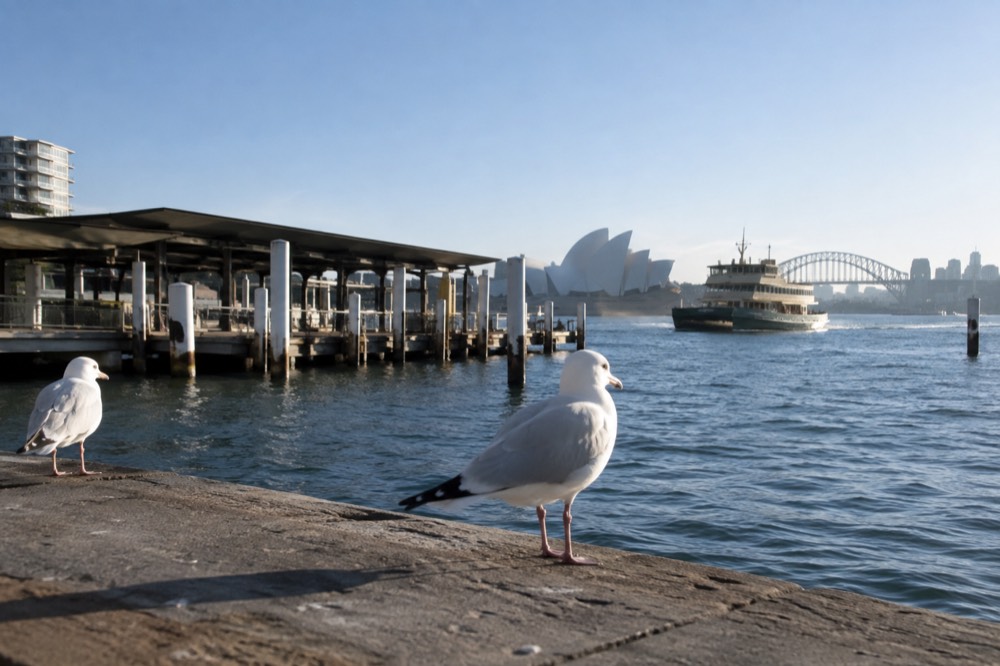
Can You See Kangaroos Near Sydney?
Sydney is a city of five million people wrapped around a harbour, and kangaroos do not commute. That surprises nobody. What does surprise visitors is how little distance stands between the CBD and a mob of wild eastern greys grazing at dawn, or how easily a guaranteed sighting fits into a harbour day. The short answer is yes, on two levels: guaranteed animals in the city's zoos and wildlife parks, and genuinely wild kangaroos in the national parks and semi-rural fringe an hour or so out. The long answer, with places, times and the honest caveats, is below. This page is part of the wildlife coverage at Sydney Travel Guide, which includes a companion piece on where you can see koalas in Sydney.
Can You See Kangaroos Near Sydney?
Yes, easily, in two different ways. Inside the city, Taronga Zoo, Wild Life Sydney Zoo and Featherdale Wildlife Park all hold kangaroos you can walk right up to, and Taronga sits just a ferry ride from Circular Quay. Outside it, wild eastern grey kangaroos live in Royal National Park, Ku-ring-gai Chase National Park and on farmland across the city's fringe, and your odds rise sharply at dawn and dusk when they come out to feed.
The distinction matters because the two experiences are completely different products. A zoo sighting is certain, close and comfortable: you can stand a metre from a kangaroo at Taronga at midday in the rain. A wild sighting is a matter of timing and luck, but it is the one people remember, because a mob of twenty kangaroos grazing in a clearing with nobody else around is the Australia most visitors flew in for.
Neither option requires a big expedition. Taronga is twelve minutes by ferry from the city, and the Taronga Zoo guide on this site covers the full visit. Royal National Park is reachable by train and a short walk or a cheap car entry fee, covered in the site's Royal National Park guide. The practical details for both follow below.
Where Are the Best Places to See Kangaroos Near Sydney?
The best guaranteed option is Taronga Zoo, where kangaroos and wallabies live in walk-through areas, reached by ferry from Circular Quay. The best wild options are Royal National Park and Ku-ring-gai Chase National Park on the city's southern and northern fringes, plus the farmland around the Blue Mountains and the Southern Highlands, where wild mobs gather on open ground at dawn and dusk.
Guaranteed sightings cluster in three places. Taronga Zoo Sydney, on the harbour's north shore, keeps kangaroos and wallabies in Australian bushland settings and pairs them with koalas, platypuses and a skyline view that no other zoo in the country can match. Wild Life Sydney Zoo at Darling Harbour is the small, weatherproof version, built for a rainy day or a family with tired legs. Featherdale Wildlife Park, out west near Doonside, is the third, and it is the most hands-on of the three, though this site's roster reaches it only inside a Blue Mountains day tour rather than as a standalone ticket.
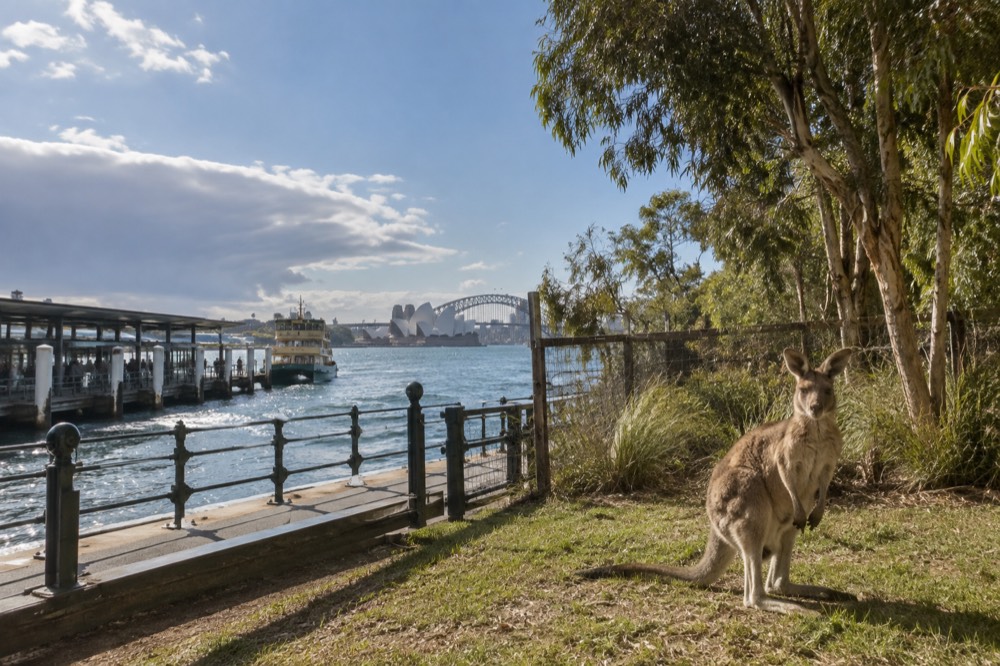
Wild sightings are a different discipline. Kangaroos rest in shade through the middle of the day and feed on open grass at first light and last light, so the people who see them are the people who arrive early. In Royal National Park, the open grasslands around the park's visitor areas and its heath country hold eastern greys; in Ku-ring-gai Chase, the cleared pockets near the park's edges do the same. Further out, the rural roads of the Southern Highlands and the Megalong Valley west of the Blue Mountains are genuinely reliable, because pasture is kangaroo habitat and farmers' paddocks hold mobs that have grazed there for generations.
The table below sets the options side by side.
| Place | Setting | Sighting guaranteed? | Best time | Getting there |
|---|---|---|---|---|
| Taronga Zoo Sydney | Harbour-side zoo, walk-through Australian precincts | Yes | Any time the zoo is open | Ferry from Circular Quay |
| Wild Life Sydney Zoo | Indoor-outdoor park at Darling Harbour | Yes | Any time, good in rain | Walk from the CBD |
| Featherdale Wildlife Park | Wildlife park in the city's west | Yes | Any time | Blue Mountains day tour |
| Royal National Park | Wild heath and grassland, Australia's oldest national park | No, but realistic | Dawn and dusk | Train plus short connection |
| Ku-ring-gai Chase National Park | Wild bushland on the northern fringe | No, but realistic | Dawn and dusk | Train or car |
| Southern Highlands farmland | Open pasture and rural roads | No, but reliable in paddocks | Dawn and dusk | Train or car |
Two honest caveats. Wild kangaroos are wild: nobody can promise you a sighting, and any tour or page that does is selling you something else. And driving at dusk in kangaroo country carries a real animal-strike risk, so if you are in a rental car, plan to be parked and watching rather than on the road in the fading light.
If you would rather lock in a sighting than chase one, these are the three easiest ways to do it from Sydney.
The Taronga option is the one this page recommends most often, because it bundles the two best things in the city, a harbour ferry crossing and a world-class zoo, into a single ticket. The Blue Mountains option suits a day when you want wild country, waterfalls and a stop at Featherdale in the same trip, and the Opera House tour is here for the visitor whose real question is what to do with the rest of a Sydney day once the kangaroo box is ticked.
Can You See Wild Kangaroos in Royal National Park?
Yes, Royal National Park holds wild eastern grey kangaroos, and it is the closest genuinely wild option to the city. They favour the open grassy flats and heath country rather than the rainforest gullies, so your odds depend on where in the park you stand and on arriving early: they feed around dawn, loaf in shade through the middle of the day, and reappear in the hour before sunset.
Royal National Park, south of the city and reachable by train with a short connection at the end, is Australia's oldest national park and one of the oldest in the world. Its kangaroos are not a managed population or a tourist attraction; they are wild animals that happen to live an hour from a major CBD, which is exactly what makes the sighting worth the effort. The open country on the park's western side and the cleared areas around its visitor facilities are where most people encounter them.
Practical notes: vehicle entry costs $12 per vehicle per day, and arriving by train or on foot avoids the fee entirely, which is true of almost every Sydney national park. The park's walks range from short strolls to the full Coast Track, covered in the site's guide to how long the Royal National Park walk is. The NSW National Parks and Wildlife Service publishes current alerts and access details at its fee and passes page, which is the right place to check before any visit.
The same rules apply in Ku-ring-gai Chase to the north: wild animals, open pockets of country, dawn and dusk, no guarantees. If your heart is set on wild kangaroos and you have a full day, the all-inclusive Blue Mountains day trip below calls at Featherdale Wildlife Park on its way home, which pairs a guaranteed close-up sighting with a day of wild scenery.
Is Taronga Zoo a Good Place to See Kangaroos?
Yes, Taronga Zoo is arguably the best kangaroo sighting in Sydney for most visitors, because it is certain, close and folded into a harbour crossing. Kangaroos and wallabies live in walk-through Australian bushland precincts, the zoo is open 365 days a year, and the ferry from Circular Quay delivers you to its doorstep with the Opera House and Harbour Bridge behind you the whole way.
The ferry is half the experience. The crossing from Circular Quay takes minutes and is, on its own, one of the great cheap harbour cruises; the site's [guide to Sydney ferries](/guides/sydney-ferries-guide/) covers the routes. On a clear day you get the skyline, the Opera House and the Bridge from the water, then walk off the wharf straight into the zoo.
| Ticket | Gate price | Online from |
|---|---|---|
| Adult | $57.00 | $51.30 |
| Concession | $43.00 | $38.70 |
| Child (4-15) | $33.00 | $29.70 |
| Infant (under 4) | free | free |
| 2 adults + 2 children | $162.00 | $144.00 |
Taronga's own ticket prices page carries the live figures and any seasonal changes. Booking online is roughly 10% cheaper at every tier, which is a real saving for a family. Hours shift with the seasons: 9:30am to 5pm from September to April, and 9:30am to 4:30pm from May to August, with some late-December and early-January extensions.
The zoo-plus-return-ferry ticket below is the cleanest way to buy the whole day at once.
When Is the Best Time of Day to See Kangaroos?
Dawn and dusk, without exception, for wild kangaroos. Eastern greys feed on open grass in the first and last hours of daylight and rest in shade through the middle of the day, so a midday walk through a national park will usually find empty clearing after empty clearing. Zoo kangaroos, by contrast, are visible all day, which is exactly why the guaranteed options exist.
The pattern is metabolic, not shyness. Kangaroos avoid the heat and conserve energy when the sun is high, then move onto pasture to graze as the light drops. In Sydney's summer, that means activity is squeezed into the cool edges of very long days; in winter, the window is shorter but the animals start later and finish earlier, which conveniently overlaps with when most visitors are up anyway.
Practical advice follows from that. If you are chasing wild mobs, plan to be in position before sunrise or stay past the day-tripper exodus at sunset, and remember the driving caution above: dusk on rural roads is peak kangaroo-strike time, so watch rather than drive. If you are photographing, the low light of those same hours is also the best light you will get all day. And in either season, Sydney's UV index passes the protection threshold by mid-morning for most of the year, so sun protection belongs in the bag even on an early start.
What About Wombats, Koalas and the Other Wildlife?
Sydney's wildlife parks cover the full Australian set in one stop: koalas, wombats, platypuses, echidnas, quokkas and cassowaries alongside the kangaroos. Wild koalas exist in the region but are genuinely hard to find near the city, while wild wombats live in the Blue Mountains and the Southern Highlands, where a dedicated day tour is the realistic way to see one.
The companion question, where you can see koalas in Sydney, gets its own page on this site, but the short version is that koalas sleep high in eucalyptus canopy and are close to invisible even where they are common. Featherdale and Taronga both hold them at eye level, which is why those parks earn their keep. Wombats are the sleeper hit: the all-inclusive wombat and kangaroo day tour below is built around them, and its route through the Southern Highlands and high country is where wild wombats actually live.
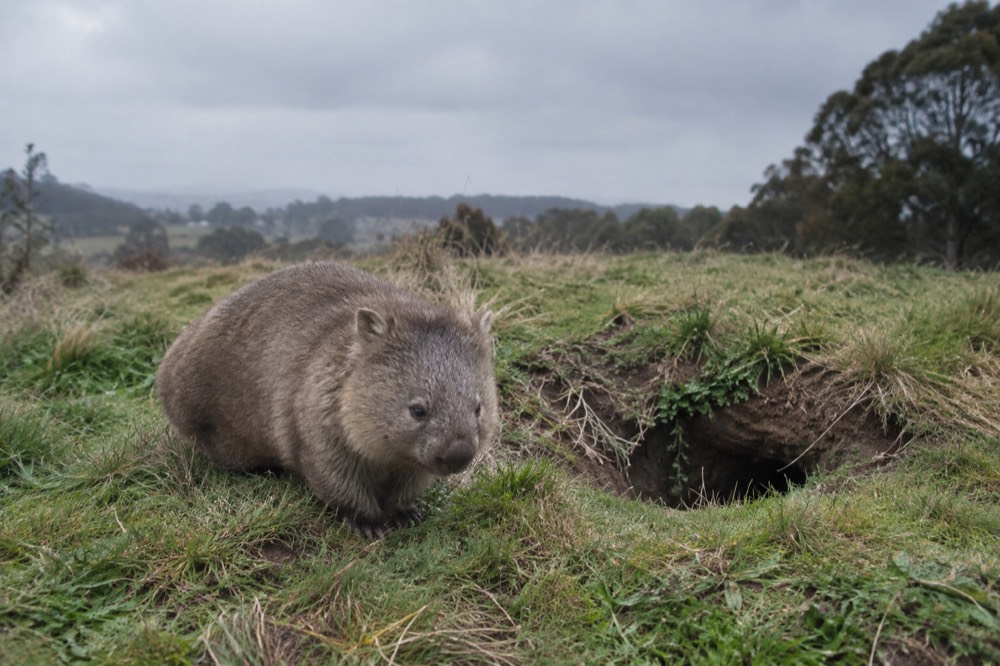
For a day that combines wild kangaroo country with a near-certain wombat sighting, this is the specialist option.
If your day in the city is shorter, the harbour cruise alternatives are covered in the site's Sydney harbour cruises guide, and the wider question of what to do in Sydney at night covers the hours after a dusk wildlife watch ends.
Common Questions About Seeing Kangaroos Near Sydney
Can you see kangaroos near Sydney?
Yes. Taronga Zoo, Wild Life Sydney Zoo and Featherdale Wildlife Park all hold kangaroos within easy reach of the CBD, and wild eastern grey kangaroos live in Royal National Park, Ku-ring-gai Chase National Park and on farmland across the city's fringe. Zoo sightings are guaranteed; wild sightings are realistic if you go at dawn or dusk.
Can you see kangaroos in the wild near Sydney without a car?
Partly. Royal National Park is reachable by train with a short connection at the end, and its wild kangaroos are a realistic target that way. The Blue Mountains and Southern Highlands, where sightings are more reliable, are easier by train than most visitors expect, but the best kangaroo paddocks sit on rural roads where a tour or a car wins.
Are kangaroos dangerous to approach?
Wild kangaroos are not aggressive by default, but they are large, muscular wild animals and should never be approached, fed or cornered, especially large males in the breeding season. Keep your distance, stay quiet, and let them move first. Zoo animals in walk-through areas are habituated to people, but the same rule of not touching or feeding applies.
What is the closest place to Sydney to see kangaroos?
Taronga Zoo, by ferry from Circular Quay, is the closest guaranteed sighting and takes minutes to reach by boat. The closest genuinely wild option is Royal National Park to the south or Ku-ring-gai Chase to the north, both on the city's fringe and both holding wild eastern grey kangaroos.
Do you see kangaroos on a Blue Mountains day trip?
Usually yes, because the best all-inclusive Blue Mountains tours call at Featherdale Wildlife Park, where kangaroos and koalas can be seen and photographed at close range. Wild mobs also graze on the pasture in the Megalong Valley and around the mountains' rural edges, especially in the early morning before the day-trip crowds arrive.
Is seeing a wild kangaroo in Sydney guaranteed?
No, and any page or tour that promises one is overstating. Wild kangaroos move with food, weather and season. What is guaranteed is the zoo sighting at Taronga, Wild Life Sydney or Featherdale; the wild experience is a matter of going to the right habitat at the right hour and accepting that the animals make the final call.
If the guaranteed route sounds like the right fit for your trip, these are the three easiest bookings to make from the city.