How Hard Is the Coogee to Bondi Walk?
The Coogee to Bondi walk is moderately easy for most fit walkers: paved paths, some stairs, ocean views the whole way. Here is what makes it harder than people expect, and how to do it safely.
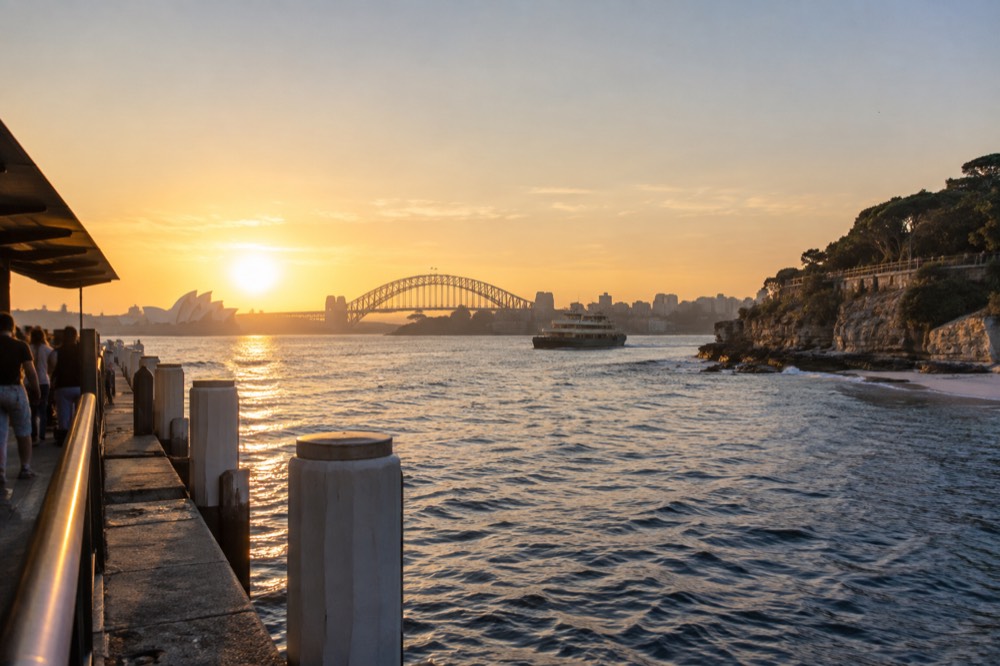
The Coogee to Bondi coastal walk is free, needs no booking, and sits on almost every Sydney itinerary ever written. Yet the question people actually type is not "is it nice" but "how hard is it", and the honest answer has more nuance than the postcards suggest. The path is paved or well-formed nearly the whole way, but it is not flat: the walk climbs and descends every headland between the two beaches, and the stairs are the part that surprises people. Add an unforgiving summer sun and you have a walk that is easy for a regular walker and genuinely tiring for someone who does not walk much.
This page answers the difficulty question properly: the terrain, the stairs, the heat, the safety picture, and what to do instead if it sounds like more than you want. The walk itself costs nothing, which is part of why it appears in our free things to do in Sydney guide, and the full route is mapped in our Bondi to Coogee coastal walk guide.
How Hard Is the Coogee to Bondi Walk?
For a reasonably fit adult the Coogee to Bondi walk is moderately easy: expect roughly 90 minutes to 2 hours of walking on paved and boardwalk surfaces, with repeated sets of stairs at each headland and almost no shade in summer. It is harder than a flat promenade stroll but far easier than a bushwalk. Anyone comfortable with stairs and a couple of hours on their feet will manage it fine, and there are exits and shortcuts along the way.
The difficulty comes in three parts. First, the stairs: the route steps down into each bay and back up over each headland, so you are never on the flat for long. Second, the surface: it is concrete, boardwalk and packed sand, easy underfoot but hard on joints after an hour. Third, the exposure: the Australian sun is the real opponent here. The UV index in Sydney reaches extreme levels of 11 or more in summer, and protection is advised whenever UV hits 3, which in Sydney is most of the year. There is very little shade on the headlands, so a summer midday attempt is the single biggest difficulty multiplier.
Direction matters more than most guides admit. Starting at Coogee means you finish at Bondi, where the transport links, food and atmosphere are strongest, and the final stretch into Bondi feels like a reward. Starting at Bondi means you can swim or eat at Coogee at the end. There is no meaningful elevation difference between the two directions, because you climb every headland either way; choose on where you would rather finish, not on gradient.
What Makes the Walk Harder Than People Expect?
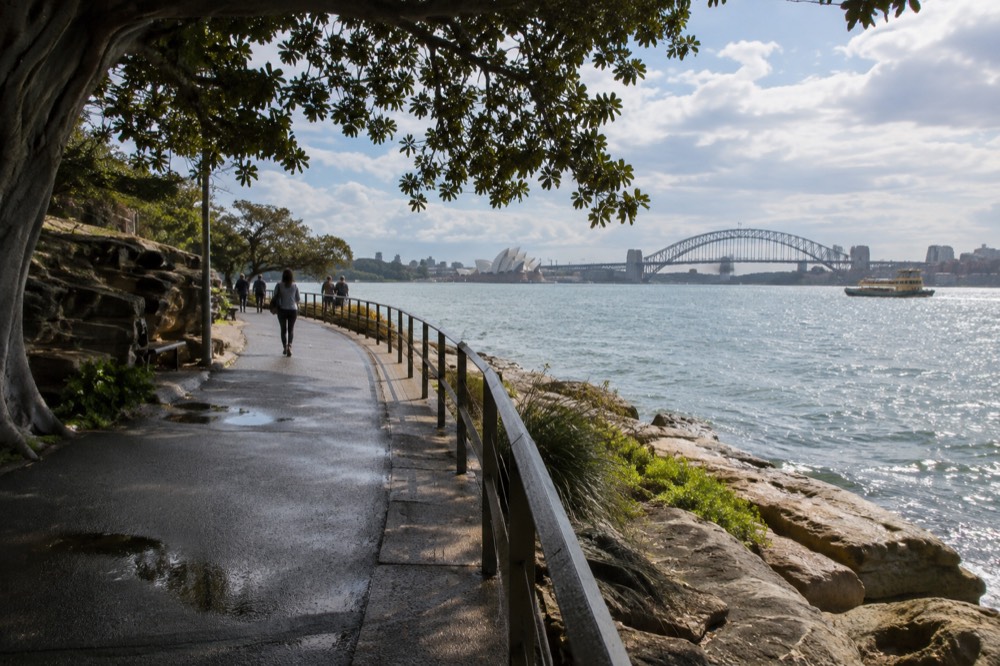
Three things catch walkers out: the repeated stair climbs at each headland, the almost total lack of shade between November and March, and the false confidence of starting fresh. The walk feels easy for the first 20 minutes and then the stairs begin. None of it is technically hard, but the cumulative effect on an untrained walker, especially in summer heat, is real fatigue by the final third.
The stair sections are concentrated around the headlands between the beaches. A rough sense of the terrain, based on how the route is structured:
| Section | Surface | Difficulty factor |
|---|---|---|
| Coogee to Clovelly | Paved path, road crossings, one headland | Easy, gentle warm-up |
| Clovelly to Gordons Bay | Stairs and a narrow boardwalk above the water | First real climbs, exposed |
| Gordons Bay to Tamarama | Stairs up and over, rocky sections | The hardest sustained stretch |
| Tamarama to Bondi | Paved cliff path, one final headland | Moderate, best views, crowds |
Beyond the stairs, two environmental factors do the damage. Heat: December through February is summer in Sydney, with average daily maximums of 25.3 to 26.0 degrees Celsius, and the headland paths hold that heat in the concrete. Wind: the exposed sections cop the ocean breeze head-on, which is pleasant in June and bracing in a winter southerly. Winter, by contrast, is milder than visitors expect: June to August averages 16.4 to 17.9 degrees Celsius for a daily maximum, and August is statistically Sydney's clearest month of the year.
If a coastal walk sounds appealing but the stair count does not, there are gentler ways to spend a morning on Sydney's water. These are the three most popular options among travellers comparing water-based and walking experiences:
Is the Coogee to Bondi Walk Safe?
Yes, for a walker in ordinary shoes and ordinary health, with one large caveat: the ocean is the risk, not the path. Swim only at patrolled beaches, between the red and yellow flags, during patrol hours. Every coastal drowning in Australia in the most recent reporting year occurred outside the flags, outside patrol times, or at an unpatrolled location. The walk itself is well engineered, fenced where it counts, and busy enough that help is rarely far away.
Rip currents are the number one hazard on this coast, and the official advice from Beachsafe is worth knowing before you go: if caught in a rip, stay calm and conserve energy, raise an arm and call for help, float with the current, which may return you to a sandbank, or swim parallel to the beach or toward breaking waves. The prevention framing is STOP, LOOK, PLAN: check for rips, look for other dangers, plan how to stay safe. The full official advice is published at Beachsafe's rip current page.
Patrol coverage along this exact stretch is better than almost anywhere in Australia. Bondi, Bronte and Tamarama are patrolled by professional council lifeguards year-round, with hours of 6am to 7pm daily from October to April and 7am to 5:30pm from May to September, which Waverley Council describes as the longest patrol hours in the country. Coogee is also lifeguard-patrolled year-round. That does not mean every hour of every day is covered: swim between the flags during the posted hours and nowhere else.
Water quality is the second caveat. NSW's Beachwatch program grades swim sites from Very Good to Very Poor, and the official advice after rain is to stay out of the water while it is raining, for up to one day after heavy rain at ocean beaches, and for up to three days at harbour and estuarine sites. Check the daily grades at Beachwatch before you swim, especially if there has been a storm in the previous day or two.
If you want your water morning without any of those variables, a sunrise paddle on the harbour is the alternative most travellers pick after comparing options. The Harbour Sunrise Kayak Tour is one of the highest-rated experiences anywhere in Sydney, and it replaces stairs and surf with flat water and a guide beside you.
One point worth knowing before you book anything on this page: the coastal walk itself needs no reservation at all, while the water alternatives do, and most operators hold your spot with free cancellation up to 24 hours before departure. That flexibility is the reason a sunrise paddle pairs so well with a Sydney trip, because you can lock it in early and still move it if the weather turns.
What Should You Bring on the Coogee to Bondi Walk?
Bring water, sun protection and shoes with grip, and little else. The essentials are a litre or more of water per person, a hat, sunscreen applied before you start, and trainers or walking shoes rather than thongs. There are drinking fountains and kiosks at the beaches along the way, but the headland stretches between them are exposed, and in summer you will want water before you feel thirsty.
The sun protection point deserves its own sentence. Sydney's UV index reaches extreme levels in summer, and the official guidance is Slip, Slop, Slap, Seek, Slide whenever UV is 3 or above, which in Sydney covers most of the year including winter. The headlands offer almost no shade to Seek, so the Slop and the hat do the heavy lifting.
What you do not need: special gear, a guide, or a booking. The route is signposted and impossible to lose, and it is one of the best free experiences in the city, as we note in our Sydney on a budget guide. If you would rather have a guide for the history and the stories, the The Rocks guided walking tour covers the city's oldest neighbourhood on flat ground.
When Is the Best Time to Do the Walk?
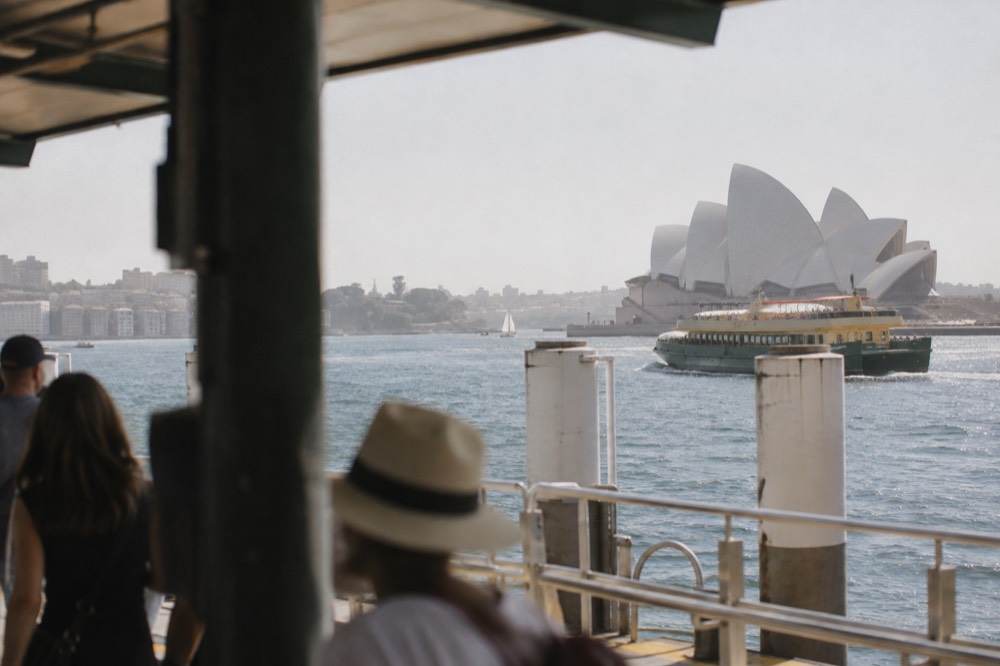
Early morning is the best time on any warm day: cooler air, lower UV, softer light for photos and calmer crowds. In terms of months, the counterintuitive answer is late winter. August is statistically Sydney's clearest month of the year, with 13.4 mean clear days, while February, the middle of peak season, is its cloudiest, with just 5.3. Peak season is statistically the greyest time to walk it.
That inversion is one of the least-known facts about Sydney's climate, and it comes straight from the Bureau of Meteorology's long-term normals for the city. June is actually Sydney's wettest month, with a long-run average of 133.1 millimetres, wetter than any summer month, while the summer that visitors picture as endless blue is partly cloud. If your trip falls in the December-to-February window, plan the walk for the morning and keep an indoor backup; our Sydney rainy day itinerary has one.
Seasonal notes that affect the walk specifically: patrol hours are longer in the October-to-April high season, so a swim at the end is easier then, and the ocean pools along the route are a genuinely safer alternative to the surf in big swell. Bronte Ocean Pool and the North Bondi Children's Pool are free and council-maintained; Bondi Icebergs is a separate club-run 50-metre pool and is not free. All of them can close in big swell.
Are There Easier Alternatives If the Walk Is Too Hard?
Yes, several. You can walk a single section, with Coogee to Clovelly the flattest and shortest; you can swim at one beach and skip the walking entirely; or you can see the coastline from the water on a sightseeing cruise, which involves zero stairs. Public buses run along the route, so you can bail at Bronte or Tamarama with no shame and no logistics problem.
The partial-walk option is the one most people miss. Because the route passes through beaches with bus stops, you can treat it as a choose-your-own-distance walk: Coogee to Bronte gives you the Gordons Bay boardwalk and most of the scenery in about half the effort, and a bus from Bronte gets you to Bondi in minutes. Tamarama is another natural exit point.
If the appeal was the water rather than the walking, the harbour alternatives are strong. A sightseeing cruise such as the Sydney Harbour Sightseeing Cruise gives you the water morning with a seat the whole way, and the full range of options is in our Sydney harbour cruises guide. For swimmers rather than walkers, the surfing lessons in Sydney guide covers Bondi's beginner-friendly options.
For most readers, though, the honest summary is this: the Coogee to Bondi walk is hard enough to feel like an achievement and easy enough that almost anyone under 70 in reasonable health completes it. Start early, bring water, swim between the flags, and finish at Bondi. That is the whole strategy, and it is the same one a local would give you. This Sydney Travel Guide page exists because the difficulty question deserves a straight answer, not a postcard.
If the walk is on your list, these are the three experiences travellers most often book alongside it:
Common Questions About the Coogee to Bondi Walk
How hard is the Coogee to Bondi walk?
Moderate. Paved and boardwalk surfaces the whole way, but repeated stairs at each headland and almost no shade in summer. A fit adult finishes in about 90 minutes to 2 hours; allow longer with a swim and photos. Anyone comfortable with stairs will manage it.
How long does the Coogee to Bondi walk take?
Roughly 90 minutes to 2 hours of actual walking at a relaxed pace, plus whatever you spend swimming, eating and photographing. Most people treat it as a half-day outing. There is no obligation to do the full route: buses along the coast let you exit at Bronte or Tamarama.
Which direction is better, Coogee to Bondi or Bondi to Coogee?
The elevation profile is effectively identical either way, because you climb every headland regardless of direction. Choose by where you want to finish. Bondi has the stronger transport, food and atmosphere, so most people walk from Coogee and end at Bondi.
Can you swim on the Coogee to Bondi walk?
Yes, at Coogee, Clovelly, Bronte, Tamarama and Bondi, but only between the red and yellow flags during patrol hours. Bondi, Bronte, Tamarama and Coogee are patrolled year-round by council lifeguards. Ocean pools at Bronte and North Bondi are a safer alternative in big swell.
Is the Coogee to Bondi walk suitable for older people or kids?
Older walkers who handle stairs comfortably will enjoy it, especially outside summer heat. Young children usually manage the Coogee-to-Bronte section better than the full route. There are no technical hazards on the path itself; the stairs and the sun are the only real challenges.
Do you need hiking shoes for the Coogee to Bondi walk?
No. Trainers or any closed shoe with grip are ideal. The surface is concrete, boardwalk and packed sand. Thongs are the only footwear that causes problems, on hot pavement and on the stair sections.